Що таке двоканальний зарядний пристрій для LiPo?
Двоканальний зарядний пристрій для LiPo має два керовані виходи заряджання, що дає змогу одночасно керувати двома сумісними процесами заряджання акумуляторів. Замість того щоб завершувати заряджання одного акумулятора перед підключенням наступного, зарядний пристрій може контролювати обидва канали під час одного сеансу заряджання.
У зарядних пристроях зі справді незалежними каналами кожен вихід має власне керування заряджанням і моніторинг акумулятора. Залежно від конкретного зарядного пристрою, два канали також можуть працювати з різними параметрами заряджання, якщо кожен акумулятор залишається в межах підтримуваного зарядним пристроєм типу хімії, кількості комірок і допустимої потужності.
Що таке багатоканальний зарядний пристрій для акумуляторів радіокерованих моделей?
Багатоканальний зарядний пристрій для акумуляторів радіокерованих моделей розширює цю ідею за межі двох виходів. Наприклад, чотириканальний зарядний пристрій може забезпечувати чотири керовані процеси заряджання з одного пристрою, якщо його використовувати в межах загальної допустимої потужності.
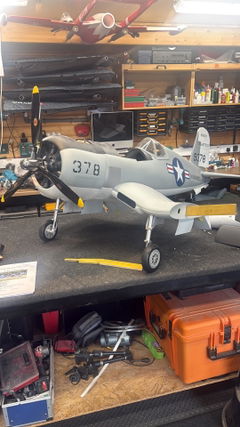
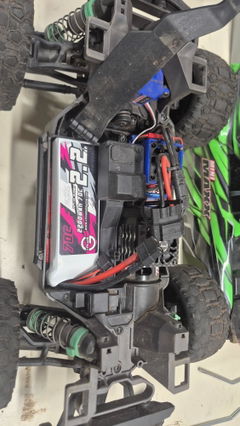
Це особливо корисно для FPV-пілотів із кількома акумуляторами меншої ємності, пілотів радіокерованих літаків, які готують кілька акумуляторів для польотів, перегонників, які по черзі використовують кілька акумуляторів для автомобілів, або сімей, які одночасно керують акумуляторами для кількох радіокерованих моделей.
Навіщо обирати двоканальний або багатоканальний зарядний пристрій для радіокерованих моделей?
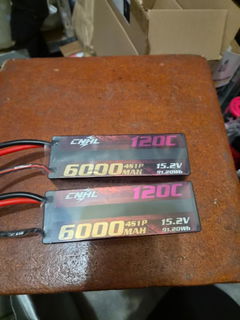
- Заряджання кількох акумуляторів: підготуйте два або більше сумісних акумуляторів під час одного сеансу заряджання.
- Незалежне керування акумуляторами: окремі канали можуть керувати власними процесами заряджання, а не розглядати кілька акумуляторів як один об’єднаний акумулятор.
- Швидша підготовка акумуляторів: це зручно, коли на день перегонів, політ або поїздку з радіокерованою моделлю потрібно підготувати кілька акумуляторів.
- Один зарядний пристрій замість кількох окремих: зменшує кількість інтерфейсів заряджання та силових підключень на робочому столі.
- Гнучкість для різних акумуляторів: це зручно для користувачів, які мають радіокеровані автомобілі, літаки, гелікоптери, човни та FPV-моделі з різними вимогами до акумуляторів.
- Потужніші варіанти: багато двоканальних моделей також забезпечують значну потужність заряджання для більших акумуляторів 4S, 6S і 8S.
Чи можна одночасно заряджати два LiPo-акумулятори?
Так, якщо зарядний пристрій має два придатні незалежні канали заряджання. Кожен акумулятор підключається до власного виходу та роз’єму балансування, а зарядний пристрій керує двома процесами заряджання відповідно до підтримуваних режимів роботи.
Важливе обмеження — потужність. Зарядний пристрій може бути фізично здатним одночасно заряджати два акумулятори, але водночас мати обмеження загальної потужності, яке не дає обом каналам одночасно досягати своїх індивідуальних максимальних значень.
Потужність каналу та загальна потужність зарядного пристрою
Це одна з найважливіших характеристик, яку слід розуміти під час вибору дво- або багатоканального зарядного пристрою для LiPo.
Така характеристика, як 500 Вт ×2, описує максимальні можливості двох каналів зарядного пристрою за належних умов. Вона не гарантує, що потужність 1000 Вт завжди буде доступна від кожного джерела живлення.
Напруга акумулятора також має значення. Заряджання двох великих акумуляторних блоків 6S або 8S може вимагати значно більшої загальної потужності, ніж заряджання двох малих акумуляторів 2S або 3S за тієї самої сили струму.
Порівняння сучасних дво- та багатоканальних зарядних пристроїв для RC
Поточний асортимент включає компактні двоканальні зарядні пристрої 6S, потужні двоканальні зарядні пристрої 8S і зарядну станцію з чотирма каналами. Найкращий вибір залежить від кількості акумуляторів, які ви заряджаєте, кількості їхніх елементів і необхідної потужності заряджання на кожному каналі.
| Зарядний пристрій | Канали | Вхід | Максимальна потужність заряджання | Стандартний LiPo |
|---|---|---|---|---|
| ISDT D2 Mark II | 2 | AC | 200 Вт загалом | 1–6S |
| ToolkitRC M6D | 2 | DC | 250 Вт ×2 / до 500 Вт синхронно | 1–6S |
| ToolkitRC M6DAC V2 | 2 | AC / DC | До 400 Вт ×2 від DC | 1–6S |
| ToolkitRC M6DAC Pro | 2 | AC / DC | До 400 Вт ×2 від DC | 1–6S |
| ISDT P20 | 2 | DC | 500 Вт ×2 | 1–8S |
| ISDT K2 ZIP | 2 | AC / DC | AC 200 Вт загалом / DC 500 Вт ×2 | 1–8S |
| ISDT K4 | 2 | AC / DC | AC 400 Вт загалом / DC 600 Вт ×2 | 1–8S |
| ToolkitRC Q6AC | 4 | AC / DC | DC 250 Вт ×4 або до 500 Вт ×2 | 1–6S |
Максимальні значення описують можливості зарядного пристрою за належних умов експлуатації. Доступна одночасна вихідна потужність залежить від джерела живлення, напруги акумулятора, кількості активних каналів, теплових умов і допустимої швидкості заряджання кожного акумулятора.
Двоканальне заряджання та паралельне заряджання
Двоканальне та паралельне заряджання — не одне й те саме.
| Характеристика | Незалежні канали | Паралельне заряджання |
|---|---|---|
| Завдання заряджання акумуляторів | Кожен канал керується окремо | Кілька акумуляторів подаються одному завданню заряджання як одна більша паралельна група |
| Узгодження акумуляторів | Залежить від можливостей зарядного пристрою; зазвичай акумулятори не обов’язково мають утворювати одну узгоджену паралельну групу | Акумулятори мають бути придатними для паралельного з’єднання |
| Моніторинг елементів | Кожен канал заряджання контролює під’єднаний акумуляторний блок | Зарядний пристрій керує під’єднаною паралельною групою в межах одного завдання заряджання |
| Додаткове обладнання | Зазвичай паралельна плата не потрібна | Потрібна відповідна схема паралельного заряджання |
Досвідчені користувачі, які хочуть під’єднати кілька сумісних акумуляторів до одного зарядного пристрою, також можуть розглянути паралельну зарядну плату ISDT PC-4860S. Це пасивний аксесуар для заряджання, а не автономний багатоканальний зарядний пристрій.
Двоканальний режим і синхронний режим або режим об’єднаної потужності
Деякі вдосконалені двоканальні зарядні пристрої можуть використовувати своє обладнання кількома способами. У звичайному двоканальному режимі два виходи працюють як окремі завдання для акумуляторів, тоді як деякі зарядні пристрої мають синхронний режим, режим паралельного заряджання або режим об’єднаної потужності, який використовує обидва канали зарядного пристрою для одного завдання з вищою потужністю.
Наприклад, ISDT P20 у звичайному режимі забезпечує два незалежні канали потужністю 500 Вт, але також має спеціальний режим паралельного заряджання потужністю до 800 Вт / 35 А для одного акумулятора. Це відрізняється від під’єднання кількох акумуляторів до звичайної паралельної плати.
Двоканальні та чотириканальні зарядні пристрої LiPo
Двоканального зарядного пристрою зазвичай достатньо, якщо ви регулярно готуєте акумулятори парами. Це практичний варіант для багатьох радіокерованих автомобілів, літаків, гелікоптерів і човнів.
Зарядний пристрій із чотирма каналами стає привабливішим, коли обсяг заряджання важливіший за наявність лише двох потужних виходів. Чотири незалежні канали можуть бути особливо корисними для користувачів, які регулярно обслуговують кілька FPV-акумуляторів, акумулятори кількох літальних апаратів або кількох радіокерованих моделей.
Більша кількість каналів не означає автоматично більшу загальну потужність. Окрім кількості доступних роз’ємів для акумуляторів, порівнюйте загальні можливості зарядного пристрою щодо вхідної та вихідної потужності.
Скільки потужності потрібно двом акумуляторам?
Корисне наближення для кожного акумулятора:
Якщо два акумулятори заряджаються незалежно, розрахуйте приблизне навантаження кожного каналу, а потім врахуйте їхню сумарну потребу.
Наприклад, один стандартний акумулятор 6S LiPo, що майже повністю заряджений струмом 5 А, потребує приблизно 126 Вт. Тому для заряджання двох подібних акумуляторів 6S приблизно по 5 А кожен потрібно близько 252 Вт потужності з боку акумуляторів без урахування втрат і додаткових витрат потужності зарядного пристрою.
Саме тому зарядний пристрій із характеристиками «подвійний 10 А» або «подвійний 20 А» усе одно потребує достатньої потужності, щоб підтримувати такий струм за відповідної напруги акумулятора.
Потужність змінного струму може обмежувати багатоканальне заряджання
У багатоканальних зарядних пристроях загальна потужність особливо важлива для моделей AC/DC. Вбудований блок живлення змінного струму зарядного пристрою може забезпечувати значно меншу потужність, ніж його електроніка заряджання здатна отримати від зовнішнього джерела постійного струму.
Наприклад, зарядний пристрій AC/DC може забезпечувати достатню потужність змінного струму для кількох помірних завдань із заряджання, але для досягнення максимальної потужності на двох або чотирьох каналах може знадобитися робота від постійного струму.
Якщо важлива робота безпосередньо від електромережі, порівнюйте фактичну потужність змінного струму, а не орієнтуйтеся лише на найвище заявлене значення потужності постійного струму зарядного пристрою.
Вибір кількості каналів для акумуляторів 6S і 8S
Кількість каналів і максимальна кількість елементів акумулятора — це окремі характеристики.
Двоканальний зарядний пристрій 6S може заряджати два сумісні акумулятори 6S, тоді як двоканальний зарядний пристрій 8S розширює цю можливість до стандартних LiPo-акумуляторів із вісьмома елементами. Чотириканальний зарядний пристрій може одночасно виконувати більше завдань із заряджання акумуляторів, маючи водночас меншу максимальну кількість елементів на канал.
Якщо ваші акумуляторні системи підтримують не більше 6S, порівняйте наші зарядні пристрої 6S LiPo для радіокерованої техніки. Для акумуляторних систем із вищою напругою перегляньте спеціальні зарядні пристрої 8S LiPo.
Багатоканальні зарядні пристрої для радіокерованих автомобілів, літаків, гелікоптерів і FPV
Різні категорії радіокерованої техніки по-різному використовують переваги кількох каналів заряджання.
- Радіокеровані автомобілі: готуйте кілька гоночних акумуляторів або акумуляторів для басингу, не заряджаючи їх по одному.
- Радіокеровані літаки та EDF-джети: заряджайте кілька польотних акумуляторів перед польотами.
- Радіокеровані гелікоптери: корисне, коли протягом дня польотів потрібно заряджати кілька акумуляторів великої ємності по черзі.
- FPV-дрони: чотириканальне заряджання особливо корисне, коли потрібно підготувати багато акумуляторів меншої ємності.
- Радіокеровані човни: двоканальне заряджання допомагає працювати з кількома акумуляторами великої ємності, які використовуються під час повторних заїздів.
Перевірте хімічний склад батареї на кожному каналі
Кілька каналів не змінюють вимог до заряджання під’єднаних до них батарей. Для кожного завдання із заряджання потрібні правильні хімічний склад батареї, кількість комірок, струм і балансувальне під’єднання.
Стандартні LiPo-батареї потрібно заряджати у правильному режимі LiPo, не перевищуючи 4.20 В на комірку. Для заряджання LiHV-батарей вище стандартної напруги LiPo потрібен сумісний режим LiHV.
Не припускайте, що дві батареї мають використовувати однакові налаштування лише тому, що вони під’єднані до одного фізичного зарядного пристрою. Перевірте кожну батарею перед початком її заряджання.
Що перевірити перед купівлею двоканального або багатоканального зарядного пристрою для LiPo-батарей
- Кількість незалежних каналів: визначте, чи відповідають два або чотири виходи для заряджання кількості батарей, які ви зазвичай готуєте.
- Потужність на канал: перевірте, яку потужність може отримувати одна батарея.
- Загальна потужність зарядного пристрою: перевірте доступну одночасну вихідну потужність, коли активні кілька каналів.
- Обмеження змінного та постійного струму: зарядні пристрої змінного/постійного струму можуть забезпечувати дуже різну загальну потужність залежно від джерела живлення.
- Максимальна кількість комірок батареї: обирайте підтримку 6S або 8S відповідно до батарей, якими ви фактично користуєтеся.
- Хімічний склад батареї: переконайтеся в підтримці потрібних режимів заряджання LiPo, LiHV, LiFe, Li-ion або інших акумуляторів.
- Максимальний струм: допустимий струм потрібно розглядати разом із потужністю.
- Незалежні режими та режими об’єднаної потужності: перевірте, чи підтримує зарядний пристрій синхронні функції або функції об’єднаного виходу на додаток до звичайних незалежних каналів.
- Основні роз’єми: переконайтеся, що для кожної батареї є відповідні зарядні кабелі або адаптери з належними характеристиками.
- Балансувальні під’єднання: для кожного багатокоміркового літієвого акумулятора потрібне правильне балансувальне під’єднання.
- Зовнішнє джерело живлення: для потужного заряджання постійним струмом потрібне джерело живлення, здатне підтримувати сумарне навантаження під час заряджання.
Поширені запитання про дво- та багатоканальні зарядні пристрої для LiPo-батарей
Що таке двоканальний зарядний пристрій для LiPo-батарей?
Двоканальний зарядний пристрій для LiPo-батарей має два керовані виходи для заряджання, що дає змогу виконувати два сумісні завдання із заряджання під час одного сеансу.
Чи можна одночасно заряджати дві LiPo-батареї?
Так, із відповідним двоканальним зарядним пристроєм. Кожна батарея під’єднується до власного каналу заряджання, а зарядний пристрій має мати достатню загальну потужність для обох завдань.
Чи мають два акумулятори бути однаковими для двоканального зарядного пристрою?
Не обов'язково, якщо зарядний пристрій має справді незалежні канали, а індивідуальні налаштування акумуляторів підтримуються. Завжди перевіряйте точні правила роботи зарядного пристрою та правильно налаштовуйте кожен акумулятор.
Чи є двоканальний зарядний пристрій тим самим, що й паралельне заряджання?
Ні. Двоканальний зарядний пристрій окремо керує двома завданнями заряджання акумуляторів. Паралельне заряджання з'єднує кілька сумісних акумуляторів, щоб один зарядний пристрій працював із ними як з однією паралельною групою.
Чи є паралельна плата з чотирма портами чотириканальним зарядним пристроєм?
Ні. Паралельна плата може мати кілька портів для підключення акумуляторів, але не мати незалежної електроніки для заряджання. Справжній чотириканальний зарядний пристрій має чотири керовані канали заряджання.
Чи означає 500 Вт ×2, що зарядний пристрій завжди забезпечує 1000 Вт?
Ні. Це описує можливості каналів за належних умов. Загальна доступна вихідна потужність може бути обмежена живленням від змінного струму, зовнішнім джерелом постійного струму, напругою акумулятора, температурою та іншими обмеженнями зарядного пристрою.
Що таке чотириканальний зарядний пристрій для LiPo-акумуляторів?
Чотириканальний зарядний пристрій має чотири керовані виходи для заряджання акумуляторів. Він може бути корисним користувачам, які регулярно готують кілька сумісних акумуляторів для моделей або FPV за один сеанс.
Чи кращий чотириканальний зарядний пристрій за двоканальний?
Не автоматично. Чотири канали дають змогу виконувати більше завдань одночасно, тоді як деякі двоканальні зарядні пристрої забезпечують значно більшу потужність на канал або підтримують більшу кількість елементів. Обирайте відповідно до кількості акумуляторів, напруги та вимог до потужності заряджання.
Чи може двоканальний зарядний пристрій заряджати два LiPo-акумулятори 6S?
Так, якщо обидва канали зарядного пристрою підтримують стандартні LiPo-акумулятори 6S і загальної потужності заряджання достатньо для вибраного струму обох акумуляторів.
Чи може двоканальний зарядний пристрій заряджати два LiPo-акумулятори 8S?
Слід використовувати лише зарядні пристрої з двома каналами, які спеціально підтримують стандартні LiPo-акумулятори 8S. Для великих акумуляторів 8S може знадобитися значна загальна потужність, тому джерело вхідного живлення також потрібно враховувати.
Переглянути інші зарядні пристрої для LiPo-акумуляторів
Кількість каналів — лише один з аспектів вибору зарядного пристрою. Кількість елементів акумулятора, вхід змінного чи постійного струму, потужність заряджання, підтримувані хімічні типи акумуляторів і вимоги до зовнішнього живлення можуть бути не менш важливими. Перегляньте всі зарядні пристрої для LiPo-акумуляторів для моделей, щоб порівняти весь асортимент зарядних пристроїв.