

Короткий посібник із підбору акумулятора для GEPRC TriPro6
| Дрон | GEPRC TriPro6 / TriPro-LR60 O4 Pro |
| Клас пропелерів | 6-дюймовий FPV для польотів на велику дальність |
| Акумуляторна система | 6S |
| Роз'єм акумулятора | XT60 |
| Стандартна напруга LiPo | 22,2 В номінально / 25,2 В у повністю зарядженому стані |
| Напруга LiHV | 22,8 В номінально / до 26,1 В у повністю зарядженому стані |
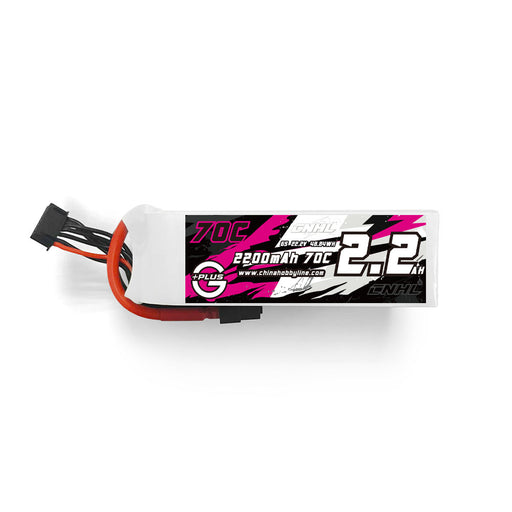
| Основна рекомендація CNHL | G+Plus 2200 мА·год 6S 70C XT60 – стандартний 220706 |
| Інші підтверджені варіанти CNHL | Black Series 2200 мА·год 6S 40C, Lightning LiHV 2400 мА·год 6S 120C Shorty, Lightning LiHV 3200 мА·год 6S 120C |
Найкращий акумулятор для GEPRC TriPro6: CNHL G+Plus 2200 мА·год 6S 70C
CNHL G+Plus 2200 мА·год 22,2 В 6S 70C XT60, стандартний 220706, є основним акумулятором у цій добірці. Ємність, напруга та роз'єм добре відповідають передбаченій конфігурації TriPro6 з 6S LiPo, але ще важливіше те, що цей клас акумуляторів уже продемонстрував характер польоту, під який розробляли TriPro6.
Зі встановленим 6S LiPo на TriPro6 зберігаються потужна тяга від газу й чутливе керування, тож він не перетворюється на повільну платформу лише для тривалих польотів. Це важливо, адже цей літальний апарат займає проміжне місце між традиційними фристайл-категоріями та спеціалізованими платформами для польотів на велику дальність: він може ефективно летіти в крейсерському режимі на 6-дюймових дволопатевих пропелерах, водночас зберігаючи корисну швидкість на відкритій місцевості, гірських маршрутах і кінематографічних лініях польоту.
Під час реального польоту TriPro6 з акумулятором CNHL 2200 мА·год 6S 70C політ тривав приблизно 12 хвилин у вітряних гірських умовах, поєднуючи звичайний крейсерський режим з активнішими маневрами. Час польоту завжди змінюється залежно від роботи газом, вітру, висоти, стану пропелерів, віку акумулятора та напруги під час посадки, тому це слід сприймати як практичний орієнтир, а не гарантовану тривалість.
Який акумулятор CNHL варто обрати?
| Акумулятор CNHL | Найкраще використання | Чому варто обрати цей акумулятор |
|---|---|---|
| G+Plus 2200 мА·год 6S 70C XT60 Стандартний 220706 |
Найкращий загалом / змішані польоти | Основна рекомендація з безпосереднім досвідом польотів на TriPro6; чудовий баланс витривалості, ваги та тяги від газу. |
| Black Series 2200 мА·год 6S 40C XT60 | Крейсерські польоти / загальні FPV-польоти на велику дальність | Та сама базова ємність 2200 мА·год і конфігурація 6S XT60, але зі стандартнішою специфікацією розряду. |
| Lightning LiHV 2400 мА·год 6S 120C Shorty XT60 | Компактний високопродуктивний варіант LiHV | Відібраний варіант LiHV, у якого підтверджені габарити й встановлена вага роблять акумулятор практичним для TriPro6. |
| Lightning LiHV 3200 мА·год 6S 120C XT60 | LiHV для польотів із більшою ємністю | Більша ємність без простого вибору акумулятора завеликого розміру; цей акумулятор залишили в добірці, оскільки його габарити та вага підходять для цього застосування. |
Примітка: У комплектаціях по 2 акумулятори G+Plus і Black Series містяться два окремі акумулятори 6S для польотів. TriPro6 використовує один акумулятор 6S за раз; варіант із 2 акумуляторами просто дає вам другий акумулятор для польотів.
Чому 2200mAh так добре підходить для 6-дюймового TriPro6
Поширена помилка - розглядати GEPRC TriPro6 як звичайний 5-дюймовий фристайл-квадрокоптер і одразу шукати найменший і найлегший акумулятор 6S. TriPro6 має інше призначення. Його двигуни 2205E 1400KV, пропелери 6×4.3 і ефективна 6-дюймова конструкція розраховані на перенесення більшого запасу енергії при відносно помірному споживанні струму під час круїзного польоту.
Тому 2200mAh є особливо корисним компромісним варіантом. Він забезпечує значно більше бортової енергії, ніж менші акумулятори, які зазвичай використовують в агресивних 5-дюймових збірках, і водночас зберігає достатню чутливість TriPro6 для швидшого круїзу, зміни висоти та періодичних маневрів у стилі фристайлу.
Тому для пілотів, які хочуть досліджувати можливості, а не просто максимізувати час польоту, конфігурація 2200mAh G+Plus є найзбалансованішим варіантом для початку.
2200mAh G+Plus проти Black Series для TriPro6
Обидва варіанти CNHL 2200mAh мають ключові характеристики, необхідні TriPro6: напругу 6S, ємність 2200mAh і вихідний роз’єм XT60. Найбільша практична відмінність полягає в характеристиці струму розряду.
G+Plus 70C є кращою рекомендацією, якщо вам потрібен додатковий запас за струмом для швидших прольотів, повторних наборів висоти або більш різноманітного стилю польотів. Він також має перевагу безпосереднього досвіду польотів на TriPro6, тому Stock 220706 посідає перше місце в цій добірці.
Black Series 40C залишається практичною альтернативою для звичайних круїзних польотів і польотів, орієнтованих на тривалість. TriPro6 розроблено для ефективного використання енергії, а не для постійного споживання надзвичайно великого струму, тому не кожному пілоту потрібен найвищий доступний показник C.
Чи може GEPRC TriPro6 використовувати акумулятор 6S LiHV?
Так. Вибрані в цій добірці акумулятори CNHL Lightning 2400mAh і 3200mAh 6S LiHV можна використовувати як варіанти акумуляторів для TriPro6. Їх було вибрано з урахуванням практичних габаритів і ваги встановленого акумулятора, а не припущення, що будь-який акумулятор 6S LiHV автоматично підходить.
Стандартний акумулятор 6S LiPo має номінальну напругу 22.2V і під час повного заряджання досягає 25.2V. Акумулятор 6S LiHV має номінальну напругу 22.8V і може досягати 26.1V у разі правильного заряджання в режимі LiHV. Використовуйте зарядний пристрій із підтримкою хімії LiHV і не перевищуйте 4.35V на комірку.
У разі використання повністю зарядженого акумулятора 6S LiHV конфігурація акумулятора в Betaflight також має правильно враховувати вищу напругу на одну комірку. Налаштування максимальної напруги комірки приблизно на рівні 4.4V запобігає неправильному розпізнаванню повністю зарядженого акумулятора 6S LiHV і появі хибних попереджень про акумулятор або кількість комірок в OSD.
Налаштування максимальної напруги комірки в Betaflight призначене для конфігурації OSD і виявлення акумулятора. Воно не змінює граничну напругу заряджання акумулятора. Заряджання LiHV потрібно виконувати в правильному режимі зарядного пристрою LiHV і за відповідної напруги.
Чому акумулятори LiHV на 2400mAh і 3200mAh включено до добірки
Самої ємності недостатньо, щоб визначити, чи підходить акумулятор для TriPro6. Більше число на етикетці може виявитися недоцільним, якщо акумулятор додає надмірну вагу, заважає системі кріплення знизу або ускладнює підтримання правильного центра ваги.
Акумулятори Lightning 2400mAh Shorty та 3200mAh LiHV відрізняються. Їх залишили в цій добірці, оскільки їхні фізичні розміри та встановлена вага вже були враховані з огляду на платформу TriPro6. Версія 2400mAh Shorty забезпечує компактний крок угору від 2200mAh, тоді як варіант 3200mAh ще більше зміщує акцент у бік польотів із вищою енергоємністю.
Це робить їх корисною альтернативою для пілотів, які хочуть отримати більшу ємність, залишаючись на літій-полімерній хімії з високою віддачею струму, замість переходу на Li-ion акумулятор для далеких польотів.
Кріплення акумулятора та дорожній просвіт TriPro6
GEPRC TriPro6 встановлює польотний акумулятор під основною карбоновою рамою. Це знижує центр ваги й допомагає рівномірно розподілити навантаження між чотирма двигунами, але водночас означає, що встановленню акумулятора потрібно приділяти більше уваги, ніж у звичайній FPV-рамі з верхнім кріпленням.
Передні двигуни та пропелери розташовані низько над землею, тому карбонова посадкова платформа для акумулятора відіграє важливу роль у підтриманні рівного положення апарата під час зльоту й посадки. Завжди перевіряйте, щоб вибраний акумулятор був надійно зафіксований, не зміщувався вбік і залишав достатній зазор навколо пропелерів та проводки.
Переважно використовувати рівну поверхню для запуску або відповідний майданчик для посадки FPV, а не високу траву чи нерівну місцевість. Це особливо важливо для TriPro6, оскільки нахилене положення під час запуску може значно наблизити передні пропелери до землі.
LiPo чи LiHV для FPV на велику дальність?
| Тип акумулятора | Характер TriPro6 | Обирайте його, якщо... |
|---|---|---|
| 2200 мА·год 6S LiPo | Збалансований, чутливий, універсальний | Ви хочете отримати найближчу відповідність основній конфігурації LiPo для TriPro6 та вдале поєднання часу польоту й керованості. |
| 2400 мА·год 6S LiHV | Компактна, енергоємна конфігурація LiHV | Ви хочете трохи збільшити запас енергії за підтвердженого компактного формату акумулятора. |
| 3200 мА·год 6S LiHV | Крейсерський політ із підвищеною енергоємністю | Ви надаєте пріоритет додатковому запасу енергії, а підтверджені розміри та вага підходять для встановлення на TriPro6. |
Що перевірити перед польотом із новим акумулятором TriPro6
- Переконайтеся, що акумулятор є 6S акумулятор.
- Перед під’єднанням живлення перевірте роз’єм XT60 і полярність.
- Розташуйте акумулятор по центру, щоб літальний апарат залишався правильно збалансованим.
- Надійно затягніть ремінець акумулятора та перевірте, щоб акумулятор не зміщувався вбік.
- Тримайте акумуляторні й балансувальні дроти подалі від усіх чотирьох пропелерів.
- Перед постановкою на охорону перевірте зазор між передніми пропелерами та поверхнею.
- За потреби під час встановлення використовуйте карбонову посадкову пластину.
- Після зміни розміру або ваги акумулятора виконайте короткий пробний політ, перш ніж вирушати на велику дальність.
- Для акумуляторів LiHV використовуйте правильний режим заряджання LiHV і перед зльотом переконайтеся, що Betaflight розпізнає акумулятор.
Часті запитання про акумулятор GEPRC TriPro6
Який акумулятор використовує GEPRC TriPro6?
TriPro6 використовує силову систему 6S із роз’ємом XT60. GEPRC позиціонує LiPo-акумулятор 2200 мА·год 6S як одну з основних конфігурацій, тому CNHL G+Plus 2200 мА·год 6S 70C XT60 є основним вибором у цій добірці.
Який акумулятор CNHL найкраще підходить для GEPRC TriPro6?
CNHL G+Plus 2200 мА·год 22,2 В 6S 70C із XT60, Stock 220706 - наша головна рекомендація. Він поєднує потрібний клас ємності 2200 мА·год із достатнім запасом струму розряду та підтвердженим досвідом польотів на TriPro6.
Скільки часу може літати TriPro6 на LiPo-акумуляторі 2200 мА·год 6S?
Час польоту значною мірою залежить від використання газу, висоти, вітру, крейсерської швидкості та напруги під час посадки. TriPro6 із конфігурацією CNHL 2200 мА·год 6S 70C виконав приблизно 12 хвилин польоту в реальних умовах із різними режимами на вітрі в горах. Повільніший крейсерський політ на витривалість може дати інші результати, тому час польоту ніколи не слід сприймати як фіксовану гарантію.
Чи можна використовувати акумулятор на 3200 мА·год для GEPRC TriPro6?
Так. Варіант CNHL Lightning 3200 мА·год 6S LiHV у цій колекції було вибрано з урахуванням його габаритів і ваги для TriPro6. Як і з будь-яким акумулятором більшої ємності, після встановлення перевірте остаточний натяг ременя, центр ваги, проводку та зазор до пропелерів.
Чи може TriPro6 працювати з акумулятором 6S LiHV?
Так. Вибрані акумулятори CNHL Lightning 6S LiHV на 2400 мА·год і 3200 мА·год можна використовувати на цій платформі. Заряджайте їх лише сумісним із LiHV зарядним пристроєм у режимі LiHV і не перевищуйте 4.35 В на елемент. Максимальну напругу елемента в Betaflight також слід налаштувати так, щоб система правильно розпізнавала вищу повністю заряджену напругу LiHV.
Що обрати: G+Plus 70C чи Black Series 40C?
Оберіть G+Plus 70C, якщо хочете найкращу універсальну рекомендацію, додатковий запас за струмом розряду та той самий тип акумулятора, який уже добре зарекомендував себе під час польотів на TriPro6. Black Series 40C є практичною альтернативою для пілотів, які переважно літають у крейсерському режимі й не потребують такого самого запасу за струмом.
Чи потрібно використовувати обидві батареї з комплекту з 2 акумуляторів одночасно?
Ні. У комплектах із 2 акумуляторів ви отримуєте дві окремі батареї 6S, щоб використовувати одну під час польоту, а другу залишати готовою для наступного вильоту. GEPRC TriPro6 працює з однією польотною батареєю 6S за раз.
Чи підтримує TriPro6 також акумулятори Li-ion?
Так. GEPRC також пропонує акумулятори Li-ion для тривалих польотів. Вибір Li-ion передбачає інший баланс ємності, можливості розряджання, ширини акумулятора та вимог до кріплення, тому його не слід розглядати як ідентичний вибору акумулятора 6S LiPo або LiHV.
Інші варіанти акумуляторів 6S і FPV для дальніх польотів
Щоб переглянути додаткові акумулятори зі стандартною напругою, ознайомтеся з колекцією акумуляторів CNHL 22.2V 6S LiPo. Коли головною метою є тривалість польоту й ви хочете порівняти іншу хімію акумуляторів, перегляньте колекцію акумуляторів CNHL Li-ion FPV.
GEPRC TriPro6 вирізняється незвичайною гнучкістю для 6-дюймової платформи, але найкращою батареєю все одно буде та, що відповідає вашому стилю польотів. Почніть із 6S LiPo на 2200 мА·год для найкращого загального балансу, переходьте до вибраних варіантів LiHV, коли потрібна вища ємність, і завжди враховуйте встановлену вагу, надійність кріплення батареї та зазор до пропелерів як частину всієї конфігурації.