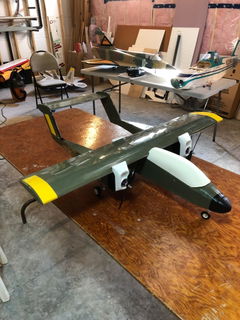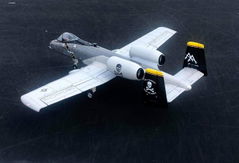








Why the Freewing Ares is the First True 3D EDF
Unlike conventional EDF jets, the Ares integrates a dual-axis thrust vectoring nozzle with less than 6% thrust loss, combined with a dual gyro system that separates surface and vector control. With an adjustable CG weight system and high-power EDF unit, stable hovering and torque rolls are achievable for the first time in an EDF platform.
Core vs. Support Features
| Category | Features | Impact |
|---|---|---|
| Core Technologies | Dual-axis thrust vectoring, dual gyro system, 6S/8S EDF power, adjustable CG | Enable true 3D capability |
| Support Enhancements | Wing fences, CNC landing gear | Improve knife-edge and durability |
| User Experience | Quick-release wings, LED lights, painted finish | Convenience and orientation |
6S vs. 8S Ares Versions
| Dimension | 6S High Performance | 8S Ultra Performance |
|---|---|---|
| Motor | 3668-1960Kv | 4075-1350Kv |
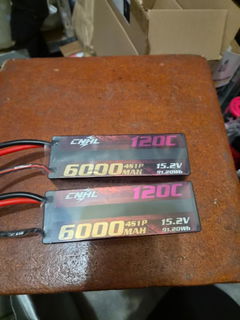
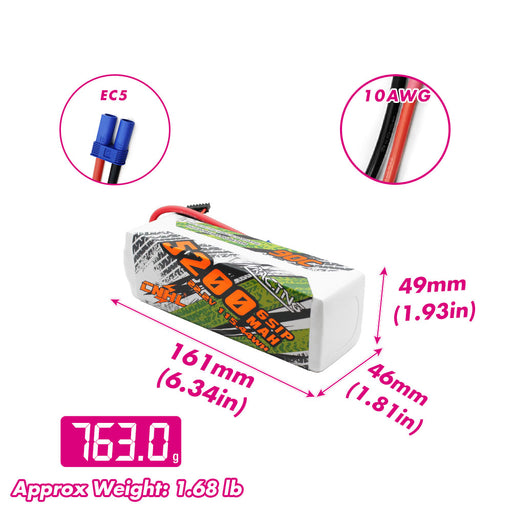
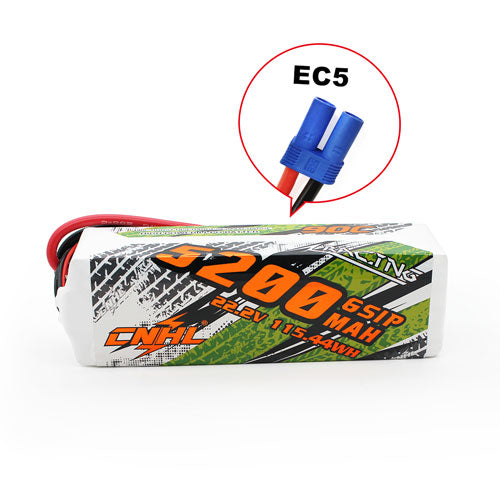
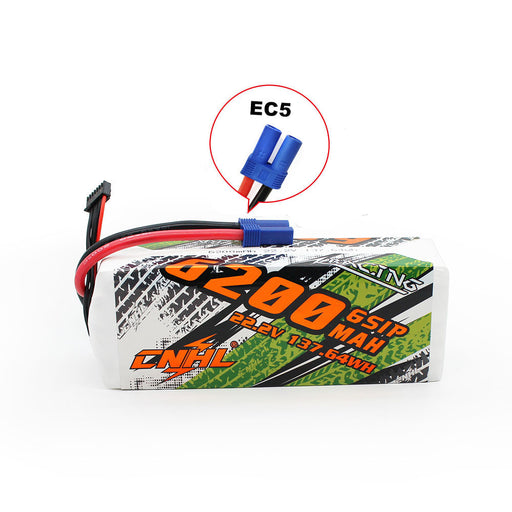
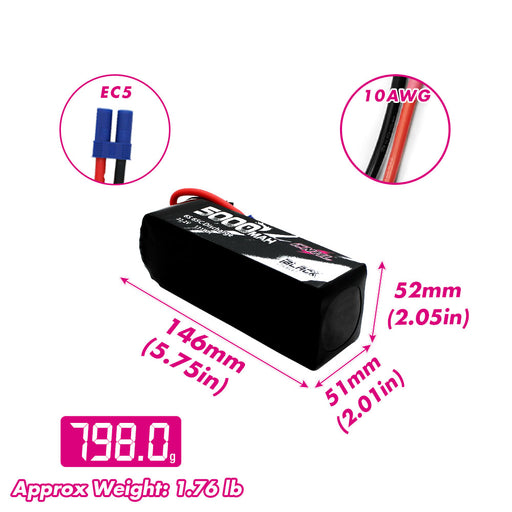
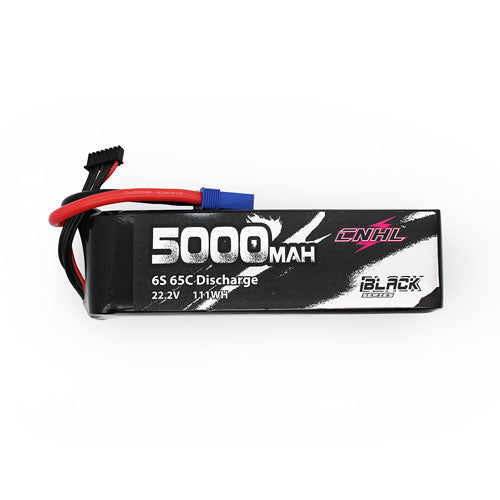
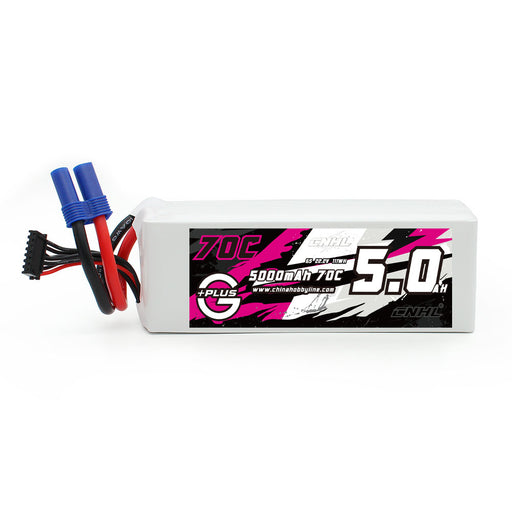
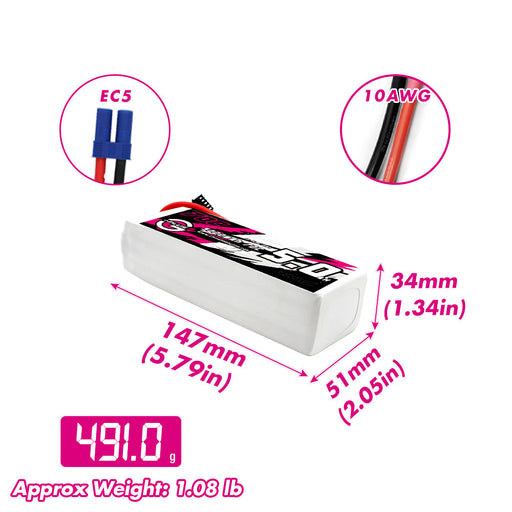
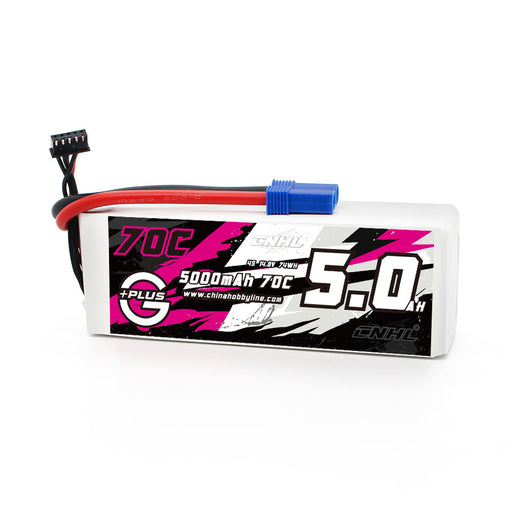
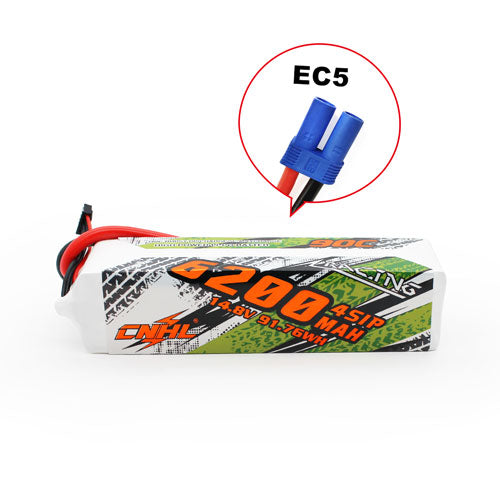
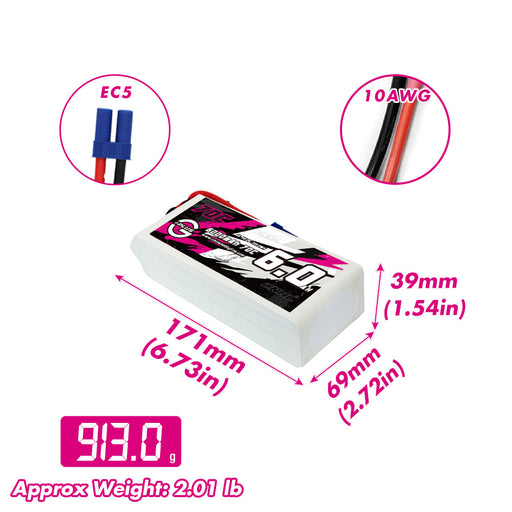
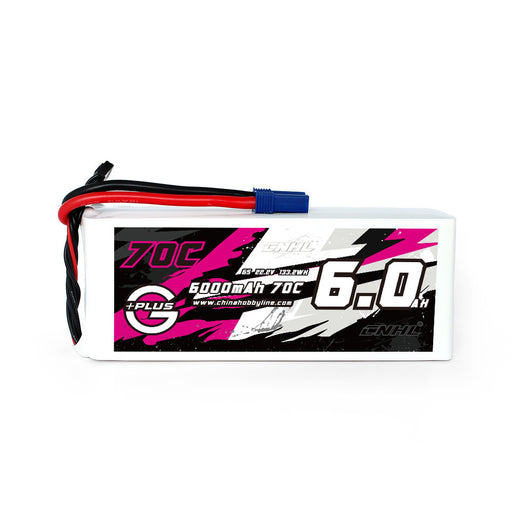
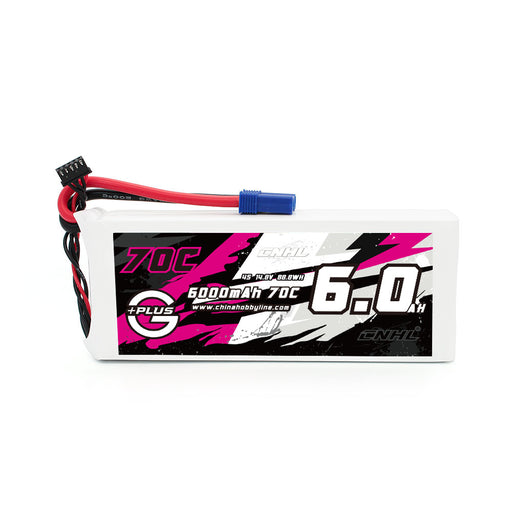
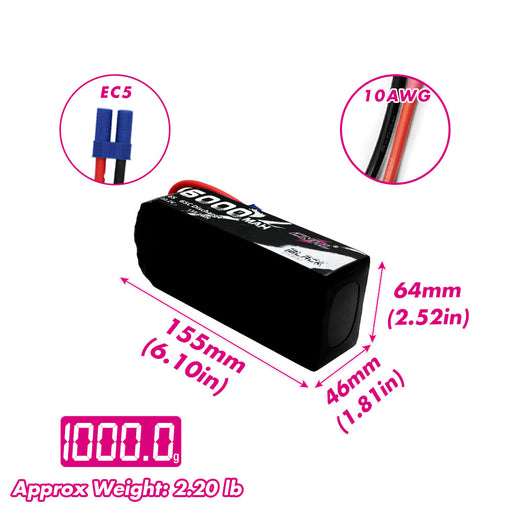
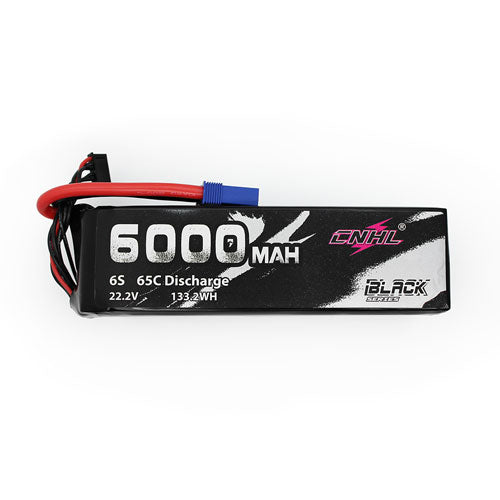
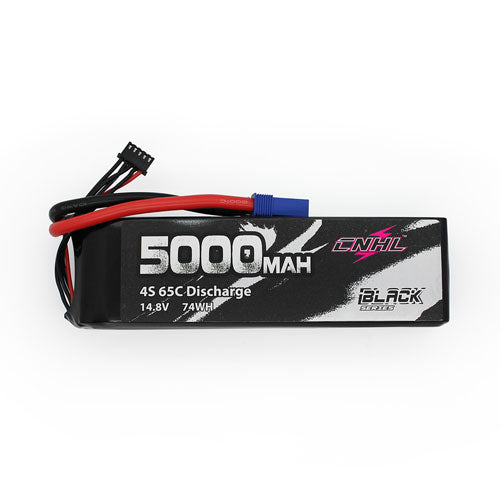
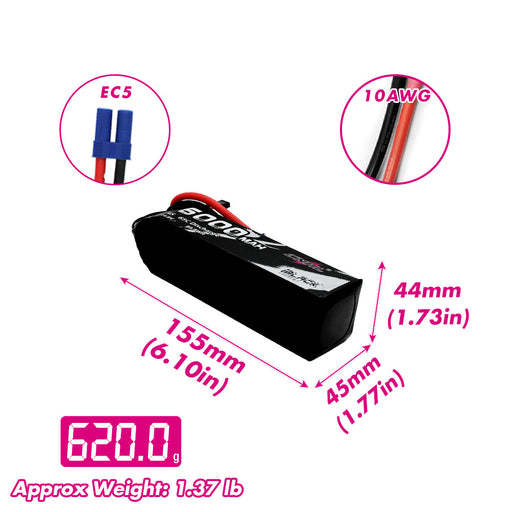
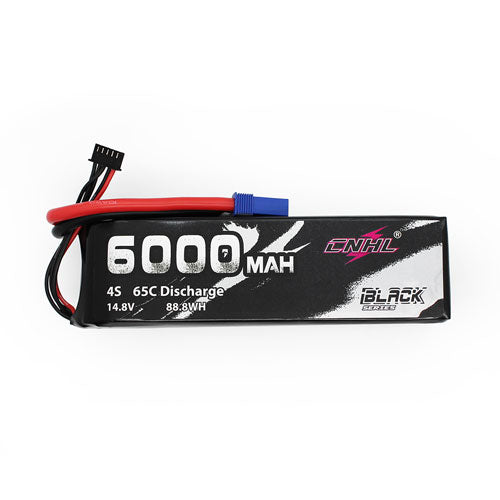
| Battery | 1x 6S 5000–6000mAh EC5 | 2x 4S 5000–6000mAh EC5 in series |
| Thrust/Weight | Lighter, agile hover, less margin | Higher thrust, stable hover with extra reserve |
| Play Style | Sport + light 3D, gear-off option | Full 3D, longer hover and advanced maneuvers |
| Pilot Profile | Intermediate, budget-conscious | Advanced, extreme 3D seekers |
Recommended CNHL LiPo Batteries
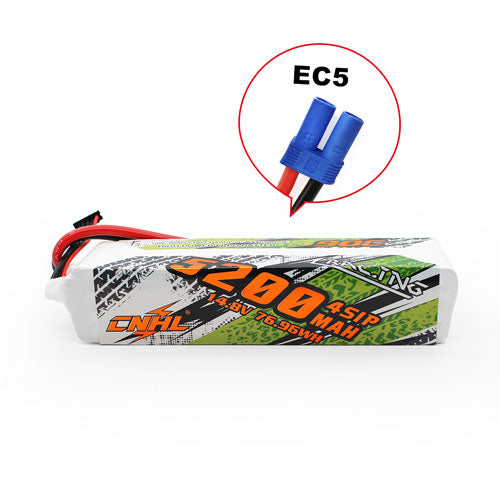
For the best results, use 5000–5200mAh CNHL packs with EC5 connectors. Both 6S and 8S Ares versions can hover, but the 8S provides greater thrust-to-weight ratio and confidence for demanding 3D sequences.
➤ For detailed flying setup, transmitter mixes, and tuning tips, visit our full guide here: Freewing Ares 3D EDF Jet Battery Guide