

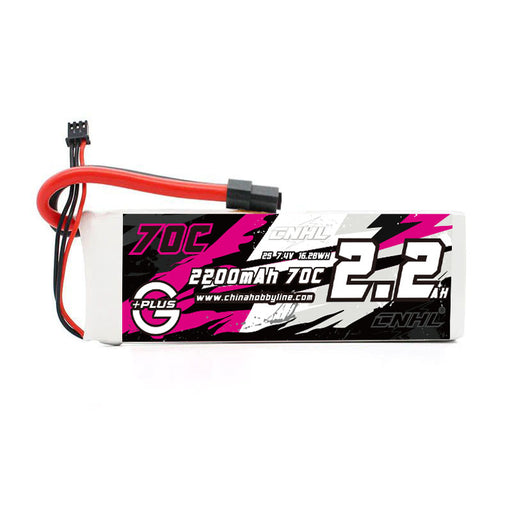


Quick Answer: Choosing the Right 2S Battery Style
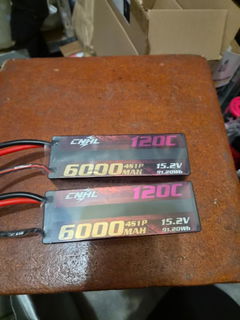
Most Reflex 14 owners end up choosing between two battery styles: a lighter pack that keeps the car agile and responsive, or a higher-capacity pack that extends runtime during longer sessions. Both options can work well as long as the battery installs cleanly and stays firmly secured in the chassis.
| Battery style | Driving feel | Best for | Trade-off |
|---|---|---|---|
| Lighter 2S pack | Sharper acceleration and quicker direction changes | Tight spaces, jumps, and precision driving | Shorter runtime |
| Higher-capacity 2S pack | Longer runtime and steadier pace | Driveway sessions, grass runs, longer bashing | Adds weight and slightly reduces agility |
Understanding the Reflex 14 Platform
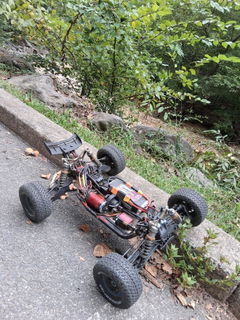
The Reflex 14B buggy and Reflex 14T truggy share the same basic chassis layout and drivetrain concept, with differences mainly in tires and body style. The Reflex 14MT is designed more for backyard bashing but follows the same compact 4WD philosophy. In all cases, the goal is stable 2S power delivery and a battery that fits securely without stressing the wiring or hold-down system.
Installation Note for Larger Runtime Packs
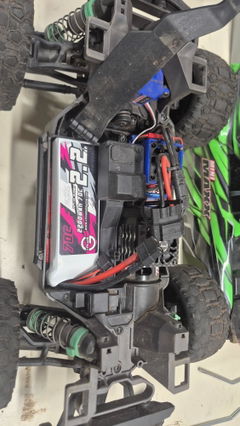
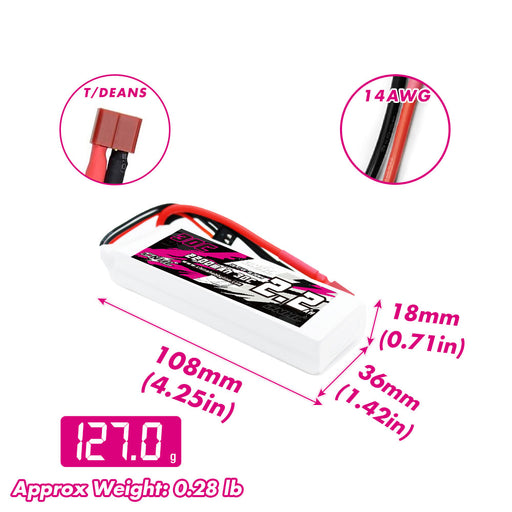
The original battery tray on the Reflex 14 platform is commonly referenced around 100 × 30 × 20mm. Many owners experimenting with longer-runtime packs use small mounting adjustments so the battery sits flat and secure inside the chassis.
Common approaches include trimming a small section of the tray edge or using Velcro mounting to help hold the battery firmly in place. These adjustments are widely discussed in the Reflex community and are typically simple, reversible setup tweaks.
Common Reflex 14 Setup Tweaks
Beyond battery selection, many drivers experiment with small setup tweaks to improve reliability and keep the chassis clean during runs. These changes are not required but are frequently mentioned by owners.
- Velcro mounting for more flexible battery positioning
- Light body sealing to reduce dust entering the chassis
- Checking gear mesh to prevent drivetrain noise
- Experimenting with spur gear size for different acceleration feel
Common Reflex 14 Issues and Fixes
| Symptom | Possible cause | First thing to check | Prevention |
|---|---|---|---|
| Clicking after a run | Dust or debris in drivetrain area | Clean gears and inspect mesh | Seal chassis openings and clean regularly |
| Noisy drivetrain | Gear mesh slightly off | Re-check spur and pinion alignment | Routine mesh inspection |
| Battery shifting during jumps | Battery not seated flat | Reposition battery and tighten hold-down | Use a consistent securing method |
FAQ
Can the Reflex 14 run 3S batteries?
The stock Reflex 14 electronics are designed around 2S LiPo. Running 3S is generally not recommended unless the electronics have been upgraded accordingly.
What battery size fits the Reflex 14 tray?
The commonly referenced battery tray size is around 100 × 30 × 20mm, though many drivers experiment with slightly different setups depending on how the battery is secured.
Why does my Reflex 14 make a clicking sound?
Clicking is usually related to drivetrain debris or slightly incorrect gear mesh. Cleaning and checking mesh typically resolves the issue.
Does a larger battery hurt handling?
Higher-capacity packs add weight and may reduce agility slightly, but they extend runtime significantly. Many drivers keep both lighter and longer-runtime packs for different situations.
Which is better: Reflex 14B or 14T?
Both share the same platform. The main differences come from body design and tire setup, so driving style and surface preference usually determine the choice.
Related Guides
If you want to learn more about how the Reflex 14 platform behaves in real-world use, including the differences between the buggy, truggy, and monster truck versions, see the guide below:
Team Associated Reflex 14 Series: real owner setup notes and common upgrades
For a broader look at batteries used across different RC car platforms, you can also explore: