





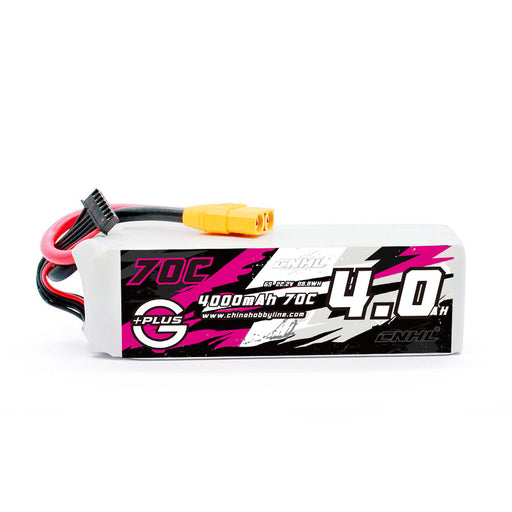

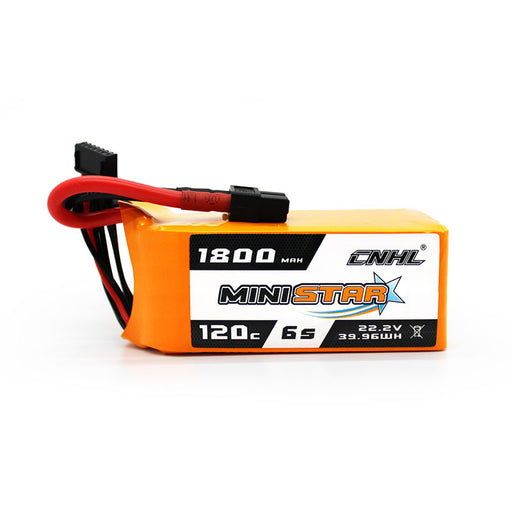

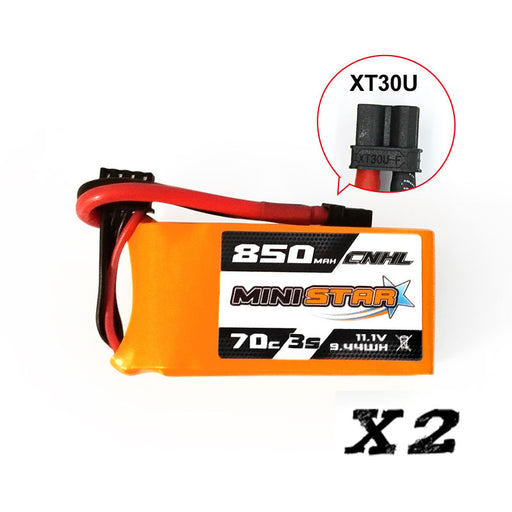

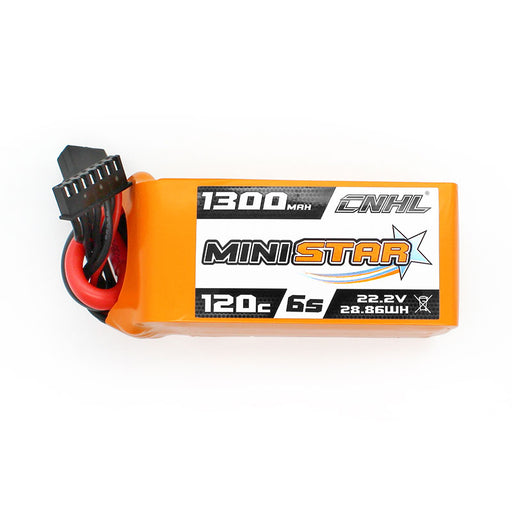


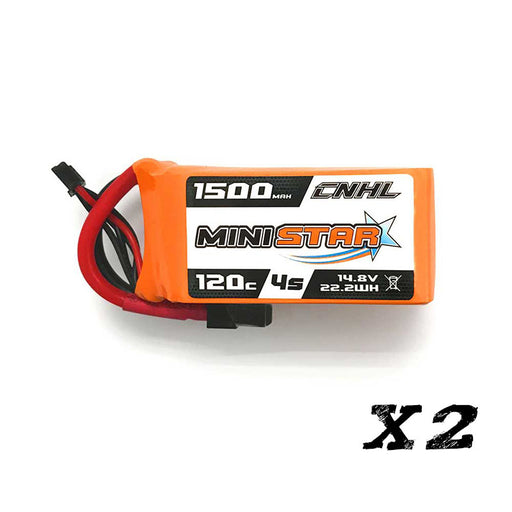

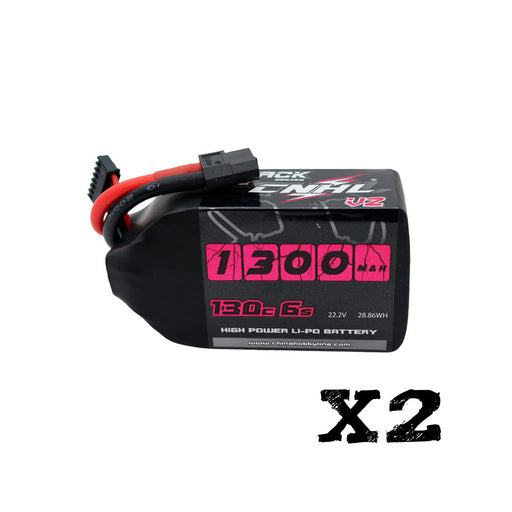

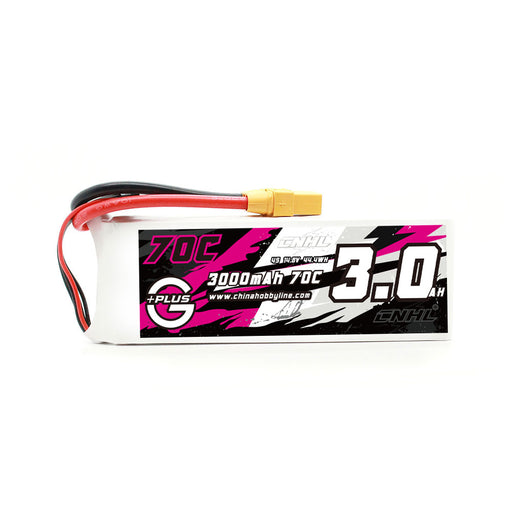


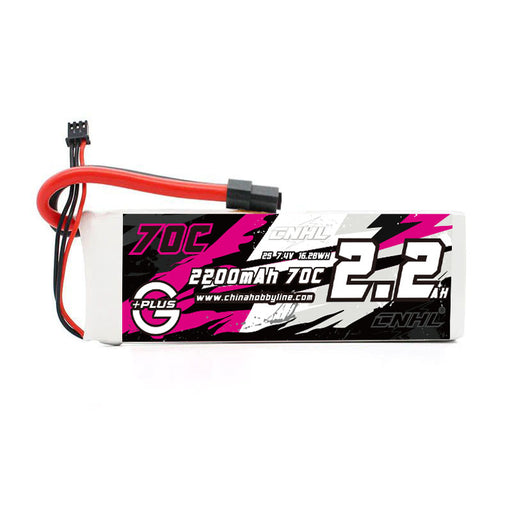




















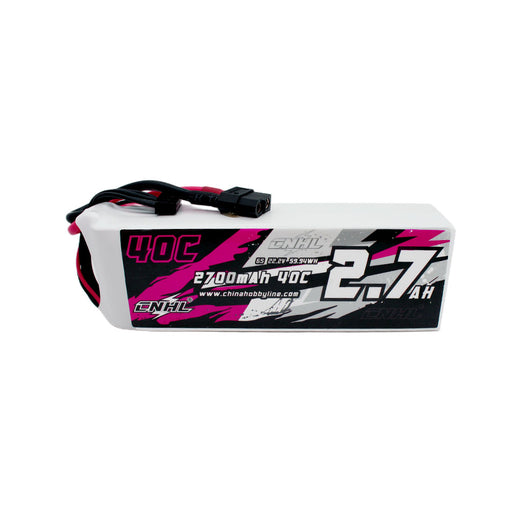
How to choose the right battery for an iFlight FPV drone
Short answer: the right iFlight FPV drone battery depends on the platform category first. A 5-inch freestyle quad, a 7-inch long-range drone, a small cinewhoop, and a larger cinelifter may all come from iFlight, but they do not share one universal battery standard.
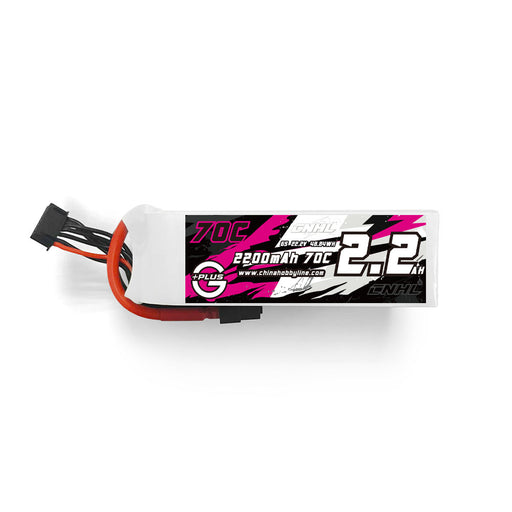
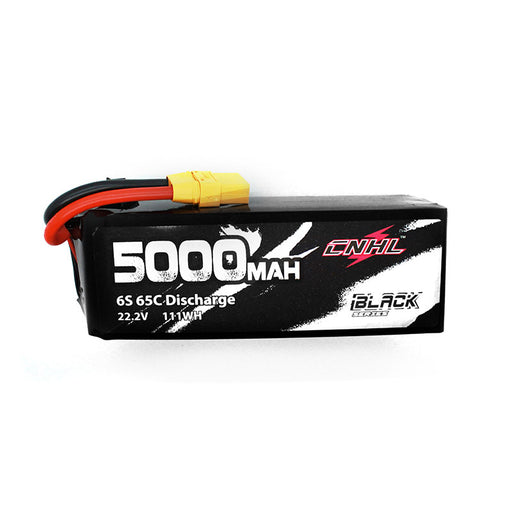
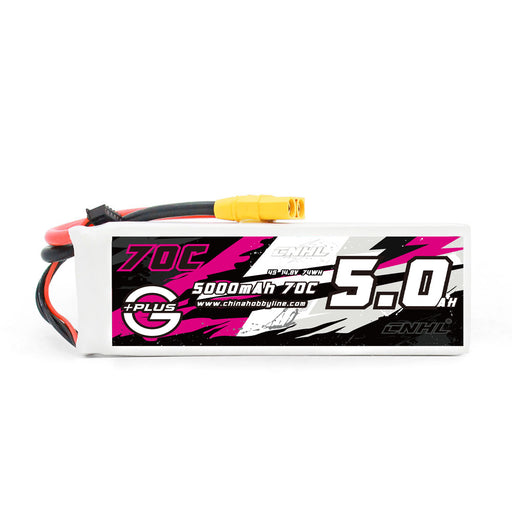
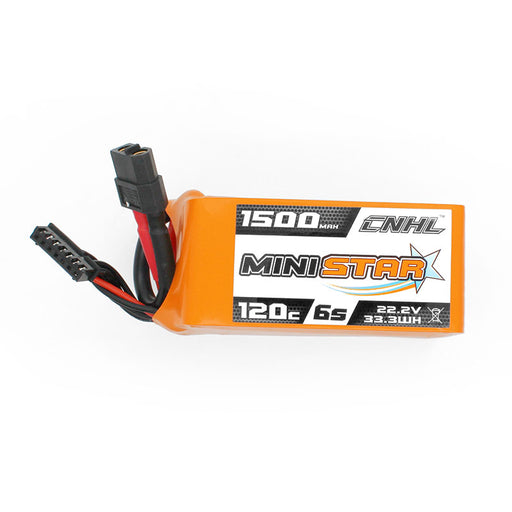
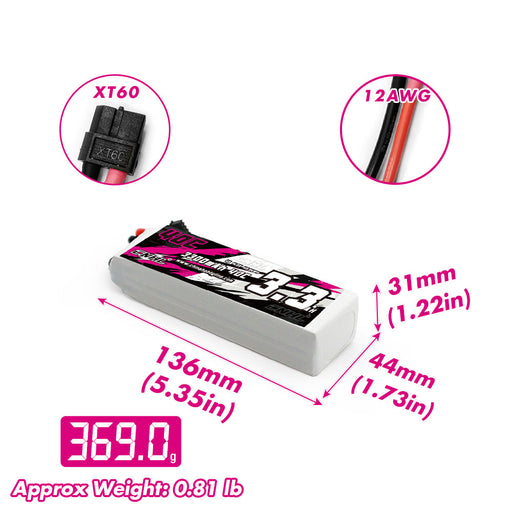
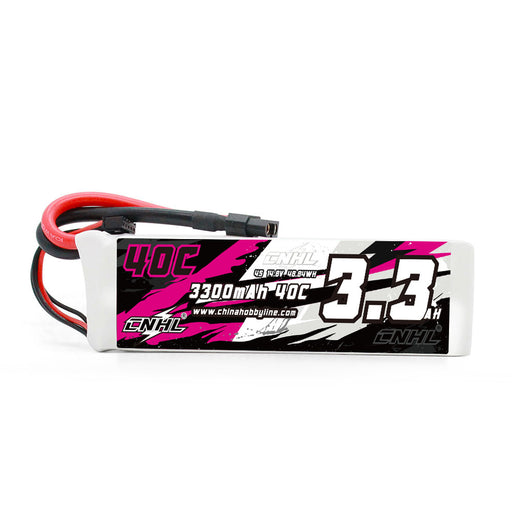
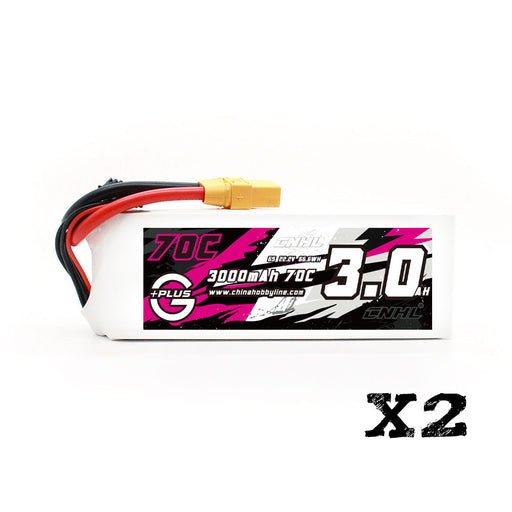
That is why this collection is built as a brand-level entry page rather than a one-answer page. Many pilots search for “iFlight battery” as a starting point, but what they really need is a way to narrow the choice by aircraft type. In practice, the battery decision usually comes down to five things: voltage, capacity, connector, physical size, and flying purpose.
If the drone is a compact FPV platform, battery weight becomes a major part of flight feel. If it is a 5-inch freestyle machine, throttle response and punch usually matter more than maximum endurance. If it is a 7-inch long-range setup, larger capacity becomes much more relevant because the whole point of the aircraft is smoother cruising, longer route planning, and better use of modern digital FPV systems.
Why iFlight batteries should be chosen by series, not by brand name alone
iFlight has a broad FPV lineup. Under the same brand, you can find smaller Defender platforms, mainstream Nazgul and Nazgul Evoque builds, longer-range Chimera and SH CineLR models, camera-oriented SH CineFlow setups, and even larger aircraft built for heavier payloads. That range is exactly why a general “one battery for iFlight” idea does not work well.
For example, the battery logic behind a Nazgul Evoque F7 O4 6S HD is very different from the battery logic behind a smaller cinewhoop or micro-style platform. The larger 7-inch aircraft is built to carry more battery mass, cruise longer, and take advantage of its frame size. A smaller platform may become overweight or feel compromised if the same battery direction is applied blindly.
That is also why a strong brand-level collection page should organize the topic, then guide users into more specific sub-collections. The role of this page is to help visitors understand the iFlight ecosystem, then move naturally toward the battery setup that actually fits their drone.
Main iFlight FPV categories and battery direction
| iFlight platform type | Typical series | Battery direction | Best suited for |
|---|---|---|---|
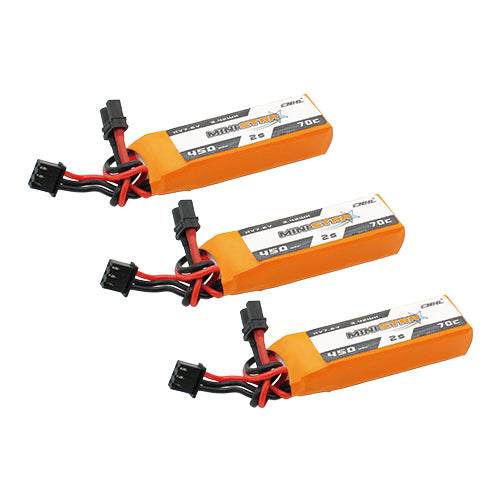
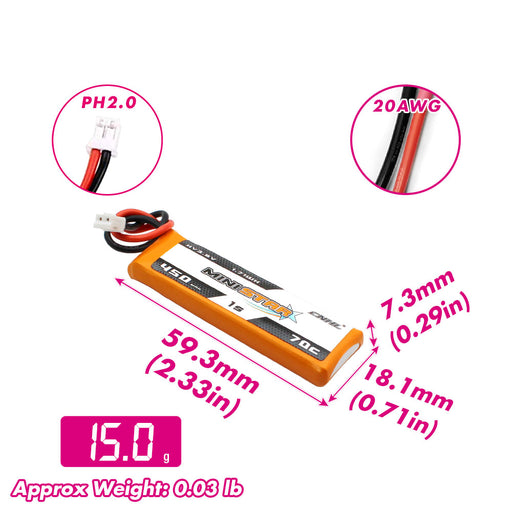
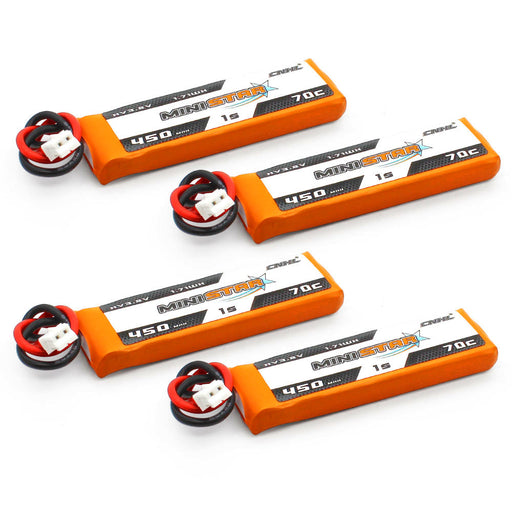
| Micro / tiny FPV | Small Defender-type platforms | Lightweight small-capacity packs | Indoor flying, micro FPV, light recreational use |
| Small cinewhoop / compact HD | Defender, compact CineFlow-style builds | Light to mid-size packs matched for balance | Smooth filming, small outdoor spaces, portable HD flying |
| 5-inch freestyle FPV | Nazgul, Nazgul Evoque, Mach R5, ECO series | Compact high-performance LiPo packs | Freestyle, fast acceleration, agile outdoor FPV |
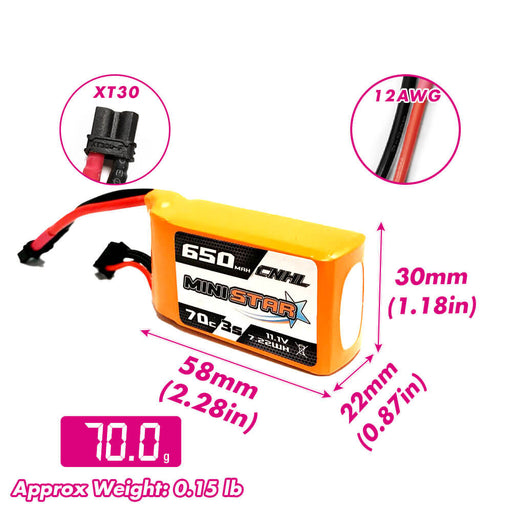
| 7-inch long-range FPV | Nazgul Evoque F7, Chimera, SH CineLR, Specter-type builds | Higher-capacity 6S LiPo or endurance-focused setups | Long-range cruising, cinematic flying, mountain and open-area routes |
| Larger heavy-lift / cinelifter | Taurus and larger payload-oriented platforms | Model-specific larger battery setups | Heavy cameras, larger payload work, specialized use |
The most common battery mistake iFlight buyers make
The most common mistake is assuming that the word “iFlight” is enough information to choose a battery. It is not. The brand tells you the manufacturer, but it does not tell you what the aircraft actually needs. The size of the propellers, the voltage system, the type of connector, the motor setup, and the intended flying style all have more practical value when choosing a pack.
The second common mistake is focusing only on capacity. A bigger battery can increase flight time, but it also adds weight, changes the center of gravity, affects responsiveness, and can turn a balanced build into a sluggish one. That matters even more in FPV, where battery choice changes not just how long the aircraft stays in the air, but how it feels every second it is flying.
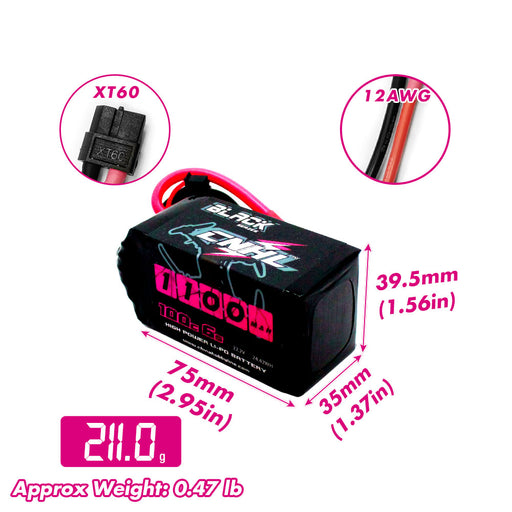
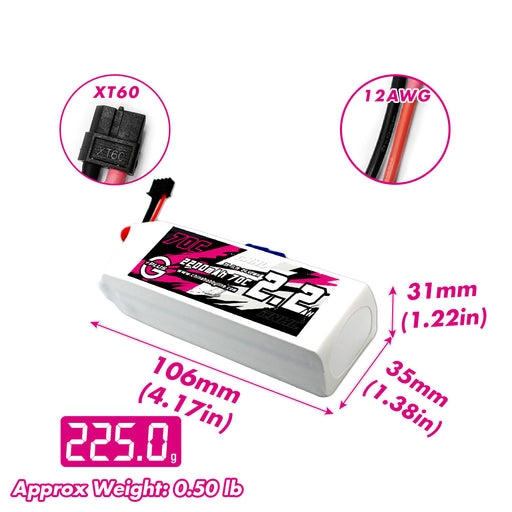
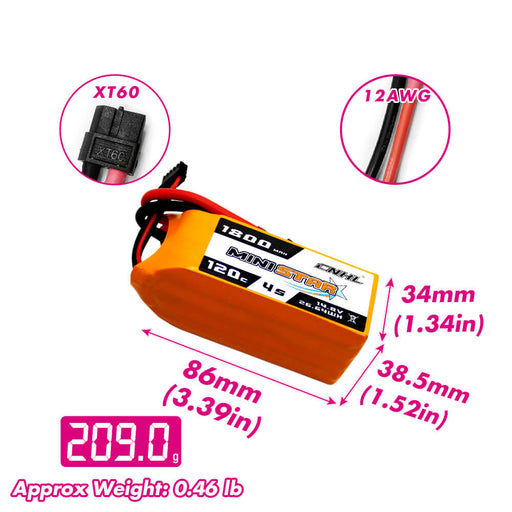
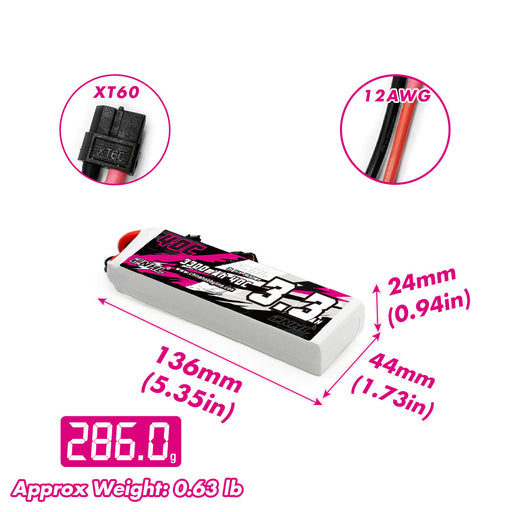
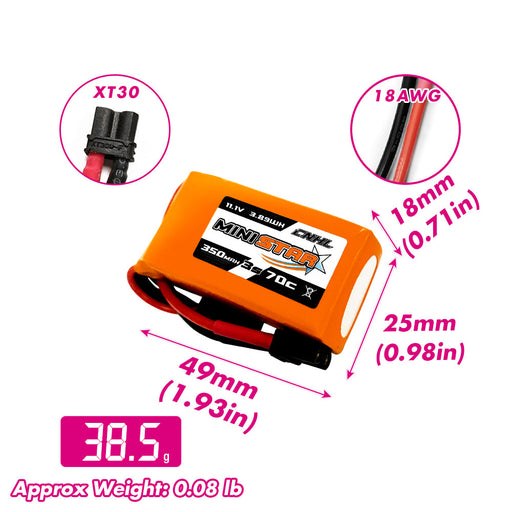
The third mistake is ignoring connector fitment. Not every battery with the right voltage is a true plug-and-fly match. Pilots should always confirm connector type, wire layout, battery dimensions, and strap clearance before assuming a pack is a practical option.
Best battery direction for iFlight 5-inch and 7-inch FPV drones
For many buyers, the most useful split inside the iFlight lineup is the difference between 5-inch and 7-inch platforms. These two groups often attract similar buyers, but the battery logic is not the same.
Most 5-inch iFlight freestyle drones are selected for quick response, punch, and agility. In that class, pilots usually want a lighter and more performance-focused battery setup. The goal is to keep the aircraft lively and responsive rather than pushing for maximum endurance.
Most 7-inch iFlight FPV drones, by contrast, are chosen for longer flights, cleaner scenic footage, and wider outdoor routes. That makes larger capacity more relevant. A well-matched higher-capacity 6S pack gives the aircraft more time in the air and usually fits the intention of the platform much better.
If you are shopping specifically for the larger Nazgul long-range build, see the dedicated guide for the best battery for iFlight Nazgul Evoque F7 O4 6S HD. If you are still comparing general FPV pack options, the broader FPV drone batteries and 6S LiPo for FPV collections are also useful next steps.
Why this iFlight collection matters for SEO and real buyers
From an SEO point of view, this collection helps organize a broad search space that would otherwise be scattered across individual model pages. From a buyer point of view, it solves a different problem: it gives structure. Instead of landing on a battery page and wondering whether it fits some other iFlight aircraft, visitors can start here, understand the platform logic, and then move to the right battery direction with much more confidence.
That structure becomes even more useful as more iFlight sub-collections are added. A strong parent collection can support model-specific pages for Nazgul, Chimera, Defender, CineFlow, CineLR, or other iFlight series while keeping the whole cluster connected.
FAQ
What is the best battery for an iFlight FPV drone?
There is no single best battery for all iFlight FPV drones. The correct choice depends on the platform type, voltage system, connector, battery size, and whether the drone is built for freestyle, cinewhoop flying, long-range cruising, or heavy-lift work.
Do all iFlight drones use the same battery?
No. iFlight has a wide product range, and different drone families use very different battery setups. A small compact FPV drone and a 7-inch long-range platform do not share the same battery needs.
Are Nazgul and Chimera batteries interchangeable?
Not automatically. Some models may sit in a similar voltage class, but battery fitment still depends on exact model size, connector, weight tolerance, and intended flight style. Always confirm the specific aircraft before choosing a pack.
What battery type is usually more relevant for iFlight 7-inch FPV drones?
Higher-capacity 6S battery setups are usually more relevant for 7-inch iFlight FPV drones because those aircraft are often built for longer-range or more cinematic flying. The exact capacity still depends on the model and the pilot’s priorities.
Is this page also about iFlight Blitz F7 or Beast F7?
Not directly. Blitz F7 and Beast F7 usually refer to iFlight flight controllers, AIO boards, or stack components rather than complete FPV drones. Battery choice for those names depends on the finished custom build, not the electronics name alone.
Where should I start if I only know my drone is an iFlight?
Start by identifying the drone family first: micro, cinewhoop, 5-inch freestyle, 7-inch long-range, or larger heavy-lift platform. Once that is clear, battery matching becomes much more accurate and much less confusing.