



























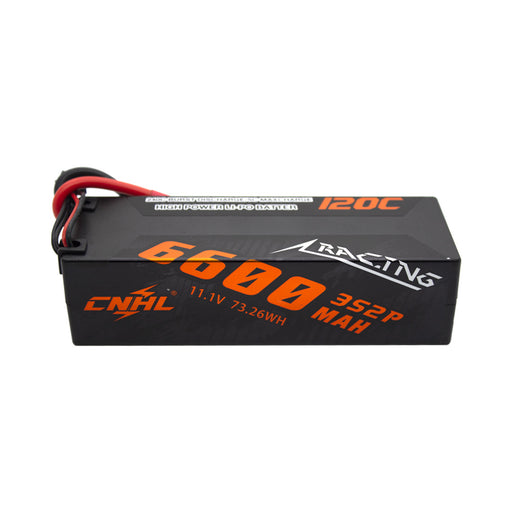

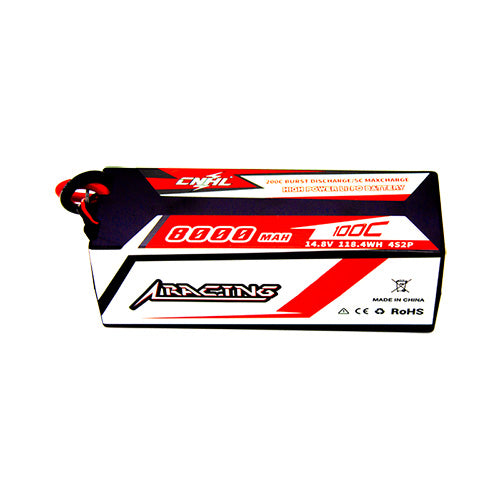

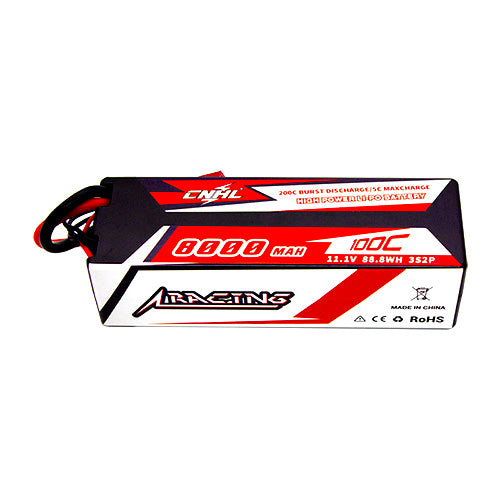

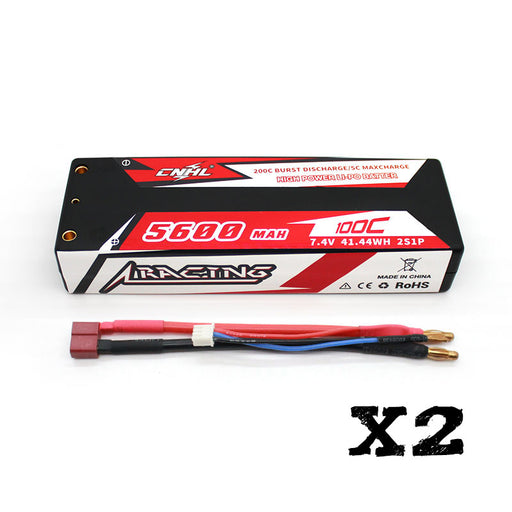




How to choose a LiPo battery for Kyosho RC cars
The best battery for a Kyosho RC car depends on the exact model. Kyosho covers a wide range of vehicles, from compact on-road cars and club-level platforms to serious 1/8 electric racing buggies. A battery that works well in one Kyosho car may be completely wrong for another if the voltage, case size, connector, or weight layout does not match.
For that reason, this Kyosho RC car battery collection should be treated as a starting hub rather than a one-size-fits-all answer. Before choosing a CNHL battery, check your Kyosho vehicle’s required voltage, battery tray dimensions, ESC rating, plug type, and whether the car uses a single-pack or split-pack layout.
Kyosho battery fitment is different by platform
Kyosho electric RC cars do not all use the same battery style. Some platforms use a simple single 2S or 3S pack. Some touring and on-road cars may need a low-profile or shorty hardcase battery. Race buggies can require a more specific setup, especially when battery placement is part of the chassis tuning system.
The Kyosho Inferno MP11e is a good example. It does not use one large 4S pack like many casual 1/8 electric vehicles. Instead, it is designed around two matched 2S packs in a split battery layout. That changes the whole battery conversation: size, weight, pack matching, wire routing, and left-right balance matter just as much as capacity.
Recommended Kyosho battery categories
| Kyosho platform type | Common battery direction | What to check first |
|---|---|---|
| 1/8 electric racing buggy | Two matched 2S hardcase packs or race-specific 4S setup depending on chassis design | Battery tray layout, race rules, pack matching, connector routing, and chassis balance. |
| 1/10 on-road or Fazer-style cars | Usually 2S LiPo, sometimes 3S depending on ESC and drivetrain support | Tray dimensions, connector type, ESC voltage rating, and body clearance. |
| 2WD or 4WD race buggy platforms | 2S shorty hardcase LiPo or LiHV packs | Shorty length, case height, weight placement, and race legality. |
| Vintage or re-release Kyosho kits | Usually lower-voltage 2S setups or carefully selected modern LiPo alternatives | Original tray shape, motor/ESC upgrade status, connector, and drivetrain strength. |
| Brushless upgrade builds | 2S, 3S, or 4S depending on conversion parts and ESC rating | Motor KV, ESC limit, gearing, heat, drivetrain durability, and battery dimensions. |
Kyosho Inferno MP11e battery guide
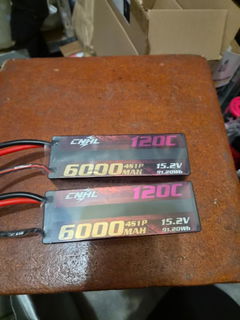
If you are building the Kyosho Inferno MP11e 1/8 4WD Off-Road Electric Buggy Kit, battery choice should be more precise than a normal 1/8 basher setup. The MP11e uses a split 2S layout, so the best approach is two matching 2S shorty or mid-size hardcase packs. For CNHL recommendations selected around this chassis, visit the dedicated LiPo Battery for Kyosho Inferno MP11e 1/8 Electric Buggy Kit collection.
The MP11e is a useful reminder that battery fitment is not only about voltage. In a split-pack race buggy, the battery becomes part of the setup. Two matched packs help keep left-right balance, throttle response, and chassis behavior more predictable. Mixing one shorty pack with one mid-size pack is not the recommended approach for race use because it may create uneven side weight and inconsistent pack behavior.
2S LiPo batteries for Kyosho race cars
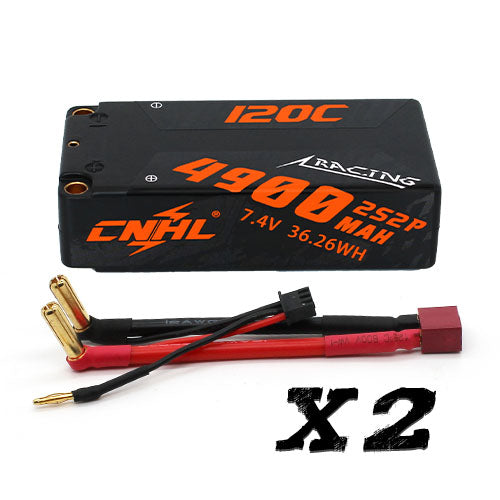
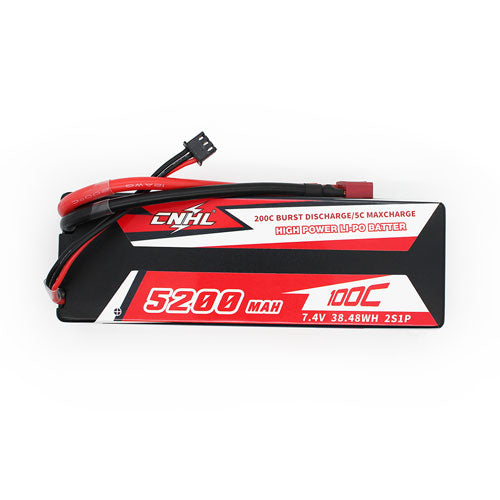
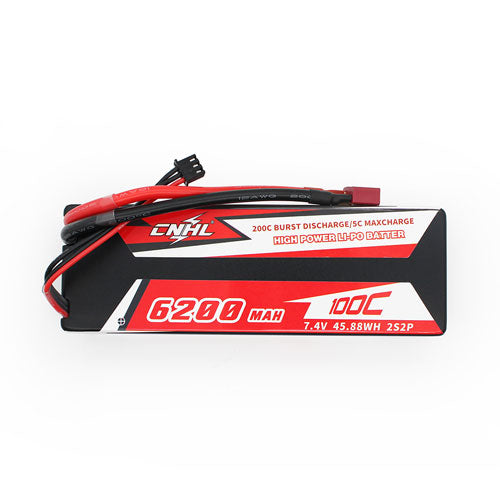
Many Kyosho race cars and club-level platforms use 2S LiPo batteries. For serious racing, hardcase construction is usually preferred because it protects the pack better under impact, vibration, jumps, and chassis movement. Shorty 2S packs are especially common when the car is designed around adjustable battery placement or a compact tray.
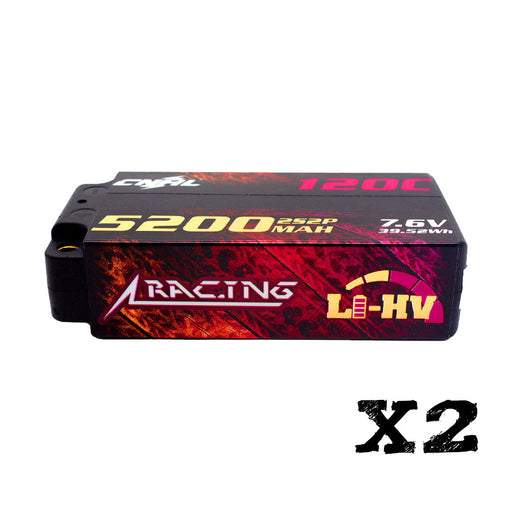
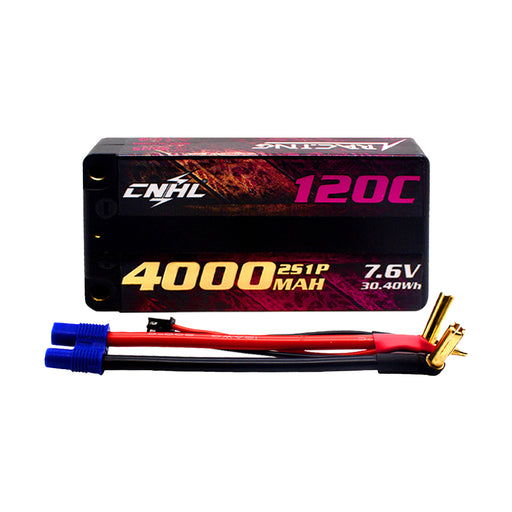
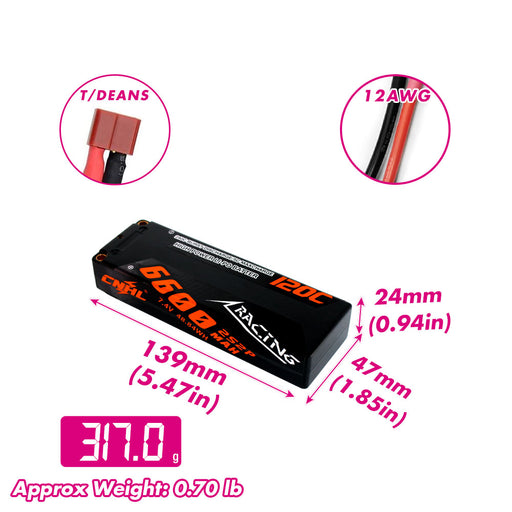
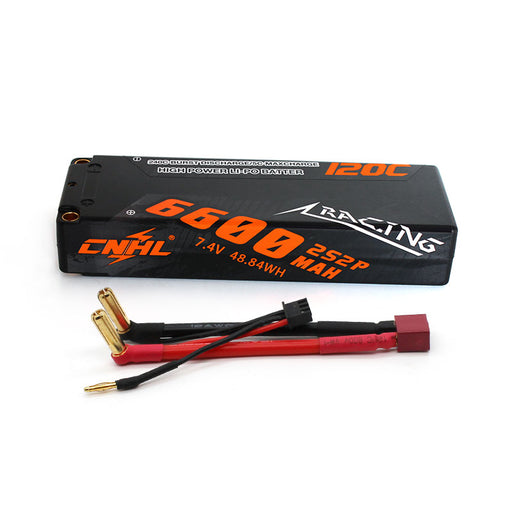
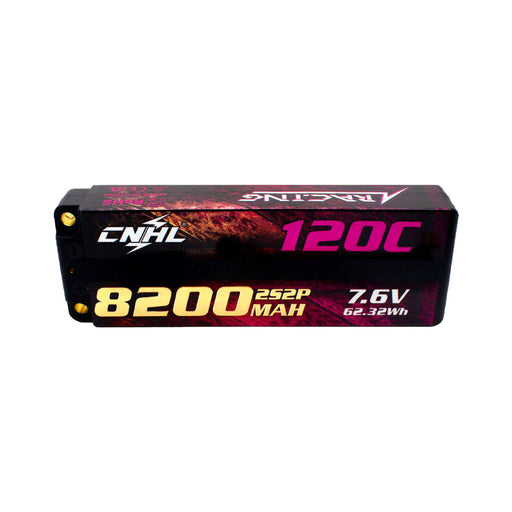
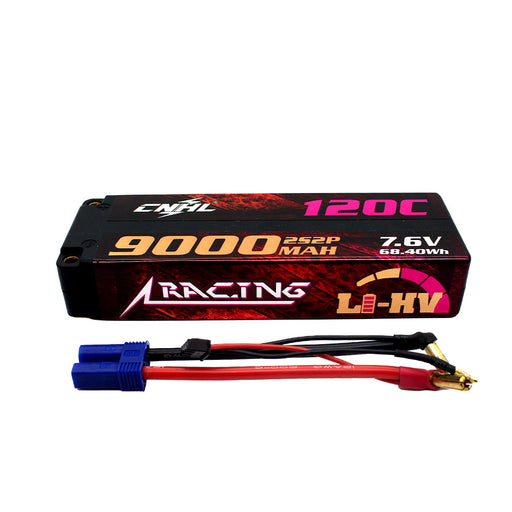
CNHL 2S shorty packs are useful for Kyosho platforms where battery size, pack height, and weight distribution matter. Standard 7.4V LiPo batteries are familiar and easy to manage, while 7.6V LiHV packs can offer a sharper charged-voltage feel when used with a LiHV-compatible charger and allowed by local race rules.
3S and 4S battery choices for Kyosho brushless builds
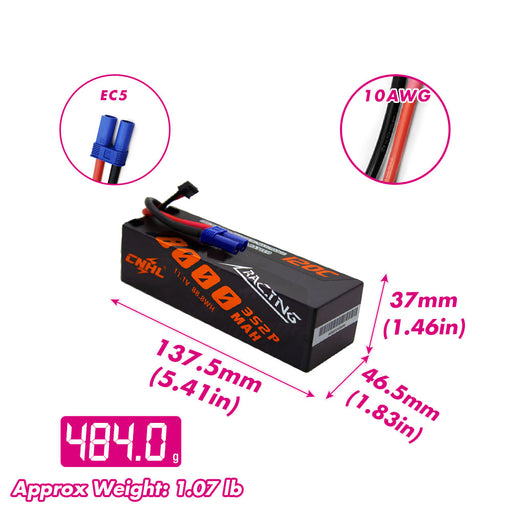
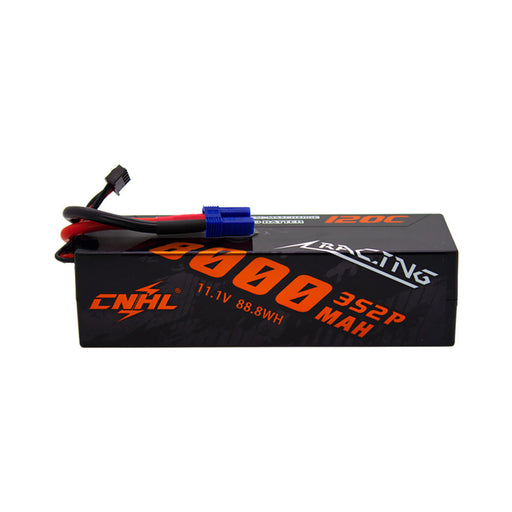
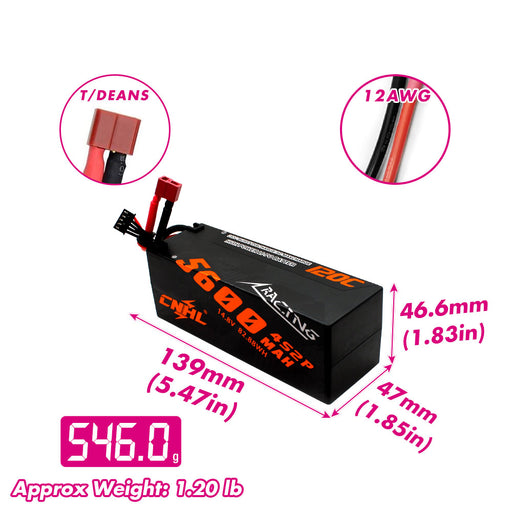
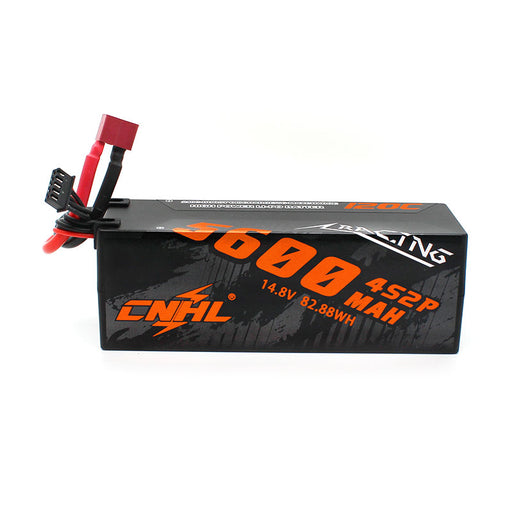
Some Kyosho brushless cars and upgraded builds may support 3S or 4S power, but this must be checked carefully. Higher voltage does not automatically mean a better setup. More power can increase heat, stress driveline parts, reduce traction, and make the car harder to drive if the motor, ESC, gearing, and tires are not matched correctly.
For Kyosho owners upgrading from a mild setup to a stronger brushless system, start by confirming the ESC voltage limit and battery tray size. Then consider how much runtime, punch, and weight you actually need. A slightly lighter pack that fits cleanly and keeps the car balanced can feel better than a larger pack that adds too much mass or makes wiring awkward.
Connector notes for Kyosho RC car batteries
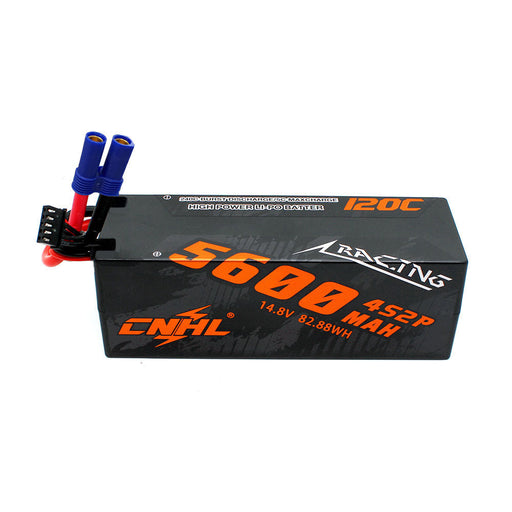
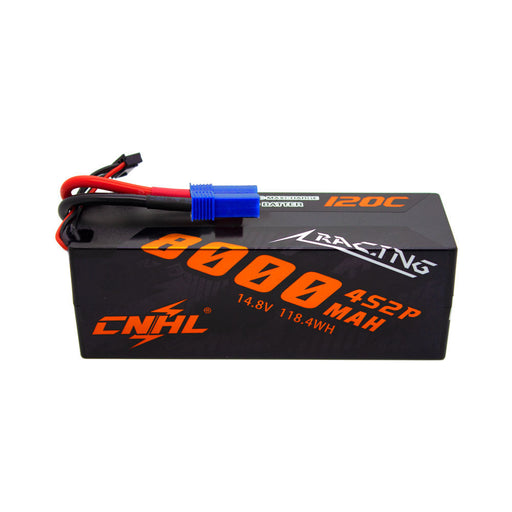
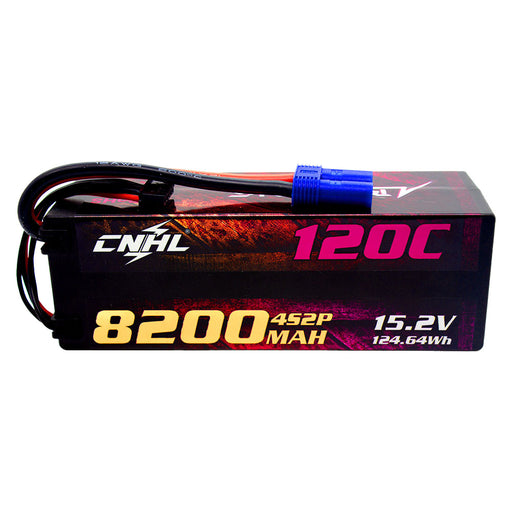
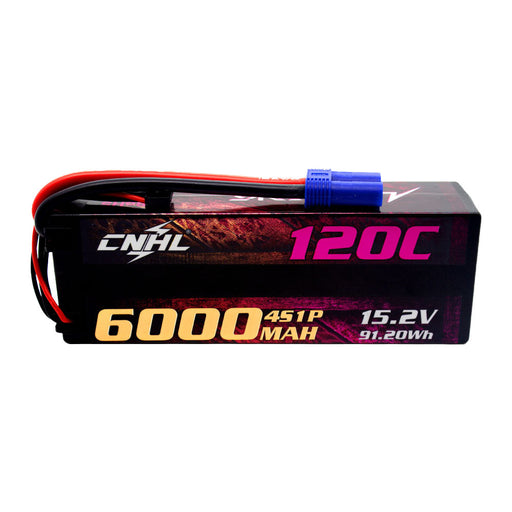
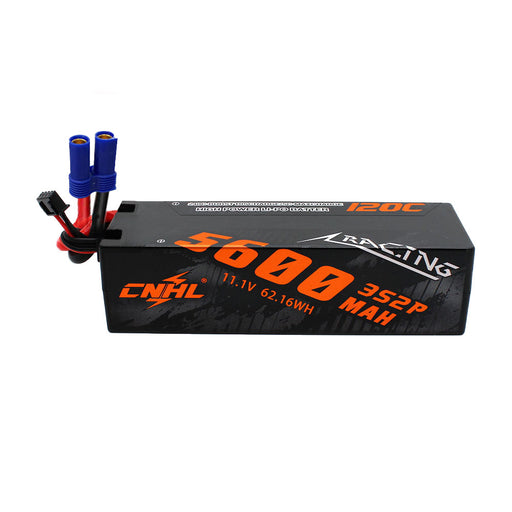
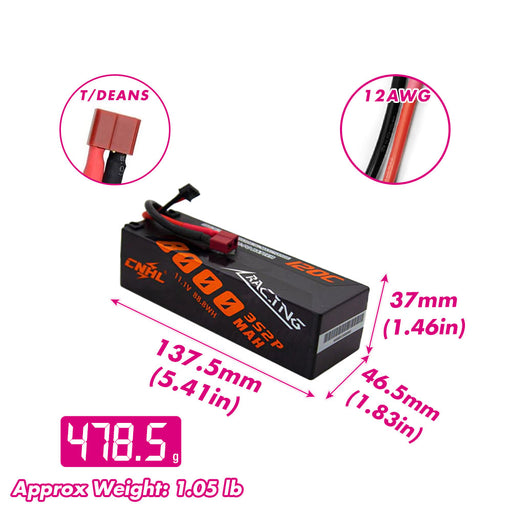
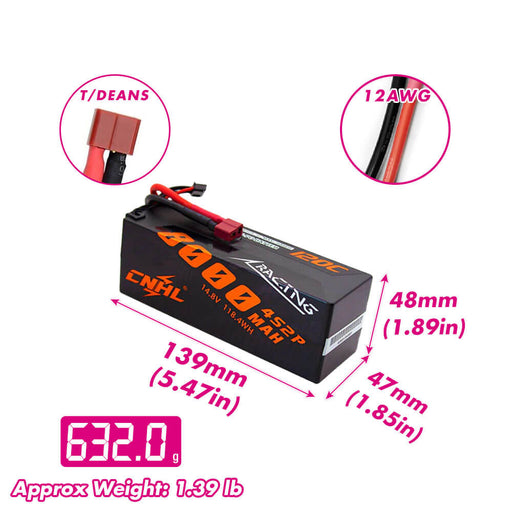
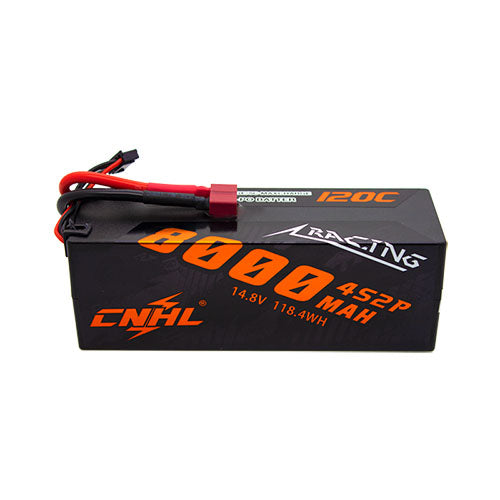
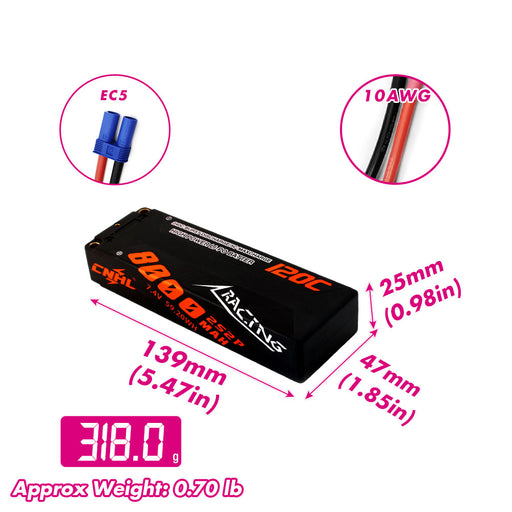
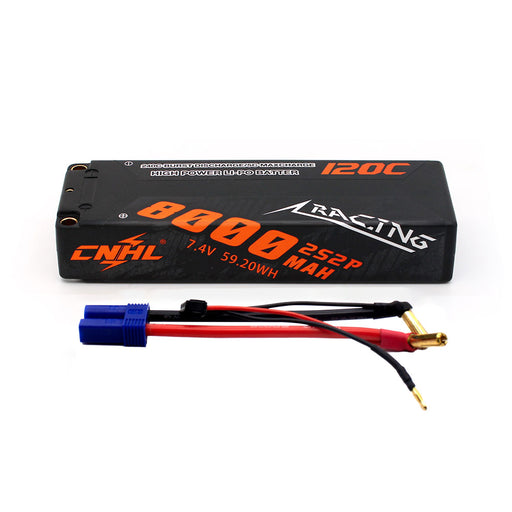
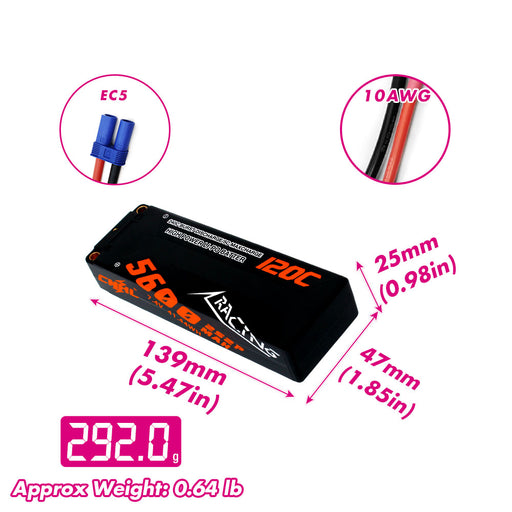
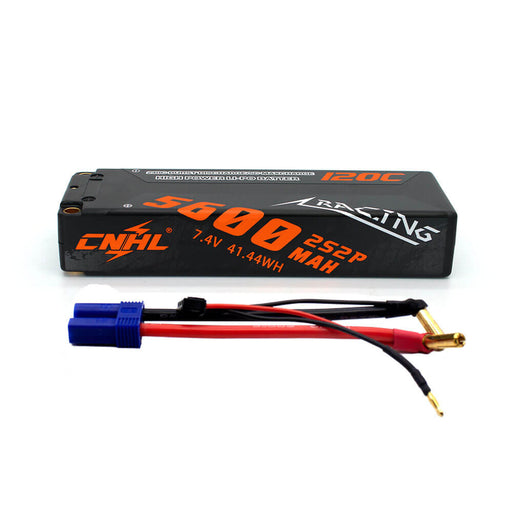
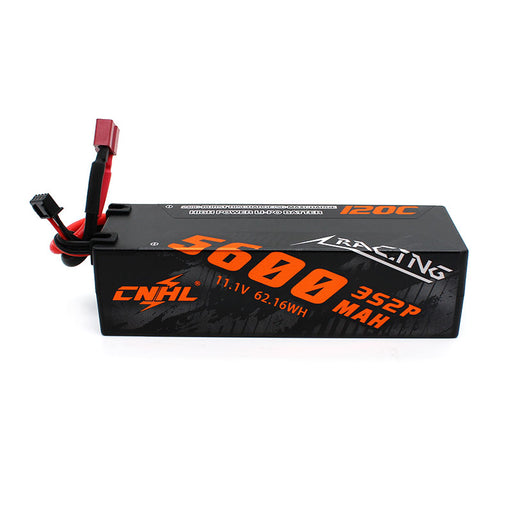
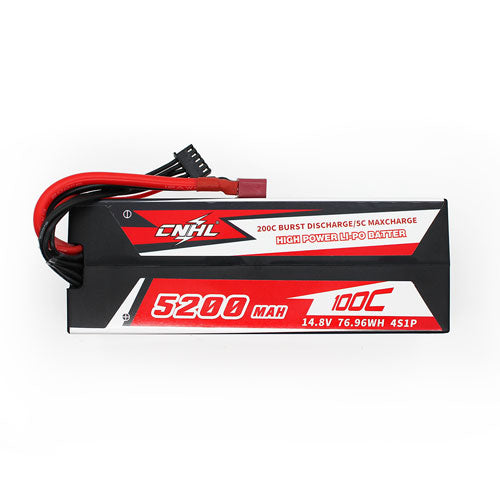
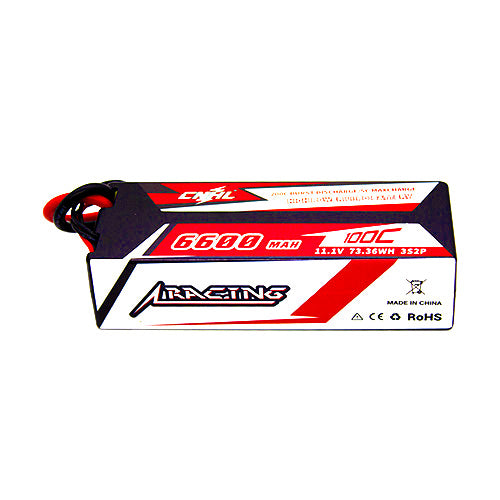
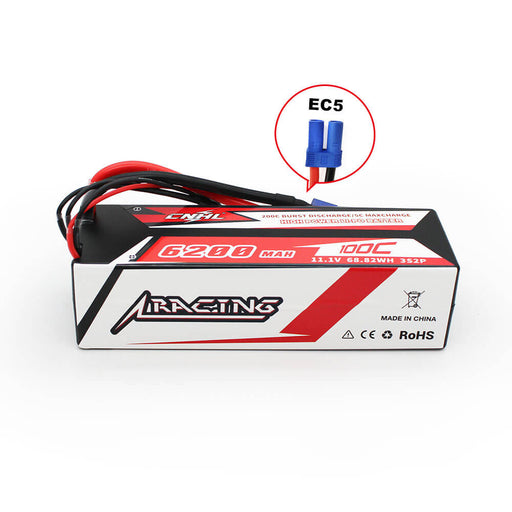
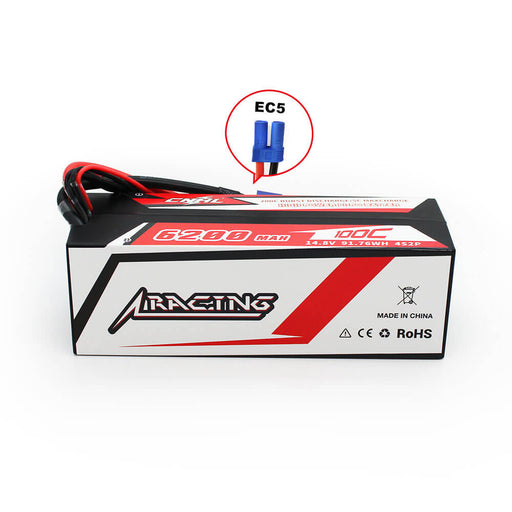
Kyosho vehicles may use different connector setups depending on model, region, electronics package, or owner upgrades. CNHL car batteries are available with connectors such as EC3, EC5, XT60, XT90, and T Plug depending on the product. The right connector is the one that matches your ESC safely and fits cleanly inside the vehicle.
EC3 is often searched together with IC3, and EC5 is often searched together with IC5, but connector fitment should always be checked against the actual ESC and battery lead in your car. For race cars, a clean soldered connector solution is usually better than relying on a bulky or loose adapter that may interfere with battery placement or body clearance.
LiHV batteries for Kyosho race setups
LiHV batteries can make sense for Kyosho race builds when the charger, ESC, and race rules support them. A 2S LiHV pack is rated at 7.6V nominal instead of 7.4V nominal for standard 2S LiPo, and it can provide a stronger charged-voltage window when charged correctly in LiHV mode.
That does not mean every Kyosho driver should automatically choose LiHV. Some race classes may have strict voltage limits. Some drivers prefer standard LiPo because it is familiar and easier to manage. Before running LiHV, check your charger settings, race rules, and how the extra voltage feel affects traction, gearing, and motor temperature.
Kyosho battery selection checklist
| Check point | Why it matters |
|---|---|
| Voltage | Must match the ESC, motor setup, drivetrain strength, and race rules. |
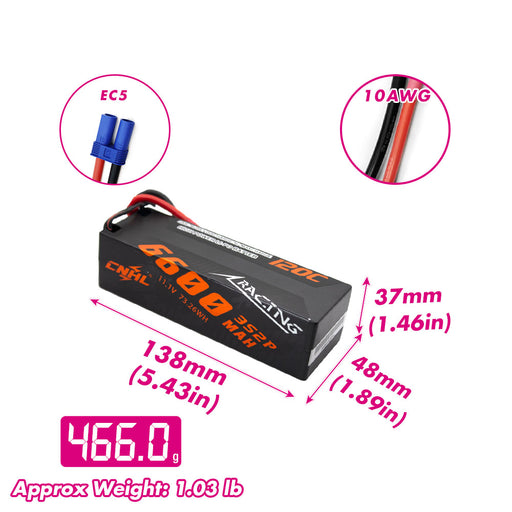
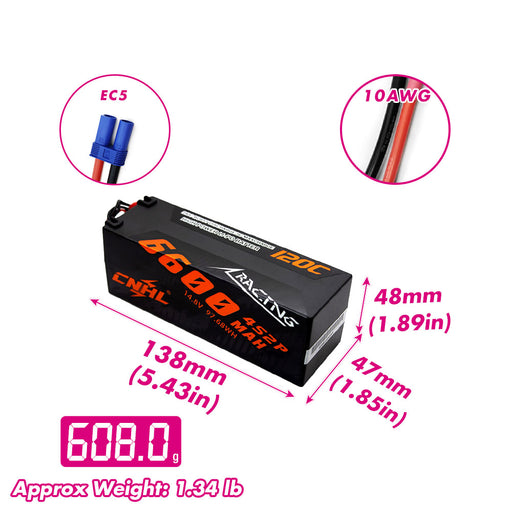
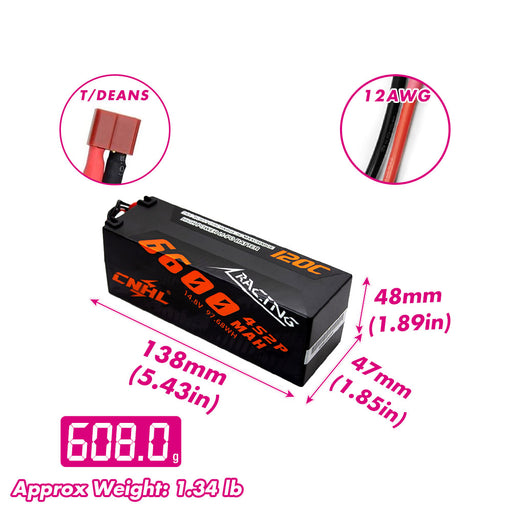
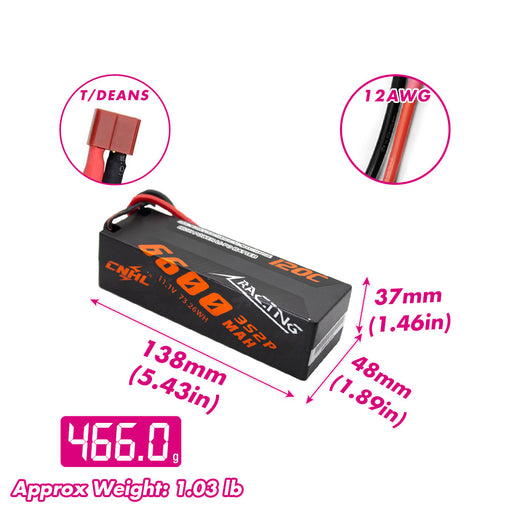
| Battery dimensions | A pack that is too long, tall, or wide may not fit the tray or may interfere with wiring and body clearance. |
| Hardcase or soft pack | Hardcase packs are usually preferred for RC cars, especially off-road and race use. |
| Connector type | The connector should match the ESC safely and allow clean wire routing inside the chassis. |
| Weight | Battery weight affects steering, traction, jumping, rotation, and overall chassis balance. |
| Matched packs | Important for split-pack cars such as the Kyosho Inferno MP11e, where one battery sits on each side of the chassis. |
Why a Kyosho parent battery collection is useful
A Kyosho parent battery collection helps organize model-specific battery pages under one clean brand structure. Instead of forcing every Kyosho owner into one generic battery recommendation, this page gives search engines and users a clear hub: Kyosho RC car batteries first, then specific vehicle pages underneath.
This structure is especially useful for SEO because Kyosho owners often search by brand first, then by model. A user may search “Kyosho battery,” “Kyosho RC car battery,” “Kyosho Inferno battery,” or “Kyosho MP11e battery” before deciding which pack to buy. A parent page can capture broader Kyosho battery intent, while model-specific pages handle exact fitment and conversion.
Explore related CNHL RC car battery collections
For a wider selection of car packs, visit the main CNHL RC car battery collection. If you are looking specifically for 2S racing packs, you can also browse CNHL 2S LiPo batteries. For Kyosho MP11e owners, the most relevant model-specific page is the LiPo Battery for Kyosho Inferno MP11e 1/8 Electric Buggy Kit collection.
You can also read the related blog guide here: Kyosho Inferno MP11e Review: Why This 1/8 Electric Buggy Is More Than an MP11 Conversion.
FAQ
What battery does a Kyosho RC car use?
It depends on the Kyosho model. Some Kyosho RC cars use a single 2S LiPo, some may support 3S, and race-focused platforms like the Inferno MP11e can use two matched 2S packs in a split layout. Always check the vehicle manual and battery tray size before choosing a pack.
Are CNHL LiPo batteries suitable for Kyosho RC cars?
Yes, CNHL LiPo batteries can be suitable for many Kyosho RC cars when the voltage, size, connector, discharge rating, and case style match the vehicle. For race cars and off-road cars, hardcase packs are usually the preferred option.
Do Kyosho RC cars need hardcase LiPo batteries?
Many Kyosho RC car setups are better served by hardcase LiPo batteries, especially off-road buggies, race cars, and higher-power brushless builds. Hardcase construction helps protect the pack from impact, vibration, and chassis movement.
Can I use a higher-voltage battery in my Kyosho car?
Only if your ESC, motor, drivetrain, and vehicle manual support it. Higher voltage can increase speed and punch, but it also adds heat and stress. Do not install a 3S or 4S battery in a Kyosho car unless the electronics are rated for that voltage.
What battery should I use for the Kyosho Inferno MP11e?
The Kyosho Inferno MP11e is designed around two matched 2S hardcase packs in a split layout. For selected CNHL options, visit the dedicated LiPo Battery for Kyosho Inferno MP11e 1/8 Electric Buggy Kit collection.
Is LiHV good for Kyosho RC racing?
LiHV can be useful for Kyosho racing setups when allowed by rules and supported by your charger. It can provide a stronger charged-voltage feel, but standard LiPo may still be the better choice for drivers who want simpler charging or must follow strict race voltage limits.
Do EC3 and IC3, or EC5 and IC5, matter for Kyosho battery selection?
Connector choice matters because the battery must connect safely to the ESC and fit cleanly in the chassis. EC3 is often discussed alongside IC3, and EC5 is often discussed alongside IC5, but always check the exact connector and wiring on your Kyosho vehicle before choosing or modifying a battery.