
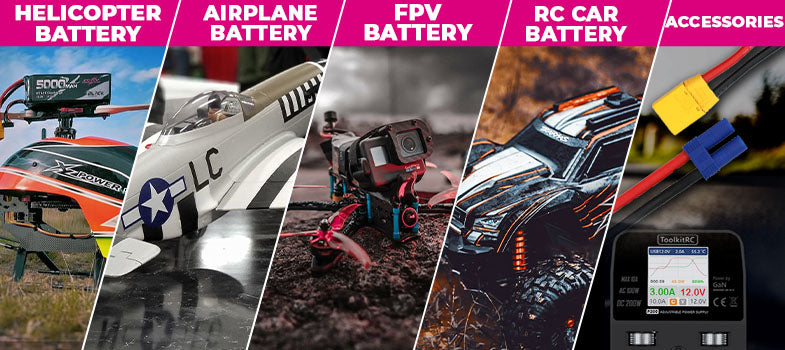
CNHL Lipo Batteries
CNHL aim at providing high-quality Li-Po batteries and RC products to all hobby enthusiasts with excellent customer services and competitive prices
The Team Associated Reflex 14 series includes three closely related 1/14-scale brushless RC cars — the Reflex 14B buggy, Reflex 14T truggy, and Reflex 14MT monster truck. All three share the same core chassis platform but deliver slightly different driving experiences depending on tire size and body style.
Because of that shared platform, many of the conversations around these cars quickly move beyond the bodies and tires and focus on setup details: battery runtime, small mounting tweaks, drivetrain noise, and the kinds of adjustments owners experiment with after a few weeks of running.

At its core, the Reflex 14 lineup is built around a compact 1/14 scale 4WD chassis designed for brushless power and casual off-road use. The cars are small enough to run almost anywhere, yet powerful enough that they feel much faster than their size suggests.
The three versions mainly differ in body style and tire setup rather than the underlying mechanical layout.
| Model | Type | Typical Use |
|---|---|---|
| Reflex 14B | Buggy | Track-style driving and precise control |
| Reflex 14T | Truggy | Mixed terrain and backyard running |
| Reflex 14MT | Monster Truck | Bashing and rougher terrain |
Once drivers spend time with them, the biggest difference usually comes down to tire size and body clearance. The buggy tends to feel more precise, while the truggy and monster truck versions handle rough ground more comfortably.
The buggy version is typically the most agile. With smaller tires and a lower stance, it reacts quickly to steering input and feels the most “track-ready.” Drivers who enjoy tighter driving lines often prefer this version.
The truggy version keeps the same chassis but adds slightly larger tires and more ground clearance. This makes it easier to drive on rough surfaces such as dirt, gravel, or uneven grass.
The monster truck version is the most forgiving. Large tires absorb bumps and allow the truck to run over terrain that would slow the buggy down. Because of that, many casual drivers gravitate toward the MT version for backyard sessions.

| Battery Capacity | Typical Runtime | Driving Feel |
|---|---|---|
| 1500mAh | About 15 minutes | Light and responsive |
| 2200mAh | 20 minutes or more | Longer sessions with slightly more weight |
All three Reflex 14 models run on 2S LiPo batteries. Battery choice affects both runtime and how the car feels while driving, which is why battery size becomes a frequent topic among Reflex 14 owners.
For drivers interested in exploring battery options that fit this platform, a detailed guide can be found here:
Best LiPo Batteries for Reflex 14B, 14T and 14MT
One question that appears frequently among new Reflex 14 owners is the battery size. The platform uses a compact tray, which means battery dimensions can affect installation just as much as capacity.

| Specification | Typical Reference | Notes |
|---|---|---|
| Voltage | 2S LiPo (7.4V) | Standard setup for RTR electronics |
| Tray size | About 100 × 30 × 20 mm | Commonly referenced community measurement |
| Connector | T-Plug / Deans | Most RTR setups use this connector |
The stock battery tray reference is commonly described around 100 × 30 × 20 mm. Some drivers experimenting with longer-runtime packs use small mounting adjustments so the battery sits flat and secure. This is why many discussions online reference the Reflex 14 battery size when choosing replacement LiPo packs.
One interesting pattern that appears in Reflex 14 discussions is that many owners eventually experiment with different batteries after a few weeks of running the car. The stock configuration works well, but the small 1/14 scale chassis means battery choice can noticeably change how the vehicle feels on the ground.
Some drivers prefer keeping the car as light as possible. Smaller 2S packs around the 1500mAh range keep the buggy or truggy feeling very responsive, especially on tighter surfaces where quick direction changes matter.
Others go in the opposite direction and look for longer runtime. Slightly larger 2S batteries can extend driving sessions significantly, which is useful for backyard running or casual bashing where drivers simply want more time between battery swaps.
Because the battery tray in the Reflex 14 platform is relatively compact, experimenting with different battery sizes sometimes involves small mounting adjustments. In community discussions this usually means repositioning foam pads, adjusting the hold-down strap, or lightly modifying how the battery sits inside the tray so it stays secure during driving.
For drivers looking for a small, fast, and relatively affordable off-road RC vehicle, the Reflex 14 series still represents a solid option. For battery options that fit this platform, see Best LiPo Batteries for Reflex 14B, 14T and 14MT.
That guide focuses on battery sizes commonly used by Reflex 14 owners and explains how different capacities can affect runtime and driving feel on this small but surprisingly fast platform.
After a few weeks of running the Reflex 14 platform, many drivers begin experimenting with small setup tweaks. These adjustments are not required for the car to work properly, but they frequently appear in community discussions as ways to improve runtime, durability, or driving feel.
Because the Reflex 14 chassis is compact, even small changes can make a noticeable difference. Owners often test different battery placements, experiment with body sealing to keep dust out, or adjust gearing depending on the type of terrain they drive on.
These tweaks are usually simple and inexpensive. In most cases they involve repositioning existing parts rather than replacing major components, which is one reason the Reflex 14 series remains popular among hobbyists who enjoy experimenting with their setup.
Below are some of the most commonly mentioned setup changes discussed among Reflex 14 drivers.
Battery mounting adjustments
Drivers experimenting with higher-capacity batteries sometimes adjust how the pack is secured. Popular approaches include using Velcro mounting or slightly modifying the battery tray so the battery sits flat and stays secure during driving.
Body sealing
Some owners place Velcro strips along the body edges to reduce the amount of dust and dirt entering the chassis. This simple change can help keep the drivetrain cleaner when driving on loose dirt or dusty tracks.
Spur gear experimentation
Another common tweak involves changing spur gear size. A larger spur gear typically improves acceleration while slightly reducing top speed. Drivers sometimes experiment with gearing depending on whether they run on tight tracks or open areas.
While the Reflex 14 platform works well in stock form, many owners eventually experiment with small modifications after gaining some driving experience. The checklist below summarizes a few of the most commonly discussed adjustments within the Reflex 14 community.
| Upgrade Area | Why Drivers Try It | Typical Result |
|---|---|---|
| Battery mounting | Fit larger capacity 2S batteries | Longer runtime between battery changes |
| Body sealing | Reduce dirt entering chassis | Cleaner drivetrain and easier maintenance |
| Spur gear swap | Experiment with gearing | Different acceleration and speed balance |
These changes are optional, but they illustrate how flexible the Reflex 14 platform can be for drivers who enjoy experimenting with setup adjustments.
| Issue | Possible Cause | Typical Fix |
|---|---|---|
| Clicking drivetrain noise | Debris in gears or incorrect mesh | Clean drivetrain and check mesh |
| Spur gear wear | Gear mesh too tight or loose | Adjust mesh properly |
| Battery movement | Loose hold-down | Reposition battery and secure firmly |
Within the small-scale brushless category, the Reflex 14 platform often gets compared with other popular options such as the Arrma Grom series, WLtoys brushless buggies, or newer micro-scale bashers. Each platform approaches the idea of a “small but fast” RC car slightly differently.
| Platform | Strength | Typical Audience |
|---|---|---|
| Reflex 14 Series | Balanced small-scale performance | Drivers who want compact but powerful RC |
| Arrma Grom | Durability and bashing focus | Backyard bashers |
| WLtoys brushless | Affordable speed | Budget hobbyists |
While the driving style varies, one thing these platforms have in common is the importance of battery choice. Runtime, weight, and fitment can significantly influence how the car behaves on small chassis designs.
Even though the Reflex 14 platform has been around for several years, it remains popular because it combines compact size with brushless power. Parts are widely available and the cars are simple enough that many owners enjoy experimenting with small setup changes.
For drivers looking for a small, fast, and relatively affordable off-road RC vehicle, the Reflex 14 series still represents a solid option.
Best LiPo Batteries for Reflex 14B, 14T and 14MT
Can the Reflex 14 run 3S batteries?
The stock electronics are designed around 2S LiPo. Running 3S typically requires upgraded electronics.
What battery size fits the Reflex 14 tray?
The commonly referenced tray size is around 100 × 30 × 20 mm, though different mounting setups may allow other batteries to fit.
Can larger 2S batteries fit the Reflex 14 platform?
Some larger 2S packs can be used, but on this compact chassis they may require minor mounting adjustments so the battery sits flat and secure.
Does changing battery size affect handling?
Yes. Lighter packs usually keep the car feeling more agile, while higher-capacity packs extend runtime but can add weight and slightly reduce responsiveness.
Why does the drivetrain make a clicking sound?
Clicking is often caused by debris in the gears or incorrect gear mesh.
Which is better: 14B or 14T?
Both share the same chassis. The difference mainly comes down to tires, body style, and terrain preference.
How long does the battery last?
Runtime depends on driving style and battery capacity, but many drivers report around 15–20 minutes per pack.
CNHL aim at providing high-quality Li-Po batteries and RC products to all hobby enthusiasts with excellent customer services and competitive prices

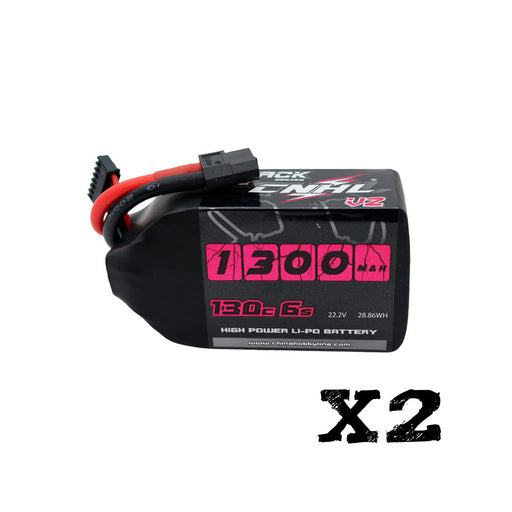
Quick Fit Check The 2 Packs CNHL Black Series V2.0 1300mAh 22.2V 6S 130C LiPo Battery with XT60 Plug is a strong fit for FPV pilots who want a prov...
View full detailsSpare Parts & Long-Term Support We know that for RC pilots, reliable spare parts support is an important part of keeping an aircraft fl...
View full details
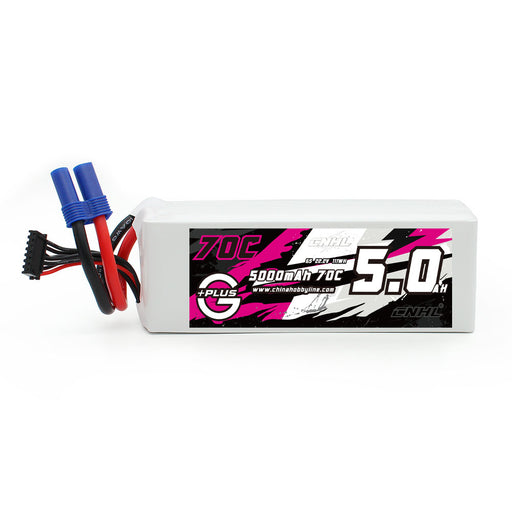
Specifications: Stock Number: 500706EC5 Capacity: 5000mAh Voltage: 22.2V / 6-Cell / 6S1P Discharge Rate: 70C Continual / 140C Burst Charge Rate: ...
View full details
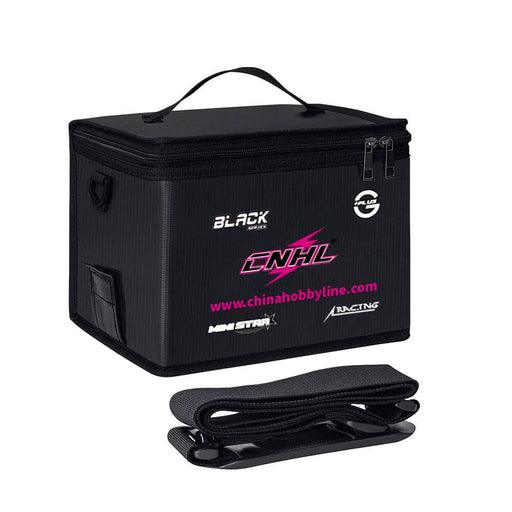
The CNHL LiPo Battery Bag is designed for safer LiPo charging, transport, and storage at home or at the field. It adds a practical layer of protect...
View full details

Quick Fit Check The 2 Packs CNHL Speedy Pizza Series Pro 1350mAh 6S 150C LiPo Battery with XT60 Plug is built for 5-inch FPV pilots who want a ...
View full details

Quick Fit Check The CNHL Speedy Pizza Series 2200mAh 22.2V 6S 120C LiPo Battery with XT60 Plug combines the familiar 2200mAh 6S format with a ligh...
View full details

Quick Fit Check The CNHL Speedy Pizza Series 2200mAh 14.8V 4S 120C LiPo Battery with XT60 Plug combines a widely used 2200mAh 4S format with a sli...
View full details

Quick Fit Check The CNHL Speedy Pizza Series 2200mAh 11.1V 3S 120C LiPo Battery with XT60 Plug takes the familiar 3S 2200mAh aircraft battery form...
View full details

The CNHL Long Range Series BAK 65E 6350mAh 21700 Li-ion battery cell is built around one clear priority: maximum stored energy from a lightweight c...
View full details

The CNHL Long Range Series BAK 50D 5000mAh 21700 Li-ion battery cell is designed for custom high-energy battery packs that need a strong balance be...
View full details

Leave a comment