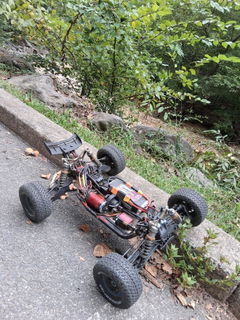
Hvad er en AC-LiPo-batterioplader?
En AC-LiPo-batterioplader er en RC-batterioplader, der kan få strøm fra en stikkontakt uden at kræve, at brugeren stiller en separat DC-strømforsyning med høj strømstyrke til rådighed. Afhængigt af opladerens design kan AC-strømforsyningen være indbygget i opladerens kabinet eller leveres som et aftageligt modul.
For mange RC-brugere er dette den enkleste opladningsløsning til et arbejdsbord derhjemme, i garagen, på værkstedet eller ved et racerløb. Tilslut opladeren til den korrekte regionale netspænding, tilslut batteriet og balanceledningen efter behov, vælg det korrekte batteriprogram og de korrekte ladeparametre, så håndterer opladeren selv AC-til-DC-konverteringen.
Hvem bør vælge en AC-RC-batterioplader?
En AC-drevet RC-oplader giver især mening, når bekvemmelighed er vigtigere end at opbygge et separat ladestrømsystem.
- RC-opladning derhjemme: Tilslut direkte til en ledig stikkontakt uden en separat DC-strømforsyning.
- RC-bilracere: Nyttig, hvor der er adgang til AC-strøm ved et pitbord eller på et værksted.
- Fly- og helikopterpiloter: Praktisk til klargøring af flybatterier før turen ud på flyvepladsen.
- Brugere med flere batteristørrelser: Programmerbare AC-opladere kan understøtte en lang række celleantal og ladestrømme.
- Alle, der ønsker en ryddeligere ladestation: Færre eksterne strømkomponenter kan gøre arbejdsbordet lettere at organisere.
AC-oplader kontra DC-oplader: Hvad er forskellen?
Den vigtigste forskel er opladerens indgangsstrømkilde. En AC-oplader kan bruge strøm fra hjemmets eller værkstedets lysnet direkte. En DC-oplader kræver en kompatibel ekstern DC-kilde, f.eks. en laboratoriestrømforsyning eller et andet egnet DC-strømsystem.
| Funktion | AC-oplader | DC-oplader |
|---|---|---|
| Strømkilde | Kompatibel stikkontakt til lysnettet | Ekstern DC-strømkilde |
| Opsætning | Normalt enklere | Kræver separat planlægning af indgangseffekten |
| Typisk anvendelse | Hjem, værksted og pitområder med strøm | Felt- og højeffektive opladningssystemer |
| Maksimal effekt | Afhænger af opladerens interne AC-strømforsyning | Kan være meget høj ved brug sammen med en tilstrækkelig DC-kilde |
Ingen af indgangstyperne er automatisk bedre. Det rigtige valg afhænger af, hvor du oplader, størrelsen på dine batterier, og hvor meget ladeeffekt du faktisk har brug for.
AC-oplader kontra AC/DC-oplader
En vigtig forskel er, at AC-oplader beskriver muligheden for at fungere fra vekselstrøm fra lysnettet, mens AC/DC-oplader betyder, at opladeren kan acceptere både AC- og DC-indgang.
Det betyder, at en AC/DC-model med rette kan vises i denne samling af AC-opladere, fordi den kan fungere direkte fra vekselstrøm. Den hører også til i den smallere AC/DC-kategori, fordi den har en ekstra DC-indgangsmulighed.
Sammenlign AC-opladningseffekten, før du køber
En af de vigtigste specifikationer for en AC-RC-batterioplader er dens maksimale opladningseffekt i AC-tilstand. Strømstyrken alene fortæller ikke hele historien, fordi opladning af et batteri med højere spænding kræver mere effekt.
En nyttig tilnærmelse er:
En 6S-LiPo nærmer sig eksempelvis cirka 25,2 V ved fuld opladning. Opladning ved 5 A kræver derfor omtrent 126 W, før der tages højde for konverteringstab og opladerens eget forbrug. En 50 W AC-oplader kan ikke opretholde 5 A under hele opladningssessionen, blot fordi dens strømindstillingsmenu muligvis tillader en højere indstilling.
Derfor bør brugere, der oplader store 4S-, 6S- eller 8S-RC-batterier, sammenligne AC-effekten lige så omhyggeligt som den maksimale strømstyrke.
Eksempler på konfigurationer af AC-RC-opladere
AC-kompatible opladere kan variere betydeligt med hensyn til udgangseffekt, celleantalområde og antal kanaler. De følgende eksempler viser, hvorfor det er vigtigt at sammenligne den specifikation, der specifikt gælder for AC-drift.
| Oplader | Indgangstype | Maks. AC-opladningseffekt | Kanaler | Standard-LiPo-område |
|---|---|---|---|---|
| ISDT 608AC | AC / DC | 50W | 1 | 1–6S |
| ISDT D2 Mark 2 | AC | 200W | 2 | 1–6S |
| ISDT K2 ZIP | AC / DC | 200 W i alt | 2 | 1–8S |
| ISDT K4 | AC / DC | 400 W i alt | 2 | 1–8S |
Specifikationerne henviser til opladerens angivne maksimale kapacitet. Den faktiske opladningseffekt og strømstyrke afhænger af det tilsluttede batteri, det valgte program, indgangsforholdene, batteriets grænse for opladningshastighed og hvordan den tilgængelige effekt fordeles mellem kanalerne.
AC-oplader med én eller to kanaler?
En oplader med én kanal håndterer én primær batteriopgave ad gangen. Det kan være helt tilstrækkeligt for brugere med få pakker eller et lavere dagligt opladningsbehov.
En AC-oplader med to kanaler kan håndtere to understøttede batteriopgaver under samme opladningssession. Det er især nyttigt for RC-piloter og -førere, der regelmæssigt klargør par af batterier, flere flyvepakker eller flere racepakker.
Kontrollér dog, om den angivne AC-effekt er pr. kanal eller den samlede delte effekt. En oplader med to kanaler, der kan levere 20 A, betyder ikke automatisk, at begge kanaler samtidig kan levere 20 A, når den drives af sin interne AC-strømforsyning.
Vælg en AC-oplader efter batteriets antal celler
Bekræft altid, at opladeren understøtter batteriets samlede antal serieforbundne celler. En oplader, der er klassificeret til op til 6S standard-LiPo, kan håndtere understøttede 2S-, 3S-, 4S-, 5S- og 6S-pakker, men det kan ikke antages, at den kan oplade en 8S-pakke.
- 2S / 7,4 V LiPo: almindelig i RC-biler, crawlers og mindre platforme.
- 3S / 11,1 V LiPo: bruges bredt i RC-biler, flyvemaskiner og FPV.
- 4S / 14,8 V LiPo: almindelig i hurtigere RC-biler, fly, både og multirotorer.
- 6S / 22,2 V LiPo: bruges bredt i EDF-fly, helikoptere, højtydende RC-biler og FPV.
- 8S / 29.6V LiPo: kræver en oplader, der specifikt er klassificeret til drift med 8S-standard-LiPo.
Understøttelse af celletal og opladningseffekt er separate specifikationer. En oplader kan teknisk set understøtte et højt celletal, men stadig oplade en batteripakke med stor kapacitet relativt langsomt, når den bruges ved en lavere AC-effekt.
AC-opladere til RC-biler, fly, helikoptere og FPV
Køretøjstypen bestemmer ikke alene valget af oplader. Batterikemi, celletal, kapacitet, stikopsætning og tilladt opladningshastighed er vigtigere end, om batteripakken er installeret i en bil, et fly eller en helikopter.
Til mindre RC-bil- og FPV-batterier kan moderat AC-effekt være tilstrækkeligt. Batterier til fly, helikoptere, både og basher-modeller med stor kapacitet og 6S eller 8S kan drage fordel af betydeligt højere tilgængelig opladningseffekt, især når mere end ét batteri skal klargøres i samme session.
Kontrollér batterikemien, ikke kun spændingen
Moderne hobbyopladere understøtter muligvis LiPo, LiHV, LiFe, Li-ion, NiMH og andre genopladelige batterityper, men disse kemier bruger forskellige opladningsprogrammer og spændingsgrænser.
Standard-LiPo-batterier skal bruge det relevante LiPo-opladningsprogram og må ikke oplades til over 4.20V pr. celle. LiHV-batterier kræver en oplader med et dedikeret LiHV-program, når de oplades over standard-LiPo-spændingen, og må kun oplades til en højere spænding, når selve batteriet specifikt er designet til LiHV-drift.
Gå ikke ud fra, at én opladers maksimale understøttede celletal gælder identisk for alle batterikemier. Kontrollér den individuelle produktspecifikation for den kemi, du har til hensigt at oplade.
Kontrollér AC-stikket til din region
En netdrevet oplader kræver også den korrekte nettilslutning til det sted, hvor den skal bruges. Afhængigt af modellen og den tilgængelige version kan AC-opladere leveres med US-, EU-, UK- eller AU-stik.
Kontrollér den valgte stikversion, før du bestiller. Stiktypen og opladerens understøttede AC-indgangsspændingsområde er separate specifikationer, så begge skal passe til det sted, hvor opladeren skal bruges.
Hvad du skal kontrollere, før du køber en AC LiPo-oplader
- AC-indgangsspænding: Kontrollér, at den er kompatibel med din lokale netspænding.
- Regionalt stik: Vælg den korrekte US-, EU-, UK-, AU- eller anden medfølgende version, hvor det er relevant.
- Maksimal AC-opladningseffekt: Sammenlign AC-værdien i stedet for at lade dig vildlede af en højere DC-klassificering.
- Maksimalt antal battericeller: Sørg for, at opladeren understøtter din nødvendige 2S-, 4S-, 6S-, 8S- eller anden konfiguration.
- Batterikemi: Kontrollér, at opladeren understøtter LiPo, LiHV, LiFe, Li-ion eller andre batterier, du faktisk ejer.
- Antal kanaler: Vælg opladning med én eller to/flere kanaler ud fra, hvor mange batteripakker du skal håndtere.
- Balanceforbindelse: Kontrollér kravene til balanceforbindelsen mellem opladeren og batteriet.
- Hovedstik: Kontrollér, om der kræves et passende ladekabel eller en korrekt dimensioneret adapter til dit batteristikket.
Ofte stillede spørgsmål om AC LiPo-opladere
Hvad er en AC LiPo-oplader?
En AC LiPo-oplader er en oplader, der kan få strøm direkte fra en kompatibel stikkontakt. Dens AC-strømforsyning er enten integreret i opladeren eller leveret som en del af AC-opladningssystemet.
Har jeg brug for en separat strømforsyning til en AC-oplader til RC-batterier?
Ikke ved normal AC-drift. Den største fordel ved en AC-kompatibel oplader er, at AC-strømkonverteringen allerede er en del af opladningsopsætningen. En AC/DC-oplader kan desuden tage imod en ekstern DC-kilde.
Er en AC/DC LiPo-oplader også en AC-oplader?
Ja. Hvis en oplader kan fungere direkte fra strømnettet, er den AC-kompatibel. En AC/DC-oplader tilføjer blot en ekstra DC-inputmulighed, så den kan høre til både i en samling af AC-opladere og i en smallere samling af AC/DC-opladere.
Er AC-opladning langsommere end DC-opladning?
Ikke nødvendigvis, men nogle AC/DC-opladere har en lavere maksimal udgangseffekt, når de kører fra deres interne AC-strømforsyning, end når de er tilsluttet en tilstrækkeligt kraftig ekstern DC-kilde. Sammenlign altid de separate AC- og DC-effektangivelser.
Hvor meget effekt skal jeg bruge til en AC-oplader til en 6S LiPo?
Det afhænger af batterikapaciteten og den ønskede ladestrøm. En 6S LiPo når cirka 25,2 V, når den er fuldt opladet, så opladning ved omkring 5 A kræver cirka 126 W før konverteringstab. Større pakker eller højere ladestrøm kræver tilsvarende mere effekt.
Kan en 8S-oplader også oplade mindre RC-batterier?
Som regel ja, når det mindre batteris kemi og celleantal ligger inden for opladerens understøttede område. Maksimal kapacitet betyder ikke, at opladeren skal køre ved maksimal effekt; ladestrømmen skal altid indstilles efter den ladehastighed, batteriproducenten tillader.
Kan jeg oplade to RC-batterier samtidig?
En oplader med to uafhængige kanaler kan håndtere to understøttede batteriopgaver samtidig. Kontrollér den tilgængelige AC-effekt, og om effekten deles mellem kanalerne, da to udgange ikke automatisk betyder, at den fulde nominelle strøm er tilgængelig på begge kanaler samtidig.
Kan en AC-oplader oplade LiHV-batterier?
Kun hvis den pågældende oplader har et passende LiHV-opladningsprogram til batteriets celleantal. AC beskriver opladerens inputkilde; det definerer ikke, hvilke batterikemier opladeren understøtter.
Udforsk flere LiPo-batteriopladere
AC-input er kun én måde at vælge en oplader på. Antallet af celler, ladeeffekten, antallet af uafhængige kanaler, mulighederne for DC-input og understøttet batterikemi kan være lige så vigtige. Se alle LiPo-batteriopladere til RC for at sammenligne hele opladersortimentet.