Hobbywing Platinum 150A V5.1 ist ein kompakter bürstenloser Flugzeug-ESC für Elektrohelikopter der Klasse 520–580 und Starrflügler mit 3–8S-LiPo-Stromversorgung. Mit 150 A Dauerstrom, 180 A Spitzenstrom, einem integrierten einstellbaren 5–12-V-Schaltmodus-SBEC, 32-Bit-Prozessorsteuerung, Telemetrieunterstützung und dem Luftstromdesign des Platinum-V5-Kühlkörpers ist dieser ESC für Piloten ausgelegt, die starke Leistung bei mittelgroßen Helikoptern in einem leichteren, kompakteren Gehäuse wünschen.
Im Vergleich zu größeren Platinum-HV-Modellen eignet sich der Platinum 150A V5.1 besser für Helikopter der Klassen 520, 550 und 580, bei denen Gewicht, Einbauraum, BEC-Ausgang und Governor-Verhalten eine Rolle spielen. Er ist kein 12S- oder 14S-HV-ESC; sein vorgesehener Eingangsspannungsbereich beträgt 3–8S LiPo. Damit ist er eine gezieltere Option für kompakte Hochleistungshelikopter und geeignete Starrflügler.
Die Platinum-V5.1-Plattform umfasst eine doppelseitige hohle Wärmeableitungsstruktur, ein programmierbares 5–12-V-Schaltmodus-BEC, einen Algorithmus zur Drehzahlgenauigkeit, einstellbare Konstantdrehzahl-Empfindlichkeit, Telemetrieunterstützung für Mikado VBar / Futaba S.BUS2, DEO-Antriebswirkungsgradoptimierung, Unterstützung für LCD- / OTA-Programmierung, Firmware-Upgrade-Unterstützung und mehrere Schutzfunktionen.
Schneller Kompatibilitätscheck
-
Ideal für: Elektrohelikopter der Klasse 520–580 und Starrflügler.
-
Akku-Plattform: 3–8S LiPo.
-
Stromangabe: 150 A Dauerstrom / 180 A Spitzenstrom.
-
BEC-Typ: Integriertes Schaltmodus-SBEC, 5–12 V einstellbar, 10 A Dauerstrom / 30 A Spitzenstrom.
-
Kühlung: Kompaktes doppelseitiges Kühlkörperdesign mit Luftstromstruktur durch seitliche Öffnungen.
-
Programmierung: LCD-Programmierbox und OTA-Programmierer unterstützt, separat erhältlich.
-
Wichtig: Vor der Verwendung Motorstrom, Akkuspannung, Kühlluftstrom, Wahl der Steckverbinder, BEC-Spannung, Servolast, Anforderungen des Flybarless-Systems und Modellhandbuch prüfen.
Produktspezifikationen
| Marke |
Hobbywing |
| Serie |
Platinum V5.1 |
| Modell |
PLATINUM 150A V5.1 |
| Dauer- / Spitzenstrom |
150 A / 180 A |
| Eingangsspannung |
3–8S LiPo akku |
| BEC |
Schaltmodus-BEC; einstellbarer Ausgang 5–12 V, 0,1-V-Schritte; 10 A Dauerstrom / 30 A Spitzenstrom |
| Kühldesign |
Doppelseitige hohle Kühlkörperstruktur mit Luftstromdesign durch seitliche Öffnungen |
| Eingangs- / Ausgangskabel |
1 × schwarzes und 1 × rotes 10-AWG-Silikon-Eingangskabel / 3 × schwarze 12-AWG-Silikon-Motorkabel |
| Ausgangssteckverbinder |
4,0-mm-Goldsteckverbinder, Buchsen |
| Separate Programmierschnittstelle |
Verbindung mit LCD-Programmierbox oder OTA-Modul; kann auch eine kompatible Kühllüfterkonfiguration mit Strom versorgen |
| ESC-Programmierung über Sender |
Nicht unterstützt |
| LCD-Programmierbox / OTA-Programmierer |
Unterstützt, separat erhältlich |
| Telemetriefunktion |
Mikado VBar, Futaba S.BUS2 und andere kompatible Datenrückgabeprotokolle |
| LED-Anzeige |
Zeigt ESC-Status und Fehlerwarnungen an |
| Abmessungen (L × B × H) |
83,2 × 37,1 × 22,5 mm ohne Lüfter |
| Ungefähres Gewicht |
150,4 g mit Kabeln, ohne Lüfter |
| Anwendung |
Elektrohelikopter der Klasse 520–580, Hauptrotorblattlänge 520–580 mm, oder Starrflügler |
| Artikelnummer |
30203501 |
Kompaktes Kühlkörperdesign für mittelgroße Helikopter
Der Platinum 150A V5.1 verwendet die doppelseitige hohle Wärmeableitungsstruktur des Platinum V5 mit einem zusätzlichen Design seitlicher Öffnungen. Dadurch kann Luft durch das ESC-Gehäuse strömen und Wärme von der internen Leiterplatte abführen, was zu einem stabileren Betrieb des ESC bei kompakten Flugzeuginstallationen beiträgt.
Bei Helikoptern der Klasse 520–580 ist dies wichtig, da der ESC häufig in einem engen Rahmen untergebracht werden muss und dennoch wiederholte Gasänderungen, Governor-Last und hohe Stromspitzen bewältigen soll. Installieren Sie den ESC so, dass Kühlluft ungehindert ein- und austreten kann, und überprüfen Sie die ESC-Temperatur während der ersten Testflüge.
Integriertes einstellbares 5–12-V-Schaltmodus-BEC
Das integrierte Schaltmodus-BEC ist eine der wichtigsten Verbesserungen des Platinum 150A V5.1. Seine Ausgangsspannung kann in 0,1-V-Schritten von 5 V bis 12 V eingestellt werden. Dadurch erhalten Piloten mehr Flexibilität bei der Abstimmung des ESC auf Empfänger, Servos, Flybarless-Systeme und kompatible Bordelektronik.
Die offizielle Spezifikation nennt einen BEC-Ausgang von 10 A Dauerstrom und 30 A Spitzenstrom. Stimmen Sie BEC-Spannung und Strombedarf vor dem Flug immer auf die tatsächlichen Anforderungen von Empfänger, Servos und Flybarless-System ab. Gehen Sie nicht davon aus, dass jedes elektronische Bordgerät 12 V verträgt.
32-Bit-Prozessor und Algorithmus zur Drehzahlgenauigkeit
Der Platinum 150A V5.1 verwendet einen 32-Bit-Prozessor in Kombination mit einem Algorithmus zur Drehzahlgenauigkeit, um die Konstantdrehzahlleistung zu verbessern. Für Helikopterpiloten trägt dies zu einem gleichmäßigeren Governor-Verhalten bei wechselnder Rotorlast bei.
Mit der einstellbaren Konstantdrehzahl-Empfindlichkeit können Piloten das Ansprechverhalten entsprechend ihrem Motor-Setup, der Rotorlast, dem Flugstil und der Gaskurve abstimmen. Richten Sie den Governor für den Helikoptereinsatz vor dem Flug sorgfältig gemäß dem Handbuch ein.
Unterstützung von Telemetrieprotokollen und Fernabfrage von Daten
Der Platinum 150A V5.1 unterstützt kompatible Datenrückgabeprotokolle wie Mikado VBar und Futaba S.BUS2. Mit kompatibler Ausrüstung können Piloten den Betriebsstatus des ESC überprüfen und unterstützte Parameter über kompatible Funksysteme oder Flybarless-Systeme einstellen.
Das tatsächliche Telemetrieverhalten hängt vom verwendeten Sender, Empfänger, Flybarless-System, der Firmware, dem Adapter und der Verbindungsmethode im Flugzeug ab. Befolgen Sie vor der Aktivierung der Telemetrie oder der Fernanpassung von Parametern immer das ESC-Handbuch und die Anweisungen des angeschlossenen Systems.
Synchrongleichrichtung und DEO-Wirkungsgradoptimierung
Der Platinum 150A V5.1 umfasst eine Optimierung des Antriebswirkungsgrads durch Synchrongleichrichtung, auch als DEO bezeichnet. Diese Technologie ist darauf ausgelegt, unter unterstützten Betriebsbedingungen das Ansprechverhalten, den Antriebswirkungsgrad, die Akkulaufzeit und das Temperaturverhalten des ESC zu verbessern.
Bei mittelgroßen Helikoptern und Starrflüglern tragen ein besserer Wirkungsgrad und ein geringerer Temperaturanstieg zu einer höheren Zuverlässigkeit bei, wenn Motor, Getriebe, Propeller, Rotorlast, akku, Steckverbinder und Kühlung korrekt aufeinander abgestimmt sind.
Mehrere Schutzfunktionen
Der Platinum 150A V5.1 umfasst mehrere Schutzfunktionen für den Flugzeugeinsatz, darunter Anlaufschutz, Stromschutz, Temperaturschutz, Überlastschutz, Schutz bei Verlust des Gassignals und Schutz bei ungewöhnlicher Eingangsspannung.
Schutzfunktionen tragen zur Risikoreduzierung bei, machen den ESC jedoch nicht unempfindlich gegenüber einer falschen Einrichtung. Eine zu hohe Getriebeuntersetzung, übermäßige Rotorlast, unzureichender Luftstrom, schwache Steckverbinder, falsche Akkuspannung, ein überlasteter BEC-Ausgang oder schlechte Lötstellen können das Stromversorgungssystem weiterhin beschädigen.
Akku-Planung für Helikopter der Klasse 520–580
Der Platinum 150A V5.1 unterstützt 3–8S-LiPo-Stromversorgungssysteme. Daher sollte die Auswahl des Akkus auf das Helikopterhandbuch, die Motor-KV, die Getriebeübersetzung, die Blattlänge, die Stromaufnahme, die Steckverbinderbelastbarkeit und den Flugstil abgestimmt werden. Im Gegensatz zu größeren 12S-Helikopter-ESCs eignet sich dieses Modell besser für kompakte 3–8S-Konfigurationen in Helikoptern der Klasse 520–580 und geeigneten Starrflüglern.
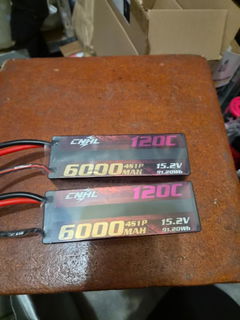
Für die akku-Planung bei Helikoptern besuchen Sie CNHL Helicopter Batteries. Für Flugzeug-Stromversorgungssysteme mit 6S oder 8S können Sie außerdem 6S LiPo Batteries und 8S LiPo Batteries vergleichen. Prüfen Sie vor aggressiven Flügen immer Akkugröße, Steckverbinder, C-Nennwert und erwartete Stromaufnahme.
Offizielles Handbuch
Laden Sie das offizielle Handbuch hier herunter: Hobbywing Platinum 150A V5.1 User Manual.
Empfohlene Kategorien
FAQ: Hobbywing Platinum 150A V5.1
Wofür wird der Hobbywing Platinum 150A V5.1 verwendet?
Er ist ein bürstenloser Flugzeug-ESC für Elektrohelikopter der Klasse 520–580 und Starrflügler mit 3–8S-LiPo-Stromversorgungssystemen.
Verfügt der Platinum 150A V5.1 über ein BEC?
Ja. Er verfügt über ein Schaltmodus-BEC mit einstellbarem Ausgang von 5–12 V, 10 A Dauerstrom und 30 A Spitzenstrom für kompatible Elektronik auf der Empfängerseite.
Ist der Platinum 150A V5.1 ein 14S-Hochspannungs-ESC?
Nein. Dieses Modell unterstützt 3–8S LiPo. Für 12S- oder 14S-Flugzeugkonfigurationen wählen Sie stattdessen einen geeigneten HV-ESC.
Was ist der Unterschied zwischen dem 150A V5.1 und dem 180A HV SBEC V5?
Der Platinum 150A V5.1 ist ein kleinerer 3–8S-ESC für Helikopter der Klasse 520–580 und Starrflügler. Der Platinum 180A HV SBEC V5 unterstützt 6–14S und ist für größere Helikopter- und Starrflügler-Konfigurationen der Klassen 550–700 vorgesehen.
Unterstützt dieser ESC Telemetrie?
Ja. Er unterstützt kompatible Datenrückgabeprotokolle wie Mikado VBar und Futaba S.BUS2, abhängig von der Flugzeugelektronik, der Firmware und der Verbindungsmethode.
Unterstützt dieser ESC Programmierung?
Ja. Er unterstützt die Einrichtung über eine LCD-Programmierbox und einen OTA-Programmierer, die separat erhältlich sind. Die Programmierung über den Sender und eine LED-Programmierkarte werden nicht unterstützt.
Kann ich diesen ESC in einem RC-Auto oder RC-Boot verwenden?
Nein. Dies ist ein auf Flugzeuge ausgerichteter Platinum-ESC für Helikopter und Starrflügler. Für RC-Autos vergleichen Sie QuicRun-, EzRun- oder XeRun-ESCs. Für RC-Boote vergleichen Sie SeaKing- oder wassergekühlte Marine-ESCs.