
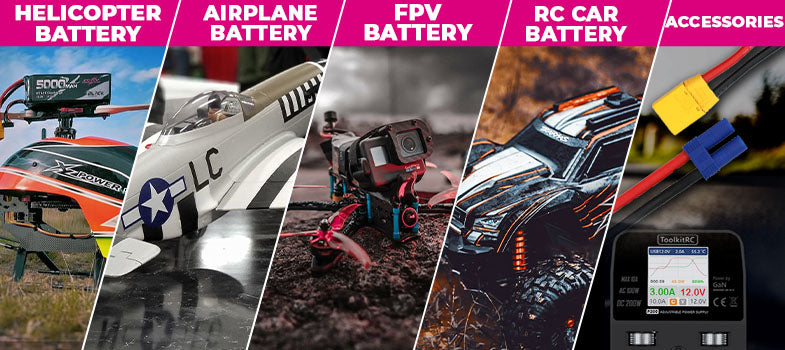
סוללות CNHL ליפו
CNHL שואפת לספק סוללות Li-Po באיכות גבוהה ומוצרי RC לכל חובבי התחביב עם שירות לקוחות מצוין ומחירים תחרותיים
The Black Horse P-80 Shooting Star 120mm EDF is not just another EDF jet release. It is a large wood ARF jet with real flightline presence, a serious 12S power system, and the kind of early jet silhouette that still looks special decades after the original aircraft helped define the beginning of the jet age.

For many pilots, the appeal of this model is obvious before the canopy even comes off. The straight tapered wing, long fuselage, bubble canopy, and “Saggin’ Dragon” scheme give it a very different feel from modern swept-wing jets. It looks classic, but the model itself is built around a powerful 120mm EDF setup that puts it firmly in the large electric jet category.
What makes this P-80 especially interesting is the balance between size and usability. It is nearly two meters in wingspan, built from balsa and plywood with fiberglass reinforcement, and designed for 12S EDF power. Yet early flight impressions suggest that its biggest surprise may not be raw speed. It is how stable and composed it looks in the air, especially on landing.
The Black Horse P-80 Shooting Star 120mm EDF sits in a different category from the smaller foam EDF jets many pilots are used to. This is a balsa, plywood, and fiberglass-reinforced ARF airframe with a 1980mm wingspan and a finished flying weight around the 8kg range depending on final equipment and battery choice.
That changes the way you should think about the model. It is not a simple plug-and-play weekend jet. It rewards careful assembly, clean wiring, proper battery placement, and a power system that is planned as a complete package. The payoff is the kind of rigid airframe feel and large-jet presence that many pilots specifically want from a wood ARF.
The included retractable landing gear, struts, brakes, gear doors, and retract controller also matter. On an aircraft of this size, the gear system is not a small accessory. It is part of what makes the model practical to operate from a proper runway and gives the aircraft a more complete large-scale jet feel.
The Lockheed P-80 Shooting Star has one of the cleanest shapes from the early jet era. It does not rely on aggressive intakes, complex curves, or modern fighter styling. Instead, the design is slim, straight, and purposeful. That is exactly why it works so well as a large RC jet.
At 1980mm wingspan, the Black Horse version gives the P-80 enough size to look convincing in the air. The straight-wing layout also gives the model a different personality from fast swept-wing EDF jets. It can still carry speed, but it has a classic, stable presence that suits large circuits, smooth passes, and controlled approaches.
The “Saggin’ Dragon” scheme adds even more character. For pilots who have always liked Black Horse construction but were waiting for a jet with the right visual personality, this scheme may be a major reason the P-80 stands out.
The most interesting early feedback around this model is not just that it is fast or powerful. It is the way it lands. Large EDF jets can sometimes feel heavy, slippery, or demanding on approach, especially when the battery setup is too heavy or the pilot carries too much speed. The Black Horse P-80 appears to have a more forgiving side when set up correctly.

That makes sense for the type of aircraft it is. The long fuselage, straight-wing planform, and large overall size help give it a steady visual presence. It still needs a proper runway, careful energy management, and an experienced pilot, but it does not look like a jet that only wants to be flown at full throttle.
This is one of the reasons the P-80 may appeal to pilots who enjoy smooth scale-style flying rather than only high-speed passes. The aircraft has enough power for exciting performance, but its personality seems to be more about big, confident, controlled jet flying.
The EDF version of the Black Horse P-80 is designed around a 120mm 12S EDF power system. That is a serious electric setup. Compared with 70mm, 80mm, or even many 90mm EDF jets, a 120mm fan places much higher demand on the battery, ESC, connectors, cooling, and wiring.
For this model, the main battery setup is normally built from two matched 6S LiPo batteries connected in series. This creates a 12S system while allowing pilots to use two manageable 6S packs instead of one large 12S pack. For example, two 6S 6000mAh packs in series create a 12S 6000mAh main flight battery system.
This is where battery quality becomes important. A large EDF does not only need capacity. It needs voltage stability under load. If the packs sag badly during takeoff, full-throttle passes, or climb-outs, the aircraft may feel less powerful and the flight timer may become much shorter than expected.
For most pilots, the most practical battery direction for the Black Horse P-80 Shooting Star 120mm EDF is a matched pair of 6S packs in the 6000mAh to 6200mAh range. This gives a strong balance between flight time, voltage support, and manageable flying weight.

The Black Horse P-80 Shooting Star 120mm EDF batteries collection focuses on EC5-equipped 6S packs selected for this kind of large EDF setup, including 5000mAh, 6000mAh, 6200mAh, and larger Lightning LiHV options.
A pair of 6S 6000mAh or 6200mAh packs is the cleanest starting point for this aircraft. This capacity range is close to the common 12S 6000mAh direction used in large 120mm EDF jets and gives the model enough battery reserve for confident flying without immediately pushing into very heavy battery territory.
The 6000mAh range is especially useful for pilots who want a straightforward setup: good capacity, reasonable flight time, and a battery size that makes sense for the airframe. The 6200mAh high-C option adds more discharge headroom while staying close to the same general capacity class.
A matched pair of 6S 5000mAh packs can also make sense for pilots who want to reduce flying weight. A lighter 12S setup can help the aircraft feel less loaded, especially during takeoff and landing. The tradeoff is shorter flight time, so the timer should be conservative for the first flights.
This option is best for pilots who understand their throttle habits and are willing to land early, check pack voltage, and adjust the timer based on real flight data.
CNHL Lightning LiHV options such as 6000mAh, 6700mAh, 7200mAh, 7800mAh, and 8500mAh give experienced EDF pilots more capacity and strong voltage support. These packs can be attractive for longer flights or stronger performance, but they also require careful attention to charger settings, ESC setup, CG, runway length, and landing speed.
Large-capacity packs are not automatically better. On a large EDF jet, extra battery weight affects more than flight time. It can change how the aircraft rotates, climbs, slows down, and lands. For many pilots, the 6000mAh to 6200mAh range remains the best starting point before experimenting with heavier setups.
Because the P-80 uses two 6S batteries in series, both packs should be treated as one combined 12S flight pack. The best practice is to use two batteries of the same model, same capacity, same C rating, same connector, similar age, and similar cycle count.
Avoid mixing one new pack with one older pack. Also avoid pairing different capacities or different discharge ratings. In a high-current EDF system, the weaker pack can become the limiting factor. After each flight, compare the voltage of both packs. If one consistently comes down lower than the other, that pair should not be treated as a healthy matched 12S set until the issue is understood.
The battery is only one part of the power system. A 120mm 12S EDF jet also needs a high-voltage ESC with enough current capability, proper cooling, reliable throttle response, and the right wiring layout. A 160A-class HV OPTO ESC is the logical direction for this type of model.
For CNHL internal linking and power-system planning, the Hobbywing SkyWalker 160A HV 14S OPTO V2 ESC is a suitable ESC option to consider for large 12S EDF applications. It should not be described as the official recommended ESC for this model, but it fits the same general class of high-voltage OPTO ESC required for serious EDF power systems.
Cooling and wiring should not be ignored. High-current EDF systems generate heat quickly when airflow, connectors, or solder joints are not right. Before flying, inspect the entire power path from the batteries to the series adapter, ESC, and EDF motor. After early flights, check connector and ESC temperature to confirm the setup is working efficiently.
One of the biggest differences between a large 12S EDF jet and a smaller electric airplane is receiver power. Many high-voltage OPTO ESCs do not provide receiver power directly. That means the receiver, servos, retract controller, brakes, and other onboard control systems need a separate, reliable power source.
This matters on the Black Horse P-80 because the aircraft uses multiple high-torque mini servos, retracts, gear doors, brakes, and a sequenced retract controller. These systems create a much higher electrical load than a basic foam EDF jet. A dedicated CNHL LiFe battery for receiver power is a practical solution for powering the receiver and onboard control systems independently from the main 12S EDF battery pack.
This is not the same as saying the LiFe pack powers the EDF system. The two large 6S packs power the EDF and ESC. The separate receiver battery supports the radio system, servos, retract functions, and brakes. Keeping those roles clear is important when building a large electric jet safely.
The Black Horse P-80 is large, but battery weight still matters. A lighter 12S 5000mAh setup may make the aircraft easier to slow down and keep the wing loading lower. A 6000mAh or 6200mAh setup gives a better balance for most pilots. Larger LiHV packs can improve capacity and voltage support, but they add weight that must be managed carefully.
Before flying, always check the CG with the aircraft fully assembled, both flight packs installed, and the receiver battery in place. The manual lists the CG at approximately 165–168mm back from the leading edge of the wing at the fuselage. Battery placement, wire exit direction, and receiver battery position can all affect the final balance.
Runway conditions also matter. A nearly two-meter EDF jet with retracts and brakes deserves a proper surface. Short grass may work if it is well maintained, but hard surfaces are usually more predictable for takeoff, braking, and repeated testing during early flights.
The Black Horse P-80 Shooting Star 120mm EDF is best suited to pilots who already understand larger electric aircraft. It is not difficult in the same way a small twitchy jet can be difficult, but it demands preparation. The build, wiring, battery matching, CG check, radio setup, retract system, brake setup, and runway choice all matter.
The good news is that this is also what makes the model rewarding. Pilots who enjoy the process of building and setting up a proper large ARF jet will likely appreciate what the P-80 offers. It has the look, the size, the power system, and the smooth early-jet character to stand out from ordinary EDF releases.
The Black Horse P-80 Shooting Star 120mm EDF is one of the more interesting large EDF releases because it combines classic early jet styling with a serious 12S electric power system. It is big enough to feel special, traditional enough to appeal to wood ARF pilots, and powerful enough to satisfy EDF pilots looking for something beyond smaller foam jets.
Its strongest appeal may be the balance between presence and flyability. The P-80 looks fast and purposeful, but early flight impressions suggest it can also be stable, smooth, and confidence-inspiring on approach when set up correctly. For pilots ready to manage a proper 12S EDF system, this is a model worth watching closely.
For the main power setup, start with two matched 6S packs from the Black Horse P-80 Shooting Star 120mm EDF battery collection, plan the ESC and receiver power properly, and treat the aircraft like the large jet it is. That is the best way to get the performance, safety, and smooth flight character this P-80 was designed to deliver.
CNHL שואפת לספק סוללות Li-Po באיכות גבוהה ומוצרי RC לכל חובבי התחביב עם שירות לקוחות מצוין ומחירים תחרותיים
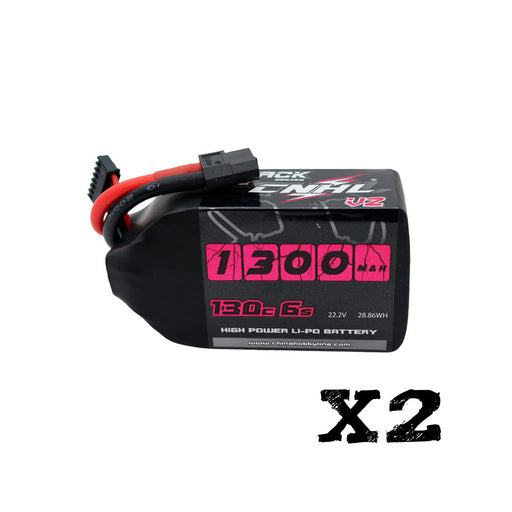
בדיקת התאמה מהירה ה2 Packs CNHL Black Series V2.0 1300mAh 22.2V 6S 130C LiPo Battery with XT60 Plug מתאים היטב למטיסי FPV שרוצים סוללת 6S 1300mAh X...
הצג פרטים מלאיםחלקי חילוף ותמיכה לטווח ארוך אנו יודעים שעבור טייסי RC, תמיכה אמינה בחלקי חילוף היא חלק חשוב בשמירה על מטוס כשיר לטיסה במשך שנים. לכן CNHL מת...
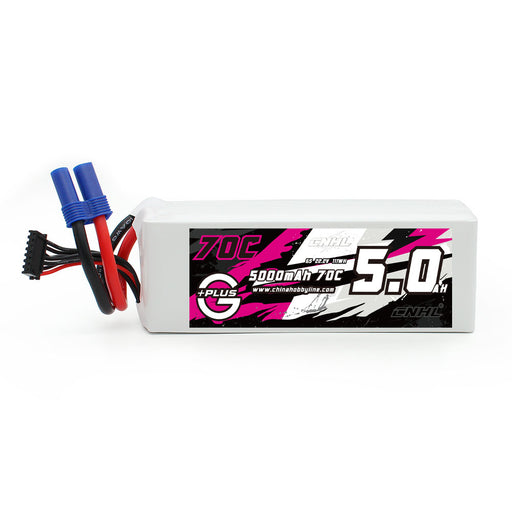
הצג פרטים מלאיםמפרטים: מספר מלאי: 500706EC5 קיבולת: 5000mAh מתח: 22.2V / 6 תאים / 6S1P קצב פריקה: 70C רציף / 140C פיצוץ קצב טעינה: 5C מקסימום גודל (הבדל של 1-5 ...
הצג פרטים מלאים
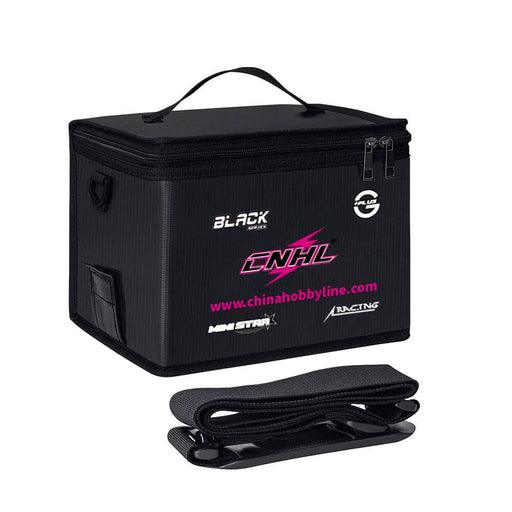
תיק סוללות LiPo של CNHL מיועד לטעינה, הובלה ואחסון בטוחים יותר של סוללות LiPo בבית או בשדה. הוא מוסיף שכבת הגנה פרקטית על ידי סיוע במניעת התפשטות ח...
הצג פרטים מלאיםבדיקת התאמה מהירה חבילת 2 CNHL Speedy Pizza Series Pro 1350mAh 6S 150C LiPo עם תקע XT60 מיועדת לטייסי FPV בגודל 5 אינץ' שרוצים מערכת 6S חופשית ...
הצג פרטים מלאים

The CNHL Long Range Series BAK 65E 6350mAh 21700 Li-ion battery cell is built around one clear priority: maximum stored energy from a lightweight c...
הצג פרטים מלאים

The CNHL Long Range Series BAK 50D 5000mAh 21700 Li-ion battery cell is designed for custom high-energy battery packs that need a strong balance be...
הצג פרטים מלאים

The ISDT C4 EVO is a versatile smart battery charger built for AA, AAA and cylindrical rechargeable cells from compact 10440 batteries all the way ...
הצג פרטים מלאים

The CNHL Long Range Series 6350mAh 21.6V 6S1P 21700 Li-ion battery combines six BAK 65E high-energy cells into a 137.16Wh pack designed for ultra-e...
הצג פרטים מלאים

The CNHL Long Range Series 5000mAh 21.6V 6S1P 21700 Li-ion battery combines six BAK 50D cells into a compact 108Wh pack designed around long-range ...
הצג פרטים מלאים




Comments
Leave a comment