
Batterie LiPo CNHL
CNHL mira a fornire batterie Li-Po di alta qualità e prodotti RC a tutti gli appassionati di hobby con un eccellente servizio clienti e prezzi competitivi
La ARRMA Freedom Flyer 223S è il tipo di truck RC che attira l’attenzione ancora prima di toccare la terra. La livrea Freedom Flyer bianca, rossa e blu, l’atteggiamento Tomfoolery Motorsports, il legame con Cleetus McFarland e la personalità da “Hell yeah brother” la fanno sembrare diversa da un normale monster truck RTR in scala 1/10.
Ma sotto quella carrozzeria vistosa si nasconde qualcosa di molto familiare e utile: una collaudata piattaforma ARRMA 2WD 223S brushless da basher. È per questo che questo truck funziona per più di un tipo di pilota. I fan di Cleetus notano l’aspetto. I fan di ARRMA riconoscono le origini in stile Gorgon. I nuovi piloti apprezzano il fatto che sia pronto all’uso. I bashers notano che può funzionare con LiPo 2S o 3S e continuare a sopportare un uso intenso.
Questa recensione si concentra sulla ARRMA Freedom Flyer 223S in scala 1/10: il confronto con la piattaforma in stile Gorgon, il cambiamento delle sensazioni di guida tra 2S e 3S, ciò che i nuovi piloti dovrebbero sapere e quali batterie LiPo CNHL EC5 sono più adatte per un vero bashing in cortile.

La ARRMA Freedom Flyer 223S è un monster truck brushless 2WD in scala 1/10, costruito attorno all’idea di potenza 223S: accessibile con 2S, abbastanza scatenato con 3S e pronto per chi vuole abituarsi gradualmente a velocità maggiori. Ufficialmente è progettato per alimentazione LiPo 2S e 3S, utilizza un connettore IC5 e promette oltre 50 MPH quando viene configurato per sfruttare appieno le prestazioni in 3S.
È la personalità a far risaltare questo modello. La carrozzeria Freedom Flyer, la grafica ispirata alla bandiera americana, l’atteggiamento in stile Cleetus e il tema Tomfoolery Motorsports non sono semplici piccoli dettagli estetici. Nei commenti su questo truck, molte persone hanno reagito prima di tutto alla livrea. Alcune possedevano già modelli ARRMA. Alcune erano fan di Cleetus e non avevano mai posseduto un ARRMA. Questo spiega esattamente perché questo truck ha un pubblico più ampio rispetto a un normale modello presentato solo attraverso la scheda tecnica.
Allo stesso tempo, questo è pur sempre un vero basher. Ha l’assetto da monster truck con baricentro alto, grandi pneumatici in stile chevron, sospensioni a lunga escursione, barra anti-impennata, trasmissione con ingranaggi in metallo, elettronica con protezione simile all’impermeabilità per l’uso su terreni bagnati e vano batteria con accesso dal basso. È progettato per terra, rampe, erba corta, cortili e tutti quei luoghi imperfetti in cui i truck RC vengono realmente utilizzati.
La Freedom Flyer 223S non attira l’attenzione solo perché è veloce. Gran parte del suo fascino è emotivo. Il truck si inserisce nel mondo di Cleetus McFarland / Freedom Factory / Tomfoolery Motorsports, dove veicoli a grandezza naturale, salti spettacolari, stile patriottico e personalità esuberanti fanno parte del divertimento.
Questo conta perché l’acquisto di un modello RC non è sempre razionale. Un normale monster truck in scala 1/10 potrebbe essere valutato solo in base a prezzo, velocità, trasmissione e robustezza. Il Freedom Flyer 223S aggiunge un altro motivo per interessarsene: ha l’aspetto di qualcosa che le persone desiderano possedere, fotografare, mostrare agli amici e usare durante un fine settimana festivo o una giornata di bashing in giardino.
Anche per i piloti che non seguono da vicino Cleetus, la combinazione cromatica funziona comunque. La carrozzeria bianca, la grafica vistosa, gli accenti blu e l’assetto da monster truck gli conferiscono una forte presenza anche da fermo. È un truck che sembra veloce anche da fermo, esattamente ciò che dovrebbe fare un basher in stile autorizzato.

Questa domanda ricorre spesso e la risposta sincera è sì: il Freedom Flyer 223S condivide molto del DNA con la piattaforma da basher 2WD in stile GORGON di ARRMA. Non è qualcosa da nascondere. È uno dei motivi per cui questo truck ha senso.
La configurazione in stile GORGON è semplice, robusta e facile da capire. Offre una piattaforma monster truck 2WD con batteria disposta centralmente, trasmissione posteriore lineare, elevata altezza da terra, pneumatici grandi e una robustezza del telaio sufficiente per il normale bashing. Questo lo rende adatto ai nuovi piloti e facile da sottoporre a manutenzione per gli appassionati che amano lavorare personalmente sui propri truck.
Quindi, se qualcuno chiede se il Freedom Flyer 223S sia “semplicemente un GORGON con una nuova carrozzeria”, la risposta migliore è più equilibrata: è una collaudata formula da basher basata sul GORGON, con l’identità autorizzata del Freedom Flyer e una configurazione RTR brushless 2S/3S. La piattaforma è familiare. La personalità è nuova. Per molti acquirenti, è esattamente questo il punto.
Per chi acquista batterie, il confronto con il GORGON è utile perché spiega perché il Freedom Flyer 223S presenta lo stesso tipo di dubbi sulla compatibilità pratica. Non si tratta di un enorme vano batteria aperto in cui ogni pacco di grandi dimensioni entra facilmente. Utilizza un vano batteria con inserimento dal basso, il che significa che contano le dimensioni dell’involucro della batteria, la posizione del connettore EC5/IC5, l’uscita dei cavi e lo spazio libero dello sportello della batteria.
Anche la personalità di guida è simile, in senso positivo. Un monster truck 2WD con baricentro alto è fatto per sollevare l’avantreno, lanciare terra, scivolare e mantenere il divertimento a velocità realistiche in giardino. Non cerca di essere un’auto per speed run bassa e filante né un monster truck in scala con assali rigidi. È un basher semplice e divertente, con una potenza brushless sufficiente per accompagnare la crescita del pilota.
La Freedom Flyer 223S aggiunge il motivo estetico per sceglierla. Se ami l'aspetto della Freedom Flyer, il legame con Cleetus e l'atteggiamento rosso-bianco-blu, questa è quella che trasmette qualcosa di speciale. Se ti interessa solo il valore della piattaforma, le radici nella GORGON ti fanno capire quale tipo di truck stai davvero acquistando alla base.

La scelta principale per la configurazione della Freedom Flyer 223S è semplice: LiPo 2S o 3S. Entrambe funzionano, ma non producono lo stesso truck.
La LiPo 2S è il punto di partenza più intelligente per molti piloti. Rende il truck più facile da gestire, funziona meglio negli spazi più piccoli e offre comunque abbastanza grinta per impennate, testacoda, guida sullo sterrato ed esercitarsi con i salti. Per i bambini, le sessioni in famiglia in cortile, i nuovi proprietari di ARRMA e chi si diverte occasionalmente, la 2S offre la versione più facile da gestire del truck.
La LiPo 3S è la configurazione per dare tutto. Con la 3S, la Freedom Flyer 223S diventa più veloce, più aggressiva e più impegnativa. È migliore per gli spazi aperti, le lunghe accelerazioni, le aree sterrate più ampie e i piloti che comprendono già il controllo dell'acceleratore. Il truck può raggiungere la velocità dichiarata di oltre 50 MPH con la 3S, ma genera anche più calore, sottopone la trasmissione a un carico maggiore e comporta più rischi se lo si guida come un giocattolo, senza la dovuta attenzione alla meccanica.
Il modo migliore per pensarla è questo: 2S significa sicurezza. 3S significa caos. Entrambe le configurazioni sono divertenti, ma non sono adatte allo stesso pilota o allo stesso luogo.
La Freedom Flyer 223S utilizza un connettore IC5 sul lato del veicolo. Le batterie CNHL con connettori EC5 sono compatibili con i veicoli ARRMA dotati di IC5 per la normale erogazione di potenza, rendendo l'EC5 una delle scelte più semplici per questo truck. Evita adattatori aggiuntivi e mantiene il cablaggio più ordinato all'interno del vano batteria con accesso dal fondo.
In base al modo in cui questo truck viene realmente utilizzato, metterei in evidenza soprattutto tre batterie CNHL:
Per scoprire altre opzioni compatibili, visita la collezione completa Batteria LiPo per ARRMA Freedom Flyer 223S.
Il limite ufficiale del vano batteria dell’ARRMA Freedom Flyer 223S è di 140 × 50 × 35 mm. Questo fornisce un punto di partenza chiaro, ma non racconta tutta la storia. Poiché il truck utilizza un vano batteria con caricamento dal basso, il corpo della batteria, il connettore e i cavi devono condividere lo spazio limitato sotto lo sportello della batteria.
Questo è particolarmente importante con le batterie LiPo 3S hardcase più grandi. Un pacco può sembrare quasi delle stesse dimensioni sulla carta, ma risultare comunque troppo stretto se il connettore EC5 e i cavi rimangono intrappolati sotto lo sportello della batteria. Per le configurazioni 3S, l’approccio più ordinato consiste nel tenere il connettore vicino all’apertura del telaio e instradare i cavi verso l’alto, invece di forzare tutto nel vano inferiore.
Questo può rendere alcuni pacchi 3S da 5000 mAh più realistici da installare, a seconda delle dimensioni esatte della batteria, della rigidità dei cavi, della direzione del connettore e di come la batteria si posiziona nel vano. La regola fondamentale è semplice: non forzare mai la chiusura dello sportello della batteria contro i cavi. Un inserimento troppo stretto che schiaccia i cavi, piega il connettore o sottopone il fermo a sollecitazioni non è un buon inserimento.
Per l’uso quotidiano in 2S, l’installazione è generalmente più semplice perché molti pacchi hardcase 2S hanno un’altezza ridotta. Per la guida a tutto gas in 3S, verifica sempre lentamente l’inserimento prima di utilizzare il truck, assicurati che lo sportello della batteria si chiuda senza fare pressione sui cavi e che il pacco non possa spostarsi durante salti, impennate o atterraggi bruschi.
È allettante scegliere il valore più alto in mAh per ottenere una maggiore autonomia, ma il Freedom Flyer 223S non è solo un modello da strada pianeggiante. È un monster truck 2WD progettato per impennate, salti, sterrato, erba corta e atterraggi duri. Una batteria molto grande può aggiungere peso, modificare l’equilibrio del truck e renderlo meno reattivo in aria.
I pacchi rigidi da 7000mAh, 7500mAh o 8000mAh possono creare problemi di compatibilità, a seconda della forma della scocca e del punto di uscita dei cavi. Alcuni potrebbero richiedere modifiche al vano batteria, mentre altri potrebbero essere semplicemente troppo stretti per poterli consigliare senza riserve. La capacità è importante, ma lo sono anche la compatibilità, il peso, la posizione del connettore e il passaggio sicuro dei cavi.
Per la maggior parte dei piloti, la batteria migliore non è quella con la capacità maggiore. È quella che si fissa saldamente, si collega senza problemi e si adatta al modo in cui verrà guidato il truck. Un pacco 2S equilibrato è ideale per l’uso quotidiano. Un pacco 3S pratico è adatto quando si cerca la massima velocità. Un pacco 2S più grande può essere utile quando la priorità è l’autonomia.
Il Freedom Flyer 223S non offre solo potenza. Aiuta anche i nuovi piloti a sviluppare sicurezza. Il trasmettitore incluso dispone di un limitatore dell’acceleratore, che consente di ridurre le prestazioni del truck durante l’apprendimento. È importante per i bambini, l’uso in famiglia e chi guida un modello RC per la prima volta e non ha bisogno subito della piena potenza.
Include anche il Dynamic Stability Control, o DSC. Quando il retrotreno scivola verso l’esterno, il DSC può aiutare a correggere la sterzata e a rendere più facili da controllare le derapate. Per i nuovi piloti, questo rende il truck più prevedibile. Per i piloti esperti, l’assistenza può essere ridotta o regolata per una sensazione di guida più diretta.
Questo è uno dei motivi per cui la 2S è un ottimo punto di partenza. Un pacco 2S permette al pilota di imparare a sterzare, frenare, controllare l’acceleratore, fare impennate, testacoda e affrontare i salti senza rendere il truck troppo difficile da gestire. Quando il pilota ha più spazio e sicurezza, la 3S diventa il passo successivo.

Il Freedom Flyer 223S è progettato per dare spettacolo. Con una batteria 2S ha già abbastanza grinta per impennate in giardino e divertimento sullo sterrato. Con una 3S, il truck tende ancora di più a sollevare l’avantreno, soprattutto su superfici aderenti o quando la batteria è ben carica.
Per i salti, l’approccio migliore è fluido e controllato. Imbocca la rampa con un’accelerazione costante invece di premere bruscamente il grilletto all’ultimo secondo. In aria, l’acceleratore può aiutare a sollevare il muso, mentre il freno può abbassarlo. È una delle abilità più importanti per chiunque guidi un monster truck 2WD.
L’abitudine che salva di più la trasmissione è semplice: rilascia il gas prima dell’atterraggio. Atterrare dando gas può sottoporre a forti sollecitazioni gli ingranaggi, la frizione antisaltellamento, gli alberi di trasmissione, gli pneumatici e il motore. La piattaforma Freedom Flyer è resistente, ma le buone tecniche di guida aiutano comunque a prolungarne la durata.
La piattaforma 2WD in stile GORGON gode di una solida reputazione perché è semplice e resistente. Il Freedom Flyer 223S ne trae vantaggio. La disposizione del telaio è facile da capire, la trasmissione è lineare e il truck non è sovraccarico di componenti complicati. Questo lo rende adatto ai nuovi piloti che vogliono qualcosa da usare davvero, invece di doverlo trattare con i guanti.
Tuttavia, è importante non trasformare il concetto di “duraturo” in “indistruttibile”. Un monster truck usato intensamente può comunque usurare o danneggiare parti della carrozzeria, componenti della barra anti-impennata, tiranti dello sterzo, componenti degli ammortizzatori, parti del salvaservo, pneumatici, cuscinetti e componenti della trasmissione. L’uso intenso con 3S, gli atterraggi sbagliati, l’erba alta, la guida sul bagnato e la scarsa manutenzione aumentano tutti lo stress.
Anche la carrozzeria fa parte del discorso. La carrozzeria del Freedom Flyer è davvero bella, ma una carrozzeria da monster truck si graffierà, si fletterà e si danneggerà comunque se la sottoponi a salti abbastanza impegnativi. È la normale vita di un basher. Se prevedi di affrontare grandi salti, vale la pena considerare un rinforzo della carrozzeria e un’ispezione dopo ogni sessione.
Il punto è semplice: questo non è un truck fragile, ma resta comunque un veicolo meccanico. Controlla le viti, ascolta eventuali nuovi rumori della trasmissione, ispeziona la barra anti-impennata dopo gli urti più violenti e sostituisci le parti usurate prima che un piccolo problema rovini la sessione.
Il Freedom Flyer 223S è progettato per i veri ambienti RC: terra, ghiaia, erba corta, aree umide, piazzali polverosi e punti per i salti in giardino. Tuttavia, ogni superficie influisce sul truck in modo diverso.
L’erba corta di solito non crea problemi. L’erba alta è diversa. Aumenta la resistenza al rotolamento, sottopone la trasmissione a un carico maggiore e può far salire rapidamente la temperatura del motore e dell’ESC, soprattutto con una batteria 3S. Se guidi sull’erba, accorcia le sessioni, evita di mantenere continuamente il massimo gas e controlla le temperature durante l’uso intenso.
Erba bagnata, pozzanghere e fango possono far parte del divertimento, ma l’elettronica resistente all’acqua non significa che il truck debba essere immerso o riposto bagnato. L’umidità può accumularsi attorno ai cuscinetti, alla bulloneria, alle ruote e ai componenti del motore. Dopo aver guidato sul bagnato, asciuga il truck, fai girare le ruote, rimuovi l’erba dalla trasmissione e lascia raffreddare l’elettronica e la batteria prima del pacco successivo.
Anche polvere e sabbia possono ridurre nel tempo la durata di cuscinetti e motori. Se utilizzi il truck in luoghi asciutti, polverosi o sabbiosi, puliscilo dopo la sessione e presta attenzione a rumori di sfregamento, cigolii o irregolarità nella trasmissione. Una minima cura dopo l’uso può fare una grande differenza.

La maggior parte dei piloti dovrebbe iniziare con le batterie LiPo 2S standard oppure con le batterie LiPo 3S. Sono semplici, prevedibili e adatte al modo in cui vengono normalmente utilizzati la maggior parte dei veicoli brushless RTR.
I pacchi LiHV possono essere utili agli utenti esperti, ma la tensione più elevata a piena carica va gestita con cautela. Se usi una LiHV in un basher RTR, assicurati di conoscere le impostazioni del caricabatterie, i limiti di tensione, il calore, le considerazioni sulla garanzia e il comportamento del truck sotto carico. I nuovi piloti dovrebbero iniziare in modo semplice, usando prima una LiPo standard 2S o 3S.
| Nuovo pilota / uso familiare | Inizia con la 2S. È più facile da controllare, più adatta agli spazi ridotti e offre comunque tanto divertimento da monster truck brushless con la Freedom Flyer 223S. |
| Basher da cortile | Scegli un pacco 2S EC5 con hardcase da 6600mAh per il miglior equilibrio tra autonomia, grinta e facilità di gestione. |
| Pilota orientato alla velocità / a tutta manetta | Scegli la 3S per un’accelerazione più intensa e prestazioni oltre i 50 MPH. Controlla attentamente l’adattamento al vano, la disposizione dei cavi e la temperatura. |
| Pilota attento all’autonomia | Un pacco 2S di maggiore capacità può prolungare le sessioni, ma non trascurare il peso della batteria, l’adattamento al vano e il fissaggio sicuro. |
L’ARRMA Freedom Flyer 223S funziona perché combina due elementi che non sempre vanno d’accordo: una piattaforma basher collaudata e una carrozzeria che suscita un autentico interesse. Le sue radici in stile GORGON la rendono familiare, resistente e facile da usare. La livrea Freedom Flyer aggiunge emozione, carattere e identità, facendo desiderare il modello ancora prima di confrontarne le specifiche.
Per la maggior parte dei proprietari, il percorso di configurazione più intelligente è semplice. Inizia con una LiPo 2S EC5 con hardcase ben bilanciata, per un buon controllo e un’autonomia adeguata. Passa alla 3S quando hai spazio e sicurezza sufficienti per sfruttare tutta la potenza brushless. Tieni presente il limite del vano di 140 × 50 × 35mm, disponi con cura i cavi e non forzare mai la chiusura dello sportello della batteria.
Per acquistare le opzioni CNHL compatibili, visita la collezione completa Batterie LiPo per ARRMA Freedom Flyer 223S.
Condivide molte caratteristiche della piattaforma 2WD da bashing in stile GORGON, parte del suo fascino. Il Freedom Flyer 223S utilizza una collaudata piattaforma in stile ARRMA 223S e aggiunge l’estetica ufficiale Freedom Flyer, l’attitudine Cleetus/Tomfoolery e una configurazione brushless RTR 2S/3S.
Sì. Il Freedom Flyer 223S è progettato per funzionare con batterie LiPo 2S e 3S. Usa 2S per un controllo più semplice e una guida in giardino adatta a tutta la famiglia, oppure 3S per vivere appieno l’esperienza brushless da oltre 50 MPH. Quando usi 3S, controlla sempre le dimensioni della batteria, l’instradamento dei cavi e la temperatura del motore/ESC.
Il Freedom Flyer 223S utilizza un connettore IC5 sul veicolo. I connettori per batterie EC5 di CNHL sono compatibili con i connettori IC5, rendendo i pacchi rigidi EC5 un’opzione semplice senza adattatori aggiuntivi.
Sì. La batteria 2S è sufficiente per i principianti, l’uso in famiglia, l’utilizzo ricreativo in giardino e la pratica controllata dei wheelie. Il camion è comunque brushless e resta divertente anche con 2S. Passa a 3S quando vuoi più velocità, più spunto e una guida più aggressiva a tutto gas.
Il Freedom Flyer 223S utilizza un vano batteria con inserimento dal basso. Anche se un pacco 3S sembra vicino al limite di 140 × 50 × 35mm del vano, il connettore e i cavi potrebbero occupare lo spazio sotto lo sportello della batteria. Tieni il connettore vicino all’apertura del telaio, instrada i cavi verso l’alto quando possibile e non forzare mai la chiusura del vano contro i cavi.
No. La sola capacità non determina la compatibilità. Alcuni pacchi ad alta capacità possono essere troppo lunghi, larghi o alti, oppure troppo difficili da instradare correttamente. Controlla sempre le dimensioni esatte, la posizione del connettore, la direzione dei cavi e lo spazio necessario per la chiusura del vano prima dell’ordine.
Sì, soprattutto sull’erba corta. L’erba alta crea maggiore resistenza al rotolamento e può aumentare la temperatura del motore e dell’ESC, soprattutto con una batteria 3S. Riduci la durata delle sessioni sull’erba, evita di tenere costantemente il gas al massimo e controlla le temperature durante l’uso intenso.
Il camion ha componenti elettronici resistenti all’acqua, quindi erba bagnata e pozzanghere fanno parte del normale utilizzo RC. Tuttavia, non deve essere immerso né riposto bagnato. Dopo l’utilizzo sul bagnato, asciuga il camion, rimuovi i detriti, controlla cuscinetti e ruote e lascia raffreddare tutto prima del pacco successivo.
CNHL mira a fornire batterie Li-Po di alta qualità e prodotti RC a tutti gli appassionati di hobby con un eccellente servizio clienti e prezzi competitivi

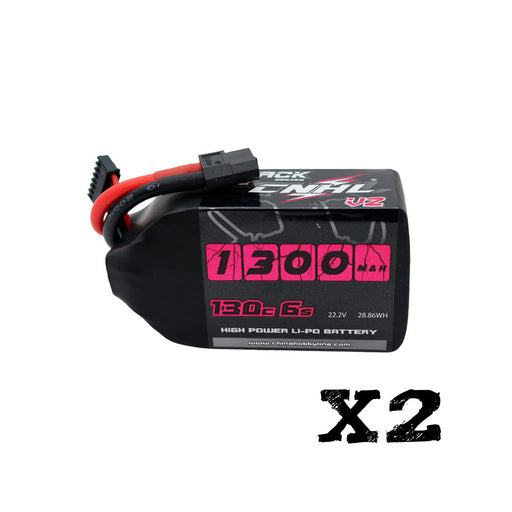
Verifica rapida della compatibilità Il prodotto confezione da 2 batterie LiPo CNHL Black Series V2.0 da 1300mAh 22,2V 6S 130C con connettore XT60 è...
Visualizza dettagli completi

Ricambi e supporto a lungo termine Sappiamo che, per i piloti di modelli radiocomandati, un supporto affidabile per i ricambi è fondamentale ...
Visualizza dettagli completi
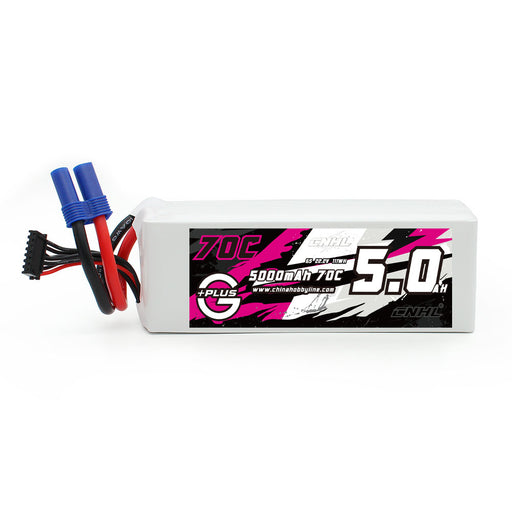
Specifiche: Numero di magazzino: 500706EC5 Capacità: 5000mAh Tensione: 22.2V / 6-Cell / 6S1P Velocità di scarica: 70C Continua / 140C Burst Veloc...
Visualizza dettagli completi
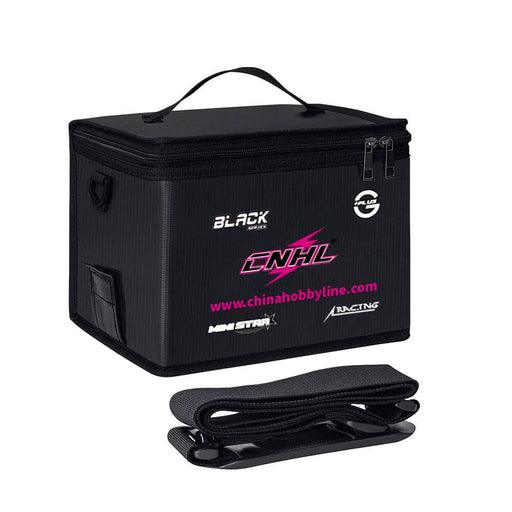
La borsa per batterie LiPo CNHL è progettata per una ricarica, trasporto e conservazione più sicuri delle LiPo a casa o sul campo. Aggiunge un live...
Visualizza dettagli completiControllo rapido della vestibilità Il pacchetto da 2 CNHL Speedy Pizza Series Pro 1350mAh 6S 150C LiPo con spina XT60 è progettato per piloti F...
Visualizza dettagli completi

La figura di pilota per EDF da 75 mm CNHL è progettata per aeromodelli a reazione RC con EDF da 80–90 mm che necessitano di un aspetto della cabina...
Visualizza dettagli completi

La WNF Mitsubishi Lancer Evolution IX è un'auto radiocomandata da drift in scala 1:64, ufficialmente autorizzata da Mitsubishi Motors, che combina ...
Visualizza dettagli completi

ISDT K4 è un caricabatterie smart duale ad alta potenza per LiPo 8S, progettato per configurazioni di batterie RC impegnative. Combina due canali d...
Visualizza dettagli completi

ISDT PC-4860S è una scheda compatta a quattro porte XT60 per la ricarica in parallelo, progettata per utenti esperti di modellismo RC e FPV che...
Visualizza dettagli completi

In breve: Questo crawler RC WNF Land Rover Defender 110 Pick-Up in scala 1:43 ufficialmente autorizzato combina le proporzioni e i dettagli ...
Visualizza dettagli completi

Lascia un commento