
Batterie LiPo CNHL
CNHL mira a fornire batterie Li-Po di alta qualità e prodotti RC a tutti gli appassionati di hobby con un eccellente servizio clienti e prezzi competitivi
Il jet Freewing PLAAF JL-8 con ventola intubata da 80 mm entra in un segmento competitivo del mercato delle ventole intubate, dove i piloti possono già scegliere tra jet sportivi più permissivi e soggetti militari altamente dettagliati. Il suo vantaggio non risiede in una singola caratteristica, ma nel modo in cui la cellula in scala, il sistema propulsivo da 80 mm, la stabilizzazione regolata in fabbrica, il carrello retrattile, l'illuminazione, i flap e il design dell'ala pensato per il trasporto lavorano insieme.
Il JL-8 ha la presenza visiva di un addestratore militare, senza limitarsi a circuiti di volo tranquilli in scala. Il sistema propulsivo di serie gli offre una velocità sufficiente per passaggi veloci, manovre verticali, volo a coltello e un volo sportivo più energico, mentre la cellula derivata da un addestratore e il giroscopio EG01 mantengono la gestione composta in un utile intervallo di velocità.
Questa combinazione rende il Freewing JL-8 particolarmente interessante per i piloti di livello intermedio che hanno già sviluppato buone abitudini con le ventole intubate e ora desiderano più dettagli in scala, più funzionalità a bordo e una maggiore sensazione di importanza in campo di volo.

| Specifiche | Freewing PLAAF JL-8 |
|---|---|
| Scala | 1/9 |
| Apertura alare | 1130 mm / 44,5 in |
| Lunghezza | 1238 mm / 48,7 in |
| Peso senza batteria | 1877 g / 4,1 lb |
| Sistema EDF | Ventola intubata a 12 pale da 80 mm |
| Motore | Inrunner 3658-2150Kv |
| ESC | ESC brushless da 100 A con UBEC da 7 A e spinta inversa |
| Connettore della batteria | EC5 |
| Batteria consigliata | LiPo 6S 22,2 V 4000-6000 mAh |
| Centro di gravità | 78 mm dietro il bordo d'attacco dell'ala alla radice |
| Requisiti della radio | 6-8 canali |
| Livello di esperienza | Intermedio |
| Pista consigliata | Superfici dure |
Il JL-8 è da considerarsi una ventola intubata sportiva orientata alla riproduzione in scala. La sua configurazione pulita da addestratore gli conferisce un carattere più prevedibile e meno intimidatorio rispetto a molti modelli di caccia di prima linea, ma include comunque i dettagli e i sistemi che rendono speciale un jet in scala: carrello retrattile, flap, illuminazione, serbatoi esterni, abitacolo tandem e una livrea dimostrativa riconoscibile.
Colma quindi il divario tra un jet sportivo progettato appositamente e una ventola intubata militare in scala più impegnativa. I piloti possono volarlo in modo fluido e controllato, ma non sono limitati a passaggi livellati e circuiti ampi. La disponibilità di autorità sui comandi e potenza è sufficiente per esplorare l'acrobazia senza perdere l'identità in scala del modello.
Questo rende il JL-8 una progressione sensata per i piloti che desiderano più realismo e funzionalità dopo aver acquisito padronanza di modelli più semplici ad ala bassa o di ventole intubate sportive, ma che non sono ancora alla ricerca del peso, della complessità o della risposta più brusca di un caccia più grande.
Con un’apertura alare di 1130 mm e una lunghezza di 1238 mm, il JL-8 integra un sistema EDF completo da 80 mm a 12 pale in una cellula relativamente compatta. Questo offre al modello un ottimo equilibrio tra potenza e dimensioni senza farlo apparire ingombrante o scomodo da trasportare.
Il motore inrunner 3658-2150Kv e l’ESC da 100 A garantiscono un’accelerazione brillante, prestazioni convincenti in verticale e una riserva sufficiente per ripetuti passaggi ad alta velocità. Il modello mantiene inoltre un’andatura utile anche a gas parziale, così da poter riservare la massima potenza alle salite, alle transizioni acrobatiche e alle sezioni più veloci del volo.
Questa maggiore gamma di utilizzo del gas è importante nella pratica. Offre al pilota un controllo migliore della gestione dell’energia, facilita la regolazione del ritmo nei circuiti in scala e riduce la necessità di volare per tutta la sessione alla massima potenza.
Il JL-8 combina una cellula di base stabile con potenza e autorità dei comandi sufficienti a farlo sentire vivace anziché anonimo. La sua qualità principale è la fiducia che dà al pilota nel passare dal volo fluido in scala a manovre sportive più aggressive senza che il modello diventi improvvisamente nervoso o imprevedibile.
Il JL-8 mantiene una velocità di crociera convincente senza richiedere costantemente il massimo gas. Questo lascia al pilota margine per gestire il consumo della batteria, le distanze e la pianificazione dell’avvicinamento, mantenendo comunque il modello reattivo.
Anche il volo a gas parziale si adatta bene alla forma da trainer. I passaggi lunghi e le virate ampie appaiono più naturali quando il jet non viene spinto alla massima velocità per tutta la durata del volo.
Il sistema di serie da 80 mm offre una riserva sufficiente per salite decise e transizioni acrobatiche. Il JL-8 riesce a portare energia in verticale, completare una manovra in cima e recuperare senza dare la sensazione di essere sottopotenziato.
Rimane un EDF in scala da 6S, non una piattaforma acrobatica dalla potenza illimitata, ma il sistema propulsivo standard è ben abbinato alla cellula e offre ai piloti esperti prestazioni sufficienti per mantenere vivo l’interesse.
La cellula è in grado di mantenere traiettorie convincenti in volo a coltello, aggiungendo al modello un’importante dimensione da volo sportivo. La superficie laterale della fusoliera e l’autorità del timone gli consentono di mantenere l’assetto senza apparire eccessivamente instabile o poco propenso a farlo.
I ratei dei comandi, l’expo, il peso della batteria e la modalità del giroscopio influenzano la facilità con cui una singola configurazione mantiene la manovra, ma il JL-8 offre chiaramente un margine acrobatico maggiore di quanto il suo aspetto da trainer avanzato potrebbe inizialmente suggerire.
Quando la potenza viene ridotta, il JL-8 entra in una discesa gestibile anziché mostrare un brusco cedimento o una perdita immediata di stabilità direzionale. Questo non lo rende un aliante, ma offre al pilota una base più prevedibile per pianificare il circuito e gli avvicinamenti all’atterraggio.
Come la maggior parte dei jet EDF, il JL-8 si atterra al meglio mantenendo una certa potenza durante l'avvicinamento finale. La differenza utile è che ridurre il gas non sembra provocare una sorpresa immediata nella manovrabilità.
La combinazione tra la cellula e la stabilizzazione regolata in fabbrica aiuta il JL-8 a rimanere composto in condizioni ventose. Le perturbazioni brevi vengono corrette senza far sembrare il velivolo eccessivamente frenato o scollegato dai comandi.
I limiti di vento dipenderanno sempre dall'esperienza del pilota, dall'allineamento della pista, dal peso della batteria e dalle turbolenze locali. Il giroscopio amplia l'inviluppo operativo, ma non deve essere considerato un sostituto del buon senso o di una cellula correttamente bilanciata.
La ventola a 12 pale conferisce al JL-8 il suono uniforme e più acuto previsto da un moderno sistema EDF. In velocità, a questo si aggiunge un ululato più marcato della cellula, particolarmente evidente durante i passaggi veloci.
Questo ulteriore strato sonoro conferisce al JL-8 più carattere di quanto possa comunicare una scheda tecnica. Sembra meno un jet elettrico generico e più un velivolo con una presenza riconoscibile sul campo di volo.
Il tono esatto varia in base alla velocità, alla direzione del vento, alla tensione della batteria, alla configurazione della cellula e alla posizione di osservazione, ma il suono rimane una delle caratteristiche più memorabili del modello.
Il giroscopio EG01 è una delle dotazioni standard più utili del JL-8, perché arriva installato e programmato per questa specifica cellula. I piloti non devono iniziare con impostazioni di guadagno generiche né dedicare più voli a eliminare oscillazioni indesiderate.

Nell'uso pratico, la configurazione di fabbrica supporta tre fasi dell'inviluppo di volo:
Un giroscopio ben regolato dovrebbe assistere il pilota senza mascherare la risposta naturale della cellula. Il JL-8 conserva una sensazione di controllo diretto, invece di comportarsi come un velivolo tenuto rigidamente in posizione da una stabilizzazione eccessiva.
Il JL-8 include anche l'assistenza alla stabilizzazione per il controllo del ruotino anteriore. Aumentando il gas, il sistema aiuta il modello a mantenere una traiettoria al suolo più rettilinea e riduce la quantità di correzioni continue necessarie prima del decollo.
Questo è particolarmente utile su un potente EDF in scala. Una corsa di decollo pulita protegge il carrello retrattile, riduce il rischio di uscire dalla superficie preparata e consente all'aeromobile di raggiungere la velocità di volo senza resistenza o carichi laterali inutili.
Il JL-8 beneficia di una tecnica di decollo progressiva. Aumentare gradualmente la potenza, consentire al modello di mantenere una traiettoria rettilinea a terra e applicare una pressione all'indietro controllata invece di forzare una rotazione anticipata.
Una volta in volo, ritrarre il carrello solo dopo che l'aeromobile sta prendendo quota in modo evidente e ha raggiunto una velocità sufficiente per volare senza difficoltà. L'assistenza alla sterzata facilita la gestione della corsa a terra, ma non elimina la necessità di un corretto allineamento con la pista.
In fase di atterraggio, l'estensione graduale dei flap aiuta a ridurre la velocità mantenendo stabile l'aeromobile. L'avvicinamento più affidabile consiste nel mantenere una potenza ridotta, controllare il rateo di discesa con il motore e usare principalmente l'elevatore per gestire l'assetto.
Questa tecnica di avvicinamento a motore mantiene il flusso d'aria in movimento attraverso il sistema EDF e offre al pilota una risposta migliore se l'aeromobile inizia a perdere quota troppo rapidamente vicino alla pista.
Il regolatore ESC da 100 A include l'inversione della spinta. Quando la funzione viene assegnata al canale radio richiesto, la spinta inversa può contribuire a ridurre la corsa di decelerazione dopo il contatto con la pista su superfici asfaltate o preparate.
Dovrebbe essere introdotto progressivamente dopo che il modello si è stabilizzato a terra. L'inversione brusca della spinta ad alta velocità può destabilizzare l'aeromobile, aumentare il lavoro richiesto per la direzione o sottoporre il carrello a sollecitazioni inutili.
Raccomandiamo superfici di pista rigide per il JL-8. Il carrello retrattile ammortizzato in alluminio lavorato CNC è più robusto del semplice carrello in filo metallico, ma ciò non rende automaticamente il modello adatto all'erba alta o irregolare.
Le prestazioni sull'erba dipenderanno dall'altezza del manto erboso, dalla compattezza della superficie, dalla resistenza al rotolamento delle ruote, dal peso della batteria, dalla lunghezza della pista e dalla tecnica del pilota. Una pista asfaltata liscia o una striscia preparata e sottoposta a manutenzione regolare rimane l'opzione più sicura e ripetibile.
Il sistema di ali a sgancio rapido senza viti è uno dei principali vantaggi del JL-8 per il proprietario. Ogni ala scorre sul longherone in carbonio, si collega tramite un connettore multifunzione e si blocca in posizione attraverso quattro punti di sgancio.

Questo consente di rimuovere rapidamente le ali principali per il trasporto o lo stoccaggio senza dover maneggiare ripetutamente i singoli connettori dei servi e delle luci. È un vantaggio pratico per i piloti che non possono trasportare nel proprio veicolo un modello assemblato con apertura alare di 1130 mm.
Il termine “senza viti” si applica specificamente alla rimozione e all’installazione ordinaria delle ali. Il primo assemblaggio della cellula completa richiede comunque attrezzi per le sezioni della coda e una certa attenzione nell’instradamento del cablaggio interno.
Il piano di coda orizzontale è fissato con quattro viti da 3 x 7 mm, mentre la deriva verticale ne utilizza altre quattro della stessa misura. È necessario un cacciavite esagonale da 2 mm.
I cavi dei servi e dell’illuminazione devono essere instradati attraverso i canali stampati prima di serrare le parti della coda. Se una sezione non aderisce naturalmente alla fusoliera, è necessario riposizionare i cavi anziché forzare il foam o comprimere un connettore sotto il componente.
È possibile incollare piccoli elementi bianchi di guida alle estremità del longherone in carbonio per facilitarne l’inserimento. Si tratta di un passaggio di assemblaggio facoltativo, non di un requisito per il normale funzionamento.
Qualsiasi adesivo CA utilizzato su questi componenti deve essere lasciato polimerizzare completamente prima di inserire il longherone nell’aeromobile. Installare il longherone mentre l’adesivo è ancora attivo potrebbe incollarlo accidentalmente all’interno della cellula.
Il JL-8 arriva già in gran parte verniciato e rifinito, ma è comunque necessario installare alcuni piccoli dettagli. La maggior parte delle antenne e dei componenti simili a tubi di Pitot si monta a pressione o a incastro, mentre le due piccole antenne bianche vicino alla sommità della deriva richiedono la colla.
I numeri ad acqua forniti consentono al proprietario di scegliere il numero laterale dell’aeromobile. Una marcatura rossa separata sul tettuccio è un adesivo convenzionale e può essere allineata usando gli incavi stampati nel tettuccio.
Il JL-8 combina linee dei pannelli stampate, dettagli della superficie, cockpit in tandem, serbatoi esterni, un sistema completo di illuminazione a LED e carrelli retrattili ammortizzati in alluminio lavorato a CNC. Queste caratteristiche conferiscono al modello un livello di dettaglio sufficiente a renderlo convincente a distanza ravvicinata, senza trasformare la cellula in un pezzo da esposizione eccessivamente delicato.
La livrea dimostrativa PLAAF rossa, bianca e blu è molto visibile in volo e facile da seguire su sfondi diversi. È anche una scelta più divisiva rispetto a una mimetica operativa convenzionale o a una livrea militare grigia.
Alcuni piloti apprezzeranno la finitura vivace e il carattere da velivolo dimostrativo, mentre altri potrebbero preferire una livrea più sobria o meno familiare. Lo schema cromatico è quindi una questione di gusto personale, non un punto di forza o una debolezza oggettiva del progetto di volo.
La sezione del cockpit può essere aperta rilasciando le aree nastrate che la tengono in posizione, creando spazio per un’installazione FPV compatta sotto il tettuccio trasparente.
Non è lo scopo principale dell'aereo, ma la configurazione a cockpit in tandem e il tettuccio trasparente rendono il JL-8 una piattaforma interessante per i piloti che amano volare con visuale dal cockpit o realizzare video a bordo.
I serbatoi esterni rimovibili aggiungono una gradevole presenza in scala e contribuiscono a completare l'aspetto da addestratore avanzato. Si agganciano in posizione dopo l'installazione delle ali e possono essere rimossi senza modificare la configurazione di base della cellula.
Durante i voli ripetuti a piena velocità, i carichi esterni leggeri possono mostrare movimenti visibili all'aumentare dei carichi aerodinamici. I piloti che intendono concentrarsi su passaggi prolungati ad alta velocità potrebbero preferire rimuovere i serbatoi, mentre chi vola su circuiti in scala può lasciarli installati per motivi estetici.
Questo offre una scelta di configurazione semplice:
Il JL-8 è ufficialmente classificato come aereo di livello intermedio, e questa è la valutazione più realistica. La sua cellula stabile, il giroscopio EG01, l'assistenza alla sterzata e il sistema dei flap lo rendono gestibile, ma non eliminano le difficoltà fondamentali del pilotaggio di un jet EDF veloce dotato di carrello retrattile.
Un pilota adatto al JL-8 dovrebbe già sentirsi a proprio agio con:
Un EDF sportivo indulgente è normalmente il primo passo migliore per un pilota che si avvicina al volo con ventola intubata. Il JL-8 ha più senso come secondo EDF o come aereo successivo orientato alla riproduzione in scala, dopo che il pilota ha già sviluppato abitudini affidabili nelle fasi di decollo, atterraggio e gestione dell'energia.
| Punto di confronto | Jet sportivo come l'Avanti | Freewing JL-8 |
|---|---|---|
| Attrattiva principale | Prestazioni sportive indulgenti | Aspetto in scala con capacità sportive |
| Uso ideale | Acquisire sicurezza con gli EDF | Passaggio a un EDF militare in scala |
| Complessità | In genere più semplice e orientato al volo sportivo | Carrello retrattile, luci, flap, modalità del giroscopio e inversione di spinta |
| Stile estetico | Jet sportivo progettato appositamente | Addestratore militare in scala |
| Pilota consigliato | Pilota EDF alle prime armi con un'esperienza pregressa adeguata | Pilota EDF di livello intermedio alla ricerca di maggiori dettagli in scala |
Il JL-8 può essere utilizzato con un radiocomando a sei canali come minimo, ma per accedere a tutte le funzioni installate sono necessari canali aggiuntivi.
Poiché si tratta di un modello PNP, ricevente e trasmittente non sono incluse. Il pilota deve installare la ricevente, confermare la disposizione dei canali, impostare le corse dei comandi e l’expo e verificare prima del volo che tutte le correzioni del giroscopio si muovano nella direzione corretta.
Si consiglia una batteria 6S 22.2V da 4000-6700mAh con connettore EC5, utilizzando 5000mAh come capacità di riferimento standard. Questo offre ai piloti un punto di partenza sensato, ma il solo valore in mAh non determina quanto una batteria sia adatta all’aeromodello.
Le dimensioni della batteria, il peso installato, la capacità di scarica, la posizione del connettore e la possibilità di raggiungere il baricentro specificato di 78mm influiscono tutti sulla configurazione finale. Due pacchi con capacità simili possono offrire una gestione sensibilmente diversa se peso e dimensioni non coincidono.
Le tre raccomandazioni principali di CNHL rappresentano quindi tre diverse priorità di volo: peso minimo, uso quotidiano equilibrato e maggiore capacità senza un eccessivo aumento di peso.
La batteria LiPo HV CNHL Lightning LiHV 4000mAh 22.8V 6S 120C con connettore EC5 pesa circa 521 g ed è la più leggera delle tre raccomandazioni principali.
Questa batteria è più adatta ai piloti che desiderano esaltare il carattere da jet sportivo dell’JL-8. Ridurre il peso installato può migliorare l’accelerazione, la risposta in verticale, i cambi di direzione e il modo in cui l’aereo conserva energia durante l’avvicinamento all’atterraggio.
La capacità inferiore richiede un timer di volo iniziale più prudente. Il consumo della batteria deve essere verificato durante diversi voli prima di prolungare il timer o aumentare la quantità di volo a pieno gas.
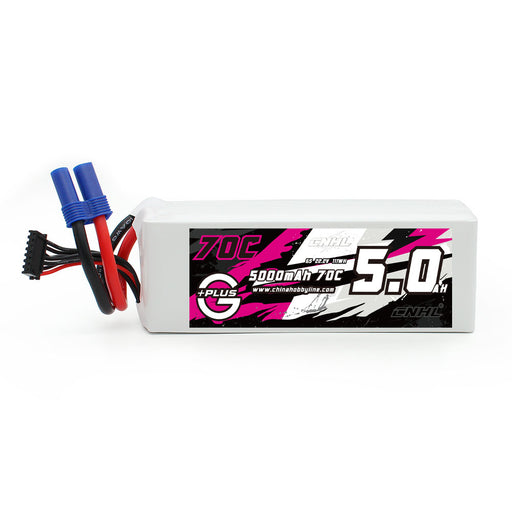
La batteria LiPo CNHL G+Plus 5000mAh 22.2V 6S 70C con connettore EC5 è l’abbinamento più diretto con la raccomandazione standard da 5000mAh di Freewing.
Con un peso di circa 714 g, offre un compromesso pratico tra la configurazione più leggera da 4000mAh e l’opzione da 6700mAh ad alta capacità. È adatta ai piloti che desiderano un mix equilibrato di circuiti realistici, acrobazie, passaggi veloci e una buona riserva di batteria.
Questa è la batteria iniziale più semplice per stabilire la posizione normale del baricentro dell’aereo, il timer di volo e la gestione quotidiana prima di provare pacchi più leggeri o di maggiore capacità.
La batteria LiPo HV CNHL Lightning LiHV da 6700 mAh 22.8V 6S 120C con connettore EC5 è l'opzione ad alta capacità per i piloti che desiderano più energia utilizzabile senza accettare il peso normalmente associato a un grande pacco convenzionale 6S.
Sebbene 6700 mAh superi la raccomandazione pubblicata da Freewing di 6000 mAh, questa batteria pesa circa 758 g. Sono solo circa 44 g in più rispetto al pacco G+Plus da 5000 mAh, offrendo al contempo 1700 mAh di capacità nominale aggiuntiva.
La decisione finale deve comunque basarsi sull'inserimento fisico, sull'installazione sicura e sulla possibilità di bilanciare l'aeromodello al baricentro richiesto di 78 mm.
| Batteria | Capacità | Peso | Fusoliera più batteria | Uso consigliato |
|---|---|---|---|---|
| Lightning LiHV 4000 mAh 120C EC5 | 4000 mAh | 521 g | Circa 2398 g | Volo sportivo leggero |
| G+Plus 5000 mAh 70C EC5 | 5000 mAh | 714 g | Circa 2591 g | Volo quotidiano equilibrato |
| Lightning LiHV 6700 mAh 120C EC5 | 6700 mAh | 758 g | Circa 2635 g | Capacità elevata con peso ragionevole |
I valori relativi a fusoliera più batteria sono calcolati a partire dal peso pubblicato da Freewing di 1877 g senza batteria. Il peso effettivo pronto al volo varierà in base al ricevitore, al cablaggio, ai dettagli in scala, alle riparazioni e alle tolleranze dei componenti.
Un valore di capacità maggiore non significa automaticamente che una batteria sia troppo grande o troppo pesante per un aeromodello. Il design delle celle, la costruzione del pacco, le dimensioni e la densità energetica possono creare differenze sostanziali tra batterie con capacità simili o persino inferiori.
Il pacco Lightning da 6700 mAh, per esempio, pesa solo 44 g in più rispetto al pacco G+Plus da 5000 mAh. Questo piccolo aumento di peso è più rilevante per il JL-8 rispetto al solo valore della capacità.
Per questo aeromodello, le domande più utili nella scelta della batteria sono:
Il JL-8 dovrebbe essere bilanciato a 78 mm dietro il bordo d'attacco dell'ala, alla radice alare. Ogni batteria dovrebbe essere considerata come una configurazione separata, anziché essere automaticamente posizionata nello stesso punto.
Il pacco leggero da 4000 mAh potrebbe dover essere posizionato più avanti, mentre quello più grande da 6700 mAh potrebbe dover essere spostato all'indietro. La posizione finale dipenderà anche dalla collocazione del ricevitore, dal cablaggio, dai dettagli in scala e da eventuali riparazioni o modifiche apportate alla fusoliera.
Dopo aver cambiato il tipo di batteria:
Il valore del JL-8 dipende da ciò che l’acquirente si aspetta da un EDF da 80 mm. Un pilota interessato esclusivamente al prezzo d’acquisto più basso potrebbe attribuire meno valore al giroscopio integrato, alle ali a sgancio rapido, all’illuminazione, alla spinta inversa e ai carrelli in alluminio.
Il pacchetto Freewing diventa ancora più convincente considerando l’esperienza complessiva di possesso:
Il punto di forza del modello è l’equilibrio tra prestazioni di volo e praticità. Un modello può fare un’ottima impressione il primo giorno, ma ha più probabilità di diventare una scelta abituale al campo di volo quando è piacevole da pilotare, semplice da trasportare e facile da preparare tra un volo e l’altro.
Il JL-8 è particolarmente adatto a:
Potrebbe non essere la scelta migliore per:
Il jet EDF Freewing PLAAF JL-8 da 80 mm ha successo perché le sue caratteristiche principali perseguono lo stesso obiettivo: offrire a un pilota di livello intermedio un modello in scala abbastanza pratico da essere usato regolarmente e sufficientemente capace da rimanere interessante.
La fusoliera compatta sfrutta bene il sistema propulsivo da 80 mm. Il giroscopio EG01 garantisce la stabilità senza eliminare la risposta naturale dell’aereo. L’assistenza allo sterzo migliora la corsa di decollo, mentre flap, carrelli retrattili e spinta inversa rendono più gestibile la fase sulla pista.
In volo, il JL-8 può procedere comodamente a una manetta parziale, salire con autorità, mantenere traiettorie convincenti in volo a coltello e passare a un avvicinamento controllato a motore. Offre prestazioni sufficienti per il volo sportivo senza rinunciare al carattere fluido tipico di un addestratore avanzato.
Non è la scelta automatica per un pilota EDF alle prime armi e la livrea non piacerà a tutti. Per un pilota intermedio alla ricerca di un passo avanti rispetto a un jet sportivo convenzionale, il JL-8 offre una combinazione equilibrata di presenza da modello in scala, praticità moderna e autentiche capacità di volo.
Il JL-8 utilizza una batteria 6S con connettore EC5. Si consigliano batterie da 4000-6700 mAh, con 5000 mAh come capacità di riferimento standard. È sempre necessario verificare le dimensioni della batteria, il peso installato, la stabilità del fissaggio e il CG specificato di 78 mm.
È più adatto a un pilota di livello intermedio o a chi acquista il secondo EDF. In genere, un jet sportivo docile è un primo passo migliore prima di passare a un modello in scala con carrelli retrattili, flap, modalità del giroscopio e requisiti di atterraggio più impegnativi.
Un sistema con almeno sei canali può gestire le principali funzioni di volo. Sono necessari sette canali per accedere alle modalità del giroscopio selezionabili e otto canali quando viene assegnata anche l’inversione della spinta.
Si consigliano superfici di pista dure. L’utilizzo sull’erba dipenderà dalle condizioni del manto erboso, dalla lunghezza della pista, dal peso della batteria e dall’esperienza del pilota, ma una pista liscia asfaltata o adeguatamente preparata rimane l’opzione più sicura.
Il pacco CNHL Lightning LiHV da 6700 mAh, con un peso di circa 758 g, pesa solo circa 44 g in più rispetto all’opzione CNHL da 5000 mAh consigliata. Si può ritenere che entri saldamente e che l’aeromodello possa comunque essere bilanciato al CG richiesto di 78 mm.
Confronta le opzioni consigliate leggere, bilanciate e ad alta capacità nella collezione di batterie per Freewing JL-8.
Puoi anche consultare le batterie LiPo per jet EDF, confrontare altri pacchi nella collezione di batterie LiPo CNHL da 22,2 V 6S o esplorare la serie di batterie LiHV CNHL Lightning.
CNHL mira a fornire batterie Li-Po di alta qualità e prodotti RC a tutti gli appassionati di hobby con un eccellente servizio clienti e prezzi competitivi

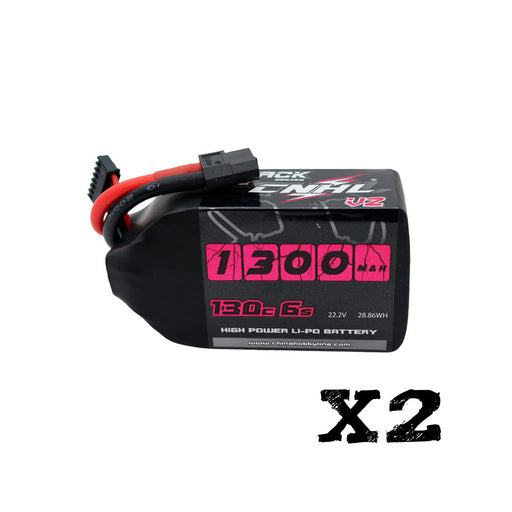
Verifica rapida della compatibilità Il prodotto confezione da 2 batterie LiPo CNHL Black Series V2.0 da 1300mAh 22,2V 6S 130C con connettore XT60 è...
Visualizza dettagli completiRicambi e supporto a lungo termine Sappiamo che, per i piloti di modelli radiocomandati, un supporto affidabile per i ricambi è fondamentale ...
Visualizza dettagli completiSpecifiche: Numero di magazzino: 500706EC5 Capacità: 5000mAh Tensione: 22.2V / 6-Cell / 6S1P Velocità di scarica: 70C Continua / 140C Burst Veloc...
Visualizza dettagli completi
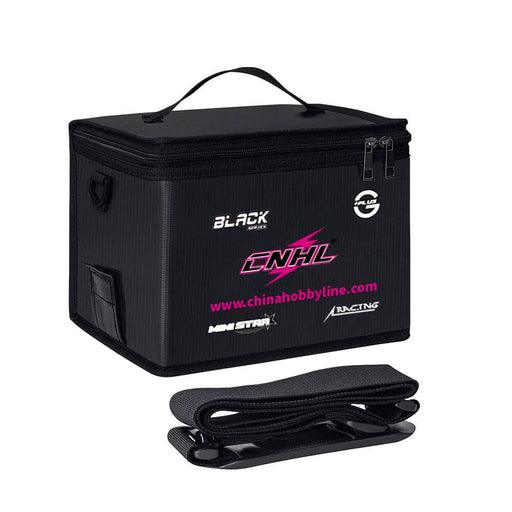
La borsa per batterie LiPo CNHL è progettata per una ricarica, trasporto e conservazione più sicuri delle LiPo a casa o sul campo. Aggiunge un live...
Visualizza dettagli completiControllo rapido della vestibilità Il pacchetto da 2 CNHL Speedy Pizza Series Pro 1350mAh 6S 150C LiPo con spina XT60 è progettato per piloti F...
Visualizza dettagli completi

La cella cilindrica Li-ion CNHL Long Range Series BAK 65E da 6350mAh 21700 è progettata con una priorità ben precisa: massimizzare l'energia immaga...
Visualizza dettagli completi

La cella agli ioni di litio CNHL Long Range Series BAK 50D da 5000mAh 21700 è progettata per pacchi batteria personalizzati ad alta energia che ric...
Visualizza dettagli completi

ISDT C4 EVO è un caricabatterie intelligente versatile, progettato per pile AA, AAA e celle cilindriche ricaricabili, dalle compatte batterie 10440...
Visualizza dettagli completi

La batteria CNHL Long Range Series 6350mAh 21.6V 6S1P 21700 Li-ion combina sei celle BAK 65E ad alta energia in un pacco da 137.16Wh progettato per...
Visualizza dettagli completi

La batteria CNHL Long Range Series 5000mAh 21.6V 6S1P Li-ion 21700 combina sei celle BAK 50D in un pacco compatto da 108Wh, progettato per FPV a lu...
Visualizza dettagli completi




Lascia un commento