Dynam E-2C Hawkeye Review: 1500mm Twin-Engine RC Plane with Rotating Radar
Answer first: The Dynam E-2C Hawkeye is a distinctive 1500mm twin-engine RC scale airplane that flies better than its complicated appearance might suggest. It is stable in normal flight, has effective flaps, uses a practical 4S 3200mAh battery and looks unlike almost anything else at the field. However, it is not a beginner model, and owners should carefully inspect the radar mount, cowlings, wing wiring, retracts and assembly hardware before the first flight.
Its greatest attraction is obvious: few manufacturers are willing to produce an E-2 Hawkeye RC plane with a functional 360-degree rotating radar dome, twin four-blade propellers, four vertical tails, retractable landing gear and full navigation lighting. The Dynam model turns that unusual full-size airborne early warning aircraft into a practical foam model with a 1500mm wingspan and a published flying weight of approximately 3150g.
The Dynam E2C Hawkeye is best suited to an intermediate pilot who already understands coordinated turns, flap deployment, retractable landing gear and powered approaches. Treat it as a scale twin rather than an unlimited aerobatic airplane, complete a detailed preflight inspection and it can deliver a rewarding combination of visual presence and solid flight performance.

Dynam E-2C Hawkeye at a Glance
The Hawkeye is not simply another twin-motor foam airplane with military paint. Its high wing, four vertical tail surfaces and large radar disc create a silhouette that is instantly recognizable, even from a distance.
Dynam has equipped the model with two TomCat 3520-KV770 brushless motors, two TomCat Skylord 40A ESCs and counter-rotating four-blade propellers. The published battery recommendation is a 4S 14.8V 3200mAh 25C LiPo with an XT60 connector.
| Aircraft | Dynam E-2C Hawkeye AEW |
| Wingspan | 1500mm / 59.0 in |
| Length | 1106mm / 43.7 in |
| Flying Weight | Approximately 3150g with battery |
| Motors | 2 × TomCat 3520-KV770 brushless motors |
| ESCs | 2 × TomCat Skylord 40A ESCs |
| Propellers | Counter-rotating 10.5 × 8 four-blade propellers |
| Recommended Battery | 4S 14.8V 3200mAh 25C LiPo with XT60 |
| Center of Gravity | 95–100mm behind the wing leading edge at the root |
| Skill Level | Intermediate |
The Real Grumman E-2 Hawkeye Behind the RC Model
The full-size Grumman E-2 Hawkeye was created for airborne early warning and command-and-control work from aircraft carriers. Rather than adapting an existing transport or patrol aircraft, the E-2 was designed around that mission from the beginning.
The first aerodynamic prototype flew in October 1960, and the E-2A entered United States Navy service in 1964. The improved E-2C followed after extensive development of the radar, computers, communications equipment and overall reliability, becoming operational in 1973.
The real aircraft is built around a high wing, two turboprop engines, retractable tricycle landing gear and a five-person crew. Its defining feature is the approximately 24-foot rotating radar dome mounted above the fuselage. That rotodome gives the Hawkeye its unmistakable outline and supports its role as the airborne eyes and command center of a carrier group.
Early and many long-serving E-2C aircraft used four-blade propellers. A newer eight-blade NP2000 propeller system began appearing on upgraded E-2Cs in the 2000s. Dynam’s use of four-blade propellers therefore gives its E-2C Hawkeye model more of the visual character associated with earlier configurations, although the RC model should not be treated as a precise representation of one particular aircraft or date without confirming its markings.

What Makes the Dynam E-2C Hawkeye So Different?
The functional radar dome is the headline feature. Connect the flight battery and the disc begins rotating, continuing until the model is disconnected. It is not simply a painted foam ornament placed above the fuselage.
That movement adds a level of scale presence that becomes especially noticeable during taxiing, low passes and gear-down approaches. The model also includes red and green navigation lights, a belly light and a tail light, helping the high-wing airframe remain visible against a darker background.
Additional scale and functional features include:
- Functional 360-degree rotating radar dome
- Twin counter-rotating four-blade propellers
- Electric retracts with spring-loaded aluminum struts
- Landing-gear doors
- Flaps divided across the inner and outer wing sections
- Dual-servo elevator control
- Twin rudders and steerable nose gear
- Navigation and position lighting
- Three-piece wing with carbon-fiber reinforcement
- Magnetic detachable nose and removable motor cowlings
The mold includes panel-line and rivet detail, while the large upper hatch provides convenient access to the receiver and battery area. It is a far more elaborate model than a basic four-channel sport plane.
Assembly: Quick in Theory, More Demanding in Practice
Dynam promotes the Hawkeye as a modular, screw-together aircraft with a three-piece wing and no glue required for normal assembly. That is broadly accurate, but the experience can depend heavily on the individual airframe.
Our tested aircraft required considerably more preparation than the product description might suggest. Four screws for the outer vertical tails were missing, two threaded tail-mounting points had to be cleaned before the screws would engage, and the aluminum radar-hub component contained burrs that prevented it from sliding correctly onto the drive shaft.
The instruction sequence for the radar also created unnecessary difficulty. Installing the radar support on the fuselage before attaching the disc provides much better screwdriver access than assembling the complete radar unit first.
The removable outer wing panels use one electrical connection and two screws per side. The panels themselves fitted correctly, but the relatively stiff wiring made it difficult to tuck the leads into their recesses without pinching them between the wing sections.
We believe that these problems are not identical on every aircraft. Some examples arrived complete and required little more than routine assembly, while others showed foam dents, paint lifting, hardware problems, servo-direction issues or loose hatch components. The sensible conclusion is not that every Dynam Hawkeye has the same defect, but that quality-control consistency deserves attention.

Assembly Checks We Would Complete Before Flying
Even when the model appears complete, set aside time for a methodical inspection. This is particularly important on a twin-engine aircraft with retracts, multiple tail surfaces and a powered radar mechanism.
- Inspect all mounting hardware. Confirm that the tail, outer fins, radar support and wing screws are present and engage cleanly.
- Check the radar hub. It should seat correctly on the drive shaft without wobbling or binding.
- Secure the radar disc. Confirm that both locking screws are correctly tightened.
- Inspect the wing wiring. Make sure the leads sit inside their recesses and are not pinched during field assembly.
- Match the elevator halves. Both elevator servos must move at the same speed and reach the same positions.
- Check motor direction. Confirm that each motor and its matching standard or reverse propeller are installed correctly.
- Cycle the retracts. Watch all three legs and make sure the gear doors do not trap a wheel.
- Secure the magnetic cowlings. Add an appropriate secondary retention method when necessary.
- Restrain the battery leads. Keep the XT60 and balance wires away from the nose retract.
- Check the CG. Balance the flight-ready model at 95–100mm with the selected battery installed.
Radio Setup and Available Versions
The standard airplane can be configured as a six-channel model. Its basic functions are throttle, ailerons, elevator, rudders with nose-wheel steering, flaps and retractable landing gear. The radar rotates automatically when the aircraft is powered rather than using a separate transmitter channel in the standard configuration.
A six-channel receiver therefore covers the basic functions, while a receiver with additional channels can give an experienced pilot more flexibility for independent servo adjustment, custom mixes, gyro control or future modifications.
| Version | Included Radio Equipment | What You Still Need |
|---|---|---|
| PNP | Motors, ESCs and servos installed | Transmitter, receiver, battery and charger |
| BNF | SR6-RC iStone gyro receiver | Compatible Detrum transmitter, battery and charger |
| SPNP | iStoneAll V3 stabilizer with runway correction | Compatible radio system, battery and charger |
| SRTF-8C | Gavin-8C transmitter and SR6-RC gyro receiver | Normal assembly and setup |
| SRTF-DT9 | Blitz-DT9 transmitter and SR86A-G receiver | Normal assembly and setup |
| SRTF-DT9 GPS | DT9 radio system, gyro receiver and GPS module | Normal assembly and GPS setup |
Package contents can vary between listings and sales regions, so confirm the exact receiver, transmitter, battery and charger included with the version being purchased.
How Does the Dynam E2C Hawkeye Fly?
Once assembled and correctly balanced, the Hawkeye is a solid and pleasant aircraft in the air. An independent first flight was completed without gyro stabilization and included trim work, flap testing, touch-and-goes and stall checks. The model handled those tasks successfully before stabilization was added for later flights.
A properly tuned gyro can make the airplane feel smoother, particularly in wind, but it is not covering up an unflyable airframe. An experienced pilot can fly the E-2C successfully without stabilization.
The power system is best described as appropriate rather than excessive. Dynam publishes an optimistic thrust-to-weight claim, but the practical impression is of a nicely powered scale twin rather than an airplane that constantly tries to climb out of sight.
It has enough authority for:
- Short, confident takeoffs
- Normal scale climb-outs
- Low and medium-speed passes
- Large loops and basic rolls
- Inverted passes in capable hands
- Powered go-arounds when an approach does not look right
What it does not feel like is a dedicated aerobatic twin. The radar mechanism, outer-wing structure and overall scale airframe all suggest that repeated high-G manoeuvres are unnecessary and may shorten the service life of the model.
Coordinated Turns Matter
The Hawkeye prefers coordinated aileron and rudder input. Pilots accustomed to simply banking a sport model and pulling elevator may initially find that the E-2C needs more active rudder work.
The twin rudders are effective, but their response is not as aggressive as the large tail area might suggest. More rudder deflection may be required during turns than a pilot expects when looking at the four-tail arrangement on the ground.
This is one reason the model is better suited to an intermediate pilot. Coordinated turns help maintain a clean flight path and reduce the tendency to let the airplane skid through the turn.

Flaps, Stalls and Landing Behavior
The flaps are one of the most useful flight features. They noticeably reduce the speed required for approach and make the large airframe easier to manage near the runway.
However, slower does not mean power-off. The Dynam Hawkeye benefits from a stabilized descent with some throttle carried through the approach. Reducing the power completely and expecting it to float like a lightweight trainer is not the right technique.
A good landing sequence is:
- Reduce speed before extending the landing gear.
- Deploy the first flap setting and allow the model to settle.
- Use the final flap setting after confirming the approach remains stable.
- Maintain enough throttle to control the descent rate.
- Use rudder to keep the nose aligned with the runway.
- Reduce power progressively during the flare rather than cutting it too early.
Both clean and gear-and-flap-down stall tests showed a noticeable left-wing drop. Recovery was straightforward when sufficient altitude was available, but this is not a model to stall close to the ground.
The gear-and-flap-down configuration also creates considerable drag. Altitude can disappear quickly, which reinforces the need to manage throttle throughout the approach.

Does the Rotating Radar Affect the Aircraft in Flight?
The large disc looks as though it should create unusual aerodynamic effects, particularly when it moves on its mounting system. In the tested aircraft, however, the pilot did not feel an obvious change in handling caused by the rotating radar, even during basic aerobatics.
That does not mean the mechanism should be ignored. The disc and its motor support can move when the aircraft is handled, and aggressive manoeuvres add load to a component mounted well above the fuselage.
For long-term reliability, inspect the following regularly:
- Radar disc for warping or damage
- Aluminum drive hub for looseness
- Drive-motor shaft and locking screws
- Plastic support structure for cracks
- Changes in sound, speed or wobble while rotating
We would prefer the radar to operate from a separate switch rather than rotate whenever the flight battery is connected. In its standard arrangement, it is primarily a continuously operating scale feature.
Best Battery for the Dynam E-2C Hawkeye
Dynam recommends a 4S 3200mAh 25C LiPo with an XT60 connector. Our flight testing used both 3200mAh and 3700mAh 4S batteries in the same general tray position without a meaningful change in balance.
A practical 3200–3500mAh range for a stock-like setup, while a compatible 3700mAh pack offers more capacity when its dimensions, weight and final CG have been checked.
| Recommended Battery | Configuration | Best For |
|---|---|---|
| CNHL Black Series 3200mAh 4S 30C Shorty XT60 | 4S LiPo, 3200mAh, 30C | Best overall and closest factory match |
| CNHL 3700mAh 4S 40C XT60 | 4S LiPo, 3700mAh, 40C | Additional capacity and landing reserve |
| CNHL Lightning LiHV 3500mAh 4S 120C XT60 | 4S LiHV, 3500mAh, 120C | High-output performance and voltage support |
The Black Series 3200mAh Shorty is the most direct replacement for the official recommendation. Its compact shape also leaves additional room for CG adjustment and cable routing.
The 3700mAh 40C option increases stored capacity by approximately 16% compared with 3200mAh. It may provide more flight reserve, but the additional capacity does not automatically produce a 16% increase in flight time because the pack may also add weight.
The Lightning LiHV 3500mAh provides stronger discharge headroom and resistance to voltage sag. A 4S LiHV battery reaches 17.4V when fully charged to 4.35V per cell, so that charging mode should only be used after the complete power system has been confirmed to support the higher fully charged voltage. Otherwise, charge the LiHV pack to 4.20V per cell and use it at the same 16.8V maximum as a standard 4S LiPo.
See the complete Dynam E-2C Hawkeye battery collection for compatible 3200mAh, 3300mAh, 3500mAh and 3700mAh XT60 options.
Battery Position and Nose-Retract Clearance
The top-loading battery compartment is spacious for the recommended battery class, but the arrangement of the nose retract means cable routing matters as much as battery fit.
Place the battery securely on the wooden tray and restrain both the main XT60 lead and balance lead. Cycle the nose gear while watching the wires from above. No cable should be able to fall into the path of the retracting leg or gear-door mechanism.
After changing battery type or capacity:
- Check physical clearance around the battery and hatch
- Secure the pack against forward and sideways movement
- Restrain the XT60 and balance leads
- Cycle the nose gear several times
- Confirm the 95–100mm CG
- Recheck balance with the aircraft completely flight-ready
Can the Dynam E-2C Hawkeye Fly from Grass?
The spring-loaded aluminum landing gear gives the Hawkeye a better chance on a prepared grass field than a model with thin, rigid wire gear. Its size and tricycle layout also make ground handling relatively predictable.
Smooth, closely cut grass should be practical when the surface beneath it is firm. Tall or uneven grass is a different matter. The nose-gear doors sit low enough to catch vegetation, while the four-blade propellers and retract mechanism are not features to expose casually to a rough field.
For grass operation:
- Use the shortest and smoothest available section
- Inspect the nose-gear doors before every takeoff
- Keep the nose light as speed builds
- Avoid steering sharply through deep grass
- Inspect the retracts, doors and propeller tips after landing
A paved or closely maintained runway remains the safer environment for protecting the scale gear system.
Is the Dynam Hawkeye Suitable for Beginners?
No. The Hawkeye may be stable, but stability alone does not make an aircraft beginner-friendly.
A new pilot must manage:
- Two motors and counter-rotating propellers
- Retractable landing gear and gear doors
- Multiple flap settings
- Twin rudders and coordinated turns
- A powered landing approach
- A relatively heavy 3150g airframe
- A left-wing drop at the stall
- More extensive assembly and preflight checks
It is better viewed as a third or fourth airplane for a pilot who is already comfortable with a trainer, a low-wing sport model and at least one aircraft with flaps or retracts.
A gyro with self-level or rescue functions may provide additional protection, but it does not replace the skills required to judge speed, line up an approach or recover from a low-energy turn.
Dynam E-2C Hawkeye Pros and Cons
| What It Does Well | What Needs Attention |
|---|---|
| One of the few foam E-2 Hawkeye models available | Quality-control consistency may vary between aircraft |
| Functional rotating radar creates exceptional scale presence | Radar support and drive mechanism need inspection |
| Solid, stable flight behavior after correct setup | Not suitable for beginners or low-time pilots |
| Effective flaps and realistic powered approaches | Stall can produce a noticeable left-wing drop |
| Practical 4S 3200mAh XT60 battery setup | Battery wires must be kept clear of the nose retract |
| Spring-loaded retracts and good runway presence | Tall grass can catch the low nose-gear doors |
Who Should Buy the Dynam E-2C Hawkeye?
This model makes the most sense for a pilot who values unusual aircraft subjects and realistic flight presentation more than quick assembly or unlimited aerobatic performance.
It is especially appealing when:
- You specifically want an E-2C Hawkeye RC model
- You enjoy military scale aircraft that are not fighters
- You already fly models with flaps and retracts
- You are comfortable checking hardware and correcting small assembly issues
- You prefer scale circuits, low passes and realistic approaches
- You have access to a suitable runway and enough flying space
There are more refined foam twins if the priority is the easiest possible build. There are faster twins if speed is the objective. What those alternatives generally do not provide is the visual identity of a Hawkeye with a moving radar disc above the fuselage.
Final Verdict
The Dynam E-2C Hawkeye is a model whose flying qualities are easier to recommend than its assembly consistency. Once correctly prepared, it is stable, appropriately powered and satisfying to fly. It handles normal scale manoeuvres well, responds positively to flaps and can make a convincing approach with the gear, lights and radar all operating.
The trade-off is that buyers should not assume every screw, wire, threaded insert, magnetic panel and radar component is ready without inspection. Some aircraft appear to leave the factory in better condition than others.
That extra preparation may be difficult to justify on an ordinary twin-engine foam model. The Hawkeye is not ordinary. Dynam has chosen a subject that larger competitors often avoid, and that matters to pilots who have wanted an E-2 in their hangar.
Our conclusion is straightforward: buy the Dynam E-2C Hawkeye for its unique subject, convincing scale presence and solid flight performance—not because it promises a completely effortless build. Pilots willing to inspect and prepare it carefully can end up with one of the most memorable twin-engine RC airplanes at the field.
Dynam E-2C Hawkeye FAQ
What battery does the Dynam E-2C Hawkeye use?
CNHL recommends a 4S 14.8V 3200mAh 30C Shorty LiPo battery with an XT60 connector. CNHL compatible 3200–3700mAh options can be considered after checking dimensions, weight, wiring clearance and the 95–100mm center of gravity.
How long does the Dynam E-2C Hawkeye fly?
Dynam lists an approximate flight time of nine minutes with the recommended setup. Actual duration depends on throttle use, wind, battery condition, approach practice and retained landing reserve. Begin with a conservative timer and adjust it after measuring the capacity returned to the battery.
Does the radar dome rotate during flight?
Yes. The radar dome begins rotating when the aircraft is powered and normally continues until the flight battery is disconnected. Its movement did not create an obvious handling problem during independent flight testing.
Can the Dynam Hawkeye fly without a gyro?
Yes. The model has been flown successfully without stabilization. A properly tuned gyro can improve smoothness and wind resistance, but an experienced pilot does not require one to keep the aircraft under control.
Can it take off from grass?
Smooth, short grass should be possible, but tall or rough grass can catch the nose-gear doors and place additional load on the retract system. A paved or closely maintained runway is preferable.
Is the Dynam E2C Hawkeye a beginner RC plane?
No. It is an intermediate model better suited to a pilot’s third or fourth aircraft. The pilot should already understand rudder coordination, flap use, retractable landing gear, stall recovery and powered approaches.
Why does the Dynam model use four-blade propellers?
Many E-2C Hawkeyes operated with four-blade propellers before upgraded aircraft began receiving the eight-blade NP2000 system. The four-blade setup therefore remains visually appropriate for an E-2C-inspired scale model.
Complete Your Dynam Hawkeye Setup
Compare all compatible 4S batteries for the Dynam E-2C Hawkeye, including stock-capacity 3200mAh packs, high-output LiHV options and higher-capacity batteries for additional flight reserve.
You can also browse the complete range of CNHL airplane batteries for twin-engine aircraft, civilian scale planes, sport models, warbirds and EDF jets.
Safety and Fit Notice
Always inspect the battery, XT60 connector, balance lead and aircraft wiring before charging or flying. Use a compatible balance charger, select the correct LiPo or LiHV program and never leave a charging battery unattended.
Battery fit can vary with pack dimensions, receiver position, wiring, straps and production tolerances. Verify physical clearance, installed weight and center of gravity in your own aircraft. Keep all battery leads away from the retractable nose gear and other moving components.
Complete a full control, motor, propeller, retract, flap, radar and range check before the first flight. Do not use an aircraft or battery with visible structural damage, loose hardware, abnormal heat, swelling or unreliable electrical operation.
ベストセラー
-
元の価格 $51.98元の価格 $51.98 - 元の価格 $51.98元の価格 $51.98$45.98 USD - $51.98 USD$45.98 - $51.98現在の価格 $45.98 USD
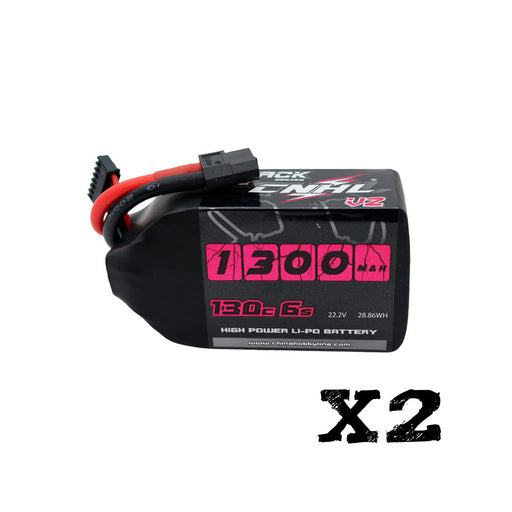
2パック CNHL ブラックシリーズ V2.0 1300mAh 22.2V 6S 130C リポバッテリー XT60プラグ付き
在庫に10以上ありますクイックフィットチェック 2パック CNHL Black Series V2.0 1300mAh 22.2V 6S 130C LiPoバッテリー(XT60プラグ付き)は、フリースタイル、高速シネマティック飛行、軽量パフォーマンスビルド向けの実績ある6S 1300mAh XT60バッテリーを求め...
詳細をすべて表示元の価格 $51.98元の価格 $51.98 - 元の価格 $51.98元の価格 $51.98$45.98 USD - $51.98 USD$45.98 - $51.98現在の価格 $45.98 USD最大12%節約 -
元の価格 $35.99元の価格 $35.99 - 元の価格 $35.99元の価格 $35.99$29.99 USD - $35.99 USD$29.99 - $35.99現在の価格 $29.99 USD
Hstar D43-01Q 1/43 4WD 合金ドリフトRCカー – 911スタイル、フル比例制御、ジャイロ、二段階速度、LEDライト&Type-C充電
残り6台のみHstar D43-01Q 911 Style は、室内のテーブルトップでの楽しみとリアルなドリフトを目的としたミニ1/43合金ドリフトRCカーです。フル比例スロットルとステアリング、調整可能なジャイロ、二速モード、独立サスペンション付き4WD、リモコン操作のLEDライト、便利なType-...
詳細をすべて表示元の価格 $35.99元の価格 $35.99 - 元の価格 $35.99元の価格 $35.99$29.99 USD - $35.99 USD$29.99 - $35.99現在の価格 $29.99 USD最大17%節約 -
元の価格 $559.00元の価格 $559.00 - 元の価格 $559.00元の価格 $559.00現在の価格 $494.10 USD$494.10 - $494.10現在の価格 $494.10 USD
CNHL スーパー・トゥカーノ 1600mm RC 戦闘機 プレーン PNF 格納脚 フラップ & LEDライト付き
在庫に10以上あります予備部品の在庫状況 RCパイロットにとって、信頼できる予備部品のサポートが実際にどれだけ長く飛行機を空に留められるかを決定することを私たちは知っています。だからこそ、Super Tucanoの予備部品プログラムを積極的に拡大しています。 新しい機体と必須の交換部品はす...
詳細をすべて表示元の価格 $559.00元の価格 $559.00 - 元の価格 $559.00元の価格 $559.00現在の価格 $494.10 USD$494.10 - $494.10現在の価格 $494.10 USD12% 節約する -
元の価格 $65.99元の価格 $65.99 - 元の価格 $65.99元の価格 $65.99$55.99 USD - $65.99 USD$55.99 - $65.99現在の価格 $55.99 USD
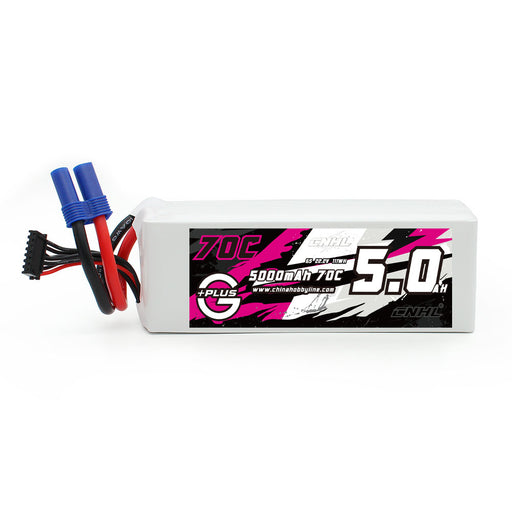
CNHL G+Plus 5000mAh 22.2V 6S リポバッテリー 70C EC5プラグ付き
残り2台のみ仕様: ストック番号: 500706EC5 容量: 5000mAh 電圧: 22.2V / 6セル / 6S1P 放電率: 70C 継続 / 140C バースト 充電率: 最大5C サイズ(1-5mmの誤差): 49X51X149mm(高さ*幅*長さ) おおよその重量(±5g) : 71...
詳細をすべて表示元の価格 $65.99元の価格 $65.99 - 元の価格 $65.99元の価格 $65.99$55.99 USD - $65.99 USD$55.99 - $65.99現在の価格 $55.99 USD最大15%節約 -
元の価格 $12.99 - 元の価格 $25.98元の価格 $12.99$12.99 USD - $25.98 USD$12.99 - $25.98現在の価格 $12.99 USD
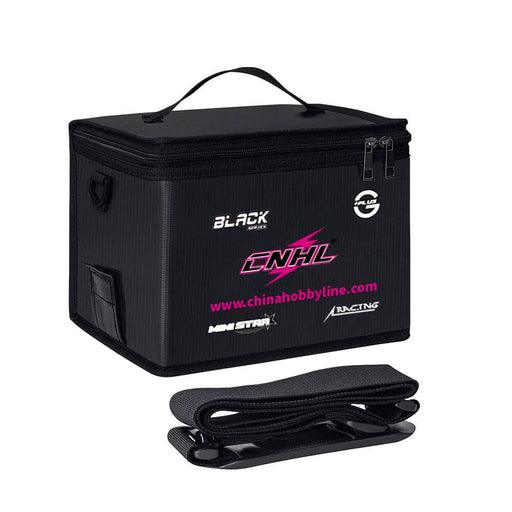
CNHL リポ電池袋 – 防火充電・保管安全ケース
残り5台のみCNHL LiPoバッテリーバッグは、自宅やフィールドでのより安全なLiPo充電、輸送、保管のために設計されています。バッテリー故障時の熱、火花、炎の拡散を抑えつつ、作業スペースを整理し、充電作業をより管理しやすくする実用的な保護層を提供します。 このタイプのLiPo安全バッグは、屋内、ガレー...
詳細をすべて表示元の価格 $12.99 - 元の価格 $25.98元の価格 $12.99$12.99 USD - $25.98 USD$12.99 - $25.98現在の価格 $12.99 USD
新しいアイテム
-
元の価格 $12.99 - 元の価格 $12.99元の価格 $12.99$12.99 USD$12.99 - $12.99現在の価格 $12.99 USD
CNHL 2 Pairs 5mm Heatsink Bullet Plug Grips with Bullet Connectors for 2S Hardcase LiPo Batteries
在庫に10以上ありますThe CNHL 2 Pairs 5mm Heatsink Bullet Plug Grips with Bullet Connectors are designed for RC racers who need a clean, secure and easy-to-handle conne...
詳細をすべて表示元の価格 $12.99 - 元の価格 $12.99元の価格 $12.99$12.99 USD$12.99 - $12.99現在の価格 $12.99 USD -
元の価格 $34.99 - 元の価格 $34.99元の価格 $34.99$34.99 USD$34.99 - $34.99現在の価格 $34.99 USD
Hobbywing Multifunction LCD Program Box Pro G3 with OTA Bluetooth and 2-8S Battery Voltage Checker
残り9台のみThe Hobbywing Multifunction LCD Program Box PRO G3 is an advanced ESC programming device for compatible Hobbywing brushless ESCs. Compared with a...
詳細をすべて表示元の価格 $34.99 - 元の価格 $34.99元の価格 $34.99$34.99 USD$34.99 - $34.99現在の価格 $34.99 USD -
元の価格 $55.99 - 元の価格 $55.99元の価格 $55.99$55.99 USD$55.99 - $55.99現在の価格 $55.99 USD
Scania S730 Official Licensed 1/64 Mini Drift RC Semi Truck with Wing-Opening Trailer
残り6台のみThe Scania S730 Official Licensed 1/64 Mini Drift RC Tractor Trailer brings scale truck collecting and RC driving into one compact desktop model...
詳細をすべて表示元の価格 $55.99 - 元の価格 $55.99元の価格 $55.99$55.99 USD$55.99 - $55.99現在の価格 $55.99 USD -
元の価格 $55.99 - 元の価格 $55.99元の価格 $55.99$55.99 USD$55.99 - $55.99現在の価格 $55.99 USD
Hstar D24-04S 1:24 トヨタ GR ヤリス スタイル RC ドリフトカー 4WD ジャイロコントロール付き
残り10台のみHstar D24-04Sは、屋内ドリフト、滑らかな床での練習、コンパクトなホームトラック向けに作られた1:24トヨタGRヤリススタイルの4WDジャイロドリフトRCカーです。 1:43の小型マイクロドリフトカーと比べて、D24-04Sはより大きく見やすいボディ、フル比例制御、調整可能...
詳細をすべて表示元の価格 $55.99 - 元の価格 $55.99元の価格 $55.99$55.99 USD$55.99 - $55.99現在の価格 $55.99 USD -
元の価格 $95.98 - 元の価格 $95.98元の価格 $95.98$95.98 USD$95.98 - $95.98現在の価格 $95.98 USD
CNHL ブラックシリーズ V2.0 1500mAh 29.6V 8S 130C リポバッテリー XT60プラグ付き 2パック
在庫に10以上ありますクイックフィットチェック 2パック CNHL Black Series V2.0 1500mAh 8S 130C LiPoバッテリー(XT60プラグ付き)は、カスタムフリースタイル、レーシング、その他の高電圧クアッドビルド向けにより大容量の8Sルートを求める高度なFPVパイロットを対象としてい...
詳細をすべて表示元の価格 $95.98 - 元の価格 $95.98元の価格 $95.98$95.98 USD$95.98 - $95.98現在の価格 $95.98 USD
コメントを残す