FMS J11 Twin 70mm EDF Review: Flight Time, Setup, Battery and Real-World Flying
The FMS J11 Twin 70mm EDF is not the easiest, lightest or longest-flying electric jet in its class. That is also why experienced EDF pilots find it so appealing. It combines a large Flanker-style airframe, twin 12-blade fans, detailed retracts, full-flying stabilizers and a single 6S battery system in an aircraft that looks and sounds convincing both on the runway and in the air.
The FMS J 11 rewards pilots who enjoy managing speed, power and approach energy rather than simply pointing a lightweight sport jet around the sky. It has real presence, but that presence comes with short flight times, meaningful battery load and a need for disciplined landing planning.
This guide looks beyond the specification sheet to explain how the FMS J11 actually behaves, what kind of runway it needs, why the battery timer matters so much, and how to choose between lighter 5000mAh packs and lightweight high-capacity LiHV options.

FMS J11 Twin 70mm EDF at a Glance
| Wingspan | 1110mm |
| Overall length | 1640mm |
| Flying weight | Approximately 4380g |
| EDF system | Twin 70mm 12-blade ducted fans |
| Motors | Dual 3060-KV1900 inrunner motors |
| ESCs | Dual 80A ESCs |
| Recommended battery | 6S 5000–6000mAh, 50C or higher |
| Battery connector | EC5 |
| Center of gravity | 145–150mm |
| Experience level | Intermediate |
Why the FMS J11 Has So Much Presence
At 1640mm long and approximately 4.38kg ready to fly, the FMS J11 feels more substantial than its 1110mm wingspan might suggest. The broad fuselage, widely spaced twin exhausts and tall vertical stabilizers give it the visual mass expected from a Flanker-family fighter.
That size is not only noticeable in the air. The aircraft takes up meaningful space in a vehicle, workshop or garage. The magnetic nose helps reduce transport length, but many owners will still need to remove the wings or carefully plan how the model is positioned in the car.
The model includes eight detachable pieces of ordnance, LED navigation and landing lights, sequenced gear doors, a functional dorsal airbrake, detailed cockpit treatment and full suspension landing gear. These details make the aircraft equally impressive during taxiing, takeoff and low-level passes.

Twin 70mm Power on One 6S Battery
One of the strongest ownership advantages of the FMS Twin 70mm EDF J 11 is its single-battery power system. Larger twin EDF jets often require two matched 6S packs for each flight. The J11 runs both fans from one 6S EC5 battery, reducing the number of packs that must be charged, transported and maintained.
That convenience should not be confused with low battery demand. Both 70mm fans draw from the same pack, and sustained high throttle can consume a 5000mAh battery rapidly. The combined load also makes voltage stability, connector condition and battery temperature more important than they would be in a lighter single-fan aircraft.
The twin 12-blade fans produce a fuller, smoother sound than older low-blade-count EDF systems. During a fast pass, the aircraft produces more of a turbine-like rushing sound and less of the high-pitched “hair dryer” tone associated with older electric jets.
How the FMS J11 Flies
The J11 feels heavy in a positive, scale-like way. It carries momentum through turns and passes, and it looks most convincing when flown in broad, deliberate lines rather than continuously forced through small sport-jet manoeuvres.
Once airborne, approximately 50–60% throttle can support smooth cruising in normal conditions, although the required power changes with battery weight, external ordnance, temperature and wind. Full throttle provides strong high-speed passes and useful vertical performance, but frequent full-power operation quickly reduces the safe flight window.
The full-flying stabilizers provide substantial pitch authority. The aircraft can perform rolls, large loops and aggressive pitch changes, but pilots should be cautious with excessive elevator throw. A tail-heavy setup or overly large stabilizer movement can make the aircraft extremely sensitive during the landing flare.
Without stabilization, the airframe can still fly smoothly in experienced hands. A suitable gyro-equipped receiver may help reduce wing rock or improve confidence during gusty approaches, but it should not be used to hide an incorrect CG, excessive control throw or poor speed management.

How Fast Is the FMS J11 Twin 70mm EDF?
In one GPS-equipped we flight, the FMS J11 Twin 70mm EDF reached approximately 162km/h. This is a useful real-world reference rather than a fixed top-speed claim, since the final result will vary with battery voltage, pack condition, wind, temperature, aircraft weight and the amount of external ordnance installed.
The J11 feels fast not only because of the recorded speed, but also because of its size and momentum. It covers a large amount of sky quickly, especially during low passes and extended full-throttle runs. The dark gray finish can also become harder to read as the aircraft moves farther away, so it is best flown in a clear, predictable pattern and kept within a comfortable visual range.
For most pilots, the more useful measure of performance is how well the aircraft carries speed through broad turns, vertical climbs and scale passes. Repeated full-power flying will shorten the usable battery window quickly, so speed runs should be balanced with moderate-throttle cruising and an early landing setup.
The Real FMS J11 Flight Time
FMS lists an approximate flight duration of four minutes, but the safe timer depends heavily on battery capacity, throttle use, weather and aircraft setup. A lighter 5000mAh pack can support an enjoyable flight, but it leaves less reserve for the landing circuit than the larger options in this guide.
With a 6S 5000–5200mAh battery, approximately three minutes is a sensible starting point for mixed-throttle flying. Repeated full-throttle passes, vertical climbs or hot-weather operation may require an earlier landing. A 5500–6200mAh pack generally gives more flexibility and can support roughly three to three and a half minutes, depending on how aggressively the aircraft is flown.
The lightweight CNHL Lightning LiHV 7200mAh 6S is better suited to an approximately four-minute flight target because it carries 20% more rated capacity than a 6000mAh pack while remaining close to the weight of many conventional 6000mAh 6S batteries. That extra capacity is especially useful in the FMS J11 because it provides more time for the landing setup and a possible go-around without the excessive weight normally associated with a standard 7200mAh pack.
Use these figures as initial timer settings rather than guaranteed flight durations. After each early flight, check the landed cell voltage, battery temperature and capacity returned during charging, then adjust the timer gradually for your own throttle style, weather and aircraft configuration.
| Battery setup | Suggested starting timer | Flying approach |
|---|---|---|
| 5000–5200mAh | About 3:00 | Best for a lighter, more responsive setup. Start the landing circuit before the timer when using frequent full throttle. |
| 5500–6200mAh | About 3:00–3:30 | A balanced everyday range with more reserve for scale flying, external ordnance and the landing circuit. |
| 6700mAh LiHV | About 3:30–4:00 | A lightweight high-capacity option that adds useful reserve while keeping installed weight practical. |
| 7200mAh LiHV | About 4:00 | The strongest choice for a four-minute target, with additional landing and go-around reserve compared with standard 5000–6000mAh packs. |
Important: The timer should still be shortened for sustained high-speed flying, repeated vertical manoeuvres, high ambient temperatures or an aging battery. Do not continue flying solely because the timer has not expired if telemetry or aircraft performance indicates that voltage is falling.
Why Telemetry Matters on a Twin EDF
A timer remains useful, but voltage telemetry provides a clearer warning when the battery is depleting faster than expected. Pack-voltage announcements or low-voltage alarms can identify a hot day, an aging battery or an unusually aggressive flight before the aircraft reaches the final circuit.
The safest approach combines several tools:
- Start with a conservative timer.
- Use pack-voltage telemetry where available.
- Check landed cell voltage immediately after flight.
- Record how much capacity is returned during charging.
- Leave enough reserve for one go-around.
The J11 can glide, but it does not carry the same power-off landing flexibility as a lightly loaded propeller aircraft. When the voltage falls sharply, available options disappear quickly.
Ordnance On or Off?
The detachable missiles and external stores are a major part of the FMS J11’s scale appearance. Installed, they make the aircraft look more complete during taxiing, gear passes and photography. Many pilots accept a small performance penalty because the visual result is worth it.
Removing the ordnance reduces drag and weight, improves ground clearance and lowers the risk of damage during an off-runway landing. This makes the clean configuration the better choice for a maiden flight, a speed test or operations from gravel and rough grass.
A practical ownership strategy is simple: fly clean while establishing the aircraft and battery setup, then reinstall the ordnance once takeoff, timer and landing behaviour are predictable.

Runway Requirements and Takeoff
The FMS J 11 is not a short-runway foam jet. Its weight, modest wheel size and single-pack twin-EDF layout require a long, smooth takeoff path. A slightly nose-heavy setup may feel reassuring on the maiden, but excessive forward balance increases the rotation distance and can make the aircraft reluctant to lift from the runway.
Paved or closely maintained surfaces are preferable. Gravel creates a foreign-object risk because stones can be drawn toward the lower air inlets and EDF units. Thick grass adds rolling resistance, increases the energy used before takeoff and may damage the external stores.
The large wheel bearings, suspension and durable retract system are valuable features, but they do not turn the model into a rough-field trainer. The cleaner and longer the runway, the greater the safety margin.
Landing the FMS J11
The J11 has no conventional landing flaps. Instead, it uses a functional dorsal airbrake. The airbrake contributes to the scale experience and can help manage energy, but its effect is limited compared with a large flap system.

The landing approach should therefore be planned through throttle, attitude and distance rather than relying on the airbrake to rescue an approach that is too fast or too high.
Extend the slow-moving landing gear early and confirm that it is fully down before turning onto final. Carry enough power to control the descent, then reduce it gradually as the aircraft enters the flare. The full-flying stabilizers provide good pitch authority, but abrupt elevator input can produce a bounce or rapid attitude change.
Most importantly, do not use the remaining battery for repeated touch-and-go attempts. A safe, slightly imperfect landing is preferable to another circuit made with insufficient voltage reserve.
Choosing the Best FMS J11 Battery
FMS recommends a 6S 5000–6000mAh battery rated at 50C or higher with an EC5 connector. That range is a sound baseline, but it should not be treated as an absolute capacity ceiling.
Battery suitability depends on more than capacity. The important factors are:
- Physical battery dimensions
- Installed battery weight
- Ability to achieve the 145–150mm CG
- Voltage and charger compatibility
- Discharge performance under twin-EDF load
- Takeoff and landing conditions
Conventional high-capacity LiPo batteries often become significantly heavier as capacity increases. Lightweight CNHL Lightning LiHV packs change that relationship. A higher-capacity LiHV battery can remain in the same general weight class as a smaller conventional LiPo, making capacity beyond the manual’s nominal range practical.
Explore the recommended 6S batteries for the FMS J11 Twin 70mm EDF.
5000–5200mAh: Lighter and More Responsive
A 5000mAh or 5200mAh 6S pack is closest to the standard FMS setup. The lower installed weight helps the aircraft rotate more easily and gives the stabilizers a more responsive feel.
This range suits pilots who value performance and are willing to use a strict timer. It is also the logical starting point for a maiden flight because the aircraft remains closer to the manual’s expected loading.
5500–6200mAh: Balanced Everyday Flying
This middle range adds useful reserve without moving too far from the conventional recommendation. It works well for broad scale passes, full ordnance and pilots who want more flexibility during the landing circuit.
The additional capacity does not guarantee a four-minute flight. Hot weather, repeated vertical climbs or aggressive throttle can still bring the usable time closer to three and a half minutes.
6700–7200mAh LiHV: Lightweight High Capacity
The CNHL Lightning LiHV 7200mAh 6S 120C with EC5 is a particularly strong match for the FMS J11. Its approximately 149 × 52 × 50mm dimensions fit the available battery space well, while its weight of about 800g is comparable to many conventional 6000mAh 6S LiPo batteries.
This allows the J11 to carry more rated capacity without the severe weight penalty normally expected from a 7000mAh-class pack. Correctly positioned, it remains practical for achieving the published CG and provides valuable energy reserve for a battery-hungry twin EDF.
The 6700mAh Lightning LiHV follows the same strategy at a slightly lower capacity. Both options should be selected because their dimensions and weight work with the aircraft—not simply because the battery compartment is large.
LiPo or LiHV?
A standard 6S LiPo has a nominal voltage of 22.2V and is normally charged to 4.20V per cell. A 6S LiHV has a nominal voltage of 22.8V and may be charged as high as 4.35V per cell when the complete power system supports the higher fully charged voltage.
The main reason to consider a Lightning LiHV pack for the FMS J11 is not simply its higher voltage. The more important advantage is the combination of capacity and low weight.
A LiHV battery may also be charged to the standard 4.20V-per-cell LiPo limit. This provides a more conservative voltage while retaining the physical and weight advantages of the pack, although the full rated LiHV capacity will not be used.
Before charging to 4.35V per cell, verify that both ESCs and every relevant onboard component support the resulting maximum voltage. A “6S” label alone does not always confirm full LiHV compatibility.
CG: Start with the Manual
Some advanced pilots move the FMS J11 CG behind the published position to improve rotation, reduce required cruise power or make Cobra-style manoeuvres easier. Those setups can also make the elevator much more sensitive and reduce the safety margin during landing.
The correct starting point remains the published 145–150mm CG. A slightly nose-heavy maiden setup is more predictable than an experimental rearward balance. Battery position should only be adjusted after several successful flights and with a clear understanding of how the change affects pitch response and landing behaviour.
Do not add tail weight simply to compensate for a battery that is unnecessarily heavy. A lighter battery with the same or greater capacity is usually a cleaner solution than increasing total aircraft weight at both ends.
Assembly and Preflight Checks
The FMS J11 is supplied as a PNP aircraft with the motors, ESCs, servos and retract system installed. The transmitter, receiver, flight battery and charger must be added separately.
Initial assembly is straightforward but deserves careful attention. The main wings slide over the wing spar, connect to the fuselage wiring and are retained by screws. The vertical stabilizers, full-flying horizontal stabilizers, control linkages, belly fins, magnetic nose and external stores must also be installed or checked.
Before every flying session:
- Inspect the full-flying stabilizer shafts and grub screws.
- Check every ball link and control horn.
- Verify correct control direction and receiver programming.
- Confirm that the retracts and gear doors complete their sequence.
- Inspect the EC5 connector and battery leads.
- Check the 145–150mm CG with the selected battery.
- Confirm that the battery cannot move during vertical manoeuvres.
Is the FMS J11 Good for a First EDF?
No. The FMS J11 is officially positioned for intermediate pilots, and that is appropriate. It is large, fast, expensive to repair and demanding of both battery management and runway planning.
A pilot should already be comfortable with retract-equipped EDF jets, fast landing approaches, short flight timers and go-around decisions. A smaller and more forgiving EDF is a better place to learn orientation, throttle management and energy control.
The J11 is most rewarding as a step up for a pilot who understands why a three-minute timer can be more important than an impressive top-speed figure.
FMS J11 Twin 70mm EDF Pros and Cons
| Strengths | Considerations |
|---|---|
| Large and convincing scale presence | Short practical flight time |
| Twin 12-blade EDF sound | High load on a single battery |
| Single 6S battery convenience | Requires disciplined timer use |
| Detailed retracts, lights and ordnance | Needs a long and clean runway |
| Stable scale-style handling | Large transport and storage footprint |
| Wide range of practical 6S batteries | Not appropriate as a first EDF |
FMS J11 FAQ
What battery does the FMS J-11 use?
FMS recommends a 6S 5000–6000mAh battery rated at 50C or higher with an EC5 connector. Lightweight CNHL LiHV packs above 6000mAh can also be practical when their dimensions, weight, voltage and installed CG are suitable.
How long does the FMS J11 fly?
A practical starting expectation is approximately three minutes on a 5000mAh battery. A 6000–6200mAh pack may add useful reserve, but flight time still depends heavily on throttle use, temperature, external ordnance and battery condition.
Can the FMS J 11 use a 7200mAh battery?
Yes. The CNHL Lightning LiHV 7200mAh 6S pack weighs about 800g and measures approximately 149 × 52 × 50mm, making it comparable in weight to many conventional 6000mAh packs and a strong fit for the J11.
Does the FMS J11 need a gyro?
No. The airframe can fly smoothly without stabilization in experienced hands. A gyro-equipped receiver can still improve confidence in gusty conditions, but correct CG, control throw and pilot experience remain more important.
Can the FMS J11 fly from grass?
It can operate from suitable short and smooth grass, but the heavy airframe and twin EDF system benefit from a long, closely maintained runway. Thick grass increases takeoff distance and battery consumption.
Does the FMS J11 have flaps?
No. It uses a functional dorsal airbrake instead of conventional landing flaps. The airbrake adds scale detail and some energy management, but the pilot must still control approach speed with throttle and flight path.
Final Verdict
The FMS J11 Twin 70mm EDF is not loved because it is easy or efficient. It is loved because it looks, sounds and flies like a serious scale jet. The single-pack layout makes preparation simpler than many larger twin EDF systems, while the detailed landing gear, lights, ordnance and full-flying stabilizers create a convincing experience from taxi-out to landing.
Its biggest limitation is also impossible to ignore: the flight is short, and the battery must be respected. Pilots who establish a conservative timer, use telemetry, select the battery by weight as well as capacity and begin the landing circuit early will get far more enjoyment from the aircraft.
For standard performance, a 5000–5200mAh pack keeps the FMS J11 lighter and more responsive. A 5500–6200mAh battery provides a balanced everyday setup. For pilots seeking more reserve without the weight of a conventional high-capacity LiPo, the lightweight 6700mAh and 7200mAh Lightning LiHV options are especially well suited to this battery-hungry twin 70mm EDF.
Shop the best batteries for the FMS J11 Twin 70mm EDF Jet.
Explore more LiPo batteries for EDF jets and CNHL batteries for RC airplanes.
ベストセラー
-
元の価格 $51.98元の価格 $51.98 - 元の価格 $51.98元の価格 $51.98$45.98 USD - $51.98 USD$45.98 - $51.98現在の価格 $45.98 USD
2パック CNHL ブラックシリーズ V2.0 1300mAh 22.2V 6S 130C リポバッテリー XT60プラグ付き
在庫に10以上ありますクイックフィットチェック 2パック CNHL Black Series V2.0 1300mAh 22.2V 6S 130C LiPoバッテリー(XT60プラグ付き)は、フリースタイル、高速シネマティック飛行、軽量パフォーマンスビルド向けの実績ある6S 1300mAh XT60バッテリーを求め...
詳細をすべて表示元の価格 $51.98元の価格 $51.98 - 元の価格 $51.98元の価格 $51.98$45.98 USD - $51.98 USD$45.98 - $51.98現在の価格 $45.98 USD最大12%節約 -
元の価格 $35.99元の価格 $35.99 - 元の価格 $35.99元の価格 $35.99$29.99 USD - $35.99 USD$29.99 - $35.99現在の価格 $29.99 USD
Hstar D43-01Q 1/43 4WD 合金ドリフトRCカー – 911スタイル、フル比例制御、ジャイロ、二段階速度、LEDライト&Type-C充電
残り6台のみHstar D43-01Q 911 Style は、室内のテーブルトップでの楽しみとリアルなドリフトを目的としたミニ1/43合金ドリフトRCカーです。フル比例スロットルとステアリング、調整可能なジャイロ、二速モード、独立サスペンション付き4WD、リモコン操作のLEDライト、便利なType-...
詳細をすべて表示元の価格 $35.99元の価格 $35.99 - 元の価格 $35.99元の価格 $35.99$29.99 USD - $35.99 USD$29.99 - $35.99現在の価格 $29.99 USD最大17%節約 -
元の価格 $559.00元の価格 $559.00 - 元の価格 $559.00元の価格 $559.00現在の価格 $494.10 USD$494.10 - $494.10現在の価格 $494.10 USD
CNHL スーパー・トゥカーノ 1600mm RC 戦闘機 プレーン PNF 格納脚 フラップ & LEDライト付き
在庫に10以上あります予備部品の在庫状況 RCパイロットにとって、信頼できる予備部品のサポートが実際にどれだけ長く飛行機を空に留められるかを決定することを私たちは知っています。だからこそ、Super Tucanoの予備部品プログラムを積極的に拡大しています。 新しい機体と必須の交換部品はす...
詳細をすべて表示元の価格 $559.00元の価格 $559.00 - 元の価格 $559.00元の価格 $559.00現在の価格 $494.10 USD$494.10 - $494.10現在の価格 $494.10 USD12% 節約する -
元の価格 $65.99元の価格 $65.99 - 元の価格 $65.99元の価格 $65.99$55.99 USD - $65.99 USD$55.99 - $65.99現在の価格 $55.99 USD
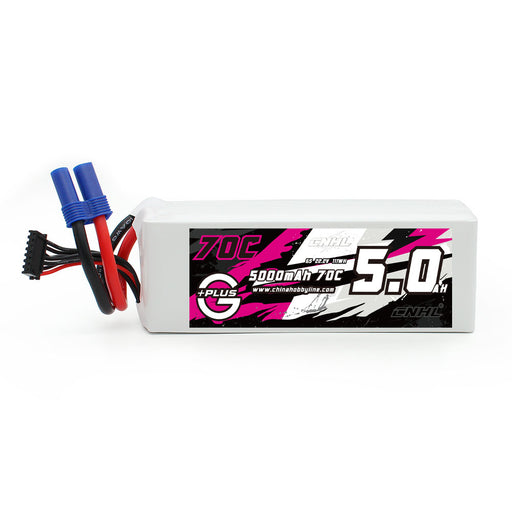
CNHL G+Plus 5000mAh 22.2V 6S リポバッテリー 70C EC5プラグ付き
残り2台のみ仕様: ストック番号: 500706EC5 容量: 5000mAh 電圧: 22.2V / 6セル / 6S1P 放電率: 70C 継続 / 140C バースト 充電率: 最大5C サイズ(1-5mmの誤差): 49X51X149mm(高さ*幅*長さ) おおよその重量(±5g) : 71...
詳細をすべて表示元の価格 $65.99元の価格 $65.99 - 元の価格 $65.99元の価格 $65.99$55.99 USD - $65.99 USD$55.99 - $65.99現在の価格 $55.99 USD最大15%節約 -
元の価格 $12.99 - 元の価格 $25.98元の価格 $12.99$12.99 USD - $25.98 USD$12.99 - $25.98現在の価格 $12.99 USD
CNHL リポ電池袋 – 防火充電・保管安全ケース
残り5台のみCNHL LiPoバッテリーバッグは、自宅やフィールドでのより安全なLiPo充電、輸送、保管のために設計されています。バッテリー故障時の熱、火花、炎の拡散を抑えつつ、作業スペースを整理し、充電作業をより管理しやすくする実用的な保護層を提供します。 このタイプのLiPo安全バッグは、屋内、ガレー...
詳細をすべて表示元の価格 $12.99 - 元の価格 $25.98元の価格 $12.99$12.99 USD - $25.98 USD$12.99 - $25.98現在の価格 $12.99 USD
新しいアイテム
-
元の価格 $12.99 - 元の価格 $12.99元の価格 $12.99$12.99 USD$12.99 - $12.99現在の価格 $12.99 USD
CNHL 2 Pairs 5mm Heatsink Bullet Plug Grips with Bullet Connectors for 2S Hardcase LiPo Batteries
在庫に10以上ありますThe CNHL 2 Pairs 5mm Heatsink Bullet Plug Grips with Bullet Connectors are designed for RC racers who need a clean, secure and easy-to-handle conne...
詳細をすべて表示元の価格 $12.99 - 元の価格 $12.99元の価格 $12.99$12.99 USD$12.99 - $12.99現在の価格 $12.99 USD -
元の価格 $34.99 - 元の価格 $34.99元の価格 $34.99$34.99 USD$34.99 - $34.99現在の価格 $34.99 USD
Hobbywing Multifunction LCD Program Box Pro G3 with OTA Bluetooth and 2-8S Battery Voltage Checker
残り9台のみThe Hobbywing Multifunction LCD Program Box PRO G3 is an advanced ESC programming device for compatible Hobbywing brushless ESCs. Compared with a...
詳細をすべて表示元の価格 $34.99 - 元の価格 $34.99元の価格 $34.99$34.99 USD$34.99 - $34.99現在の価格 $34.99 USD -
元の価格 $55.99 - 元の価格 $55.99元の価格 $55.99$55.99 USD$55.99 - $55.99現在の価格 $55.99 USD
Scania S730 Official Licensed 1/64 Mini Drift RC Semi Truck with Wing-Opening Trailer
残り6台のみThe Scania S730 Official Licensed 1/64 Mini Drift RC Tractor Trailer brings scale truck collecting and RC driving into one compact desktop model...
詳細をすべて表示元の価格 $55.99 - 元の価格 $55.99元の価格 $55.99$55.99 USD$55.99 - $55.99現在の価格 $55.99 USD -
元の価格 $55.99 - 元の価格 $55.99元の価格 $55.99$55.99 USD$55.99 - $55.99現在の価格 $55.99 USD
Hstar D24-04S 1:24 トヨタ GR ヤリス スタイル RC ドリフトカー 4WD ジャイロコントロール付き
残り10台のみHstar D24-04Sは、屋内ドリフト、滑らかな床での練習、コンパクトなホームトラック向けに作られた1:24トヨタGRヤリススタイルの4WDジャイロドリフトRCカーです。 1:43の小型マイクロドリフトカーと比べて、D24-04Sはより大きく見やすいボディ、フル比例制御、調整可能...
詳細をすべて表示元の価格 $55.99 - 元の価格 $55.99元の価格 $55.99$55.99 USD$55.99 - $55.99現在の価格 $55.99 USD -
元の価格 $95.98 - 元の価格 $95.98元の価格 $95.98$95.98 USD$95.98 - $95.98現在の価格 $95.98 USD
CNHL ブラックシリーズ V2.0 1500mAh 29.6V 8S 130C リポバッテリー XT60プラグ付き 2パック
在庫に10以上ありますクイックフィットチェック 2パック CNHL Black Series V2.0 1500mAh 8S 130C LiPoバッテリー(XT60プラグ付き)は、カスタムフリースタイル、レーシング、その他の高電圧クアッドビルド向けにより大容量の8Sルートを求める高度なFPVパイロットを対象としてい...
詳細をすべて表示元の価格 $95.98 - 元の価格 $95.98元の価格 $95.98$95.98 USD$95.98 - $95.98現在の価格 $95.98 USD
コメントを残す