
CNHL Липо аккумуляторы
CNHL стремится предоставлять высококачественные Li-Po аккумуляторы и RC продукцию всем любителям хобби с отличным обслуживанием клиентов и конкурентоспособными ценами
Сначала главное: Dynam E-2C Hawkeye — необычная двухмоторная радиоуправляемая масштабная модель с размахом 1500 мм, которая летает лучше, чем можно предположить по её сложному внешнему виду. В обычном полёте она стабильна, закрылки работают эффективно, используется практичный аккумулятор 4S 3200 мА·ч, а на поле модель выглядит совершенно не похожей на большинство других. Однако это не модель для новичка: перед первым полётом владельцу следует тщательно проверить крепление радара, капоты, проводку крыла, убираемое шасси и крепёжные элементы сборки.
Главное достоинство модели очевидно: мало кто из производителей решается выпускать радиоуправляемую модель E-2 Hawkeye с функциональным вращающимся на 360 градусов радиолокационным обтекателем, двумя четырёхлопастными винтами, четырьмя вертикальными килями, убираемым шасси и полноценными навигационными огнями. Модель Dynam превращает этот необычный полноразмерный самолёт дальнего радиолокационного обнаружения в практичную пенопластовую модель с размахом крыла 1500 мм и заявленным полётным весом около 3150 г.
Dynam E2C Hawkeye лучше всего подходит пилоту среднего уровня, который уже умеет выполнять согласованные развороты, пользоваться закрылками и убираемым шасси, а также выполнять заходы на посадку с работающим двигателем. Воспринимайте его как масштабную копию двухмоторного самолёта, а не как безгранично пилотажную модель; проведите тщательный предполётный осмотр — и она подарит впечатляющий внешний вид и отличные лётные характеристики.

Hawkeye — это не просто ещё один двухмоторный пенопластовый самолёт в военной раскраске. Его высокорасположенное крыло, четыре вертикальные поверхности оперения и большой радиолокационный диск создают силуэт, который легко узнаётся даже на расстоянии.
Компания Dynam оснастила модель двумя бесколлекторными двигателями TomCat 3520-KV770, двумя регуляторами TomCat Skylord 40 А и четырёхлопастными винтами встречного вращения. В качестве аккумулятора производитель рекомендует LiPo 4S 14,8 В, 3200 мА·ч, 25C с разъёмом XT60.
| Самолёт | Dynam E-2C Hawkeye AEW |
| Размах крыла | 1500 мм / 59,0 дюйма |
| Длина | 1106 мм / 43,7 дюйма |
| Полётный вес | Около 3150 г с аккумулятором |
| Двигатели | 2 бесколлекторных двигателя TomCat 3520-KV770 |
| Регуляторы | 2 регулятора TomCat Skylord 40 А |
| Винты | Винты встречного вращения 10,5 × 8, четырёхлопастные |
| Рекомендуемый аккумулятор | LiPo 4S 14,8 В, 3200 мА·ч, 25C с разъёмом XT60 |
| Центр тяжести | 95–100 мм за передней кромкой крыла у корневой части |
| Уровень навыков | Средний |
Полноразмерный Grumman E-2 Hawkeye был создан для выполнения задач дальнего радиолокационного обнаружения и управления с авианосцев. В отличие от адаптации уже существующего транспортного или патрульного самолёта, E-2 с самого начала проектировался специально под эту задачу.
Первый аэродинамический прототип совершил полёт в октябре 1960 года, а E-2A поступил на вооружение ВМС США в 1964 году. Улучшенная версия E-2C появилась после масштабной разработки радиолокационной системы, компьютеров, оборудования связи и общей надёжности и стала боеготовой в 1973 году.
Настоящий самолёт построен по схеме с высокорасположенным крылом, двумя турбовинтовыми двигателями, убирающимся трёхопорным шасси и экипажем из пяти человек. Его отличительная особенность — вращающийся радиолокационный купол диаметром примерно 24 фута, установленный над фюзеляжем. Этот ротодом придаёт Hawkeye его узнаваемый силуэт и обеспечивает выполнение роли воздушного средства наблюдения и командного центра авианосной ударной группы.
На ранних и многих долго эксплуатировавшихся самолётах E-2C использовались четырёхлопастные винты. Более новая восьмилопастная винтовая система NP2000 начала появляться на модернизированных E-2C в 2000-х годах. Поэтому использование Dynam четырёхлопастных винтов придаёт модели E-2C Hawkeye визуальный облик, более характерный для ранних конфигураций, хотя радиоуправляемую модель не следует считать точным воспроизведением конкретного самолёта или периода без проверки её маркировки.

Функциональный радиолокационный купол — главная особенность модели. Подключите полётный аккумулятор, и диск начнёт вращаться, продолжая вращение до отключения модели. Это не просто окрашенное пенопластовое украшение, установленное над фюзеляжем.
Это движение придаёт модели ещё более заметное сходство с настоящим самолётом, особенно во время руления, проходов на малой высоте и заходов на посадку с выпущенным шасси. Модель также оснащена красными и зелёными навигационными огнями, нижним и хвостовым огнями, благодаря чему самолёт с верхним расположением крыла остаётся заметным на фоне более тёмного окружения.
Дополнительные элементы, повышающие масштабность и функциональность, включают:
На форме выполнены линии расшивки и заклёпки, а большой верхний люк обеспечивает удобный доступ к приёмнику и аккумуляторному отсеку. Это гораздо более сложная модель, чем обычный спортивный самолёт с четырьмя каналами управления.
Dynam представляет Hawkeye как модульный самолёт, собираемый на винтах: крыло состоит из трёх частей, а для обычной сборки клей не требуется. В целом это верное описание, однако впечатления могут сильно зависеть от конкретного экземпляра.
Испытанный нами самолёт потребовал значительно больше подготовки, чем можно было предположить по описанию товара. Не хватало четырёх винтов для внешних вертикальных килей, две резьбовые точки крепления хвостового оперения пришлось очистить, прежде чем винты смогли войти в резьбу, а алюминиевая деталь ступицы радара содержала заусенцы, из-за которых она неправильно надевалась на приводной вал.
Последовательность действий, приведённая в инструкции для радара, также создавала ненужные трудности. Установка опоры радара на фюзеляж до крепления диска обеспечивает гораздо лучший доступ для отвёртки, чем предварительная сборка всего радара.
Съёмные внешние панели крыла используют по одному электрическому соединению и по два винта с каждой стороны. Сами панели устанавливались правильно, однако из-за сравнительно жёсткой проводки было трудно уложить провода в предназначенные для них углубления, не защемив их между секциями крыла.
Мы считаем, что эти проблемы встречаются не на каждом самолёте одинаково. Некоторые экземпляры прибыли полностью укомплектованными и требовали лишь обычной сборки, тогда как у других обнаружились вмятины на пенопласте, отслаивание краски, проблемы с крепёжными деталями, неправильное направление работы сервоприводов или незакреплённые детали люка. Разумный вывод заключается не в том, что у каждого Dynam Hawkeye есть один и тот же дефект, а в том, что стабильности контроля качества следует уделить внимание.

Даже если модель выглядит полностью собранной, выделите время для последовательной проверки. Это особенно важно для двухмоторного самолёта с убирающимся шасси, несколькими поверхностями хвостового оперения и приводным механизмом радара.
Стандартный самолёт можно настроить как шестиканальную модель. Его основные функции — газ, элероны, руль высоты, рули направления с управлением носовым колесом, закрылки и убирающееся шасси. В стандартной конфигурации радар вращается автоматически при включении самолёта, а не через отдельный канал передатчика.
Таким образом, для основных функций достаточно шестиканального приёмника, а приёмник с дополнительными каналами даст опытному пилоту больше возможностей для независимой настройки сервоприводов, пользовательских миксов, управления гироскопом или будущих модификаций.
| Версия | Комплектная радиоаппаратура | Что потребуется дополнительно |
|---|---|---|
| PNP | Установленные двигатели, регуляторы оборотов и сервоприводы | Передатчик, приёмник, аккумулятор и зарядное устройство |
| BNF | Гироскопический приёмник SR6-RC iStone | Совместимые передатчик Detrum, аккумулятор и зарядное устройство |
| SPNP | Стабилизатор iStoneAll V3 с коррекцией движения по взлётно-посадочной полосе | Совместимые радиосистема, аккумулятор и зарядное устройство |
| SRTF-8C | Передатчик Gavin-8C и гироскопический приёмник SR6-RC | Обычная сборка и настройка |
| SRTF-DT9 | Передатчик Blitz-DT9 и приёмник с гироскопом SR86A-G | Обычная сборка и настройка |
| SRTF-DT9 GPS | Радиосистема DT9, гироскопический приёмник и модуль GPS | Обычная сборка и настройка GPS |
Комплектация может различаться в зависимости от объявления и региона продажи, поэтому уточните, какие именно приёмник, передатчик, аккумулятор и зарядное устройство входят в приобретаемую версию.
После сборки и правильной балансировки Hawkeye уверенно и приятно ведёт себя в воздухе. Независимый первый полёт был выполнен без гироскопической стабилизации и включал триммирование, проверку закрылков, касания и уходы на второй круг, а также проверку сваливания. Модель успешно справилась с этими задачами, после чего для последующих полётов была добавлена стабилизация.
Правильно настроенный гироскоп может сделать самолёт более плавным, особенно на ветру, но он не маскирует неуправляемый планер. Опытный пилот может успешно управлять E-2C и без стабилизации.
Силовую установку лучше назвать подходящей, а не избыточной. Dynam заявляет оптимистичное соотношение тяги к весу, однако на практике это просто хорошо оснащённый масштабный двухмоторный самолёт, а не машина, которая постоянно пытается скрыться в облаках.
Ему хватает управляемости для:
При этом самолёт совсем не ощущается как специализированный пилотажный двухмоторный самолёт. Механизм радара, конструкция внешних частей крыла и общие размеры планера говорят о том, что повторяющиеся манёвры с большими перегрузками не нужны и могут сократить срок службы модели.
Hawkeye предпочитает скоординированные движения элеронами и рулем направления. Пилоты, привыкшие просто наклонять спортивную модель и тянуть ручку высоты, поначалу могут обнаружить, что E-2C требует более активной работы рулем направления.
Два руля направления эффективны, но их реакция не столь резкая, как можно предположить по большой площади хвостового оперения. Во время разворотов может потребоваться большее отклонение руля направления, чем ожидает пилот, глядя на четырехкилевую схему самолета на земле.
Это одна из причин, по которой модель лучше подходит пилоту среднего уровня. Скоординированные развороты помогают сохранять чистую траекторию полета и уменьшают склонность самолета проскальзывать в развороте.

Закрылки — одна из самых полезных особенностей модели. Они заметно снижают необходимую скорость захода и облегчают управление большим самолетом вблизи взлетно-посадочной полосы.
Однако меньшая скорость не означает полет без тяги. Hawkeye Dynam лучше заходит на посадку со стабилизированным снижением и некоторым уровнем газа на протяжении всего захода. Полностью убрать тягу в ожидании, что модель будет планировать, как легкий учебный самолет, — неправильная техника.
Правильная последовательность посадки такова:
Испытания сваливания в чистой конфигурации и с выпущенными шасси и закрылками показали заметный крен с опусканием левого крыла. Вывести модель из сваливания было несложно при наличии достаточной высоты, но это не тот самолет, на котором стоит допускать сваливание у самой земли.
Конфигурация с выпущенными шасси и закрылками также создает значительное лобовое сопротивление. Высота может быстро теряться, поэтому особенно важно постоянно регулировать газ на протяжении всего захода.

Большой диск выглядит так, будто должен создавать необычные аэродинамические эффекты, особенно при движении на своей системе крепления. Однако на испытанном самолете пилот не ощутил заметного изменения управляемости из-за вращающегося радара даже во время базового пилотажа.
Это не означает, что механизм можно оставить без внимания. При обращении с самолетом диск и его опора двигателя могут смещаться, а резкие маневры увеличивают нагрузку на компонент, установленный значительно выше фюзеляжа.
Для долгой и надежной работы регулярно проверяйте следующее:
Мы предпочли бы, чтобы радар работал от отдельного выключателя, а не вращался каждый раз при подключении полётного аккумулятора. В стандартной конфигурации это главным образом декоративный элемент, работающий непрерывно.
Dynam рекомендует LiPo 4S 3200 мА·ч 25C с разъёмом XT60. В ходе лётных испытаний мы использовали аккумуляторы 4S на 3200 и 3700 мА·ч, размещая их примерно в одном и том же месте на площадке, без заметного изменения баланса.
Практичный диапазон 3200–3500 мА·ч для конфигурации, близкой к штатной; совместимый аккумулятор 3700 мА·ч обеспечит большую ёмкость, если проверены его размеры, масса и итоговое положение центра тяжести.
| Рекомендуемый аккумулятор | Конфигурация | Лучше всего подходит для |
|---|---|---|
| CNHL Black Series 3200 мА·ч 4S 30C Shorty XT60 | 4S LiPo, 3200 мА·ч, 30C | Лучший универсальный вариант и наиболее близкое соответствие заводской рекомендации |
| CNHL 3700 мА·ч 4S 40C XT60 | 4S LiPo, 3700 мА·ч, 40C | Дополнительная ёмкость и запас для посадки |
| CNHL Lightning LiHV 3500 мА·ч 4S 120C XT60 | 4S LiHV, 3500 мА·ч, 120C | Высокая выходная мощность и поддержка повышенного напряжения |
Black Series 3200 мА·ч Shorty — наиболее прямой вариант замены рекомендованного производителем аккумулятора. Компактная форма также оставляет больше места для регулировки центра тяжести и прокладки кабелей.
Вариант 3700 мА·ч 40C увеличивает запасённую ёмкость примерно на 16% по сравнению с 3200 мА·ч. Он может обеспечить больший запас для полёта, однако дополнительная ёмкость не приводит автоматически к увеличению времени полёта на 16%, поскольку аккумулятор также может быть тяжелее.
Lightning LiHV 3500 мА·ч обеспечивает больший запас по токоотдаче и меньшую просадку напряжения. Полностью заряженный аккумулятор 4S LiHV достигает 17,4 В при зарядке до 4,35 В на элемент, поэтому этот режим зарядки следует использовать только после полной проверки совместимости всей силовой системы с более высоким напряжением полного заряда. В противном случае заряжайте аккумулятор LiHV до 4,20 В на элемент и используйте его с тем же максимальным напряжением 16,8 В, что и стандартный аккумулятор 4S LiPo.
См. полную подборку аккумуляторов для Dynam E-2C Hawkeye с совместимыми вариантами XT60 на 3200, 3300, 3500 и 3700 мА·ч.
Верхний аккумуляторный отсек достаточно просторен для аккумуляторов рекомендуемого класса, однако из-за расположения механизма уборки передней стойки прокладка кабелей не менее важна, чем соответствие размеров аккумулятора.
Надёжно разместите аккумулятор на деревянной площадке и зафиксируйте как основной провод XT60, так и балансировочный провод. Приводите переднюю стойку шасси в действие, наблюдая за проводами сверху. Ни один кабель не должен попадать в зону движения убирающейся стойки или механизма створок шасси.
После изменения типа или ёмкости аккумулятора:
Подпружиненное алюминиевое шасси даёт Hawkeye больше шансов на подготовленном травяном поле, чем тонкое жёсткое проволочное шасси. Размер модели и схема с носовой стойкой также делают управление на земле относительно предсказуемым.
Ровная коротко подстриженная трава должна подойти, если поверхность под ней твёрдая. Высокая или неровная трава — совсем другое дело. Створки носовой стойки расположены достаточно низко, чтобы цепляться за растительность, а четырёхлопастные винты и механизм уборки шасси не стоит без необходимости подвергать воздействию неровного поля.
При эксплуатации на траве:
Бетонная или тщательно подготовленная взлётно-посадочная полоса остаётся более безопасным вариантом для защиты масштабной системы шасси.
Нет. Hawkeye может быть стабильной, но одной стабильности недостаточно, чтобы сделать модель подходящей для новичка.
Новичку придётся контролировать:
Лучше рассматривать её как третью или четвёртую модель для пилота, уже уверенно управляющего учебной моделью, спортивной моделью с нижним расположением крыла и хотя бы одним самолётом с закрылками или убирающимся шасси.
Гироскоп с функциями выравнивания или спасения может обеспечить дополнительную защиту, но не заменяет навыков оценки скорости, выстраивания захода на посадку или вывода модели из виража с низкой энергией.
| Сильные стороны | На что обратить внимание |
|---|---|
| Одна из немногих доступных моделей E-2 Hawkeye из пеноматериала | Стабильность качества может различаться у разных экземпляров |
| Функциональный вращающийся радар создаёт исключительный масштабный эффект | Необходимо проверить механизм радара и привод |
| После правильной настройки модель летит уверенно и стабильно | Не подходит для новичков и пилотов с небольшим налётом |
| Эффективные закрылки и реалистичный заход на посадку с работающим двигателем | Срыв потока может вызвать заметное опускание левого крыла |
| Практичная конфигурация аккумулятора 4S 3200 мА·ч с разъёмом XT60 | Провода аккумулятора необходимо держать подальше от механизма уборки носовой стойки |
| Подпружиненные убирающиеся стойки шасси и хорошая заметность на взлётной полосе | Высокая трава может зацепить низко расположенные створки носовой стойки шасси |
Эта модель лучше всего подходит пилоту, который ценит необычные прототипы и реалистичную подачу полёта больше, чем быструю сборку или неограниченные возможности для фигурного пилотажа.
Модель особенно привлекательна, если:
Если приоритетом является максимально простая сборка, существуют более продуманные двухмоторные пенопластовые модели. Если цель — скорость, есть более быстрые двухмоторные самолёты. Но эти альтернативы обычно не дают характерного облика Hawkeye с вращающимся диском радара над фюзеляжем.
Dynam E-2C Hawkeye — модель, лётные качества которой рекомендовать проще, чем стабильность сборки. После правильной подготовки она стабильна, обладает достаточной мощностью и приносит удовольствие от полёта. Она хорошо выполняет обычные масштабные манёвры, уверенно реагирует на закрылки и позволяет реалистично заходить на посадку с работающими шасси, огнями и радаром.
Компромисс заключается в том, что покупателям не следует считать каждый винт, провод, резьбовую закладную, магнитную панель и компонент радара полностью готовыми без проверки. Некоторые самолёты, по-видому, покидают завод в лучшем состоянии, чем другие.
Такую дополнительную подготовку было бы трудно оправдать для обычной двухмоторной пенопластовой модели. Но Hawkeye не обычный. Dynam выбрала прототип, которого часто избегают более крупные конкуренты, и это важно для пилотов, давно мечтавших о E-2 в своём ангaре.
Наш вывод прост: покупайте Dynam E-2C Hawkeye за его уникальный прототип, убедительный масштабный облик и хорошие лётные характеристики, а не в расчёте на полностью беспроблемную сборку. Пилоты, готовые внимательно проверить и подготовить модель, могут получить один из самых запоминающихся двухмоторных радиоуправляемых самолётов на поле.
CNHL рекомендует LiPo-аккумулятор 4S 14,8 В, 3200 мА·ч, 30C Shorty с разъёмом XT60. Совместимые варианты CNHL ёмкостью 3200–3700 мА·ч можно рассмотреть после проверки габаритов, веса, свободного места для проводов и положения центра тяжести на уровне 95–100 мм.
Dynam указывает приблизительное время полёта девять минут при рекомендованной конфигурации. Фактическая продолжительность зависит от использования газа, ветра, состояния аккумулятора, навыков выполнения захода на посадку и сохранённого резерва для посадки. Начните с консервативного таймера и скорректируйте его после измерения ёмкости, возвращённой в аккумулятор.
Да. Купол радара начинает вращаться после включения питания самолёта и обычно продолжает вращаться до отключения полётного аккумулятора. Во время независимых лётных испытаний его движение не создавало заметных проблем с управляемостью.
Да. Модель успешно летала без стабилизации. Правильно настроенный гироскоп может улучшить плавность и устойчивость к ветру, но опытному пилоту он не нужен, чтобы удерживать самолёт под контролем.
Полёт по ровной короткой траве должен быть возможен, однако высокая или неровная трава может зацепить створки носового шасси и увеличить нагрузку на механизм уборки. Предпочтительнее бетонная или хорошо ухоженная взлётно-посадочная полоса.
Нет. Это промежуточная модель, больше подходящая для третьего или четвёртого самолёта пилота. Пилот уже должен разбираться в координации рулём направления, использовании закрылков, убираемом шасси, выводе из сваливания и заходах на посадку с работающим двигателем.
Многие E-2C Hawkeye эксплуатировались с четырёхлопастными пропеллерами, прежде чем модернизированные самолёты начали оснащать восьмилопастной системой NP2000. Поэтому четырёхлопастная конфигурация остаётся визуально уместной для масштабной модели в стиле E-2C.
Сравните все совместимые аккумуляторы 4S для Dynam E-2C Hawkeye, включая батареи стандартной ёмкости 3200 мА·ч, LiHV-варианты с высокой отдачей и аккумуляторы большей ёмкости для увеличения запаса времени полёта.
Вы также можете ознакомиться с полным ассортиментом авиационных аккумуляторов CNHL для двухмоторных самолётов, гражданских масштабных моделей, спортивных моделей, военных самолётов и EDF-джетов.
Всегда проверяйте аккумулятор, разъём XT60, балансировочный провод и проводку самолёта перед зарядкой или полётом. Используйте совместимое балансировочное зарядное устройство, выбирайте правильную программу LiPo или LiHV и никогда не оставляйте заряжающийся аккумулятор без присмотра.
Совместимость аккумулятора может зависеть от размеров батареи, положения приёмника, прокладки проводов, ремней и производственных допусков. Проверьте свободное пространство, установленный вес и центр тяжести на своём самолёте. Держите все провода аккумулятора подальше от убираемого носового шасси и других движущихся компонентов.
Перед первым полётом выполните полную проверку органов управления, двигателя, пропеллеров, убирающихся шасси, закрылков, радара и дальности действия. Не используйте самолёт или аккумулятор с видимыми повреждениями конструкции, незакреплёнными деталями, необычным нагревом, вздутием или ненадёжной работой электрооборудования.
CNHL стремится предоставлять высококачественные Li-Po аккумуляторы и RC продукцию всем любителям хобби с отличным обслуживанием клиентов и конкурентоспособными ценами

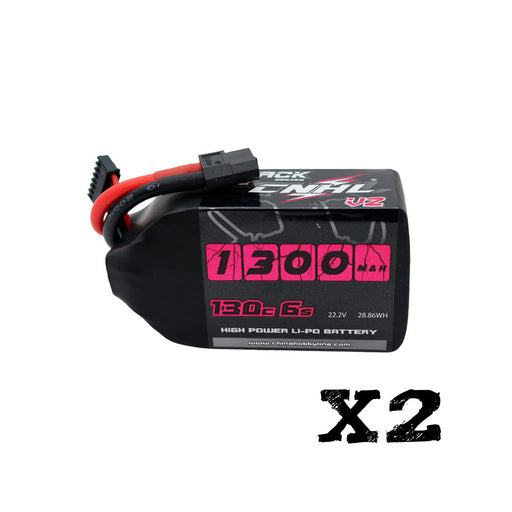
Быстрая проверка совместимости Комплект из 2 аккумуляторов CNHL Black Series V2.0 1300 мА·ч 22,2 В 6S 130C LiPo с разъёмом XT60 отлично подойдёт FP...
Просмотреть полные деталиЗапасные части и долгосрочная поддержка Мы знаем, что для пилотов радиоуправляемых моделей надёжная поддержка по запасным частям — важная сос...
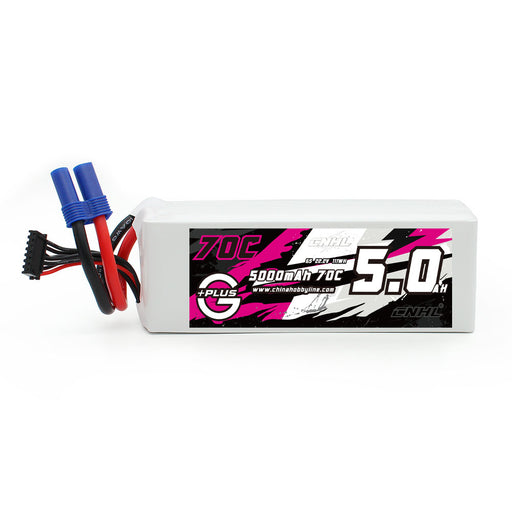
Просмотреть полные деталиТехнические характеристики: Номер на складе: 500706EC5 Емкость: 5000mAh Напряжение: 22.2V / 6-элементный / 6S1P Ток разряда: 70C постоянный / 140...
Просмотреть полные детали
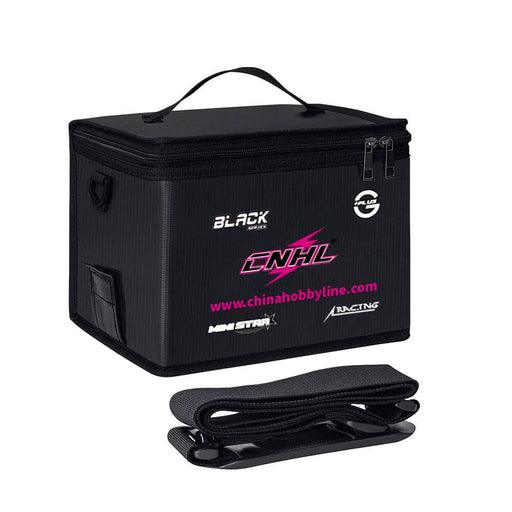
Сумка для LiPo аккумуляторов CNHL разработана для более безопасной зарядки, транспортировки и хранения LiPo дома или на поле. Она добавляет практич...
Просмотреть полные детали

Быстрая проверка посадки 2 аккумулятора CNHL Speedy Pizza Series Pro 1350mAh 6S 150C LiPo с разъёмом XT60 созданы для 5-дюймовых FPV пилотов, к...
Просмотреть полные детали

Быстрая проверка совместимости LiPo-аккумулятор CNHL Speedy Pizza Series 2200mAh 22.2V 6S 120C с разъёмом XT60 сочетает привычный формат 2200mAh 6...
Просмотреть полные детали

Быстрая проверка совместимости LiPo-аккумулятор CNHL Speedy Pizza Series 2200mAh 14.8V 4S 120C с разъёмом XT60 сочетает широко распространённый фо...
Просмотреть полные детали

Быстрая проверка совместимости LiPo-аккумулятор CNHL Speedy Pizza Series 2200mAh 11.1V 3S 120C с разъёмом XT60 имеет привычный формат аккумулятора...
Просмотреть полные деталиЦилиндрический литий-ионный элемент CNHL Long Range Series BAK 65E ёмкостью 6350 мА·ч формата 21700 создан с одним приоритетом: максимальное количе...
Просмотреть полные детали

Цилиндрический литий-ионный аккумуляторный элемент CNHL Long Range Series BAK 50D 5000mAh 21700 предназначен для изготовления индивидуальных аккуму...
Просмотреть полные детали




Оставить комментарий