
CNHL Lipo Batteries
CNHL aim at providing high-quality Li-Po batteries and RC products to all hobby enthusiasts with excellent customer services and competitive prices

If there was one thing HOBBY EXPO CHINA 2026 made easy to notice, it was this: the RC market is paying less attention to isolated products and more attention to complete experiences. People still stop for a striking body shell, a rare airframe, or a dramatic display model. That part never changes. But the deeper interest now sits somewhere else. It sits in how a platform is powered, how it is controlled, how it is supported, and how everything comes together once the product leaves the show floor and lands in real hands.
That shift was visible across the event. It showed up in aircraft, in surface platforms, in radios, in chargers, in analysis tools, and in the growing number of products designed around real performance intent rather than simple entry-level appeal. HOBBY EXPO CHINA 2026 did not just look busy. It felt like a clearer snapshot of where RC attention is moving next.
And that is what made this year’s show more interesting than a simple roundup of what was new. The real story was not just that there were more products. It was that more of them were being presented, judged, and discussed as part of a complete setup. That matters for every part of the hobby, from compact EDF aircraft to high-demand battery systems, from radios and chargers to tuning tools and platform-specific upgrades.

The 24th China International Model Expo had the kind of visual density that always works at a major show. There were enough categories, enough brands, and enough display energy to make every aisle feel active. Drifting drew attention. Crawlers and off-road trucks had presence. Surface platforms looked stronger than ever. Static areas still had obvious pulling power. And the supporting equipment side felt much more visible than many casual visitors might expect.
But what made the event feel current was not only the quantity of new things on display. It was the way the show floor kept reminding people that the hobby now works in layers. A finished product may be what stops someone in their tracks, but underneath that first moment is a second conversation about setup logic, battery choice, charging habits, control systems, fit, tuning, and long-term usability. That second conversation felt much more visible this year.
It is a healthy sign. A hobby becomes stronger when buyers stop thinking only in product labels and start thinking in complete ownership experiences. A body shell is not just a body shell. A drift chassis is not just a chassis. A compact EDF airframe is not just something to hang on a wall or admire online. Everything becomes more interesting once the question shifts from “What is it?” to “How does it actually work as a full setup?”

One surface example that fit this shift especially well was Traction Hobby’s Ford Bronco Raptor engineering prototype. Even as a pre-production sample, it already looked far beyond the rough mock-up stage. The body shape was clearly established, the lighting system was already working, and the whole vehicle immediately communicated the wide-bodied attitude that makes the Bronco Raptor so recognizable in full scale form. It did not feel like a speculative concept. It felt like a platform that was already being pushed toward a believable finished product.

What made it more interesting was the packaging underneath. The chassis follows the same general hard-body logic seen on the Tank 300 platform, including a compact mid-mounted transmission layout that frees up more usable room for the body shell above. That kind of decision matters. It is not only a mechanical detail. It directly affects how convincing the finished scale platform can feel, because it gives the shell, interior, and cabin area more space to work with instead of forcing everything to be compromised around oversized drivetrain packaging.

The details helped reinforce that impression. The rear carried Bronco badging, the dashboard and center console lighting followed the same illuminated hard-body thinking seen on the earlier Tank 300 hard shell, and the prototype even showed the four inner fender arch lights that mirror the design logic of the full-size truck. The temporary spare tire setup also made the engineering-sample status obvious in an honest way. It was clearly not the final finished rear package yet, but the direction was already easy to read.

That is exactly the kind of product that made this year’s show more interesting. It was not just a matter of a popular real-world model being turned into another RC body shell. It was a case where body design, lighting, interior treatment, chassis packaging, and scale intent were all clearly being developed together. That is what made so many of this year’s more memorable surface releases feel stronger than simple one-angle display pieces.

At the other end of the scale spectrum, some of the more memorable new releases were memorable precisely because they did not take themselves too seriously. JJRC’s new three-wheel utility vehicle was a good example. It leaned into character rather than aggression, but the execution still mattered. The rear bed uses a die-cast metal structure that gives it real heft, the cargo section can be lifted by radio control, and the final version is expected to include linked turning indicators along with a reverse warning voice prompt. That kind of product works because it mixes humor, familiarity, and genuine feature effort in a way that feels easy to remember on a crowded show floor.

That same idea also showed up in larger utility-focused platforms. One example was a 1/7-scale Unimog U4000, which made a strong impression not because it was trying to look aggressive, but because it looked genuinely useful. The truck had the kind of size that made the cargo-bed concept feel believable, and the rear section itself was large enough to become part of the product’s identity rather than an afterthought.

The details helped explain why. The rear bed was oversized and foldable, the front cab used a softer shell approach, and a number of the external parts were clearly designed with real use in mind. Even the mirror brackets used softer material to reduce the chance of damage in a rollover. That kind of thinking may not sound dramatic on paper, but it is exactly the sort of practical engineering choice that makes a large-scale platform feel more convincing once it leaves the display table and starts being used the way buyers actually imagine it.

This year’s show did not treat performance like a niche subject for a small group of technical users. It was everywhere, including in the radio category. One example was the new FlySky Mix, which clearly builds on the NB4 platform but pushes the format further in a few practical ways. The touchscreen is now presented in a folding layout instead of the older fixed look, and the transmitter itself adds more material character through carbon fiber and wood-finish elements. Just as importantly, the throttle trigger can be adjusted slightly left or right within a useful range, which makes the ergonomics feel more tailored instead of one-size-fits-all. That combination of interface change, material upgrade, and hand-feel refinement says a lot about where the market is going. Even transmitters are no longer being judged only by raw function. They are being judged by how naturally they fit real use.

That idea also extended well beyond on-road speed and drift tuning. At the Hobbywing booth, one of the more interesting smaller-scale power displays was the 3530 SL outrunner crawler setup, aimed at 1/10-scale crawling applications. The appeal was easy to understand even at a glance: lighter weight, strong torque, and better low-speed control. It was a good reminder that performance at this year’s show did not always mean violent output. In many cases, it meant more precise output for a specific type of driving.
The same pattern appeared across the rest of the show as well. Visitors are no longer satisfied with the simple idea that a product looks good or belongs to a certain category. They want to know whether the control system matches the platform. They want to know whether the battery choice makes sense for the actual load. They want to know whether the supporting equipment belongs to a serious setup or only sounds good in a spec list. That kind of attention changes the value of every product on the table.
It also changes the value of the supporting ecosystem. In the past, the most visible products often took all the attention while the power-related conversation stayed secondary. At HOBBY EXPO CHINA 2026, that was clearly no longer the case. Supporting equipment had more visibility because more hobbyists now understand that control, charging, analysis, and power delivery are not separate from performance. They are part of it.

The charger side gave the same impression. ISDT’s new F400 was one of the cleaner examples of how supporting equipment is getting more practical rather than simply more crowded. It is a four-channel charger, supports up to 8S, and offers 400W AC power, but what stood out just as much was the connector flexibility. With support for both XT60 and XT90, it immediately feels more usable than the many chargers that still force everything through XT60-only logic. That kind of detail matters because it removes friction from real bench use instead of only adding one more line to a spec sheet.

ISDT also showed a newer kind of battery support tool that deserves attention for a different reason. The BL8 looks, at first glance, like the kind of compact device many users associate with a simple voltage checker or buzzer-style accessory. But its real value is much deeper. It adds active cell balancing, does it automatically, and does it with unusually strong speed and precision. With balancing current up to 3A, it moves faster than the balancing function built into many chargers, and the voltage display reaches three decimal places. That makes it the kind of product that quietly reflects a bigger change at this year’s show: even small bench tools are being taken more seriously because battery care and system consistency are being taken more seriously too.


Seen together, the radios, chargers, analyzers, and specialty tools around the show floor all pointed in the same direction. More users are building with intent. They are comparing products more carefully. They are thinking about setup quality earlier. They are asking better questions. And that means the brands that stand out now are increasingly the ones that make sense as part of a complete system rather than as one isolated headline item.

The same practical thinking could also be seen on the high-speed side. One of the more interesting examples was the AK956, a 1/6-scale speed-run platform shaped around the visual language of the Porsche 956 Le Mans car. The shell itself already carried a lot of detail, while the chassis on display still appeared to be in sample form rather than final production trim. Even so, the direction was easy to understand. With a factory carbon-fiber chassis and a layout aimed at outright speed use, the platform felt like an attempt to lower the barrier between “I like the idea of speed-running” and “I actually want to build one.” Compared with starting from a more heavily modified ARRMA route, a package like this could make the learning curve feel a little less punishing for newcomers who want a more purpose-shaped entry point.

The smaller details made that intention even clearer. Even the wheels were presented with hubcap-style treatment inspired by the real car, which helped the platform feel less like a stripped test chassis and more like a serious attempt at a simulation-minded speed-run build. That mix of outright speed ambition and scale-aware detailing is exactly what made some of this year’s more memorable releases feel stronger than simple category pieces.

Even with all this added focus on systems and performance logic, visual identity still matters. Some products stop people simply because they look different enough to break the rhythm of the aisle. That does not mean style is replacing function. It means function has become easier to notice when the product already gives people a reason to care. A memorable shape, a recognizable platform, or a layout that feels a little less predictable still has real power in a crowded event environment.

A good example from the drift side was Rlaarlo 1/10 platform, which pushed the simulation angle much harder than a basic shell-and-chassis presentation. Even before looking closely, the car gave off a more complete impression. The transparent body made it easier to notice how much effort had gone into the interior atmosphere rather than just the exterior silhouette.

That feeling became clearer underneath. The chassis used a horizontal shock layout, and the overall presentation made it obvious that realism was being treated as part of the product logic rather than as a decorative extra. With an interior structure and roll-cage style detailing built into the visual story, the platform felt closer to a miniature drift machine than a simple RC shell sitting on top of a generic frame. That is exactly the kind of product that works well at a show like this, because it rewards both the quick first glance and the slower second look.
That is especially true in aircraft. A lot of RC airplanes are competent. Far fewer are immediately memorable. The most interesting aircraft products are often the ones that combine clear visual character with a believable flight-use scenario. In other words, they do not rely only on novelty. They give people a reason to imagine the actual experience of owning and flying them.
That is one reason unusual airframe formats still have so much room to stand out. A product does not need to be oversized or overloaded with gimmicks to draw attention. Sometimes it only needs a strong silhouette, a coherent purpose, and the feeling that it will still be interesting after the first moment of visual surprise wears off.

A good aircraft example of that same idea is the upcoming CNHL AviNation Horten Ho 229 813mm EDF. It stands out for a very simple reason first: the shape is already doing real work before the spec list even starts. In a show environment full of conventional outlines, a compact flying wing with twin EDF character has a natural advantage because it creates recognition immediately. But the appeal is not only visual. That kind of platform also feels easier to place in the hobby. It is compact, specific, and clearly intended to be flown rather than merely admired as a novelty concept.
That matters because unusual aircraft only stay interesting if the use case remains believable. The Ho 229 works better as a talking point precisely because it does not rely on giant scale or exaggerated claims. It has the kind of identity that makes people stop, and the kind of format that still makes sense once the excitement of first sight settles down. That balance between visual distinctiveness and actual usability is exactly what helped some products at this year’s show feel more memorable than others.

That same logic worked well in smaller-scale surface releases too. JJRC’s new 1/18 Chevrolet K5, shown in two versions, stood out because it knew exactly what kind of nostalgia and platform clarity it wanted to deliver. The truck itself has an easy visual pull, but the two-version approach made the product feel more complete. It suggested a release strategy built around different user tastes rather than a single one-angle presentation, and that kind of thinking often helps smaller-scale platforms feel more serious without losing their charm.

The battery side of the hobby is changing in a quieter but more meaningful way. It is no longer enough to release another familiar pack in another familiar format and expect that alone to turn heads. The users drawing the most serious attention now, especially around more demanding platforms, are looking for something more deliberate. They care about current delivery under load. They care about whether a battery feels confident in a real setup instead of merely acceptable on paper. They care about whether the pack belongs with the platform, not just whether the connector happens to fit.
That is why large-capacity performance-oriented battery products feel especially relevant right now. The show floor made it clear that more buyers are thinking earlier about complete power logic. They are comparing electronics more carefully. They are looking more closely at chargers and power tools. They are more willing to discuss platform demands openly. And all of that pushes battery choice closer to the center of the buying conversation.
That shift was easy to feel across the show floor because the surrounding equipment was reinforcing the same message at every turn. Better chargers, more serious balancing tools, more visible setup gear, and more purpose-built platforms all point in one direction: users are building with stronger power intent from the beginning. In that kind of environment, a battery line like CNHL’s Innovation RC Extreme Series feels less like a side release and more like a direct response to how the market is actually behaving.
That is also why CNHL’s new large-capacity Innovation RC Extreme Series feels timely. It does not read like a routine extension for the sake of having more options. It feels more like a response to a real shift in how serious users are shopping. Around bigger systems, heavier loads, and more output-focused setups, the battery has stopped being a background purchase. It has become one of the clearest signals of how the owner actually wants the platform to perform.
The best way to understand this kind of launch is not to think of it as “just another battery release.” It is better understood as part of a broader move toward complete performance setups. Once the battery becomes central to how a platform feels instead of merely how it powers on, the product conversation becomes much more serious. That is exactly the kind of shift HOBBY EXPO CHINA 2026 made easier to see.

One reason this year’s show felt more useful than a simple photo gallery of new products is that it kept exposing the logic behind the hobby. At one table, you could admire a finished shell. At another, you could look directly into a chassis and immediately see the relationship between electronics packaging, battery position, weight distribution, and platform design. A few steps later, you would find chargers, analyzers, setup tools, and supporting products that made it obvious how much of modern RC ownership happens outside the first sale.
That is where the most important trend sits. The hobby is not becoming less emotional. People still buy products because they love the look, the idea, the class, or the fantasy of what the model represents. But beneath that emotional pull, the hobby is becoming more systematic. More users are connecting the airframe or vehicle to the battery. The battery to the charger. The charger to the rest of the bench. The radio to the whole driving or flying experience. Those links are becoming more visible, and they are affecting what stands out.
That shift matters because it changes which products feel current. A model with identity still matters. A battery with the right platform logic matters. A charger that belongs in a serious setup matters. It is no longer enough for a product to be new. It needs to make sense inside the larger chain of use.

The same logic applied at the extreme end of the performance spectrum as well. Some of the most aggressive power-system displays on the show floor were not subtle about what they were trying to communicate. They were being framed around outright speed ambition, high-voltage system confidence, and the sort of drivetrain seriousness that only matters when a platform is being pushed well beyond ordinary use. That contrast was useful. It showed that the hobby is broadening in two directions at once: more refined control for specialized use on one side, and more unapologetically extreme system building on the other.

The clearest lesson from HOBBY EXPO CHINA 2026 was not that the hobby has become simpler. It has become more layered. Dynamic platforms still pull crowds. Scale detail still matters. Strong silhouettes still stop people. But the next layer of attention now goes to something deeper: how the platform is powered, controlled, charged, supported, and actually lived with after the event ends.
That is why this year’s show felt like more than a collection of launches. It felt like a better reading of the direction the market is taking. Products with stronger identity still matter. But so do products that fit naturally into a complete system. In practice, that is where some of the most interesting momentum now sits: compact aircraft that feel specific rather than generic, and power products designed for serious setups rather than basic convenience.
Seen that way, the show was not only about what was displayed. It clarified what now carries more weight across the hobby: complete setups, clearer platform logic, better ownership thinking, and a stronger connection between first impressions and long-term usability.
What stood out most at HOBBY EXPO CHINA 2026?
More products were being judged as complete systems rather than isolated items. Radios, chargers, balancing tools, chassis layout, airframe identity, and battery choice all felt more connected than before.
Was the show more about new products or better setups?
Both mattered, but better setups were the bigger story. A lot of the most interesting releases were not just visually new. They made more sense as real platforms people could actually build around.
Why do batteries feel more important now than before?
Because more hobbyists are making battery decisions earlier in the process. Once buyers start thinking in terms of complete platform logic, battery choice stops being a background purchase and becomes part of the performance conversation from the beginning.
HOBBY EXPO CHINA 2026 did not just gather more products under one roof. It made the RC market easier to read. The hobby is still driven by excitement, strong visuals, and category passion. But more of that excitement now turns into longer attention when the product also makes sense as part of a complete setup.
That is why this year’s show felt especially revealing. It highlighted a market that still responds to fresh aircraft ideas, still respects strong platform identity, and increasingly takes battery and power decisions more seriously than before. For anyone watching where the next wave of RC product momentum may come from, that combination is hard to ignore.
If there was one clear lesson from this year’s show, it was that stronger product identity now works best when it is backed by a stronger system logic. Readers who want to explore where that trend may lead next can take a closer look at CNHL’s current RC aircraft lineup and its broader LiPo battery lineup.
CNHL aim at providing high-quality Li-Po batteries and RC products to all hobby enthusiasts with excellent customer services and competitive prices
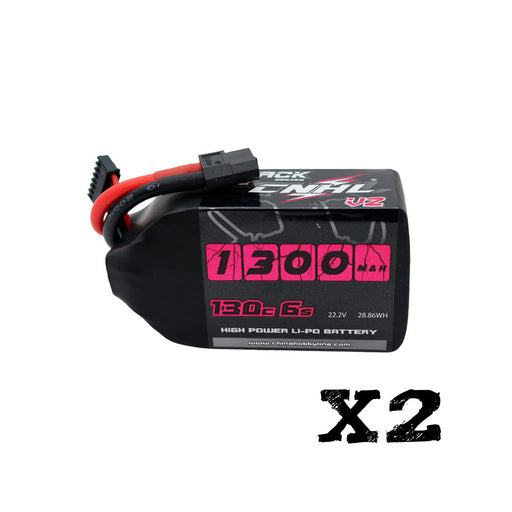
Quick Fit Check The 2 Packs CNHL Black Series V2.0 1300mAh 22.2V 6S 130C LiPo Battery with XT60 Plug is a strong fit for FPV pilots who want a prov...
View full detailsSpare Parts & Long-Term Support We know that for RC pilots, reliable spare parts support is an important part of keeping an aircraft fl...
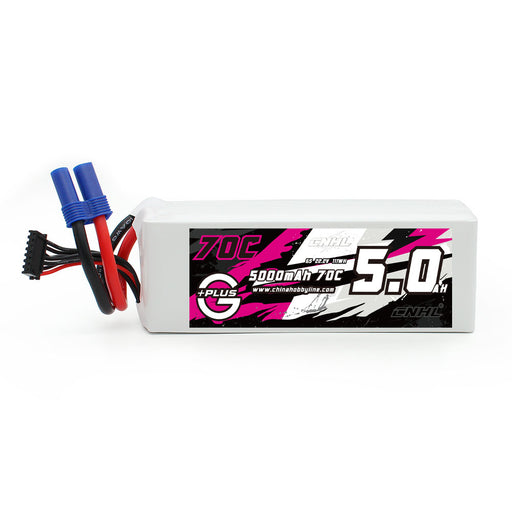
View full detailsSpecifications: Stock Number: 500706EC5 Capacity: 5000mAh Voltage: 22.2V / 6-Cell / 6S1P Discharge Rate: 70C Continual / 140C Burst Charge Rate: ...
View full details
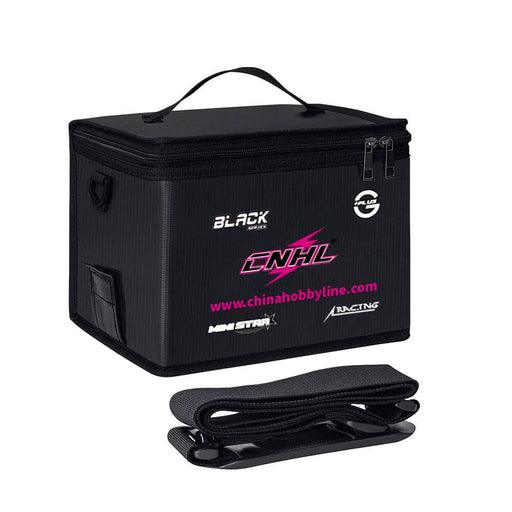
The CNHL LiPo Battery Bag is designed for safer LiPo charging, transport, and storage at home or at the field. It adds a practical layer of protect...
View full detailsQuick Fit Check The 2 Packs CNHL Speedy Pizza Series Pro 1350mAh 6S 150C LiPo Battery with XT60 Plug is built for 5-inch FPV pilots who want a ...
View full details

The CNHL Long Range Series BAK 65E 6350mAh 21700 Li-ion battery cell is built around one clear priority: maximum stored energy from a lightweight c...
View full details

The CNHL Long Range Series BAK 50D 5000mAh 21700 Li-ion battery cell is designed for custom high-energy battery packs that need a strong balance be...
View full details

The ISDT C4 EVO is a versatile smart battery charger built for AA, AAA and cylindrical rechargeable cells from compact 10440 batteries all the way ...
View full details

The CNHL Long Range Series 6350mAh 21.6V 6S1P 21700 Li-ion battery combines six BAK 65E high-energy cells into a 137.16Wh pack designed for ultra-e...
View full details

The CNHL Long Range Series 5000mAh 21.6V 6S1P 21700 Li-ion battery combines six BAK 50D cells into a compact 108Wh pack designed around long-range ...
View full details




Comments
Leave a comment