
CNHL Lipo Batteries
CNHL aim at providing high-quality Li-Po batteries and RC products to all hobby enthusiasts with excellent customer services and competitive prices

The Skynetic Altura 1320mm PNP answers a very practical question that still matters in RC aviation: what if you want a trainer that does not immediately feel disposable once you learn the basics? The short answer is that the Altura works because it keeps the familiar strengths people expect from a high-wing trainer, but it does not stop there. It is stable, forgiving, and easy to understand in the air, yet it still has enough personality to remain enjoyable after the early learning phase. That balance is what makes it more interesting than it first appears.
At a glance, the Altura looks exactly like what many pilots would call an old-school trainer. The proportions are familiar. The layout is familiar. Even the general field presence says “classic high-wing airplane” rather than “new release trying too hard to look aggressive.” That is actually part of the appeal. A lot of pilots still trust this kind of layout because it tends to favor stability, slower-speed confidence, and easier landings. The Altura leans into that formula, but it does not feel trapped by it.
What gives this model a longer shelf life is that the airplane is not limited to gentle circles and early landing practice. Once airborne, it clearly has room to do more. The airframe supports normal trainer duty well, but it also has enough control authority and enough willingness in the air to keep simple aerobatics, sport passes, and more confident flying on the table. That is the reason this airplane deserves more attention than a quick “beginner trainer” label would suggest.
The first thing that stands out about the Skynetic Altura 1320mm PNP is that it feels designed for real use rather than just first impressions. Some airplanes are easy to market because they promise instant success, but they start to feel limited after only a few sessions. The Altura takes a more durable approach. Its high-wing configuration gives it that calm, confidence-building foundation people want from a trainer, yet the airplane still has enough power and responsiveness to keep progressing with the pilot.

That combination matters more than it sounds. Many new or returning pilots do not want to buy one airplane for three weekends and then move on immediately. They want something that can help them settle back into basic takeoffs, turns, and landings, but that can also stay useful later for relaxed flying and classic sport maneuvers. The Altura fits that role unusually well. It gives the impression of being approachable without feeling overly restricted.
The PNP format is also part of the attraction. This version is for pilots who already have a radio system they trust and would rather install their own receiver than buy a fully bundled package. That makes the Altura more appealing to hobbyists who want a clean, quick setup but still want control over their electronics choice. The airplane comes with the motor, ESC, and servos already installed, which removes most of the unnecessary setup friction while keeping the final system flexible.
One of the most useful observations around this model is also the simplest: it really does have that classic trainer look. That is not a criticism. In fact, it tells you a lot about where the Altura sits in the market. It shares the visual language of the airplanes many pilots already recognize and trust. It looks like the kind of model that should be predictable, visible in the air, and reasonably honest to fly. In practice, that is exactly the impression it gives.
But the interesting part is what comes after that first impression. Once the airplane is in the air, it does not behave like a machine built only for cautious circles at half throttle. It still has the forgiving side of a trainer, especially in normal flight and landing patterns, but there is enough life in the airframe to make the airplane feel playful rather than flat. That makes a big difference over time. A trainer that is too soft can become boring. A sport airplane that is too lively can feel punishing. The Altura sits in a middle zone that many pilots end up appreciating more and more after a few sessions.
That is also why the model naturally invites comparison to other familiar trainer-style airplanes. In practical terms, the Altura sits in the same general conversation as airplanes like the E-flite Apprentice and the FMS Ranger. That does not mean it feels copied from either one. It means pilots already understand what this kind of high-wing layout usually promises: visibility, stability, and a lower-stress learning curve. The difference here is that the Altura feels especially comfortable as a bridge airplane. It can support the early learning stage, but it also feels like something you could continue bringing to the field simply because it is enjoyable to fly.
The Altura also benefits from being easy to live with on the ground. That sounds like a small point, but it matters. An airplane can fly beautifully and still become a chore if setup, transport, or minor maintenance are more annoying than they need to be. The Altura does not try to be overcomplicated. Its basic design choices feel practical, and that practicality supports its role as an everyday field airplane.
The assembly process is straightforward enough that it should not intimidate the average hobbyist. The landing gear install is simple. The tail surfaces go on without much drama. The wing assembly follows a familiar trainer-style logic rather than anything exotic. None of this makes the airplane glamorous, but it does make it welcoming. The model feels built around the idea that you should be able to get it ready, transport it without too much fuss, and get on with the flying part.

The wing retention system is another good example. Some pilots may look at a rubber-band-mounted trainer wing and immediately think of older-school construction rather than premium engineering. That reaction is understandable, but on a trainer this size, it still makes practical sense. The system is simple, field-friendly, and easy to deal with. It also matches the Altura’s broader personality. This is not a delicate showpiece. It is a usable, repeatable, low-drama flying machine.
That practical feel gives the airplane more staying power. It feels like something you can keep in the car for a casual field stop, bring to the club without a huge checklist, and use for real flying rather than only careful demonstration flights.
The strongest part of the Altura is how naturally it combines stability with enough responsiveness to avoid feeling sleepy. In normal flight, it behaves like the sort of high-wing airplane that helps a pilot stay ahead of the model rather than chase it. It settles into cruising flight easily, does not seem eager to punish modest mistakes, and generally gives the pilot time to think.
That matters most during takeoff, early circuits, and landing practice. Airplanes in this category live or die by how honest they feel at these moments. The Altura’s overall personality suggests that it wants to stay usable. It is not trying to be so sensitive that every input becomes a correction exercise. Instead, it seems to reward smoother stick work and a calm approach, which is exactly what many pilots need from a growth-friendly trainer.
At the same time, it does not run out of personality the moment you gain confidence. It will still do more than simple pattern work. That is a major reason people describe this airplane as fun rather than merely functional. It is the kind of airplane that can be flown gently when that is the goal, but when the pilot starts pushing a bit more, the model has enough willingness for loops, rolls, and classic sport flying. That broader performance envelope is what keeps it from feeling temporary.

The Altura also appears to carry itself well at lower speeds, which is one of the defining traits people want from a trainer-style platform. Low-speed predictability is rarely exciting to write about, but it is a big part of why certain airplanes stay in people’s rotation while others get sold off. When an airplane handles slower flight with a composed attitude, it lowers stress on approach, makes repeated circuits more enjoyable, and gives the pilot more time to learn useful habits.
This may be the single most important point about the Altura. There are plenty of airplanes that are easy to recommend to newcomers because they are easy to control. The problem is that some of them become forgettable once the owner no longer needs help staying upright. The Altura feels different because the airframe still has room for curiosity.
That room matters. Once pilots get past the first takeoff nerves and start building routine, they naturally begin looking for more from the airplane. They want to fly lower passes. They want cleaner turns. They want to try loops, rolls, touch-and-goes, and maybe the occasional slightly silly maneuver just because the airplane seems willing. The Altura appears to meet that moment well. Instead of forcing an immediate upgrade into a completely different category, it keeps offering enough fun to justify more flight time.
In other words, the airplane seems to age well. That is a very underrated quality. A good trainer should help you start. A better trainer should also give you a reason to keep flying it after you no longer need it to hold your hand. The Altura seems much closer to the second type.
| Area | What Stands Out | Why It Matters |
|---|---|---|
| Airframe layout | Classic 1320mm high-wing trainer format | Supports visibility, stability, and easier everyday flying |
| Personality in flight | Forgiving, but still willing to do sport maneuvers | Helps the airplane stay interesting after the learning phase |
| Assembly | Straightforward, practical setup | Reduces friction for first-time owners and weekend flying |
| PNP format | Lets pilots use their own receiver and radio system | More appealing to hobbyists who want flexibility without a full scratch setup |
| Battery requirement | 4S 2200–2600mAh XT60 range | Keeps battery selection simple and practical for everyday use |
The easiest way to misunderstand the Altura is to place it too firmly in only one category. It is clearly a trainer-style airplane in layout, intent, and flying attitude. That part is real. But if you stop there, you miss why the model is appealing. The Altura is also a sport-capable airplane in a very usable, everyday sense.
It is not trying to replace an all-out aerobatic airframe, and it does not need to. What it offers instead is a much more approachable version of sport flying. It gives you the kind of platform where basic aerobatic skills and cleaner pilot habits can grow naturally out of regular flying. That makes it more realistic for many hobbyists. Not everyone wants a sharp-edged next-step airplane. A lot of pilots simply want a machine that keeps giving a little more as they become more comfortable. The Altura seems to fit that need very well.
This is why the airplane is better understood as a trainer that naturally transitions into sport use rather than as a trainer that gets replaced the moment you improve.
Although this article is mainly about the airplane itself, battery choice does shape the Altura experience. The best setup is usually the one that preserves the airframe’s balance instead of trying to force it into a completely different role. For most pilots, that means a 4S 2200mAh XT60 pack is the cleanest starting point. It fits the airplane’s intended setup well and keeps the model feeling natural from takeoff through landing.
That is why the most sensible starting place is this collection here: Best LiPo Battery for Skynetic Altura 1320mm PNP. For most flyers, the 2 Packs CNHL G+Plus 2200mAh 14.8V 4S 70C with XT60 Plug is the best all-around match. It stays close to the airplane’s natural sweet spot and also makes sense for real field use, since this is exactly the kind of model people tend to fly more than once in a session.
For pilots who want a slightly more energetic version of the Altura, the CNHL Lightning LiHV 2400mAh 15.2V 4S 120C HV Shorty with XT60 Plug is the more upgrade-style option. It is better viewed as a “more spirited feel” setup rather than the default answer. The airplane does not need it to become enjoyable, but some pilots will like the extra sharpness it can bring.
| Pilot Type | Recommended Setup | Why |
|---|---|---|
| First trainer-style fixed-wing buyer | 4S 2200mAh XT60 | Most balanced, least complicated way to let the Altura feel like itself |
| Returning pilot wanting a dependable weekend airplane | 4S 2200mAh XT60, ideally a 2-pack setup | Fits the practical, repeat-flying nature of this kind of model |
| Pilot already comfortable with trainer airframes | 4S LiHV 2400mAh XT60 | Adds a more lively, sport-oriented feel without abandoning the airplane’s core character |
The Altura makes sense for several types of pilots. It works for the hobbyist stepping into a more serious fixed-wing airplane and wanting something forgiving, visible, and not intimidating. It works for the returning pilot who wants a familiar, honest high-wing machine rather than a trend-driven design. And it works for the club flyer who simply wants a practical airplane that can handle routine flying, skill-building, and occasional sport use without a lot of drama.
The PNP version is especially attractive if you already have a transmitter and a receiver setup you trust. That shifts the model slightly away from the fully first-time buyer and a little more toward the hobbyist who wants to choose his own final setup. Even so, the underlying airplane remains very approachable, which is why it can still appeal to newer fixed-wing pilots depending on their experience level and support at the field.
What the Altura probably does best is remove the feeling that you are buying a temporary airplane. It feels more like an airplane you can grow into and keep using, rather than one you are already planning to replace.
The Skynetic Altura 1320mm PNP succeeds because it respects the strengths of a traditional trainer without getting stuck there. It looks like a classic high-wing airplane because that layout still works. It flies with the kind of stability people want when building confidence. It assembles with the kind of simplicity that makes real ownership easier. And most importantly, it still has enough life in the airframe to stay fun after the basics are no longer the main challenge.
That makes it a smart choice for pilots who want more than a first-flight crutch. The Altura is easy to start with, but that is not the whole story. Its real strength is that it remains useful, practical, and entertaining well after the first successful landing.
If you are matching it with batteries, start here: Best LiPo Battery for Skynetic Altura 1320mm PNP. For most pilots, the 4S 2200mAh route will feel the most natural. For a slightly sharper sport flavor, the 4S LiHV 2400mAh option is the one to look at.
Is the Skynetic Altura 1320mm PNP only for beginners?
Not really. It clearly works as a trainer-style airplane, but it has enough responsiveness and enough sport capability to stay enjoyable after the early learning phase.
What makes the Altura different from a basic trainer?
The main difference is that it does not feel limited to early practice flights. It keeps the stable, confidence-building side of a trainer, but still leaves room for sport flying and simple aerobatic progression.
Is the Skynetic Altura 1320mm PNP easy to assemble?
Yes. Its overall setup is practical and straightforward, which fits the airplane’s role as an everyday field model rather than a high-maintenance project.
What battery does the Skynetic Altura 1320mm PNP use?
The usual fit is a 4S LiPo in the 2200mAh to 2600mAh range with an XT60 connector. For most pilots, 4S 2200mAh is the most balanced choice.
What is the best battery for the Skynetic Altura 1320mm PNP?
For most users, a 4S 2200mAh XT60 battery is the best all-around choice. A 4S LiHV 2400mAh XT60 pack is a good alternative for pilots who want a slightly livelier feel.
Is the Altura a good long-term airplane?
Yes. That is one of its biggest strengths. It feels like an airplane that can teach the basics, then remain useful and fun for relaxed sport flying afterward.
CNHL aim at providing high-quality Li-Po batteries and RC products to all hobby enthusiasts with excellent customer services and competitive prices
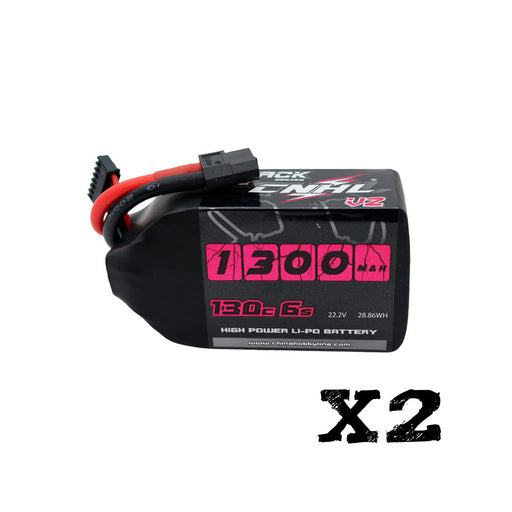
Quick Fit Check The 2 Packs CNHL Black Series V2.0 1300mAh 22.2V 6S 130C LiPo Battery with XT60 Plug is a strong fit for FPV pilots who want a prov...
View full detailsSpare Parts & Long-Term Support We know that for RC pilots, reliable spare parts support is an important part of keeping an aircraft fl...
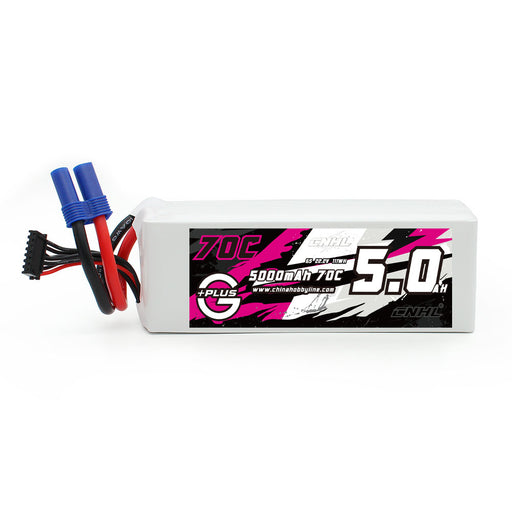
View full detailsSpecifications: Stock Number: 500706EC5 Capacity: 5000mAh Voltage: 22.2V / 6-Cell / 6S1P Discharge Rate: 70C Continual / 140C Burst Charge Rate: ...
View full details
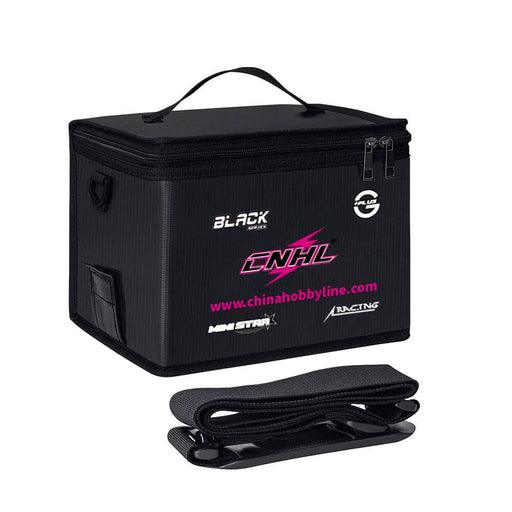
The CNHL LiPo Battery Bag is designed for safer LiPo charging, transport, and storage at home or at the field. It adds a practical layer of protect...
View full detailsQuick Fit Check The 2 Packs CNHL Speedy Pizza Series Pro 1350mAh 6S 150C LiPo Battery with XT60 Plug is built for 5-inch FPV pilots who want a ...
View full details

The CNHL Long Range Series BAK 65E 6350mAh 21700 Li-ion battery cell is built around one clear priority: maximum stored energy from a lightweight c...
View full details

The CNHL Long Range Series BAK 50D 5000mAh 21700 Li-ion battery cell is designed for custom high-energy battery packs that need a strong balance be...
View full details

The ISDT C4 EVO is a versatile smart battery charger built for AA, AAA and cylindrical rechargeable cells from compact 10440 batteries all the way ...
View full details

The CNHL Long Range Series 6350mAh 21.6V 6S1P 21700 Li-ion battery combines six BAK 65E high-energy cells into a 137.16Wh pack designed for ultra-e...
View full details

The CNHL Long Range Series 5000mAh 21.6V 6S1P 21700 Li-ion battery combines six BAK 50D cells into a compact 108Wh pack designed around long-range ...
View full details




Leave a comment