


What Battery Works Best for the Beechcraft D18 / RC-45J 1.5m?
The Beechcraft D18 / RC-45J 1.5m is one of those scale twins that feels “sorted” when the battery choice is right. The airframe has a wide flight envelope—smooth and floaty with flaps, but also fast and energetic when you open it up. To keep that experience consistent, the battery needs to hold voltage under load and deliver clean throttle response for a twin-motor system, especially if you like strong climbouts or you plan to use reverse thrust on rollout.
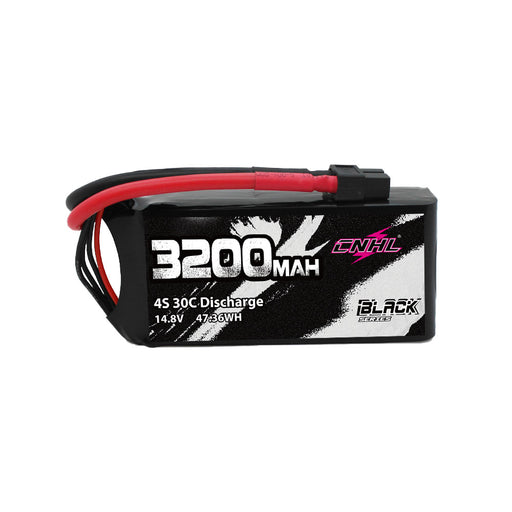
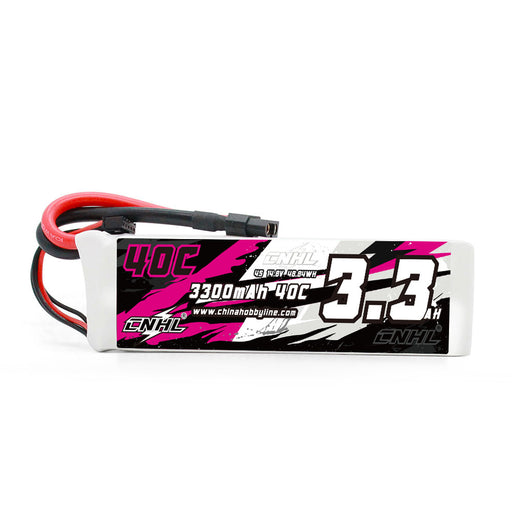
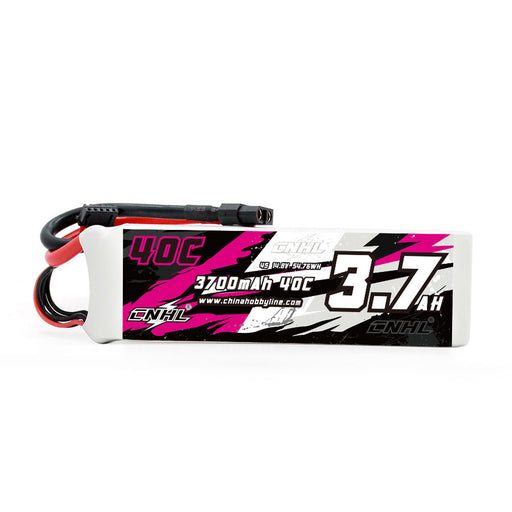
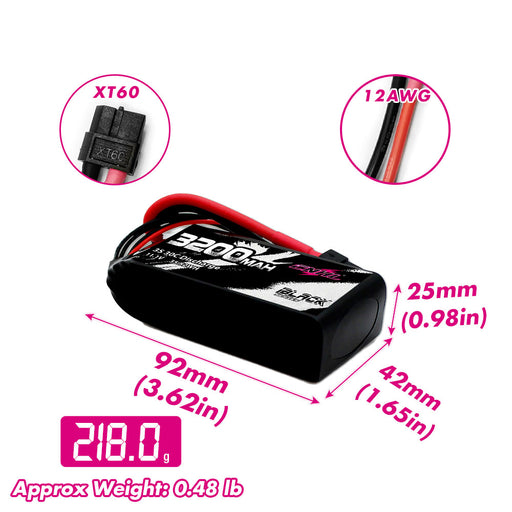
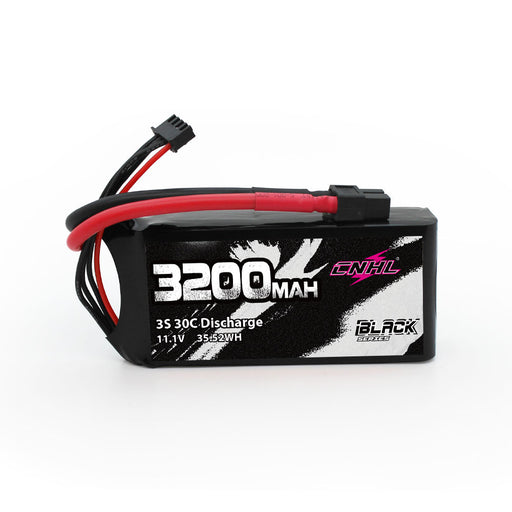
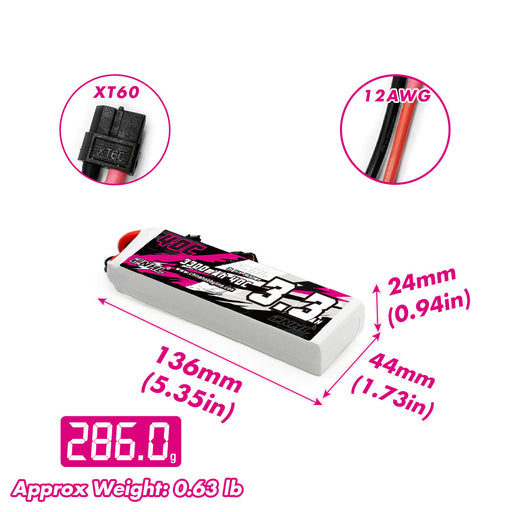
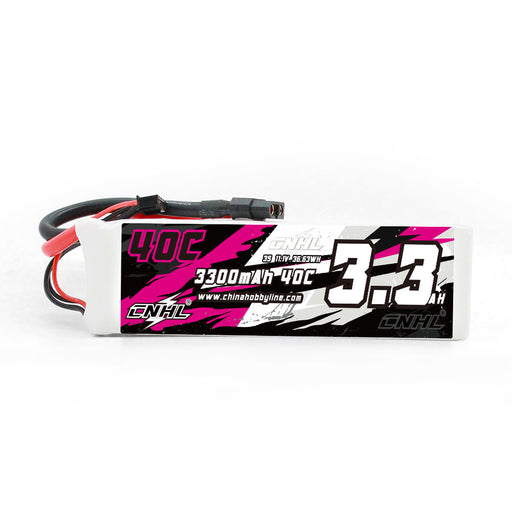
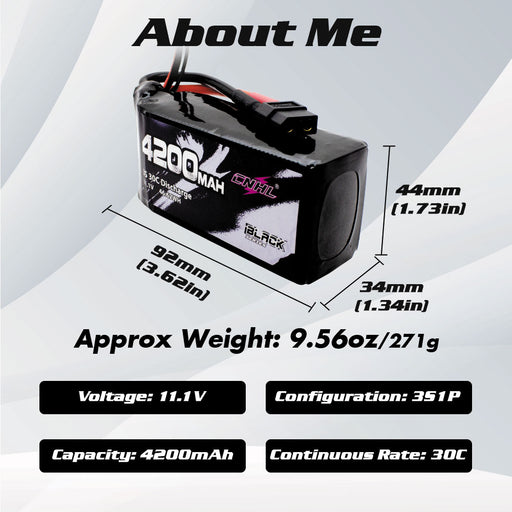
The practical target is simple: 3S or 4S, 3200–5000mAh, and a genuine 30C+ discharge rating. If you prefer the “set it and forget it” route, many pilots land on 4S 4000mAh as the sweet spot for power, flight time, and a calm CG window.
Can You Use XT60 Batteries on the RC-45J?
Yes—this is a common real-world setup. The aircraft is often configured around EC3 / IC3 connectors, while many high-quality flight packs are sold with XT60. The clean solution is a short XT60-to-EC3 adapter.
The key is build quality. Use a short adapter with solid solder joints and appropriately thick wire (commonly 12–14AWG for this class). When an adapter is properly built and kept short, it typically does not create a noticeable performance penalty in this size range. What causes issues is the opposite: long, thin, bargain adapters that add resistance and heat.
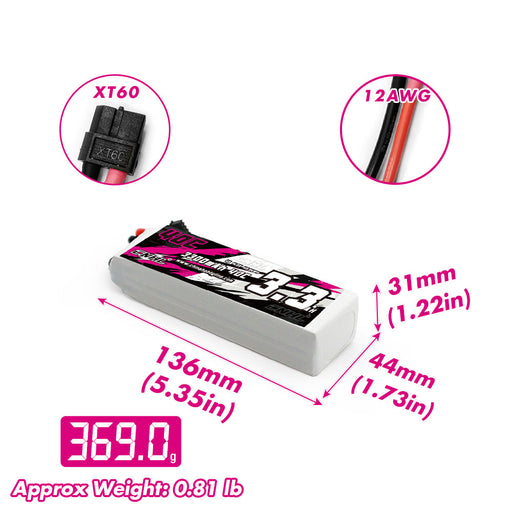
If you want to keep the setup tidy, choose an adapter that sits comfortably inside the hatch area without forcing the pack rearward—battery position matters as much as capacity on this model.
3S vs 4S: How the Plane Feels in the Air
Both 3S and 4S work well—this platform is designed to handle either without modification. The difference is not just speed; it’s the “personality” of the airplane. If you’re chasing clean, scale passes and long, relaxed approaches, 3S can feel very natural. If you want confident climbouts, stronger go-arounds, and easier grass ops, 4S tends to make the whole flight feel more effortless.
| Setup | Best for | Takeoff & grass | Climb / vertical | Overall feel |
|---|---|---|---|---|
| 3S 3200–5000mAh | Scale cruising, smooth circuits | Works well on paved; grass depends more on field condition | Plenty for scale flying | Relaxed, “classic twin” vibe |
| 4S 3200–5000mAh | More authority, confident go-arounds | Generally easier on grass and short rolls | Strong climb and energetic response | Effortless, “modern power” feel |
Recommended Battery Specifications (Quick Reference)
| Specification | Recommended Range | Why it matters |
|---|---|---|
| Voltage | 3S (11.1V) or 4S (14.8V) | Both are supported; pick flight personality and field needs |
| Capacity | 3200–5000mAh | Balances flight time and landing weight |
| Discharge Rating | 30C or higher | Helps maintain voltage under twin-motor load |
| Connector | XT60 (use XT60-to-EC3 adapter) | Adapter compatibility keeps wiring stock and simple |
Grass Field Notes and Landing Gear Reality
Many buyers ask the same question: does it need “golf-course grass”? In practice, the model can operate on typical club fields, but outcomes depend on three things: grass height, rolling resistance, and how you manage flaps and throttle. If the grass is thick or uneven, 4S tends to make takeoffs feel more confident with less runway drama.
One realistic note from experienced owners is that heavier packs increase landing loads. If you fly from rougher ground, keep landings smooth and avoid slamming it on. Use the airplane’s strengths: let it settle in with a controlled approach, keep turns gentle when slow, and don’t force full-flap, tight turns near stall speed.
FAQ
Do I have to run 4S on the D18 / RC-45J?
No. 3S and 4S both work well. Choose 3S for relaxed, scale-like flying and 4S for stronger takeoff authority, easier grass ops, and more energetic climb performance.
Is it safe to use an XT60-to-EC3 adapter?
Yes, when the adapter is short and well-built. Avoid long, thin-wire adapters. A compact adapter with solid solder joints and appropriately thick wire is the practical way to run XT60 packs on an EC3/IC3-equipped aircraft.
Will an adapter reduce power or cause overheating?
A good adapter typically won’t be noticeable in normal use. Problems usually come from low-quality adapters that add resistance and heat. Keep it short, use quality components, and check for warmth after the first few flights.
Is 5000mAh “too much” for this plane?
5000mAh can work if it fits comfortably and the CG can be achieved without forcing the pack into an awkward position. Heavier packs may increase landing loads, so smoother landings and cleaner runways matter more.
Can I use two 2200mAh packs in parallel instead?
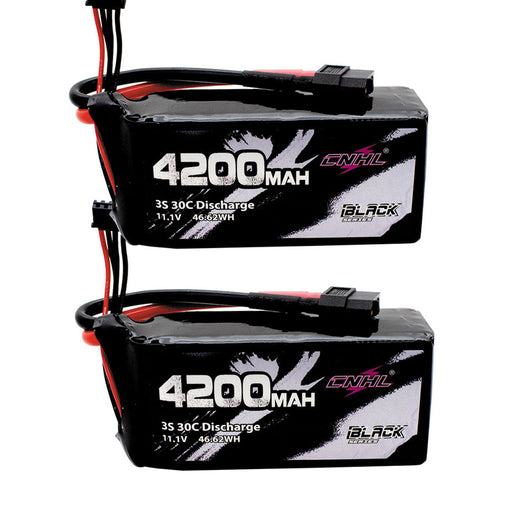
The airframe’s battery bay can accommodate different pack formats, and parallel setups are sometimes used to tune fit and runtime. The main rule is simple: keep voltage correct (3S stays 3S; 4S stays 4S), secure the packs firmly, and confirm CG before flying.
Explore More RC Airplane Battery Options
If you fly multiple aircraft or are comparing battery setups across different platforms, you may want to browse our broader airplane battery collection.
See all compatible options here: CNHL LiPo batteries for RC airplanes .