


























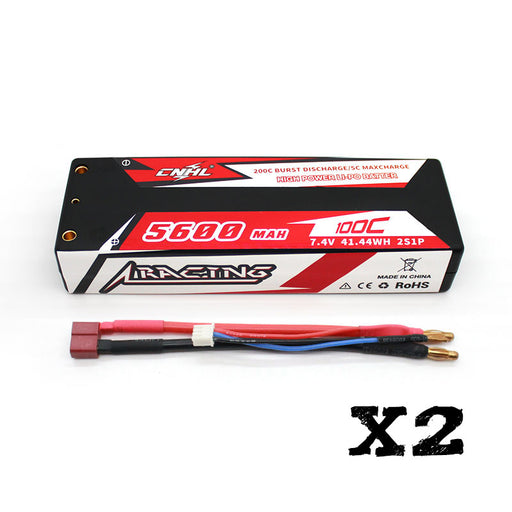
What LiPo Battery Do Most Tamiya RC Cars Use Today?
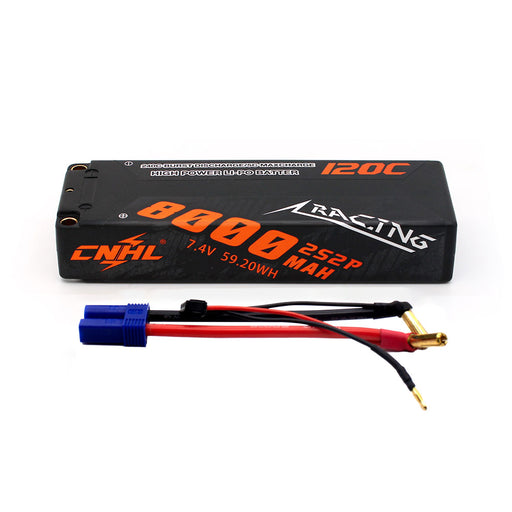
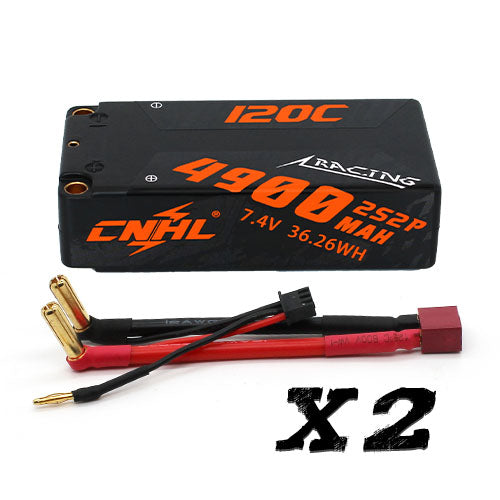
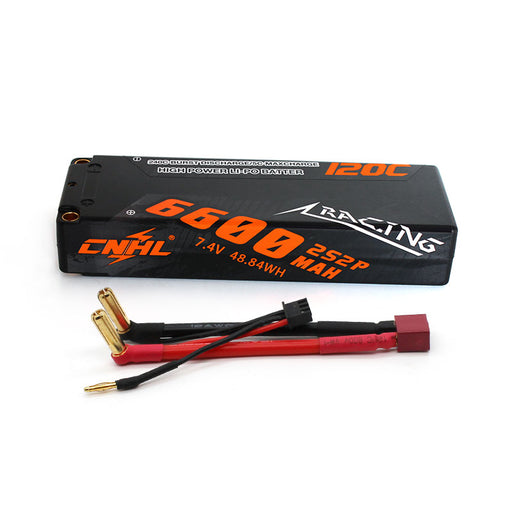
Across modern Tamiya touring cars, minis, and many vintage re-release kits, the most common power setup is still a 2S LiPo battery (7.4V) in a standard stick-pack size. That format matches the battery tray shape used on popular chassis families such as TT-02, many TA/TB-based platforms, and M-chassis builds.
Tamiya also has its own branded pack options (including 6.6V LiFe-style stick packs for certain use cases), but in real-world hobby shops and online builds, most drivers choose a modern 2S hardcase LiPo for better punch, stable voltage, and easier sourcing.
Best Voltage for Tamiya Cars: 2S vs 3S vs LiFe
For the majority of Tamiya RC cars, 2S (7.4V) is the sweet spot. It delivers a noticeable performance jump over older NiMH packs while staying controllable on road tires and classic suspension geometry.
| Battery Type | Voltage | Where It Makes Sense | What to Watch |
|---|---|---|---|
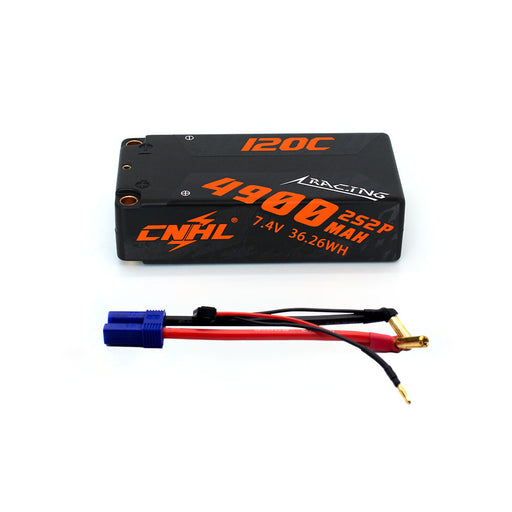
| 2S LiPo | 7.4V | Most TT-02 / TA / M-chassis / re-release builds | Use LiPo cutoff (ESC) and correct connector |
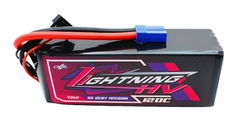
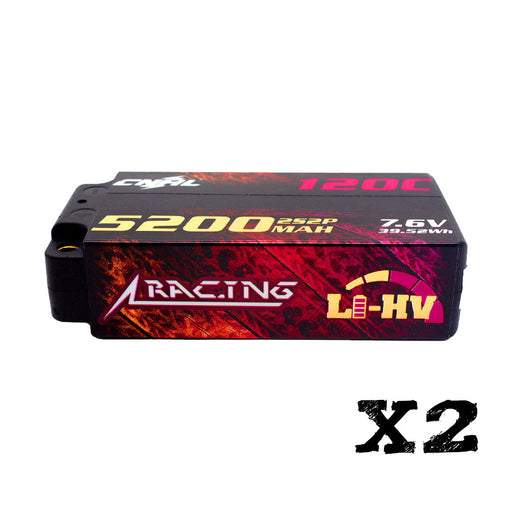
| 2S LiHV | 7.6V | Drivers chasing sharper response in racing-style setups | Charge only with LiHV mode, keep gearing sensible |
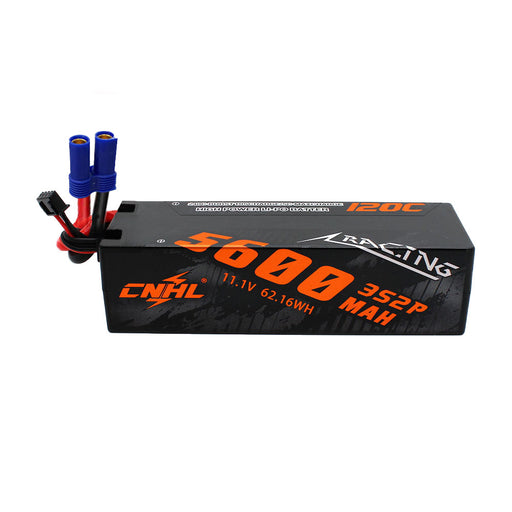
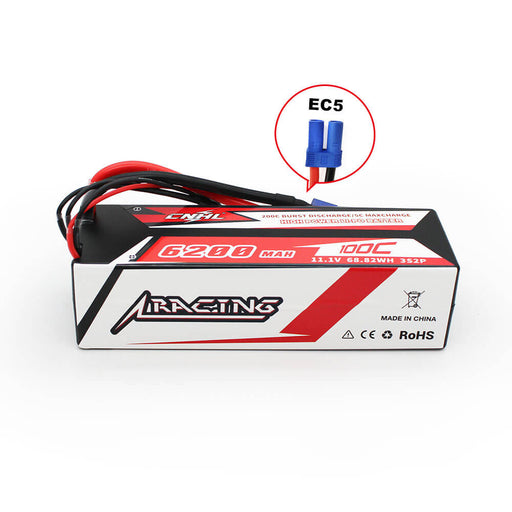
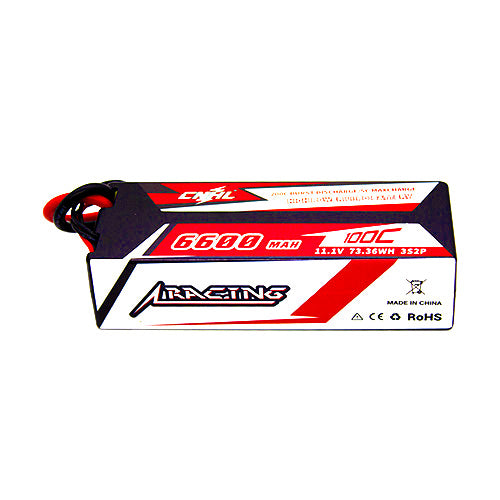
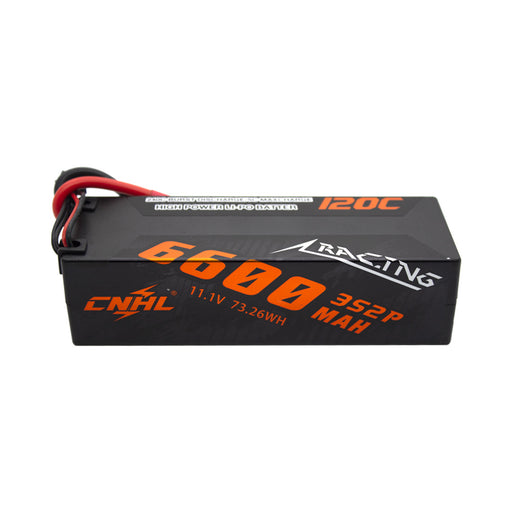
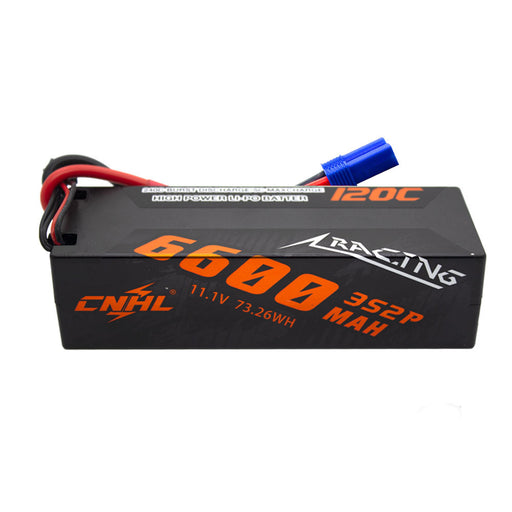
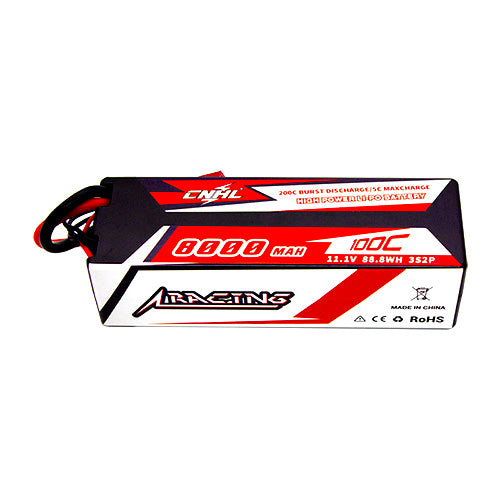
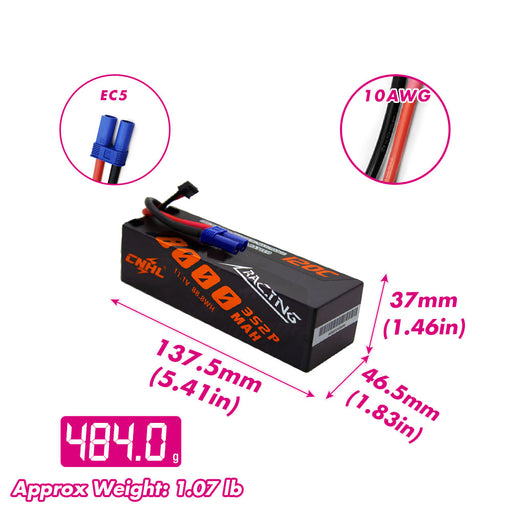
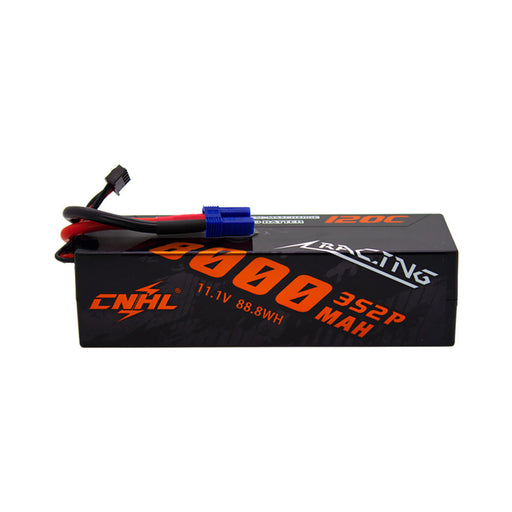
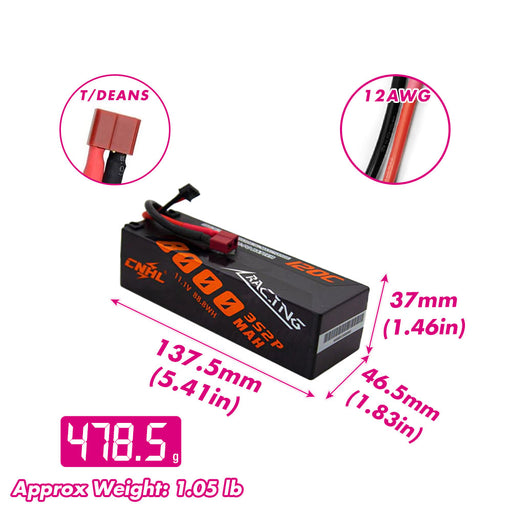
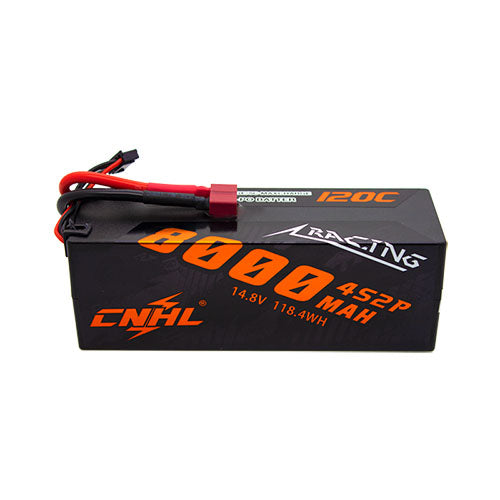
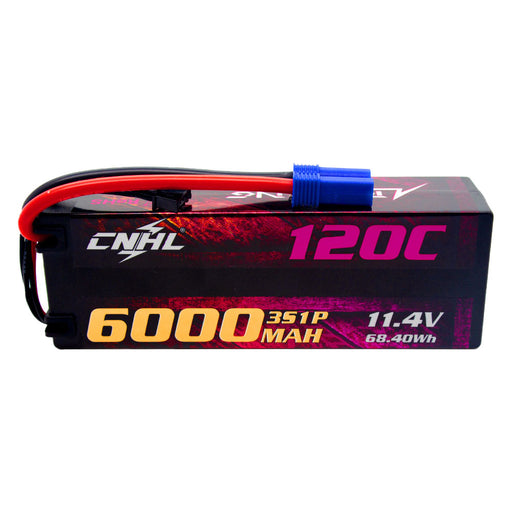
| 3S LiPo | 11.1V | Selective custom builds with suitable ESC/motor | Not typical for Tamiya touring or classic re-release balance |
| LiFe Stick Pack | 6.6V | Tamiya-branded ecosystem and conservative driving feel | Different charge profile vs LiPo |
If your goal is a “clean, reliable upgrade” for most Tamiya cars, choose 2S 7.4V. It is the most compatible choice and the easiest to tune with gearing and tire selection.
Best Capacity Range for Tamiya: 4000–6000mAh (Real-World Use)
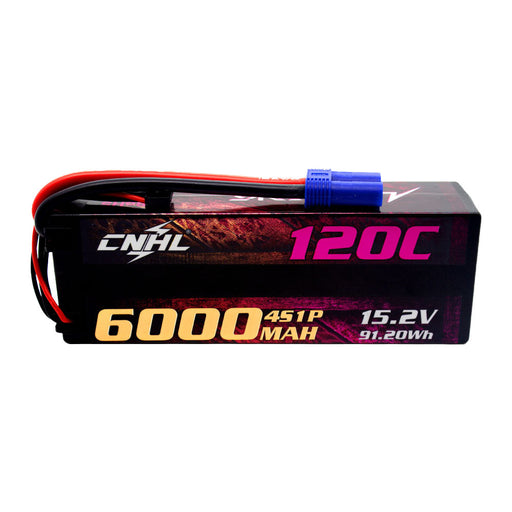
In practical driving, most Tamiya owners end up in the 4000–6000mAh range for 2S packs. It offers a balance of run time, weight, and consistent voltage under load.
| Capacity | Best For | Why It Works on Tamiya | Notes |
|---|---|---|---|
| 4000–4500mAh | Light feel, casual runs, vintage re-release balance | Keeps weight down and preserves nimble handling | Great starting point if you drive in smaller spaces |
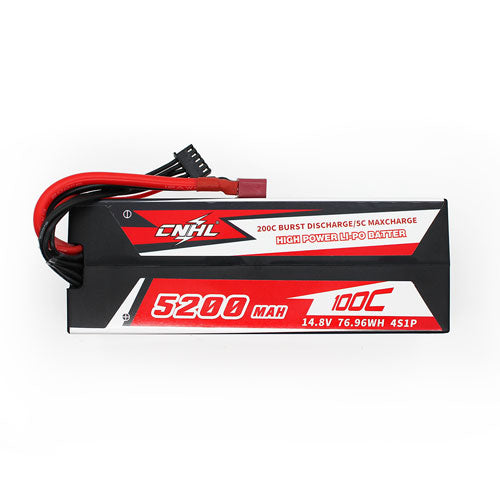
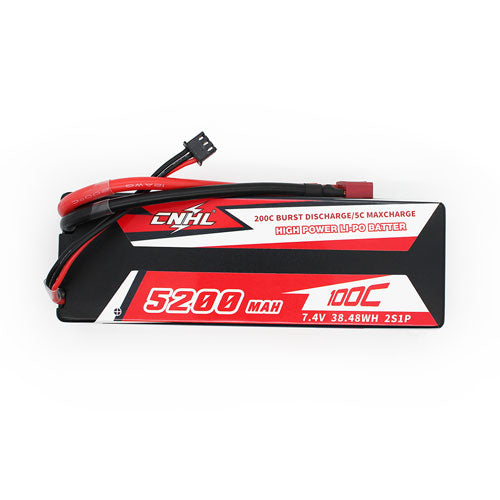
| 5000–5200mAh | Most TT-02 / TA touring builds | Strong runtime without making the car feel heavy | A safe “default” choice for most Tamiya cars |
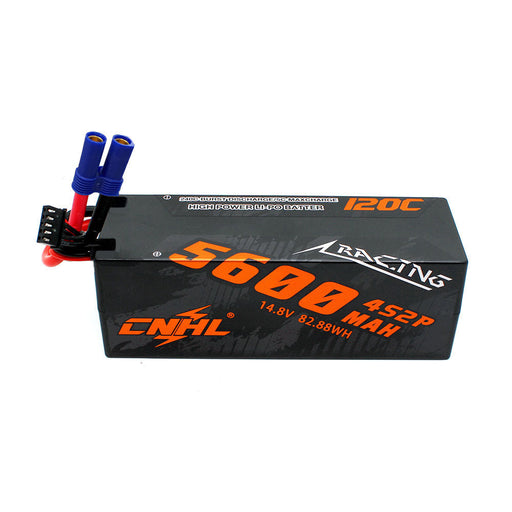
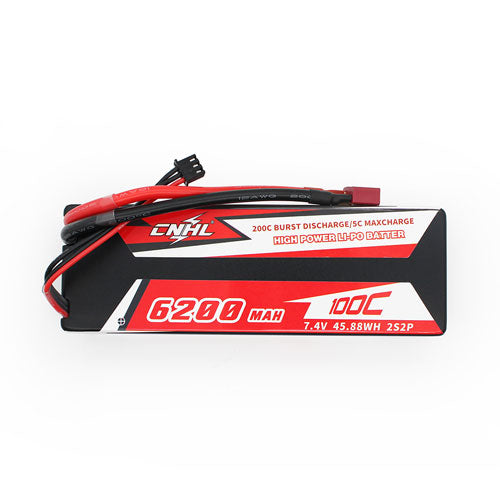
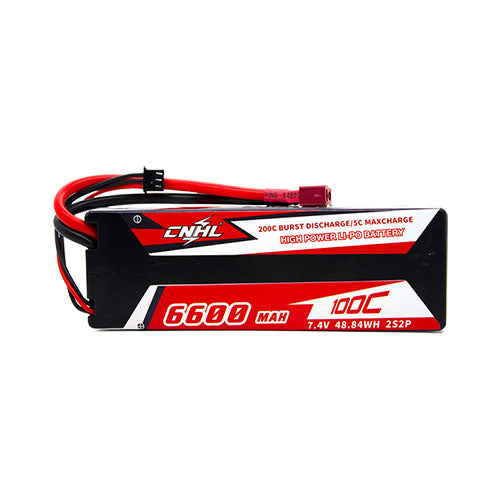
| 5600–6000mAh | Longer sessions, car park running, endurance feel | More runtime with steadier voltage late in the pack | Check battery tray length and strap clearance |
Battery Size and Fit: Stick Pack vs Rectangular Hardcase
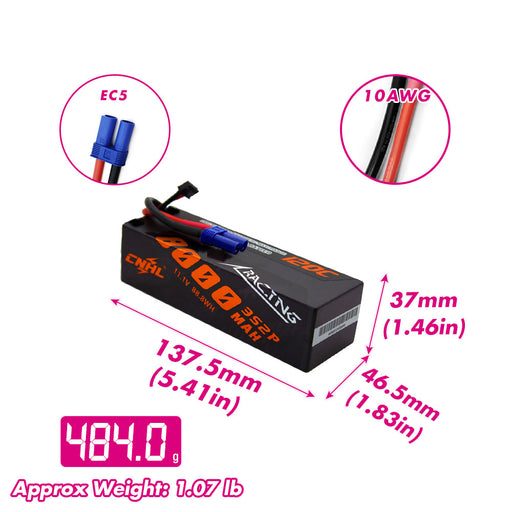
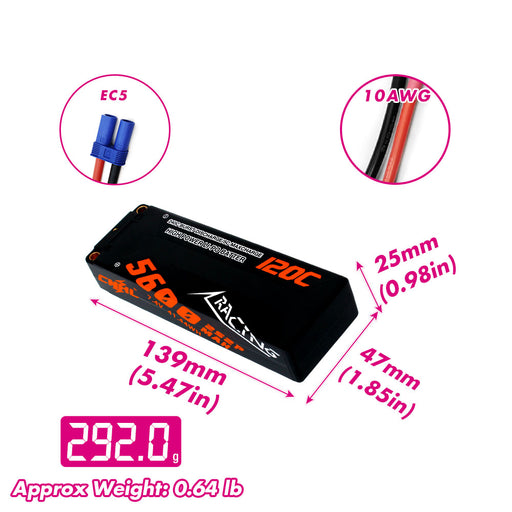
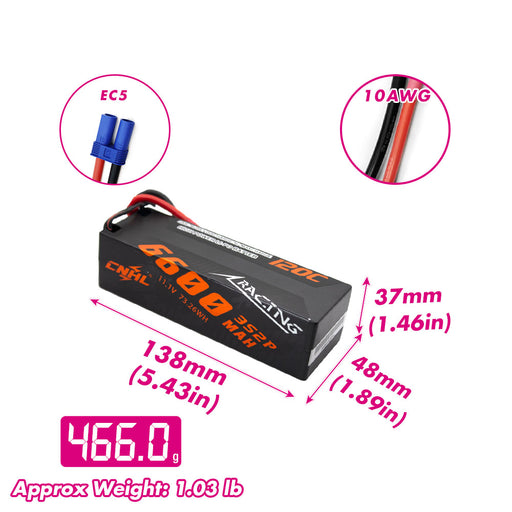
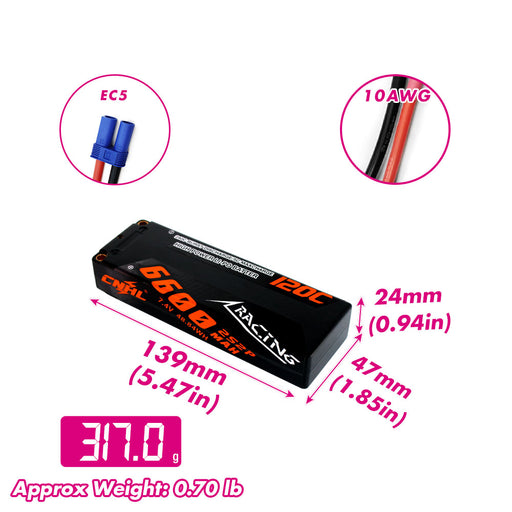
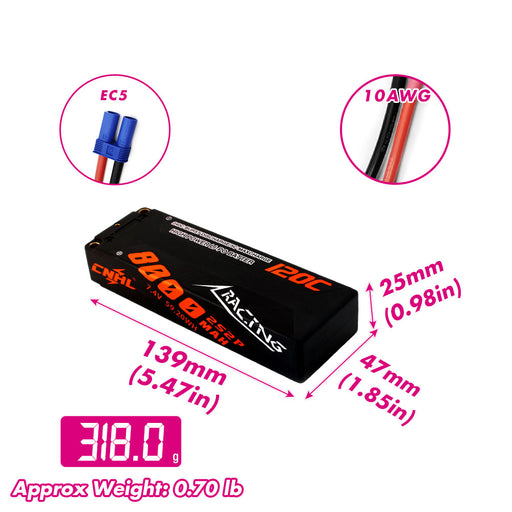
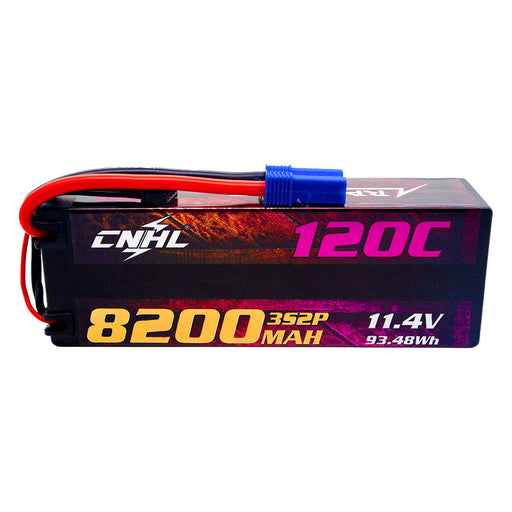
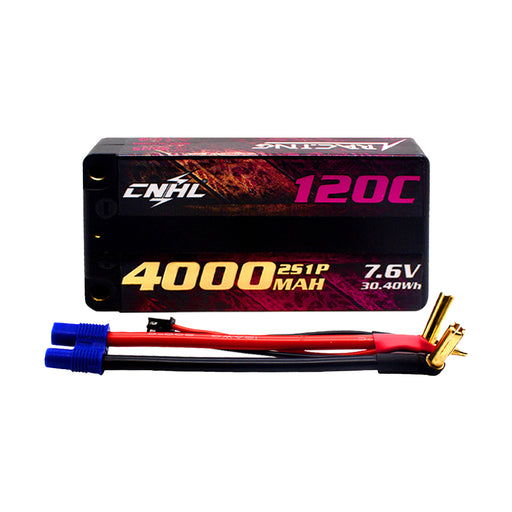
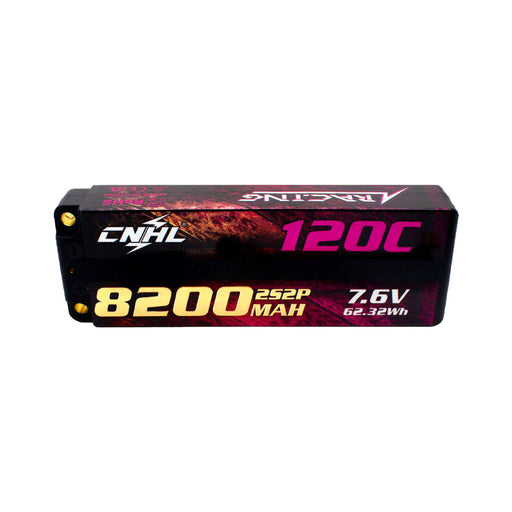
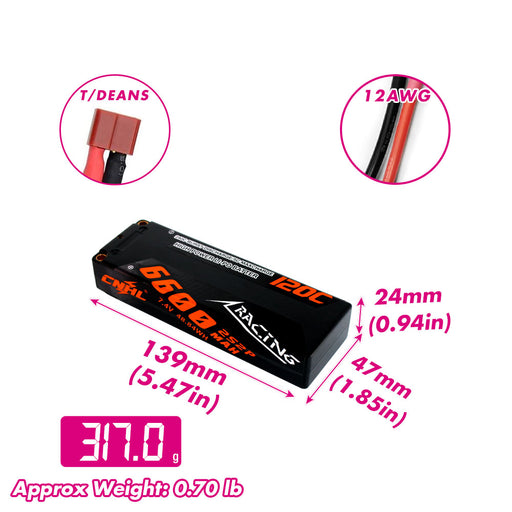
Tamiya battery trays are traditionally designed around the “stick pack” footprint. That does not mean you must use a rounded stick pack today. In many chassis, the battery is retained from the top using a strap or hold-down, and the side walls are straight, which allows modern rectangular 2S hardcase LiPo packs to fit securely as long as the dimensions stay within standard stick-pack limits.
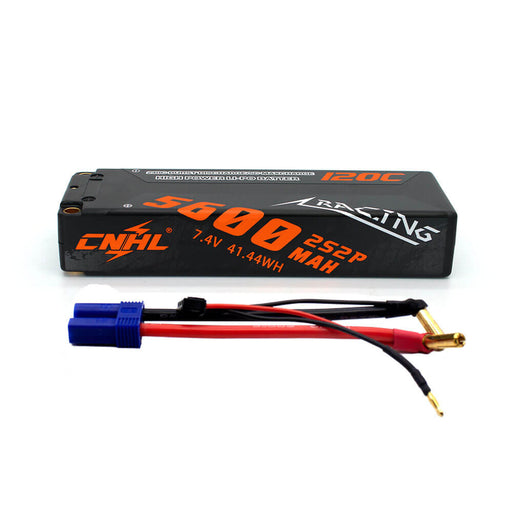
If you are building a vintage re-release or a scale-focused kit, hardcase packs are a practical upgrade because they provide a more protected shell while maintaining the familiar stick-pack form factor.
Tamiya Plug vs T-Plug (Deans): What Most Builders Actually Use
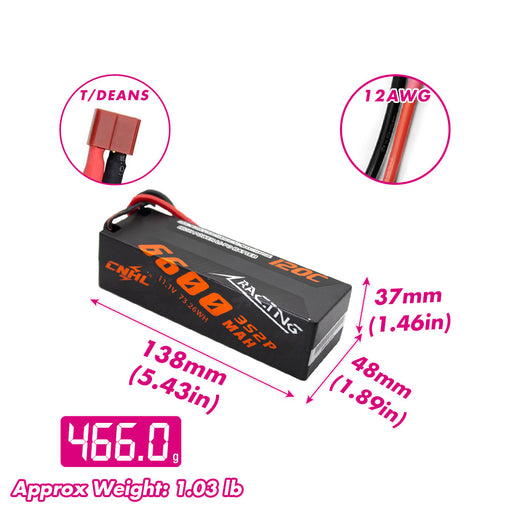
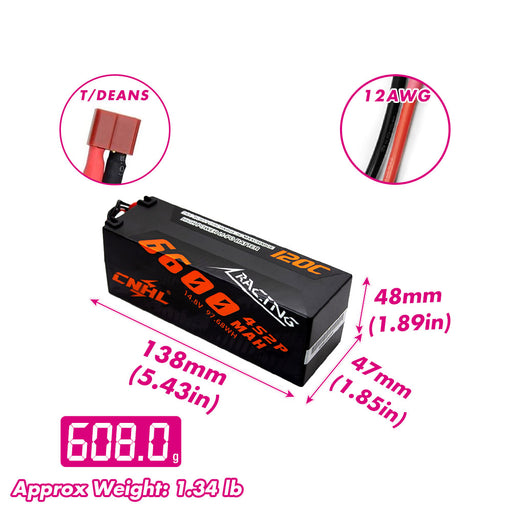
Many stock Tamiya ESC and kit wiring harnesses still ship with the classic Tamiya connector. In the wider RC market, however, T-plug (Deans) has become a common upgrade path because it is compact, widely supported, and easy to find adapters for.
In practice, you will see three common solutions in the Tamiya community:
- Keep the Tamiya plug for a period-correct build or light driving.
- Run T-plug batteries with an adapter (T-plug to Tamiya) when you want a quick, reversible setup.
- Convert the car to T-plug if you plan to standardize across multiple models and packs.
For many builders, the adapter route is the simplest because it keeps the chassis wiring original while letting you use modern hardcase LiPo packs immediately.
Tamiya Chassis Coverage: Touring, Mini, and Vintage Re-Release
This collection is intended as a broad battery reference for Tamiya platforms where 2S LiPo is the most realistic upgrade. That includes popular touring chassis (such as TT-02 and many TA/TB-based builds), M-chassis cars, and scale-focused anniversary or vintage re-release kits.
If you are working on a specific model, choose a pack based on three variables: voltage (usually 2S), capacity (run time vs weight), and connector plan (Tamiya plug, T-plug, or an adapter).
Quick Setup Checklist for Running LiPo in Tamiya Cars
- Use an ESC with LiPo cutoff or enable cutoff mode if supported.
- Confirm connector compatibility (Tamiya plug vs T-plug vs adapter).
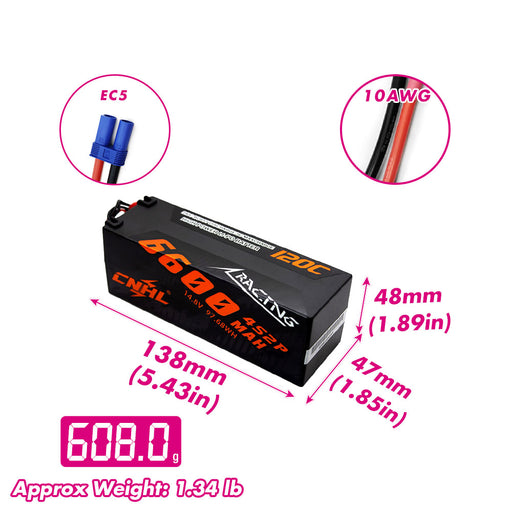
- Check battery dimensions against your chassis tray and hold-down style.
- Gear sensibly if you move from NiMH/LiFe to LiPo for higher sustained voltage.
- Charge with a balance charger and store packs at storage voltage when not in use.
FAQ – LiPo Battery for Tamiya RC Cars
Can I run a 2S LiPo in most Tamiya RC cars?
Yes. For most modern Tamiya touring, mini, and many re-release kits, 2S 7.4V is the most common and most compatible LiPo choice.
What capacity is best for a TT-02 or similar touring chassis?
A 5000–5200mAh 2S pack is a practical baseline for runtime and balance. If you want a lighter feel, look at 4000–4500mAh. If you want longer sessions, 5600–6000mAh is often used.
Is a hardcase 2S LiPo okay for Tamiya?
In many Tamiya chassis, yes. As long as the pack stays within standard stick-pack dimensions and your tray/strap can secure it, rectangular hardcase 2S packs are commonly used.
Do I need to change the connector on my Tamiya car?
Not necessarily. Many builders keep the Tamiya connector and use an adapter. If you want to standardize across multiple batteries and cars, converting to a single connector type can be cleaner long-term.
Is 3S LiPo recommended for Tamiya cars?
In general, no. Some custom builds can support 3S with suitable motor/ESC and gearing, but most Tamiya touring and vintage-style platforms are designed around the balance and drivability of 2S.
What is the safest “upgrade path” from NiMH for a Tamiya kit?
Use a quality 2S hardcase LiPo, confirm you have an ESC with LiPo cutoff, and keep the connector setup simple (either compatible plug or an adapter). That delivers a noticeable performance upgrade without changing the character of the chassis.