Best Battery Direction for the Maverick QByte XB Pro
The best battery direction for the Maverick QByte XB Pro is a compact 3S LiPo battery with an XT60 plug. The buggy’s 1/12 scale size, 4WD drivetrain, 60A brushless ESC, and high-KV motor make 3S power the natural performance setup, but the battery still needs to fit the car properly. A huge pack may look attractive on paper, but extra size and weight can hurt handling, make wire routing harder, and place more stress on a small buggy chassis.
For most drivers, the safest starting point is a compact 2200mAh or 2400mAh 3S XT60 pack. These batteries keep the car lively without turning battery fitment into a struggle. Higher-capacity 3200mAh and 3500mAh LiHV packs can be useful when more runtime is wanted, but they should be treated as fitment-dependent options rather than automatic choices.
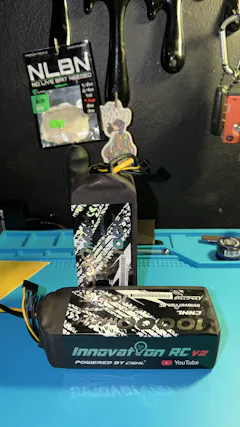
Recommended CNHL Battery Options for the QByte XB Pro
| Battery Option | Best Use | Fitment Note |
|---|---|---|
| CNHL Lightning LiHV 2400mAh 11.4V 3S 120C HV Shorty LiPo Battery with XT60 Plug | Top performance shorty choice for strong 3S punch | Best match when compact size and high output both matter |
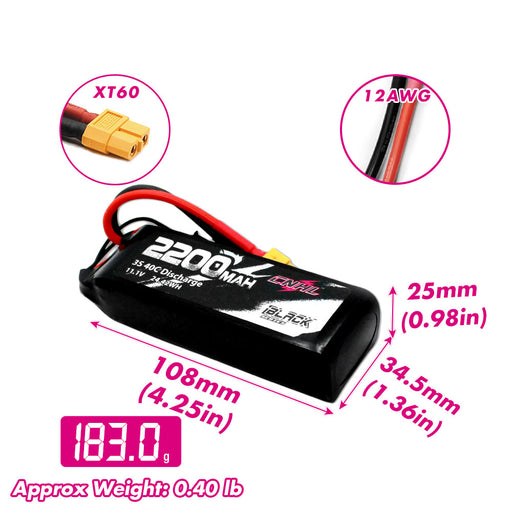
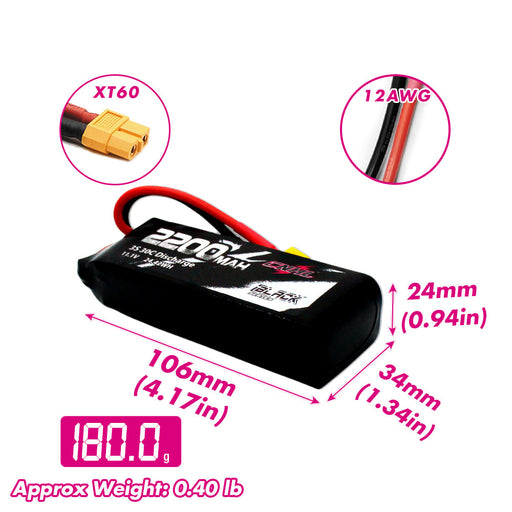
| CNHL Black Series 2200mAh 11.1V 3S Shorty LiPo Battery 40C with XT60 Plug | Balanced everyday 3S setup | Strong starting point for drivers who want standard 3S LiPo simplicity |
| CNHL Lightning LiHV 3500mAh 11.4V 3S 120C HV LiPo Battery with XT60 Plug | Longer runtime and stronger HV output | Check tray length, height, and wire exit direction before use |
| CNHL Lightning LiHV 3200mAh 11.4V 3S 120C HV LiPo Battery with XT60 Plug | Performance-focused 3S LiHV running | A more compact high-capacity option than oversized full-size packs |
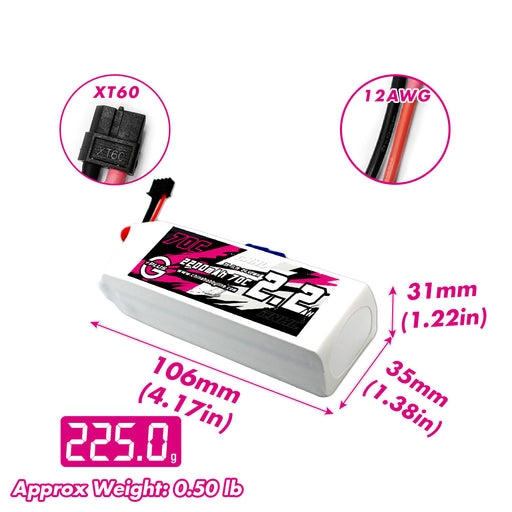
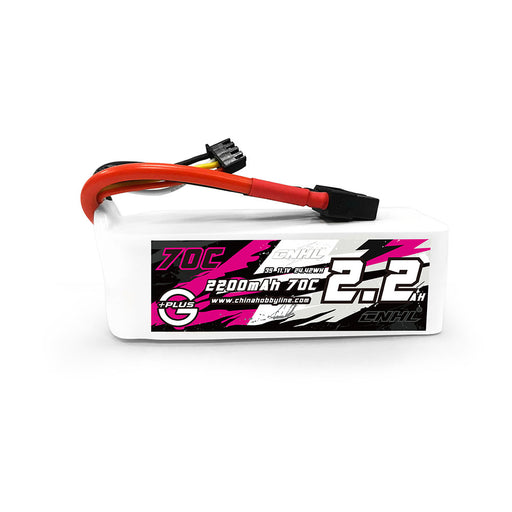
| CNHL G+Plus 2200mAh 11.1V 3S 70C LiPo Battery with XT60 Plug | Light, responsive 3S bashing | Good option when weight control and standard voltage are preferred |
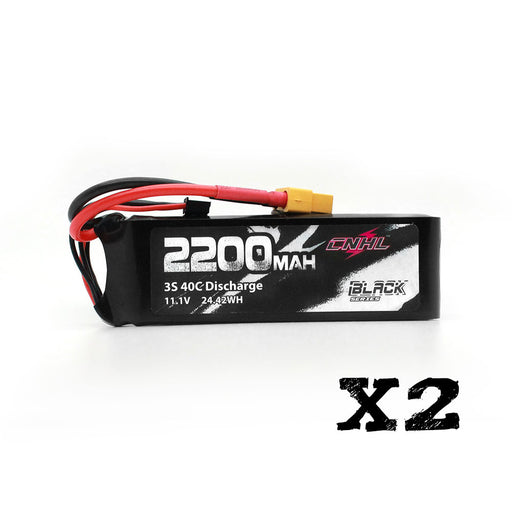
| 2 Packs CNHL Black Series 2200mAh 3S 11.1V 40C LiPo Battery with XT60 Plug | Multiple runs with the same familiar setup | Useful for backyard, dirt lot, or skate-park sessions |
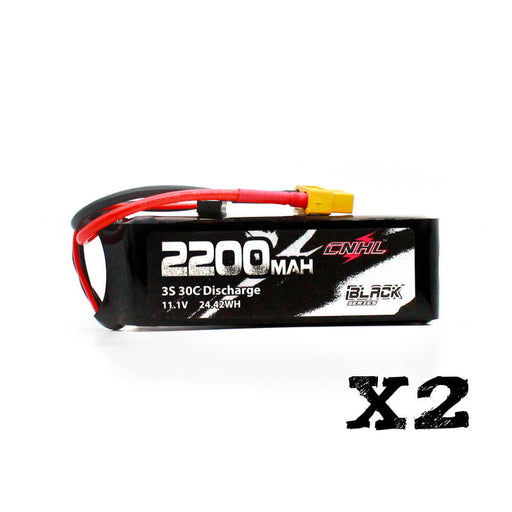
| 2 Packs CNHL Black Series 2200mAh 3S 11.1V 30C LiPo Battery with XT60 Plug | Budget-friendly practice battery pair | Best for controlled driving rather than constant full-throttle abuse |
Why 3S XT60 Makes Sense for This 1/12 Brushless Buggy
The Maverick QByte XB Pro uses a brushless power system designed around compact 3S LiPo performance. Its XT60 connector is a good match for this type of small but powerful platform because the car can pull harder than a basic brushed mini vehicle, especially when accelerating on loose dirt, grass, gravel, or pavement. A properly selected 3S XT60 battery helps the buggy deliver the quick throttle response and wheel speed that make this class fun.
At the same time, the QByte XB Pro is still a small vehicle. On 3S, full throttle can feel aggressive, and many drivers will find the car easier to place when using a slightly reduced throttle setting or a smoother ESC punch setup. That is why the best battery choice is not always the largest possible pack. A compact, stable, well-routed battery often makes the car feel better than a heavier pack that squeezes into the tray but changes the balance of the buggy.
Standard 3S LiPo vs 3S LiHV for the QByte XB Pro
Standard 11.1V 3S LiPo batteries are the easiest choice for everyday QByte XB Pro driving. They are familiar, simple to charge with a standard LiPo charger, and well suited to normal bashing sessions. For drivers who want a clean starting point, the CNHL Black Series 2200mAh 3S Shorty and CNHL G+Plus 2200mAh 3S XT60 packs are practical options.
CNHL Lightning LiHV batteries are aimed at users who want a sharper high-output feel and understand HV charging requirements. A LiHV pack should only be charged in the correct mode with a compatible charger, and the ESC setup should be checked before running the car hard. For the QByte XB Pro, the 2400mAh Lightning LiHV Shorty is the most natural HV-style choice because it keeps the performance focus without jumping straight to a much larger pack.
Battery Fitment Notes Before You Buy
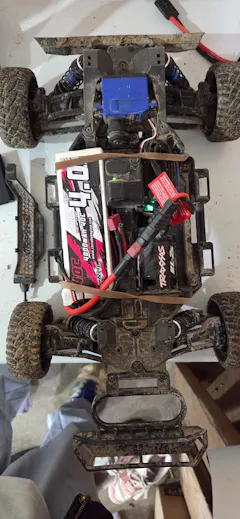
The QByte XB Pro battery tray is made for compact RC car packs, not oversized full-size batteries. Before choosing a battery, check three areas carefully: pack length, pack height, and wire exit direction. These details matter even more on a 1/12 buggy because the body sits low, the chassis space is limited, and the wires need to clear the body and hold-down system without being forced.
If you want the lowest-risk setup, start with the 2200mAh or 2400mAh shorty-style packs. If you want more runtime from the 3200mAh or 3500mAh LiHV options, measure the tray first and confirm that the pack can sit flat without crushing wires or lifting the body. Bigger capacity is only useful when the car still fits correctly and handles naturally.
ESC, Punch Control, and Battery Choice
The QByte XB Pro’s 60A brushless ESC is one of the reasons this small buggy feels so lively on 3S. ESC output is not only about top speed. Punch setting, throttle response, braking strength, low-voltage cutoff, and heat control all affect how the buggy drives. A battery with strong output can make the car feel sharper, but if the ESC punch is too aggressive, the same battery can also make the car harder to control on slick surfaces.
For general bashing, a smooth setup is often faster in the real world than a setup that only feels explosive for a few seconds. A compact 3S battery, sensible throttle setting, and properly managed ESC punch can make the QByte XB Pro easier to jump, slide, and recover. This is especially useful on small skate-park areas, dusty asphalt, wet concrete, and loose dirt where too much instant torque can make the car twitchy.
Maverick QByte XB Pro Battery Buying Advice
If you want one battery to start with, choose a compact 2200mAh or 2400mAh 3S XT60 pack. If you want the strongest CNHL performance option while keeping the battery size reasonable, the Lightning LiHV 2400mAh 3S HV Shorty is the most focused choice. If you want a simpler standard LiPo setup, the Black Series 2200mAh 3S Shorty is the safer everyday direction.
If you run multiple packs in one session, the 2-pack options make sense because they keep the car consistent from one run to the next. Instead of changing battery size, weight, and discharge feel every time, using matched packs helps the buggy feel predictable. That matters on a small 3S brushless buggy where a little extra punch or weight can noticeably change how the car turns, jumps, and lands.
How the QByte XB Pro Fits the Mini Brushless Buggy Trend
The Maverick QByte XB Pro sits in the growing world of compact 3S brushless bashers. Many drivers compare this type of vehicle with small ARRMA Grom models, UDI-style 1/12 platforms, and other mini brushless buggies or short course trucks. The QByte XB Pro does not need to replace every existing mini basher to make sense. Its appeal is different: bright buggy styling, 4WD traction, XT60 battery support, a strong brushless setup, and a size that is easy to carry to a local track, park, dirt lot, or skate spot.
The better way to look at it is not as a “Grom killer,” but as another useful 3S mini buggy option. Drivers who already own an ARRMA or UDI platform may care most about parts support and drivetrain layout. Drivers buying their first compact brushless buggy may care more about speed, handling, battery availability, and whether the car feels manageable on 3S. That is where a carefully chosen CNHL 3S XT60 battery becomes part of the overall driving experience.
Explore More CNHL RC Battery Options
If you are building a small brushless RC setup beyond the QByte XB Pro, you can also browse the main CNHL RC car battery collection for more voltage, capacity, and connector options. For users interested in high-output HV packs, the CNHL Lightning LiHV battery series includes more performance-focused choices. For a deeper vehicle-focused breakdown, read our Maverick QByte XB Pro review.
FAQ: Maverick QByte XB Pro Batteries
What battery does the Maverick QByte XB Pro use?
The Maverick QByte XB Pro uses a 3S LiPo battery with an XT60 connector. For most users, a compact 2200mAh or 2400mAh 3S XT60 pack is the most practical starting point because it balances power, size, and handling.
Can I use a 3S LiHV battery in the QByte XB Pro?
A 3S LiHV battery can be considered by experienced users who have a compatible charger and understand HV charging settings. For a conservative everyday setup, a standard 11.1V 3S LiPo is the simpler choice. Always confirm ESC settings, voltage tolerance, and low-voltage cutoff before running hard.
Is a 3200mAh or 3500mAh battery too large for the QByte XB Pro?
It depends on the exact battery dimensions and wire position. The 3200mAh and 3500mAh LiHV options may offer more runtime, but they should only be used after checking tray length, height, and body clearance. For lower-risk fitment, start with a compact shorty-style pack.
Is 3S too much power for a 1/12 buggy?
3S is what makes the QByte XB Pro exciting, but it can feel aggressive at full throttle. Many drivers will get better control by using a smoother throttle setting, reducing punch, or running the transmitter at a lower throttle percentage until they are comfortable with the car.
Why choose XT60 batteries for the QByte XB Pro?
XT60 is the connector used on the QByte XB Pro’s power system, so an XT60 battery keeps the setup simple and avoids unnecessary adapters. It is also a suitable connector style for compact brushless RC cars that draw more current than basic brushed mini vehicles.