

סוללות CNHL ליפו
CNHL שואפת לספק סוללות Li-Po באיכות גבוהה ומוצרי RC לכל חובבי התחביב עם שירות לקוחות מצוין ומחירים תחרותיים

The Hangar 9 Valiant 20cc EP PNP is best understood as a practical giant-scale high-wing aircraft rather than just a smaller version of the 30cc Valiant. Its 86.5-inch wingspan, built-up wood airframe, functional flaps, bolt-together assembly, and 4S–6S electric power system make it a strong fit for pilots who want a serious club-field airplane without stepping all the way into the storage and transport demands of a 100-inch-plus model.
That is the real appeal of this release. The Valiant 20cc EP PNP feels large enough to look and fly like a proper balsa sport aircraft, but still realistic enough for more pilots to own, carry, assemble, and fly regularly. It is not a small foam trainer, and it is not a full commitment 30cc giant-scale project either. It sits in the useful middle: big, stable, capable, and still manageable.
The original Hangar 9 Valiant 30cc earned attention because it combined classic high-wing looks with a much wider flight envelope than many pilots expected. It was stable, smooth, and friendly, but it could also handle sport aerobatics with more authority than its relaxed outline suggested. The problem was not the flying experience. The challenge was size. A 108-inch wingspan is impressive at the field, but it also creates real questions around storage, transport, assembly space, and everyday convenience.
The Valiant 20cc solves that problem by bringing the same general idea down to an 86.5-inch wingspan. That is still a large airplane. It still has presence. It still feels like a real wood-built model when it is sitting on the flightline. But compared with the larger 30cc version, it is much easier to imagine taking it out on a regular weekend instead of treating it as a special occasion aircraft.
This is why the 20cc version feels so well placed. It gives pilots the emotional reward of a larger balsa aircraft without making ownership feel unreasonable. For many intermediate and advanced pilots, that balance may be the biggest reason to look at this model.
| Model Type | What It Offers | Practical Tradeoff |
|---|---|---|
| Smaller foam high-wing models | Easy transport, quick setup, lower ownership pressure | Less large-aircraft presence and less traditional wood-airframe feel |
| Hangar 9 Valiant 20cc EP PNP | 86.5-inch wingspan, wood construction, electric PNP convenience, sport/STOL flexibility | Still requires experienced setup, proper transport space, and careful battery selection |
| Larger 30cc-class aircraft | Maximum field presence, smoother big-aircraft feel, stronger scale impression | Harder to store, transport, assemble, and fly casually |
One of the most important details of the Hangar 9 Valiant 20cc EP PNP is that it is not built around a foam airframe. It uses balsa and lite-ply construction with genuine UltraCote film covering. For pilots who grew up around built-up aircraft, that detail changes the entire personality of the model.
Wood aircraft simply feel different. They usually carry energy with a more settled character, respond with a cleaner airframe feel, and look more like a traditional club-field model on the ground. This does not mean foam aircraft are bad. Foam has made the hobby easier, cheaper, and more accessible for countless pilots. But there is still a clear appetite for larger wood airplanes that feel more permanent, more mechanical, and more rewarding to assemble and maintain.
The Valiant 20cc EP PNP taps directly into that feeling. It does not ask the pilot to build from scratch, but it also does not feel like a quick disposable foam model. That middle ground is important. It gives experienced pilots a familiar wood-airframe experience while keeping the entry effort low enough that the airplane can still be flown often.

Large ARF airplanes can be rewarding, but the setup process is not always relaxing. Tail alignment, glue work, cowl cutting, servo installation, power system planning, and final fitment can turn a simple purchase into a long project. Some pilots enjoy that. Many do not, especially when they already have limited bench time.
The EP PNP version of the Valiant 20cc is appealing because it keeps the wood-airframe experience while removing much of the slowest setup work. The factory-installed Spektrum A6380 digital metal-geared servos, Avian 5065-450Kv brushless motor, and 100A Smart ESC make this version much more direct for electric pilots. The no-glue, bolt-together assembly also matters because the tail section on a large model is not something most pilots want to rush or correct later.
That convenience gives the aircraft a wider audience. It is still not a beginner airplane. It still requires careful setup, a suitable receiver, proper CG confirmation, battery testing, and experienced flying judgment. But it is far less intimidating than a traditional large ARF electric conversion.
| Aircraft | Hangar 9 Valiant 20cc EP PNP |
| Wingspan | 86.46 in / 2196 mm |
| Length | 62.32 in / 1583 mm |
| Airframe | Balsa and lite-ply wood construction with UltraCote film covering |
| Motor | Spektrum Avian 5065-450Kv brushless outrunner |
| ESC | 100A Spektrum Avian Smart ESC |
| Servos | Six factory-installed Spektrum A6380 digital metal-geared servos |
| Battery Range | 4S–6S LiPo, commonly 4000mAh to 7000mAh |
| Connector Context | IC5 / EC5-style electric power setup |
| Skill Level | Intermediate pilots with experience flying similar larger electric aircraft |
The high-wing layout can make the Valiant look gentle at first glance, but this is not simply a large trainer. The semi-symmetrical airfoil, strong rudder authority, functional flaps, and wide flight envelope make it more interesting than a basic slow-flying high-wing model.
With flaps down, the aircraft can slow down for shorter takeoffs and landings, more controlled approaches, and STOL-style field work. This is where the Valiant name makes sense. It can be flown in a relaxed way, set up for smooth touch-and-go practice, and used as a comfortable large-field cruiser.
With flaps up and a stronger electric setup installed, the character changes. The aircraft has enough sport capability for cleaner rolls, larger aerobatic lines, and confident knife-edge passes for a high-wing platform. That mix is exactly why the Valiant series has remained memorable. It does not force pilots into one narrow flying style.

The white, silver, and deep blue trim scheme gives the Valiant 20cc a polished Hangar 9 look. On the ground, it is clean and attractive, especially with the underside recognition striping. It has a classic sport-scale feel without becoming overly busy.
In the air, however, pilots should think carefully about orientation. White, silver, and blue can look excellent in photos and videos, but they may not always provide the strongest contrast against pale sky, haze, or bright overcast conditions. The aircraft is large, which helps, but size alone does not fully solve orientation visibility. The underside stripe pattern, sensible flight distance, and good lighting conditions will still matter.
This is not a deal-breaker. It is simply something to know before buying. Pilots who fly far out or prefer very bold orientation markings may want to pay attention to how the aircraft looks from below, from the side, and when turning back toward the field.
The EP PNP version is compatible with 4S to 6S LiPo batteries, commonly in the 4000mAh to 7000mAh range. That flexibility is useful, but it also means pilots should not choose a battery based only on what fits physically. Voltage, capacity, weight, connector type, and CG all influence how the Valiant flies.
A 4S setup gives the aircraft a calmer personality. It suits relaxed cruising, lower-stress flying, and pilots who want the Valiant to feel more like a smooth high-wing sport cruiser. A 6S setup wakes up the Avian motor and gives the aircraft stronger climb authority, better wind confidence, and a more energetic sport-flying character.
For most electric pilots, the easiest starting point is a 6S LiPo battery in the 5000mAh to 6200mAh range with an EC5 plug for IC5/EC5-style aircraft systems. That range usually offers the best mix of throttle authority, flight time, and manageable weight. A 6S 4000mAh to 5000mAh pack can make the aircraft feel lighter and more responsive, while a 6S 6200mAh to 7000mAh pack can add runtime and a more planted large-airframe feel.
For a deeper battery selection guide, see the dedicated Best Battery for Hangar 9 Valiant 20cc EP PNP collection, where the choices are organized by voltage, capacity, connector style, and flying preference.
| Battery Setup | Best For | Flying Feel |
|---|---|---|
| 4S 5000–7000mAh EC5 / IC5-style setup | Relaxed cruising, touch-and-go practice, lower-stress flying | Smoother and calmer, but less aggressive in vertical power |
| 6S 4000–5000mAh EC5 / IC5-style setup | Lighter sport flying and stronger climb response | More agile and energetic with shorter runtime |
| 6S 5200–6200mAh EC5 / IC5-style setup | Best all-around electric setup for most pilots | Strong power, practical runtime, balanced large-airframe feel |
| 6S 7000mAh EC5 / IC5-style setup | Longer flights and smoother energy carry | More planted, but heavier and more CG-sensitive |
Although the aircraft supports 4S, the 6S setup is likely to be the most satisfying choice for pilots who want the Valiant 20cc to feel like more than a gentle high-wing cruiser. The aircraft has enough size, wing area, and control authority to make use of stronger electric power. It also has enough drag and mass that extra throttle authority can make the airplane feel more secure rather than simply faster.
This matters during climbout, go-arounds, windy approaches, and larger aerobatic lines. A large high-wing aircraft does not need to be flown aggressively, but it should have enough power in reserve to feel confident. A well-chosen 6S EC5 LiPo gives that margin without forcing the pilot to fly at full throttle all the time.
The best approach is not to chase the largest battery possible. The better approach is to choose a pack that gives the desired CG, enough flight time, and a comfortable balance between power and weight. For many Valiant 20cc EP PNP setups, that is exactly where 6S 5000mAh to 6200mAh makes sense.
The large top-mounted windshield hatch is one of the more useful design features on the Valiant 20cc EP PNP. Large electric aircraft can become annoying if battery access is awkward, especially when the battery is heavy, the wires are stiff, or the pack must be moved for CG adjustment. A practical top hatch makes the aircraft easier to live with.
This is especially important when experimenting with different battery capacities. A 5000mAh pack and a 7000mAh pack will not sit the same way, weigh the same, or always balance the airplane in the same position. A convenient hatch makes those adjustments less frustrating and makes the aircraft more likely to be flown often.

This airplane makes the most sense for pilots who already have experience with larger electric aircraft and want something more serious than a foam high-wing model. It is not a first airplane, and it is not the right model for pilots still learning basic orientation, landing control, or field discipline. Its size, weight, battery system, and setup process all require respect.
For the right pilot, though, the Valiant 20cc EP PNP is very appealing. It is large enough to feel special, but not so large that every flight becomes a logistical event. It has enough stability for relaxed flying, but enough control authority for sport maneuvers. It has wood construction for pilots who miss traditional airframes, but PNP convenience for pilots who do not want a long bench project.
It is especially suitable for pilots who enjoy:
Before flying the Valiant 20cc EP PNP, the most important checks are not unusual, but they matter more on a large model. Confirm the receiver installation, servo direction, flap setup, control throws, failsafe behavior, ESC operation, battery position, and center of gravity. The listed CG is 160mm behind the leading edge of the wing, but every aircraft should be checked with the exact battery installed and secured.
Flaps also deserve careful setup. The Valiant can use flaps for shorter takeoffs and landings, and the flap system can open additional mixing options for pilots who want to experiment. But for early flights, simple and predictable is better. A clean flap setup with known elevator compensation is more useful than a complicated mix that has not been tested at altitude.
Battery wiring should be checked just as carefully. Make sure the EC5 or IC5-style connection is fully seated, polarity is correct, wires are not strained, and nothing can shift into the propeller arc or interfere with the hatch. Large electric aircraft place real load on their power systems, so small wiring shortcuts are not worth the risk.
The Valiant 20cc EP PNP arrives at an interesting time. Many new RC aircraft releases are foam, compact, highly stabilized, and designed for maximum convenience. That has helped bring more pilots into the hobby, but it has also left a gap for experienced flyers who still want traditional balsa aircraft without committing to a long build.
This model speaks directly to that gap. It gives the pilot a real wood airplane, a useful size, modern electric power, factory-installed equipment, and a familiar high-wing format that can be flown in more than one style. It does not feel like a novelty release. It feels like a response to pilots who still want larger wood sport aircraft, but want them to be easier to own.
That is also why the Valiant 20cc name carries more weight than the spec sheet alone suggests. It connects to the larger Valiant platform, the smaller E-flite-style high-wing experience many pilots remember, and the broader interest in practical balsa aircraft that can still be flown often.
The Hangar 9 Valiant 20cc EP PNP works because it understands the difference between impressive and usable. A larger airplane can look better, but if it is difficult to store and transport, it may not fly often. A smaller foam airplane can be convenient, but it may not deliver the same satisfaction as a real wood airframe. The Valiant 20cc sits between those two worlds in a very practical way.
Its 86.5-inch wingspan gives it presence. Its wood construction gives it character. Its PNP electric setup makes it less intimidating. Its flaps and semi-symmetrical wing give it more range than a basic high-wing model. Its 4S to 6S battery compatibility lets pilots tune the aircraft from relaxed cruiser to stronger sport flyer.
For most pilots considering the EP PNP version, the smartest setup path is simple: start with a balanced 6S 5000mAh to 6200mAh EC5 LiPo, confirm fit and CG carefully, and then adjust capacity based on how you want the aircraft to feel. Pilots who want more CNHL options for larger electric aircraft can also browse the main CNHL airplane battery collection for additional 4S, 5S, and 6S LiPo choices.
No. The Valiant 20cc EP PNP is better suited to intermediate and advanced pilots who already have experience with larger electric aircraft. Its high-wing layout is stable, but its size, weight, setup requirements, and power system make it unsuitable as a first RC airplane.
The aircraft is designed around 4S to 6S LiPo batteries, commonly in the 4000mAh to 7000mAh range. For many pilots, a 6S 5000mAh to 6200mAh EC5 LiPo is the most balanced starting point.
Choose 4S if you want a calmer and more relaxed flying style. Choose 6S if you want stronger climb performance, better throttle authority, and a more confident sport-flying feel. Most pilots looking for the full EP PNP electric experience will likely prefer 6S.
Not necessarily, but it must be checked carefully. A 7000mAh pack may provide longer runtime and a more planted feel, but it also adds weight and can affect CG. Always confirm battery fit, hatch clearance, secure mounting, and balance before flight.
The aircraft sits in an IC5 / EC5-style power system context. EC5 LiPo batteries are a practical choice for many pilots using this class of electric aircraft, but the aircraft-side connector, polarity, and wiring should always be confirmed before use.
The biggest difference is the built-up balsa and lite-ply wood construction. The Valiant 20cc feels more like a traditional club-field aircraft, with greater size, more presence, and a different energy feel in the air compared with smaller foam high-wing models.
The white, silver, and deep blue scheme looks clean on the ground, but pilots should pay attention to orientation in bright or pale sky conditions. The underside recognition striping helps, but good flight distance and lighting still matter.
You can view organized 4S to 6S battery options on the Best Battery for Hangar 9 Valiant 20cc EP PNP collection, including EC5 / IC5-style LiPo choices for different flying styles.
CNHL שואפת לספק סוללות Li-Po באיכות גבוהה ומוצרי RC לכל חובבי התחביב עם שירות לקוחות מצוין ומחירים תחרותיים
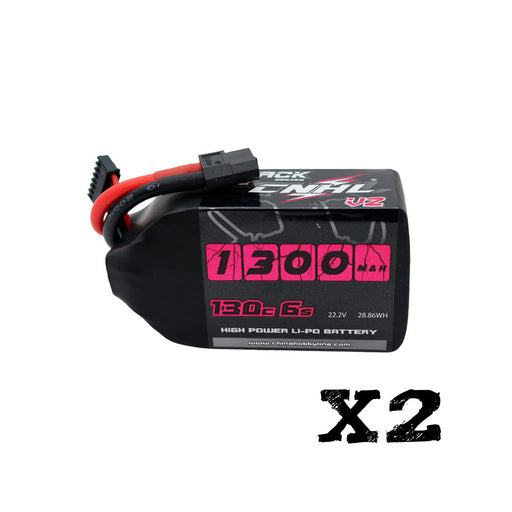
בדיקת התאמה מהירה ה2 Packs CNHL Black Series V2.0 1300mAh 22.2V 6S 130C LiPo Battery with XT60 Plug מתאים היטב למטיסי FPV שרוצים סוללת 6S 1300mAh X...
הצג פרטים מלאיםחלקי חילוף ותמיכה לטווח ארוך אנו יודעים שעבור טייסי RC, תמיכה אמינה בחלקי חילוף היא חלק חשוב בשמירה על מטוס כשיר לטיסה במשך שנים. לכן CNHL מת...
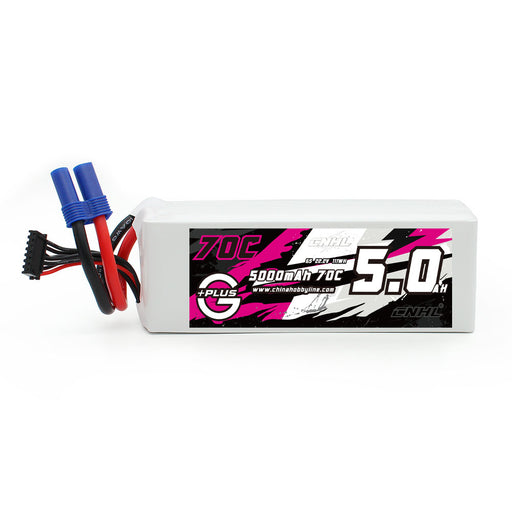
הצג פרטים מלאיםמפרטים: מספר מלאי: 500706EC5 קיבולת: 5000mAh מתח: 22.2V / 6 תאים / 6S1P קצב פריקה: 70C רציף / 140C פיצוץ קצב טעינה: 5C מקסימום גודל (הבדל של 1-5 ...
הצג פרטים מלאים
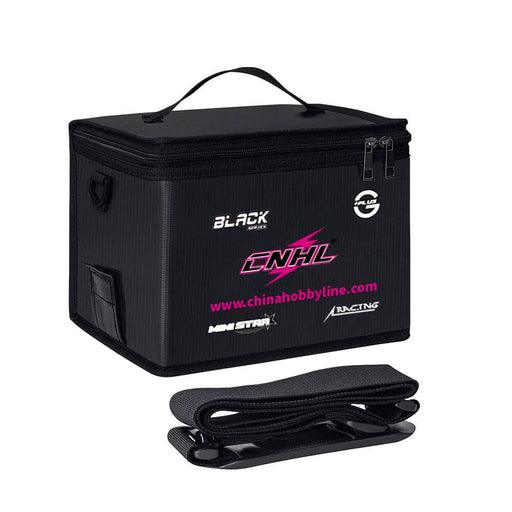
תיק סוללות LiPo של CNHL מיועד לטעינה, הובלה ואחסון בטוחים יותר של סוללות LiPo בבית או בשדה. הוא מוסיף שכבת הגנה פרקטית על ידי סיוע במניעת התפשטות ח...
הצג פרטים מלאיםבדיקת התאמה מהירה חבילת 2 CNHL Speedy Pizza Series Pro 1350mAh 6S 150C LiPo עם תקע XT60 מיועדת לטייסי FPV בגודל 5 אינץ' שרוצים מערכת 6S חופשית ...
הצג פרטים מלאים

The CNHL Long Range Series BAK 65E 6350mAh 21700 Li-ion battery cell is built around one clear priority: maximum stored energy from a lightweight c...
הצג פרטים מלאים

The CNHL Long Range Series BAK 50D 5000mAh 21700 Li-ion battery cell is designed for custom high-energy battery packs that need a strong balance be...
הצג פרטים מלאים

The ISDT C4 EVO is a versatile smart battery charger built for AA, AAA and cylindrical rechargeable cells from compact 10440 batteries all the way ...
הצג פרטים מלאים

The CNHL Long Range Series 6350mAh 21.6V 6S1P 21700 Li-ion battery combines six BAK 65E high-energy cells into a 137.16Wh pack designed for ultra-e...
הצג פרטים מלאים

The CNHL Long Range Series 5000mAh 21.6V 6S1P 21700 Li-ion battery combines six BAK 50D cells into a compact 108Wh pack designed around long-range ...
הצג פרטים מלאים




Comments
Leave a comment