
סוללות CNHL ליפו
CNHL שואפת לספק סוללות Li-Po באיכות גבוהה ומוצרי RC לכל חובבי התחביב עם שירות לקוחות מצוין ומחירים תחרותיים

One of the most frustrating things in RC is when two LiPo batteries look almost the same on paper but feel completely different in the model. The voltage matches. The capacity looks close. The C rating sounds similar. And yet one pack feels clean, strong, and confident, while the other feels softer, flatter, or strangely disappointing once real load arrives. That experience is common, and it usually does not mean you imagined it.
Quick answer: similar printed specs do not guarantee similar real-world LiPo performance. The label only shows part of the story. Internal resistance, voltage sag, continuous versus burst discharge, cell quality, battery age, temperature, and how demanding the setup is all help determine whether a battery actually feels strong or weak in use.
If you want the broader performance framework first, start with the LiPo C Rating and Battery Performance Guide. If you want the most relevant deep dives behind this problem, continue into How Internal Resistance Affects LiPo Performance and What Is Voltage Sag? Causes, Effects, and How to Reduce It.
The simplest answer is that battery feel happens under load, not in the product title. Voltage, capacity, and C rating help describe the battery category, but they do not fully describe how the pack behaves once the motor actually asks for real current. That is why similar-looking specifications can still produce very different results in the same RC setup.
In practice, users usually notice the difference as a change in confidence. One battery feels eager and stable. Another feels softer, sags earlier, heats more quickly, or loses its sharpness sooner than expected. The label may put them in the same neighborhood, but it does not guarantee the same real-world behavior.
A LiPo label usually tells you the basics: voltage, capacity, and some kind of C rating claim. Those numbers matter, but they are only the visible part of the battery story. What the label does not fully show is how stable the pack remains under repeated load, how evenly the cells behave, how honestly the discharge claim reflects reality, and how much the battery has changed over time.
That is why two batteries can both look like “good matches” on paper and still feel very different in the model. The label gets you into the right category, but it does not tell you everything about quality, condition, or real performance once the pack is working hard.

One of the biggest reasons similar batteries feel different is internal resistance. A lower-IR pack usually holds voltage more cleanly, wastes less energy as heat, and feels stronger under repeated load. A higher-IR pack often sags earlier, feels softer, and stops feeling clean much sooner. This is one reason users often describe one battery as “strong” and another as “weak” even when the printed specs look similar.
Internal resistance is not the only factor, but it explains a huge amount of what users notice in real driving and flying. If you want the full technical breakdown, see How Internal Resistance Affects LiPo Performance. If you want the practical measurement side, continue into How to Measure the Internal Resistance of a LiPo Battery.
Most users do not look at a battery and think “this pack has higher internal resistance.” What they usually notice is the symptom. The battery sags sooner, feels flatter under repeated throttle, or loses clean power earlier than expected. That weak feeling is often sag becoming more obvious once the setup starts asking for current.
That is why two batteries with similar printed specs can still feel very different. One may stay cleaner under load and keep its confidence longer. The other may show earlier sag and softer output even though the label sounds just as capable. If you want that symptom explained directly, continue into What Is Voltage Sag? Causes, Effects, and How to Reduce It.
If what you are feeling is mostly early softness under throttle rather than a clear hardware fault, the next useful read is What Is Voltage Sag? Causes, Effects, and How to Reduce It.

Another reason similar batteries feel different is that users often focus too much on the largest printed number and not enough on what it really means. Continuous discharge matters more than burst discharge for understanding how the battery is likely to behave in normal demanding use. A battery that advertises an exciting burst number can still feel average if the real sustained behavior is not especially strong.
That is why label reading matters. Bigger numbers do not automatically mean better real feel. If you want that part unpacked properly, read Burst C Rating vs Continuous C Rating: What Actually Matters in a LiPo Battery? and Does Higher C Rating Really Matter? The Truth About LiPo Battery Performance.
Two batteries of the same model can feel completely different if one is newer and the other has already lived a harder life. Age, cycle wear, heat stress, poor storage habits, imbalance, and general abuse all change how a battery behaves. A battery can still work, still charge, and still look acceptable on paper while already feeling noticeably weaker once real load appears.
This is why an older battery often feels soft under load even when the printed specs have not changed. The label is the same, but the battery is not the same battery anymore in practical terms. That difference becomes especially obvious in demanding setups.
Temperature has a big influence on how strongly those differences show up. In cold weather, a strong battery may feel a little softer, while a weak battery may suddenly feel much worse. This is one reason winter often exposes battery quality more quickly than mild weather does. The gap between a healthy pack and a tired pack becomes easier to notice.
If you want the low-temperature side explained in detail, continue into LiPo Batteries in Cold Weather: Performance Loss, Voltage Sag, and What to Do. Cold conditions do not create every battery problem from nothing, but they often reveal problems sooner.
This is where many users get frustrated. A battery with a dramatic-looking label may seem comparable to another pack with similar printed numbers, yet the real under-load feel may still be very different. That is one reason experienced hobbyists become cautious about trusting wrapper confidence alone. Similar-looking specs do not guarantee similar quality, consistency, or real discharge behavior.
In practice, many users learn to trust how a battery behaves under load more than how aggressive the label looks. Packs that sag early, heat up quickly, or lose their clean feel too soon tend to reveal themselves over time, regardless of how convincing the printed numbers seemed at first.
In FPV, a weak-feeling battery usually shows up as softer punch-outs, slower recovery, and a pack that feels flat after repeated hard moves. In RC cars, it often shows up as weaker launches, less aggressive repeated acceleration, and a setup that starts feeling heavy or dull sooner than it should. In airplanes and EDF jets, it often shows up as less confident climb and weaker sustained pull later in the run.
The words users choose may vary, but the pattern is usually the same: the battery no longer feels as stable, eager, or clean under load as a stronger pack does in the same kind of use.
| Use case | How weak battery feel usually shows up | What users often notice |
|---|---|---|
| FPV freestyle / racing | Punch and recovery soften early | Battery feels flat after repeated hard moves |
| High-performance RC cars | Launches and repeated throttle lose bite | Truck or buggy feels dull sooner than expected |
| Airplanes / EDF jets | Sustained power feels weaker earlier | Less confident climb or flatter later-run pull |
The best way to judge it is to compare the battery in context rather than trusting one impression alone. A simple practical process usually works well:
That process usually makes the problem much easier to read. Sometimes the battery really is the weak point. Sometimes the setup is more demanding than the pack should reasonably be expected to support. Sometimes cold weather or age is exaggerating a difference that was already there.
If you want to verify that suspicion more directly, the next practical step is How to Measure the Internal Resistance of a LiPo Battery.
Sometimes a weak feeling is normal. Cold weather, harder-than-usual use, or a battery that is simply being pushed near its realistic limit can all make performance feel softer without automatically meaning the battery is bad. Mild sag under aggressive load is not the same thing as obvious failure.
But weak feel becomes a warning sign when it gets much worse than before, when one cell behaves clearly worse than the others, when the battery heats too quickly, when sag starts extremely early, or when the pack feels obviously weaker than comparable healthy batteries in the same conditions. That is where further caution makes sense.
The label helps place a battery in the right category, but it does not guarantee how the pack will feel once the load becomes real. Similar voltage, similar capacity, and similar C rating can still produce very different results because quality, internal resistance, age, sag behavior, and temperature all shape real-world performance.
The most useful habit is to trust behavior under load more than wrapper confidence alone. In the end, that is what tells you whether the battery actually feels strong, stable, and well matched to the job.
If you want the bigger framework first, continue into the LiPo C Rating and Battery Performance Guide. For the label side of the story, read LiPo C Rating Explained: What 30C, 100C, and 130C Really Mean, Does Higher C Rating Really Matter?, and Burst C Rating vs Continuous C Rating. For the real performance side, continue into How Internal Resistance Affects LiPo Performance, What Is Voltage Sag?, LiPo Batteries in Cold Weather, and How to Measure the Internal Resistance of a LiPo Battery.
Why do two LiPo batteries with similar specs feel different?
Because the label only shows part of the story. Internal resistance, sag behavior, age, temperature, and overall pack quality all influence real performance.
Does higher C rating guarantee stronger performance?
No. A higher printed C rating can help, but it does not guarantee stronger real-world behavior by itself.
Can internal resistance make a battery feel weak?
Yes. Higher internal resistance often leads to earlier sag, more heat, and softer output under load.
Why does an old LiPo battery feel soft under load?
Because age and wear usually raise internal resistance and reduce how cleanly the pack holds voltage once current demand rises.
Does voltage sag mean the battery is bad?
Not always. Some sag is normal. The real question is how early, how severe, and how repeatable it is.
Can cold weather make one battery feel much weaker than another?
Yes. Cold weather often exaggerates the difference between a strong healthy pack and a weaker one.
How do I tell if the battery is the problem or the setup is too demanding?
Compare similar packs in similar conditions, check IR and sag behavior, and consider whether the setup is asking more than the battery can realistically support.
CNHL שואפת לספק סוללות Li-Po באיכות גבוהה ומוצרי RC לכל חובבי התחביב עם שירות לקוחות מצוין ומחירים תחרותיים
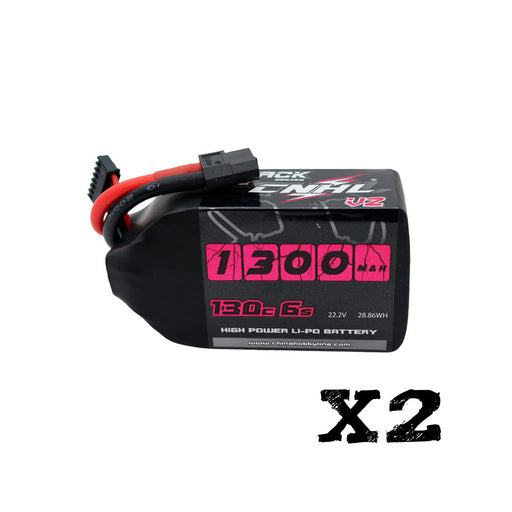
בדיקת התאמה מהירה ה2 Packs CNHL Black Series V2.0 1300mAh 22.2V 6S 130C LiPo Battery with XT60 Plug מתאים היטב למטיסי FPV שרוצים סוללת 6S 1300mAh X...
הצג פרטים מלאיםחלקי חילוף ותמיכה לטווח ארוך אנו יודעים שעבור טייסי RC, תמיכה אמינה בחלקי חילוף היא חלק חשוב בשמירה על מטוס כשיר לטיסה במשך שנים. לכן CNHL מת...
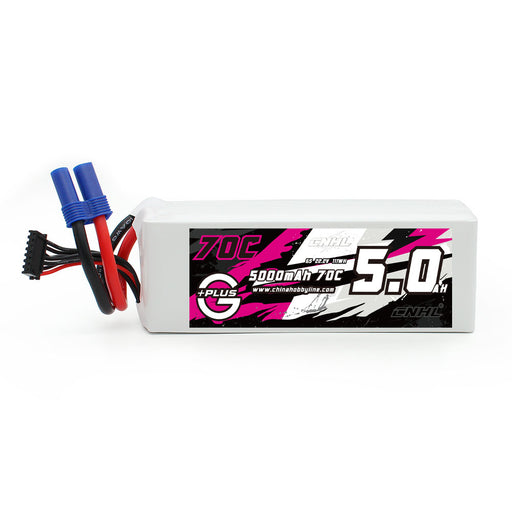
הצג פרטים מלאיםמפרטים: מספר מלאי: 500706EC5 קיבולת: 5000mAh מתח: 22.2V / 6 תאים / 6S1P קצב פריקה: 70C רציף / 140C פיצוץ קצב טעינה: 5C מקסימום גודל (הבדל של 1-5 ...
הצג פרטים מלאים
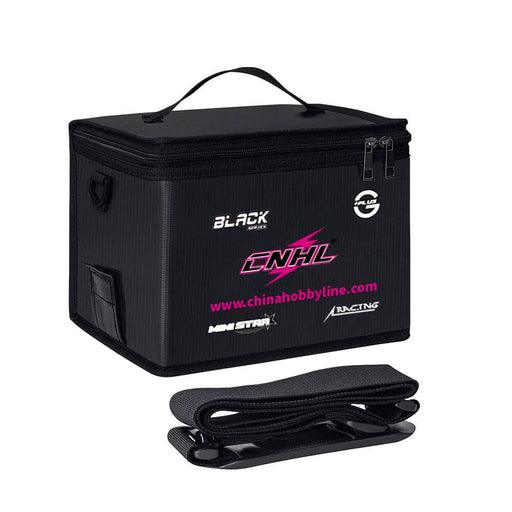
תיק סוללות LiPo של CNHL מיועד לטעינה, הובלה ואחסון בטוחים יותר של סוללות LiPo בבית או בשדה. הוא מוסיף שכבת הגנה פרקטית על ידי סיוע במניעת התפשטות ח...
הצג פרטים מלאים

בדיקת התאמה מהירה חבילת 2 CNHL Speedy Pizza Series Pro 1350mAh 6S 150C LiPo עם תקע XT60 מיועדת לטייסי FPV בגודל 5 אינץ' שרוצים מערכת 6S חופשית ...
הצג פרטים מלאים

Quick Fit Check The CNHL Speedy Pizza Series 2200mAh 22.2V 6S 120C LiPo Battery with XT60 Plug combines the familiar 2200mAh 6S format with a ligh...
הצג פרטים מלאים

Quick Fit Check The CNHL Speedy Pizza Series 2200mAh 14.8V 4S 120C LiPo Battery with XT60 Plug combines a widely used 2200mAh 4S format with a sli...
הצג פרטים מלאים

Quick Fit Check The CNHL Speedy Pizza Series 2200mAh 11.1V 3S 120C LiPo Battery with XT60 Plug takes the familiar 3S 2200mAh aircraft battery form...
הצג פרטים מלאים

The CNHL Long Range Series BAK 50D 5000mAh 21700 Li-ion battery cell is designed for custom high-energy battery packs that need a strong balance be...
הצג פרטים מלאים

The ISDT C4 EVO is a versatile smart battery charger built for AA, AAA and cylindrical rechargeable cells from compact 10440 batteries all the way ...
הצג פרטים מלאים


Leave a comment