
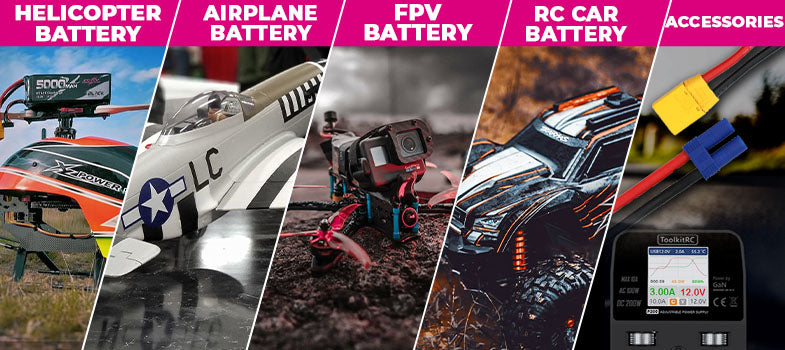
Baterias CNHL Lipo
A CNHL tem como objetivo fornecer baterias Li-Po de alta qualidade e produtos RC a todos os entusiastas de hobbies, com um excelente serviço ao cliente e preços competitivos

Se alguma vez comprou um “RC paraglider” e pensou, “Espere, porque é que tem uma hélice?”, não está sozinho. Na aviação em escala real, as palavras paraglider e paramotor são coisas diferentes. No RC, esses rótulos confundem-se rapidamente, especialmente em kits RTF que chegam com um motor já instalado.
Esta publicação é uma análise prática, focada no hobby: o que estes nomes geralmente significam, por que as marcas os usam de forma inconsistente, e como dois exemplos populares se comparam: um Stirlingkit “Para RC Glider” vendido como RTF, e o HobbyKing H-King Paramotor V2 vendido como PNF.
Termos em escala real (vida real):
Termos RC (como o hobby realmente usa as palavras):
Portanto, sim: é completamente normal ver dois produtos RC motorizados onde um é rotulado “paraglider” e o outro “paramotor”. A diferença é muitas vezes mais sobre a categoria do produto e marketing do que sobre a existência de um motor.
Aqui estão as razões mais comuns pelas quais as marcas mantêm “paraglider” mesmo quando há claramente um motor:
Um bom exemplo é o anúncio Stirlingkit que usa as expressões “Para RC Glider” e “RC stunt paraglider”, enquanto o produto em si é claramente motorizado.

O modelo Stirlingkit é vendido como um kit de parapente motorizado RTF. É apresentado como uma entrada pronta a voar com opções de vela (envergadura de 150cm ou 236cm) e escolhas de conjunto que incluem múltiplas baterias. O bloco de especificações mostrado para a versão com asa maior destaca um motor 2217, ESC de 40A e configuração de bateria 3S 5200mAh.
Na utilização real, esta categoria tende a ser “perdoável” comparada com muitos aviões de asa fixa: a asa infla, as linhas carregam, e voa-se mais como se estivesse a controlar uma pipa com propulsão em vez de fazer ângulos de inclinação fortes. Uma conclusão ao estilo de um revisor que coincide com o que muitos pilotos dizem é: os materiais podem ser básicos (estrutura de plástico), mas o voo pode ser surpreendentemente agradável uma vez ajustado.

A HobbyKing rotula claramente o seu modelo como um Paramotor, e o formato importa: este é PNF (Plug and Fly), o que normalmente significa que traz o seu próprio equipamento de rádio e bateria de voo. A HobbyKing especifica que precisará de um transmissor computadorizado de 3 canais (ou mais) que possa fazer mistura e curvas, além de um receptor e uma bateria LiPo 3S de 4000 a 6000mAh.
Esta é uma grande razão pela qual o nome “paramotor” parece mais consistente aqui: está posicionado como um “modelo aéreo RC propriamente dito” que configura e ajusta, não apenas um conjunto RTF tipo brinquedo. Também tem uma opção visível de barra de luz LED e um ecossistema completo de peças de substituição, típico de uma linha de produtos com longa duração.
Muitas pessoas pensam que a escolha entre parapente e paramotor é principalmente sobre o motor. No RC, a maior diferença é frequentemente como quer possuir o equipamento.
Isto corresponde a um padrão de comentário que partilhou de um vídeo popular de unboxing: o piloto gostou do desempenho de voo, mas desejava que existisse uma versão “sem rádio” para usar com o seu próprio transmissor multi-protocolo. É exatamente essa lacuna que os modelos PNF foram criados para preencher.
Modelos de vela motorizada não voam como um avião RC típico. Está-se a equilibrar empuxo, input do travão e estabilidade de pêndulo sob uma asa macia. Mas ainda há diferenças notórias entre muitos kits RTF de “parapente motorizado” e uma plataforma mais claramente posicionada como “paramotor”.
| Modelo | Como está rotulado | Tipo de embalagem | Tamanho da asa | Indicação típica da bateria | Melhor para |
|---|---|---|---|---|---|
| Stirlingkit 2.4G Para RC Planador | Estilo parapente motorizado (frequentemente vendido como “parapente”) | Pacotes RTF (com opções de quantidade de baterias) | Opções de 150cm ou 236cm | A listagem mostra 3S 5200mAh para o bloco de especificações da asa maior | Entrada amigável para iniciantes, arranque rápido, sessões de voo casuais |
| HobbyKing H-King Paramotor V2 com Barra de Luz LED | Paramotor | PNF (traga o seu próprio equipamento de rádio) | 2400mm | Recomenda 3S 4000–6000mAh (mais requisitos de rádio/receptor) | Hobbyistas que querem afinar curvas/misturas do rádio e manter o seu próprio ecossistema de transmissor |
Nota: O objetivo aqui é comparação prática, não taxonomia perfeita. Muitos vendedores RC usam “parapente” como nome da categoria mesmo quando é motorizado.
Se está a combinar baterias para uma construção de parapente motorizado / paramotor 3S, mantenho os packs adequados agrupados aqui para conveniência: Baterias 3S RC Lipo para parapentes e paramotores RC.
Se já possui um destes e está a organizar packs de voo e conectores para uso em aeronaves RC, pode consultar a nossa coleção de baterias para aviões RC aqui: Baterias para aviões CNHL.
P: Se tem motor, é automaticamente um paramotor?
R| Em termos de grande escala, sim. Em termos de lojas RC, nem sempre. Muitas lojas mantêm “parapente” como nome da categoria porque descreve o tipo de vela.
P: Porque é que alguns kits só vêm como RTF?
R| RTF reduz problemas de suporte. Um sistema de rádio único e incluído significa menos reclamações do tipo “não liga” ou “as minhas misturas estão erradas”. A desvantagem é menos flexibilidade para pilotos com um transmissor multi-protocolo.
P: O HobbyKing Paramotor V2 é melhor só porque se chama paramotor?
R| Não automaticamente. A maior diferença é PNF vs RTF. Se quiser usar o seu próprio rádio, PNF é muitas vezes a escolha mais limpa a longo prazo.
P: Qual é a melhor primeira melhoria?
R: A afinação do rádio (expo, curvas e misturas) geralmente traz mais benefícios do que procurar potência extra. Uma asa mais suave é uma asa mais calma.
Já pilotou um parapente motorizado que foi vendido como “parapente” (não “paramotor”)? Ou já montou um paramotor com o seu próprio transmissor e misturas? Partilhe a sua experiência nos comentários, especialmente o que mais o ajudou no seu primeiro lançamento bem-sucedido.
A CNHL tem como objetivo fornecer baterias Li-Po de alta qualidade e produtos RC a todos os entusiastas de hobbies, com um excelente serviço ao cliente e preços competitivos
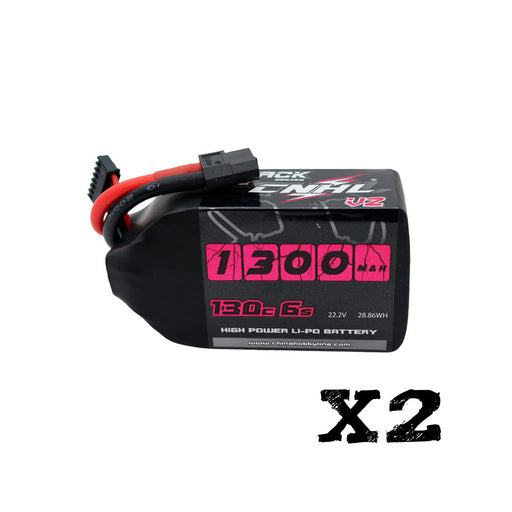
Verificação rápida de compatibilidade As 2 baterias LiPo CNHL Black Series V2.0 de 1300mAh 22,2V 6S 130C com ficha XT60 são uma excelente opção par...
Ver detalhes completosPeças sobresselentes e apoio a longo prazo Sabemos que, para os pilotos de RC, um apoio fiável em matéria de peças sobresselentes é fundament...
Ver detalhes completos
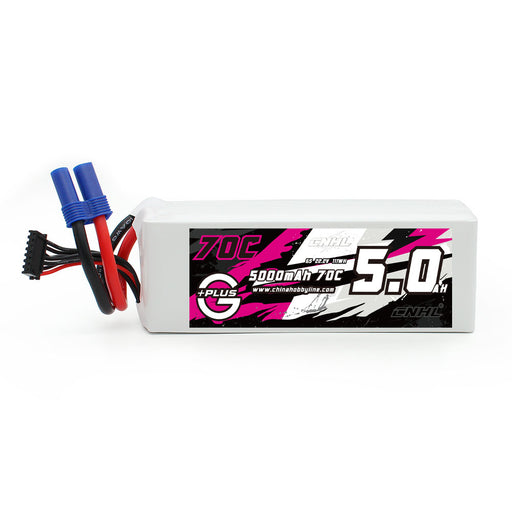
Especificações: Número de Stock: 500706EC5 Capacidade: 5000mAh Tensão: 22.2V / 6-Células / 6S1P Taxa de Descarga: 70C Contínua / 140C Pico Taxa d...
Ver detalhes completos
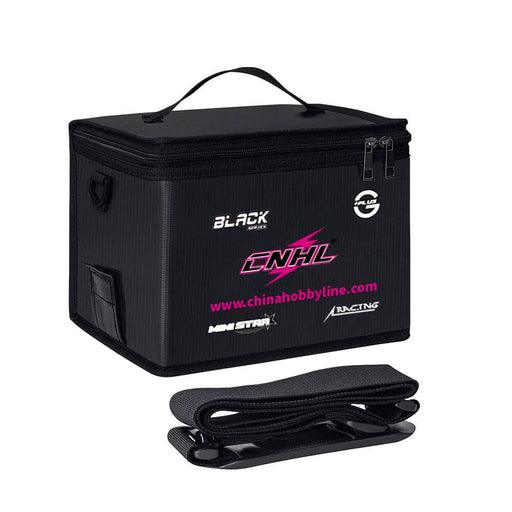
A Bolsa de Bateria LiPo CNHL foi desenhada para um carregamento, transporte e armazenamento mais seguros de LiPo em casa ou no campo. Acrescenta um...
Ver detalhes completos

Verificação Rápida de Ajuste O 2 Packs CNHL Speedy Pizza Series Pro 1350mAh 6S 150C LiPo Battery com ficha XT60 é construído para pilotos FPV d...
Ver detalhes completos

Verificação rápida de compatibilidade A bateria LiPo CNHL Speedy Pizza Series 2200mAh 22.2V 6S 120C com ficha XT60 combina o familiar formato 2200...
Ver detalhes completos

Verificação rápida da compatibilidade A bateria LiPo CNHL Speedy Pizza Series 2200mAh 14.8V 4S 120C com ficha XT60 combina um formato 4S de 2200mA...
Ver detalhes completos

Verificação rápida de compatibilidade A bateria LiPo CNHL Speedy Pizza Series 2200mAh 11.1V 3S 120C com ficha XT60 mantém o formato familiar das b...
Ver detalhes completos

A célula de bateria de iões de lítio CNHL Long Range Series BAK 50D 5000mAh 21700 foi concebida para packs de baterias personalizados de elevada en...
Ver detalhes completos

O ISDT C4 EVO é um carregador inteligente de baterias versátil, concebido para pilhas AA, AAA e células cilíndricas recarregáveis, desde as compact...
Ver detalhes completos


Deixe um comentário