






















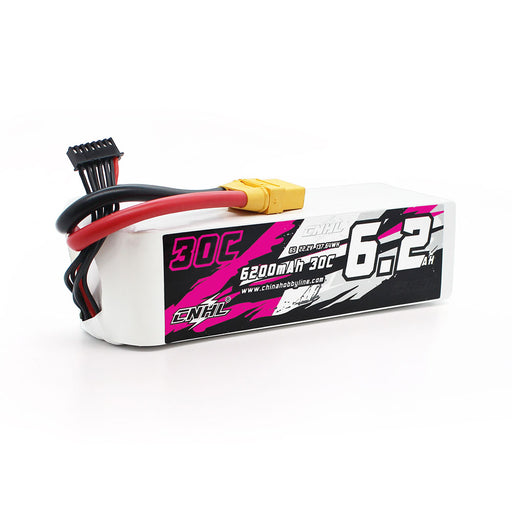
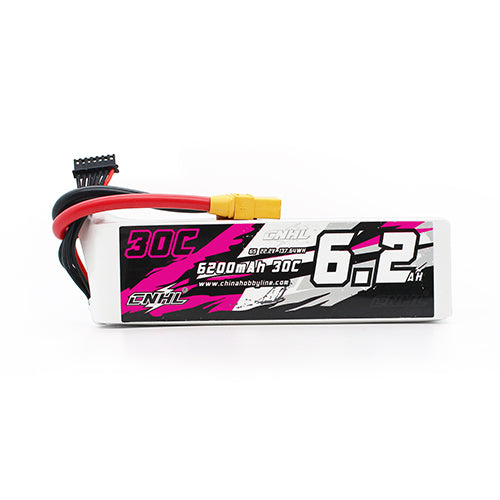


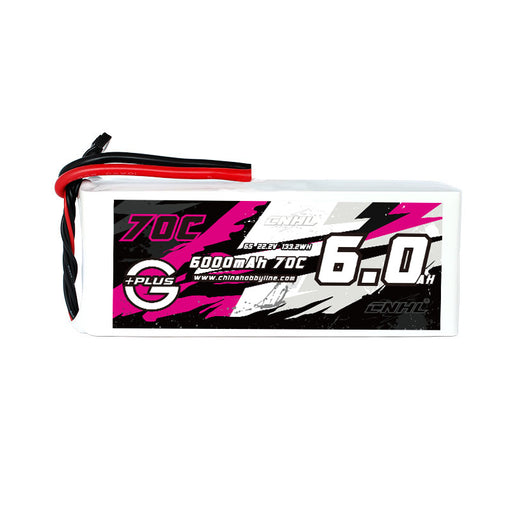


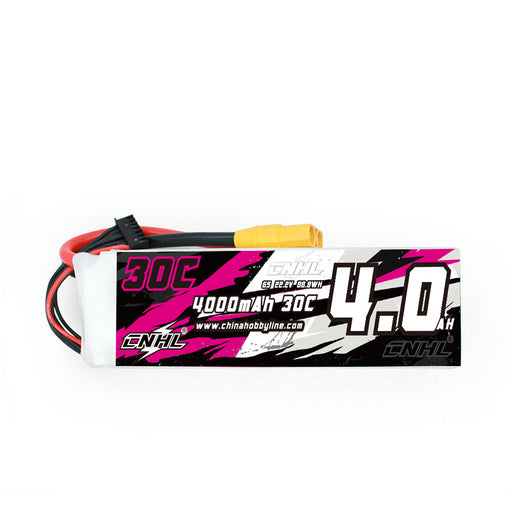
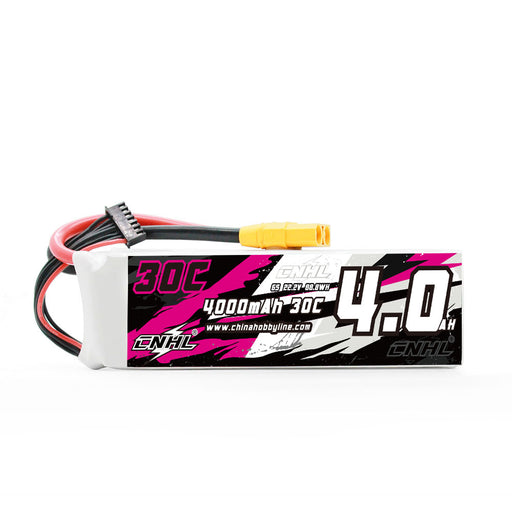


Why many RC boats use 6S LiPo batteries
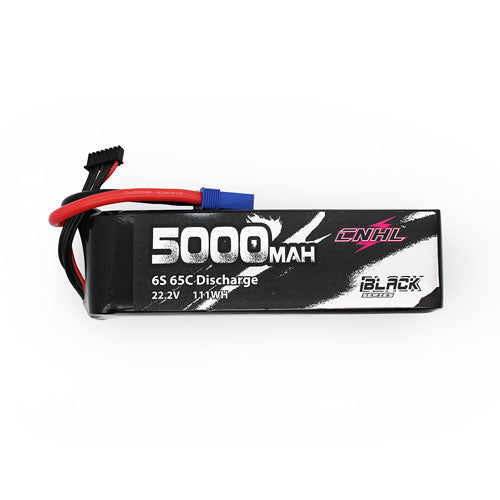
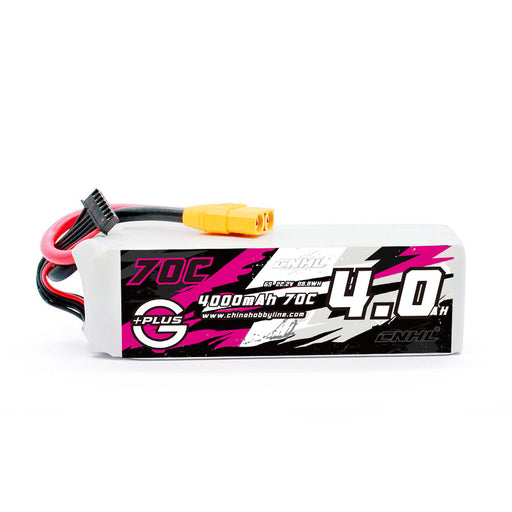
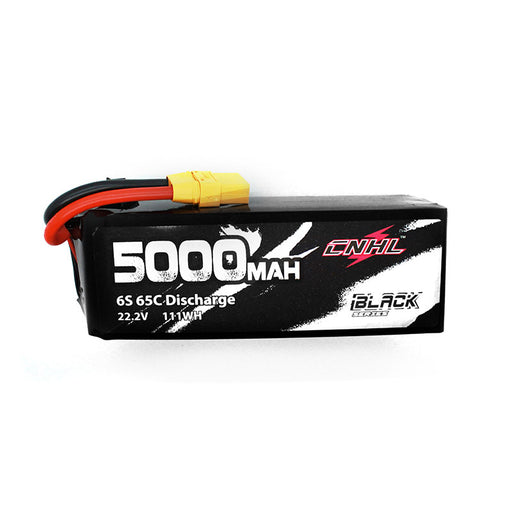
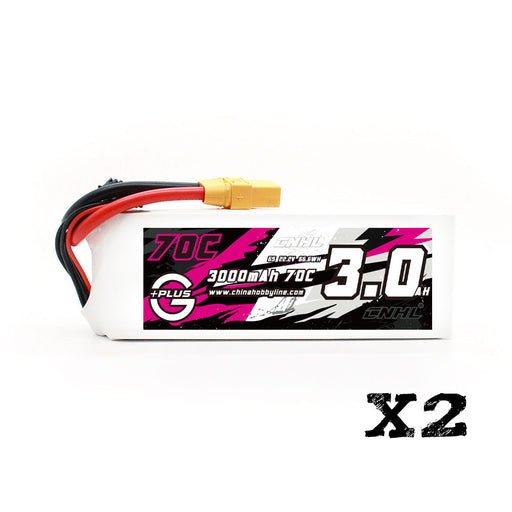
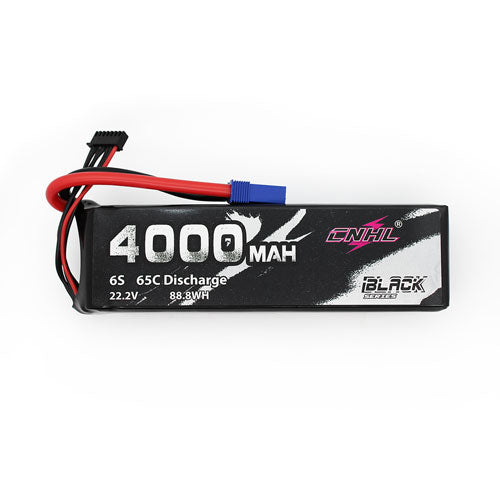
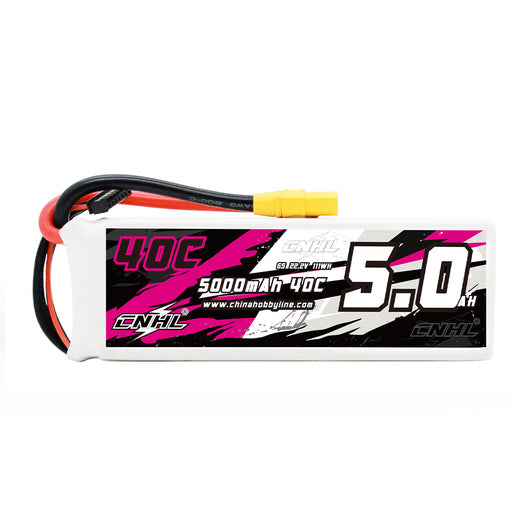
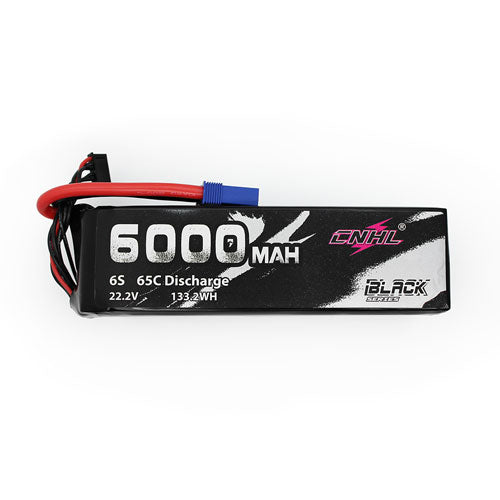
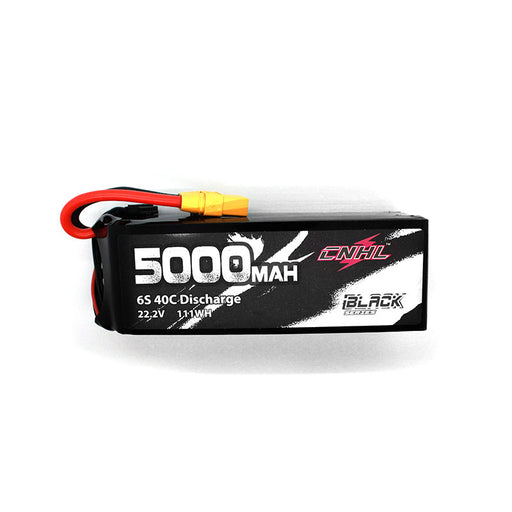
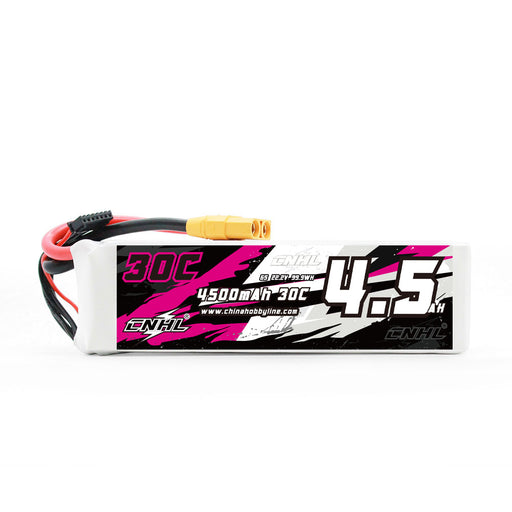
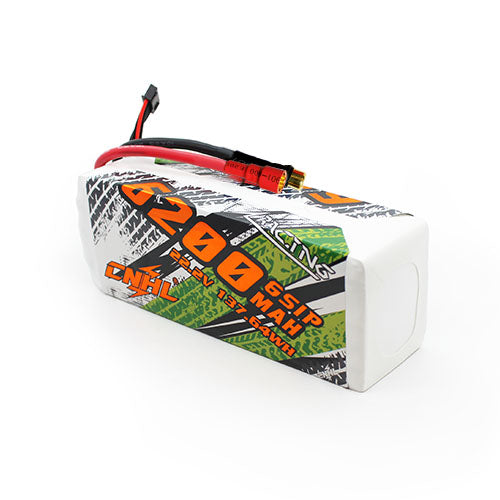
6S LiPo batteries are popular in RC boats because they give the power system enough voltage headroom to produce stronger performance without leaning as heavily on current as a lower-voltage setup would need to do for similar output. In practical terms, that often means cleaner acceleration, a more comfortable power system, and better consistency once the boat is up on plane and carrying speed.
For many performance-oriented electric boats, 6S is not about chasing a bigger number for its own sake. It is about matching the hull and power system to a battery class that can support sustained demand honestly. When the boat is larger, faster, or more demanding, 6S often starts feeling less like an upgrade and more like the correct working voltage.
What kinds of RC boats most often use 6S
6S is most commonly associated with RC boat setups that move beyond entry-level running and into the performance side of the hobby. That can include larger electric hulls, higher-output mono and catamaran setups, and sport or speed-focused boats where strong continuous power matters. Not every RC boat needs 6S, but once the hull and motor system become more serious, 6S often becomes a very logical fit.
This is also why battery selection in RC boats is usually less about appearance and more about system demand. Hull type, motor size, ESC limits, available battery space, cooling efficiency, and intended runtime all influence what kind of 6S pack makes sense. The best battery is usually the one that supports the full setup honestly, not simply the one with the biggest published numbers.
Why fit and weight matter so much in RC boats
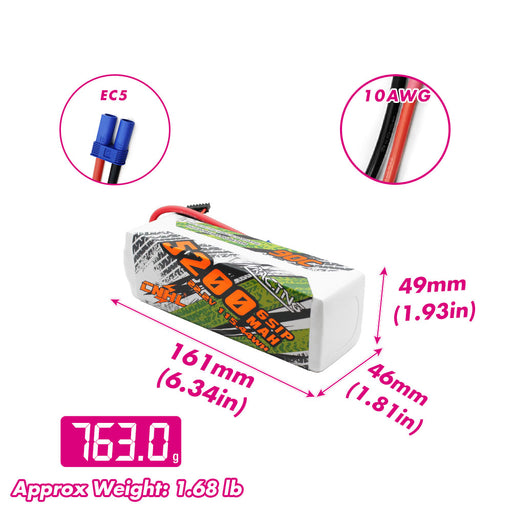
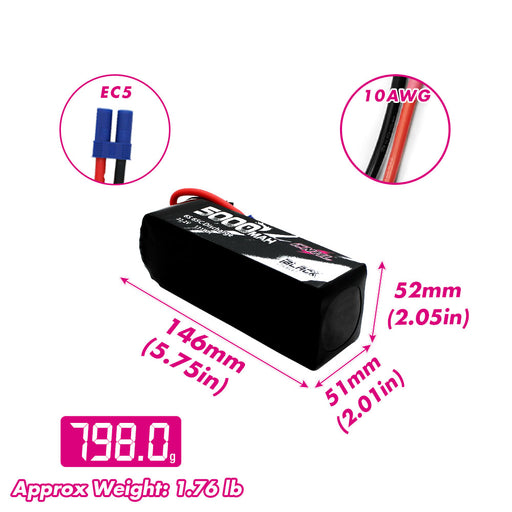
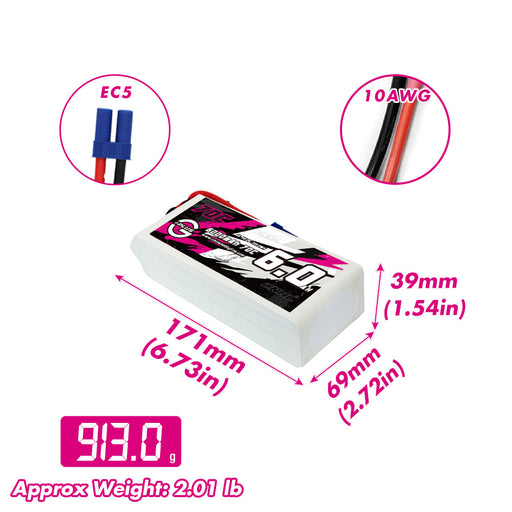
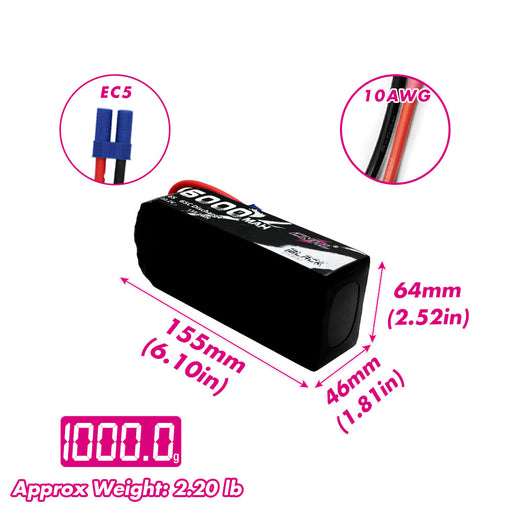
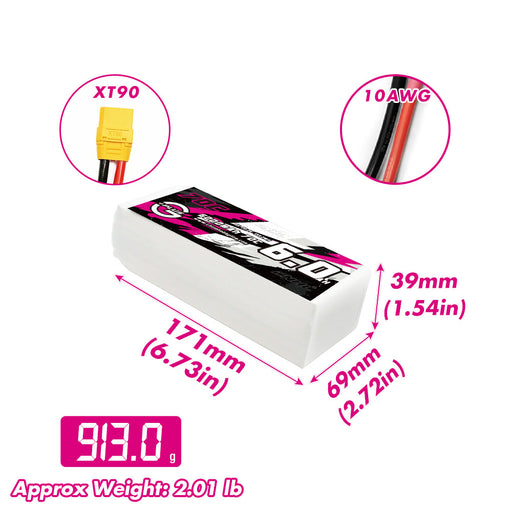
In RC boats, battery fit affects more than convenience. A pack that is too large or too heavy can change the way the hull sits in the water, carries speed, or responds to throttle. It can also make maintenance and battery access more frustrating than they need to be. This is why correct dimensions and realistic pack weight matter just as much as voltage and capacity.
That is especially true in boats where battery placement affects balance directly. A battery that technically fits but shifts the boat too far out of its intended running attitude can make the whole setup feel wrong. In practical RC boating, good fit is part of good performance.
What capacity and connector are common on 6S RC boat batteries
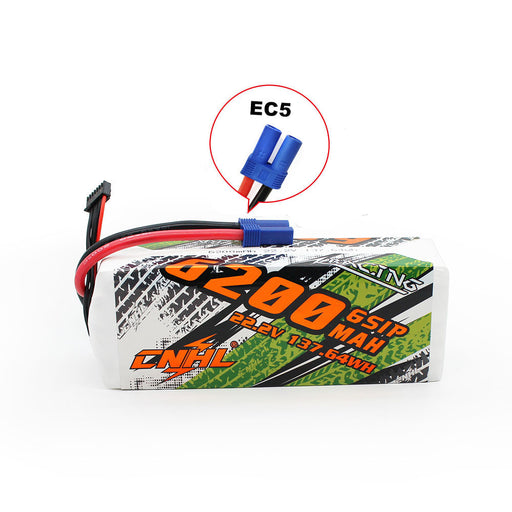
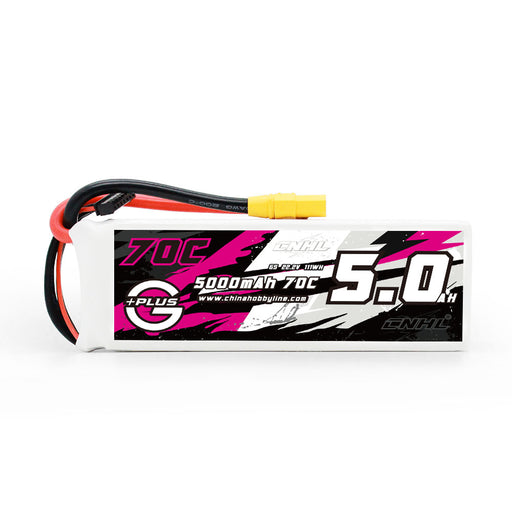
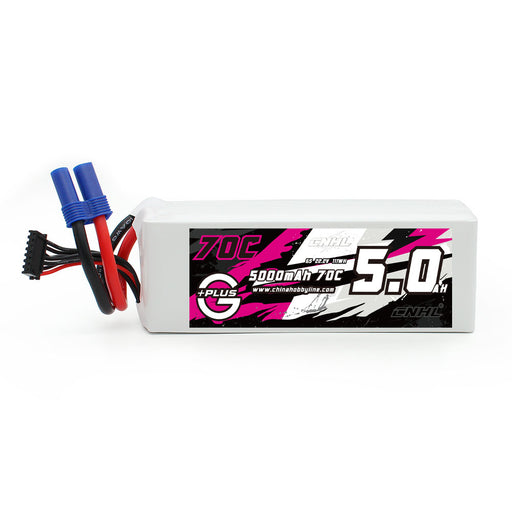
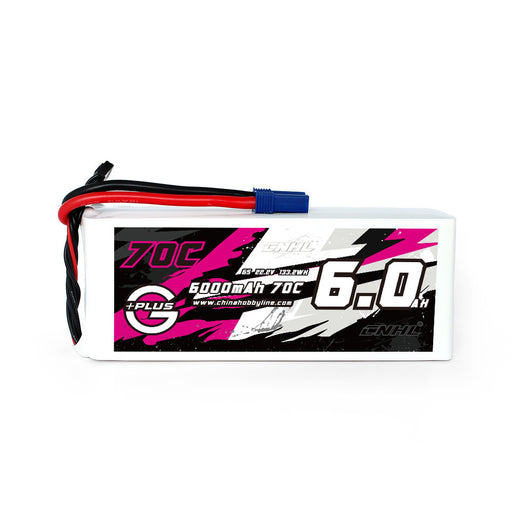
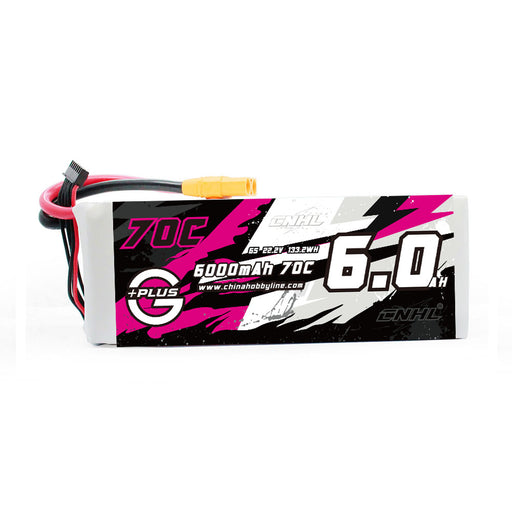
For 6S RC boats, battery choice is usually a balance between runtime, weight, and current demand. A bigger-capacity pack may increase run time, but it can also add weight that the hull does not really want. A lighter pack may feel cleaner, but may shorten the useful running window if the system is power-hungry. The right balance depends on the boat itself rather than any single universal capacity target.
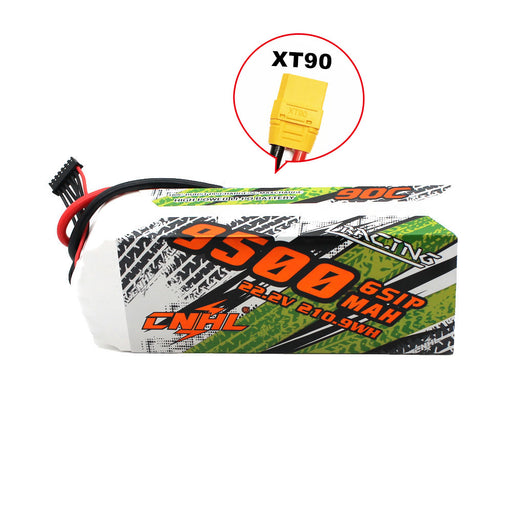
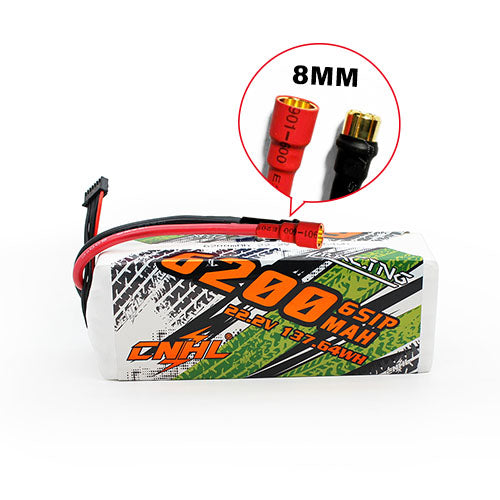
Connector choice matters too, especially in higher-output electric boats where current demand is not trivial. The best connector is not just the one that physically plugs in. It also needs to suit the overall power level of the system. If you want the wider voltage-level starting point first, the broader 6S LiPo Battery collection is the main 22.2V entry page.
How this page fits practical 6S boat battery selection
This collection is designed for users who already know they are looking specifically for a 6S RC boat setup rather than a general 22.2V battery overview. The goal is to narrow the choice to boat-relevant 6S options where fit, runtime, weight, and connector logic are more useful than raw headline numbers alone.
If you are still deciding whether 6S is even the right voltage class for your setup, the best next step is the broader LiPo Battery Voltage Guide: 1S to 8S Explained for RC Models. If you already know you want 6S but want a wider voltage-level view first, start from 6S LiPo Battery.
Related guides
For a broader voltage explanation, continue into LiPo Battery Voltage Guide: 1S to 8S Explained for RC Models. If you want a clearer look at how mid-range and higher voltage classes differ in practical use, 4S vs 6S LiPo Battery is the most useful comparison page.