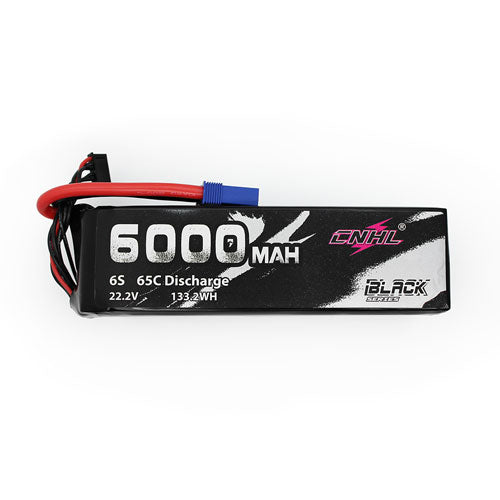
Why many RC cars use 6S LiPo batteries
6S LiPo batteries are common in higher-performance RC cars because they offer a stronger and more effortless power delivery than lower-voltage setups pushed to the limit. In many 1/8 scale buggies, truggies, monster trucks, and desert trucks, 6S helps the system reach the target performance without forcing excessive current draw. That often means better punch, more stable speed, and less strain when the vehicle is heavy, geared aggressively, or running on larger tires.
For many drivers, 6S is also where the vehicle starts feeling properly matched to its size. A large RC car on the wrong battery can feel flat, hot, or constantly on the edge. A well-matched 6S setup usually feels more composed. It does not automatically make the car “better,” but it often gives bigger platforms the voltage headroom they were really built to use.
What kinds of RC cars most often use 6S
The most common 6S RC cars are 1/8 scale off-road platforms and larger bashers. That includes buggies, truggies, monster trucks, desert trucks, and some speed-focused builds. In practice, 6S tends to appear where the vehicle weight, drivetrain strength, and intended performance level are all high enough to justify it.
That is also why 6S battery choice is often platform-driven rather than body-driven. In RC cars, the shell name does not matter as much as the chassis layout, battery tray space, connector requirement, and whether the platform is designed around single-pack or dual-pack power. This is the main reason platform-based collection pages usually make more sense than trying to force every RC car into its own separate battery page too early.
Single 6S vs dual 3S for RC cars
One of the most common questions around 6S RC car setups is whether it is better to use a single 6S pack or two 3S packs in series. The answer depends on the chassis design. Some vehicles are clearly built around dual battery trays and series wiring, while others are easier to manage with one properly sized 6S pack.
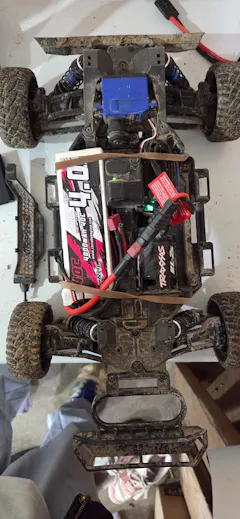
A single 6S battery can simplify charging, wiring, and battery management. Two 3S packs may offer more tray flexibility on platforms designed for that layout, but they also introduce another variable: the packs need to be properly matched in condition, capacity, and age. The best choice is usually the one the platform was designed around, not the one that looks more convenient on paper.
What capacity and connector are common on 6S RC car batteries
For RC cars using 6S, the most common capacity range is usually where runtime, weight, and physical fit stay in balance. Too small, and the car may feel strong but finish too quickly. Too large, and the extra weight can blunt handling or simply create fitment problems. That is why tray size and intended use matter as much as the raw mAh number.
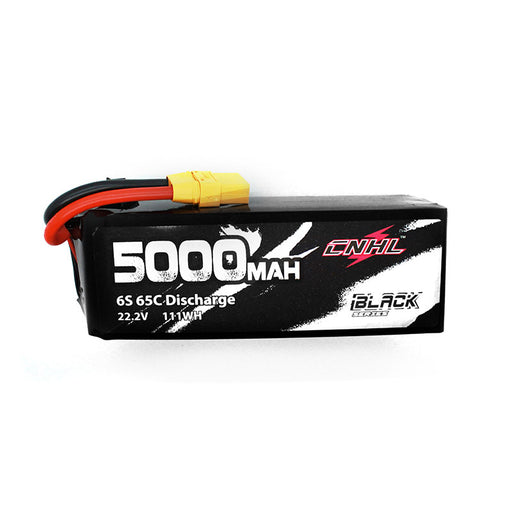
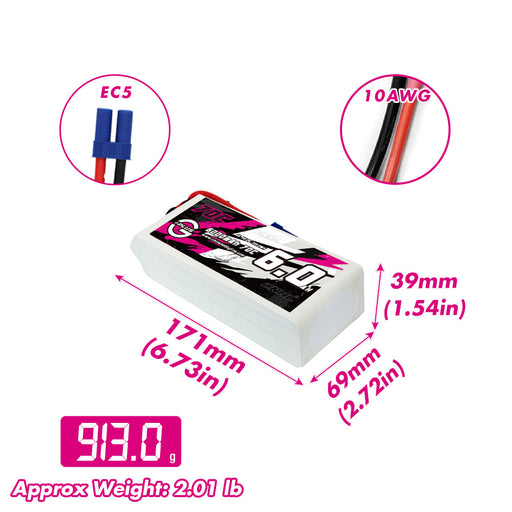
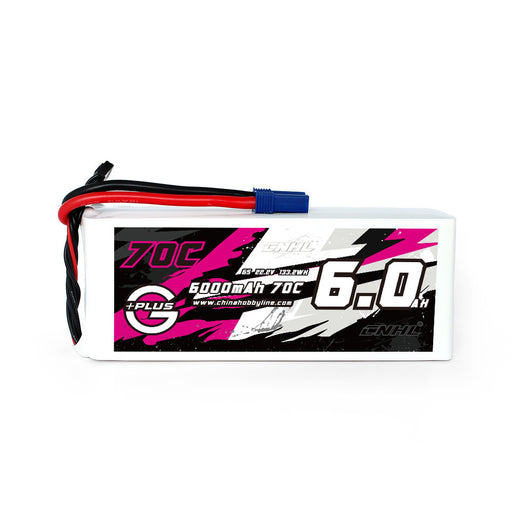
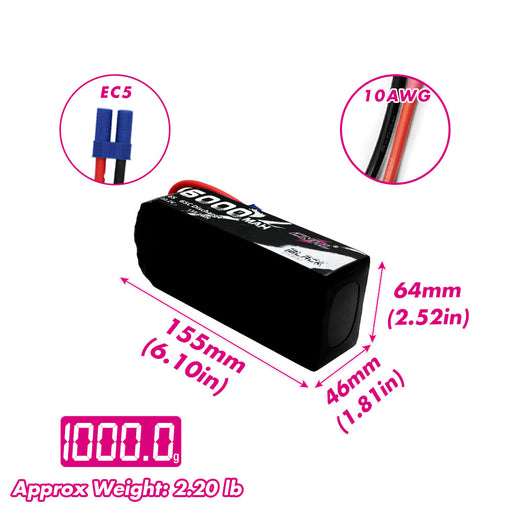
Connector choice also matters more than many drivers expect. High-power RC car setups are commonly associated with connectors such as XT90, EC5, and related high-current options. The goal is not just “will it plug in,” but whether the connector makes sense for the current demand and overall platform class. If you need a broader voltage-level starting point before narrowing down the RC car side, see 6S LiPo Battery.
Why platform fit matters more than body name
When choosing a 6S LiPo battery for an RC car, the body style alone usually does not tell the full story. What matters more is the platform underneath: battery tray size, connector layout, whether the chassis is designed for a single 6S pack or dual 3S packs, and how much weight the setup can realistically carry without hurting balance.
That is why 6S battery selection for RC cars is often more about platform fit than about the shell name printed on the box. Two vehicles may look very different on the outside but still share the same practical battery requirements if they are built around the same chassis logic. If you want to step back and compare 6S batteries beyond the RC car category, you can also browse the broader 6S LiPo Battery collection.
Related guides
If you are still comparing whether 6S is the right voltage for your vehicle at all, the most useful starting point is the broader LiPo Battery Voltage Guide: 1S to 8S Explained for RC Models. If your question is more about how 6S behaves in real performance terms, the supporting articles 6S LiPo Battery Selection Guide and Real LiPo Battery C-Rating Test and Performance Comparison are both useful next reads.