













What is a 12S LiPo battery setup?
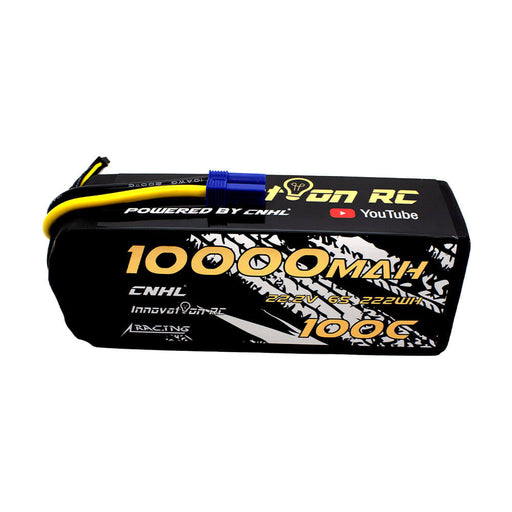
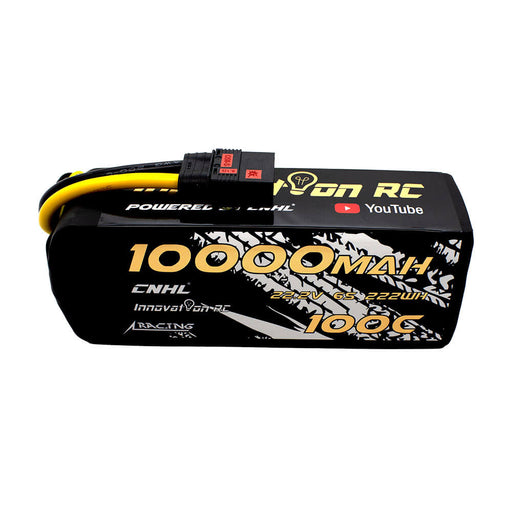
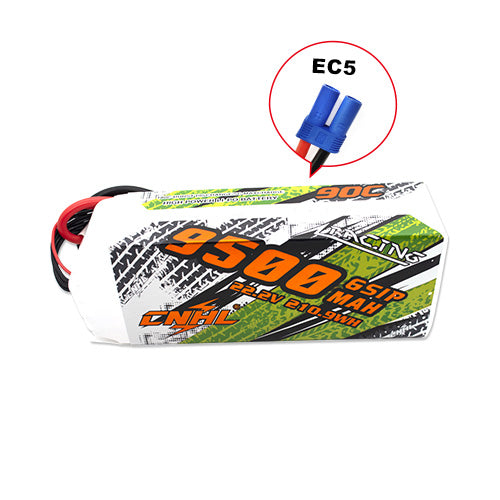
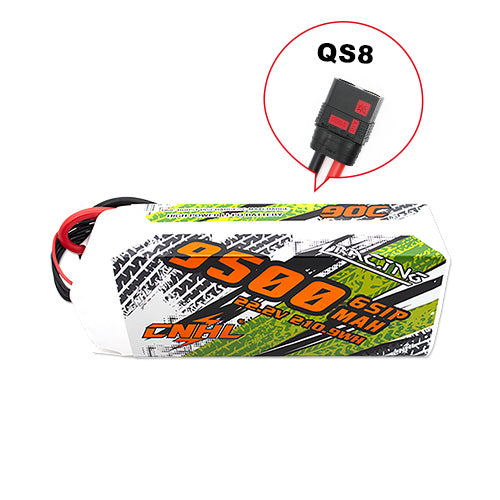
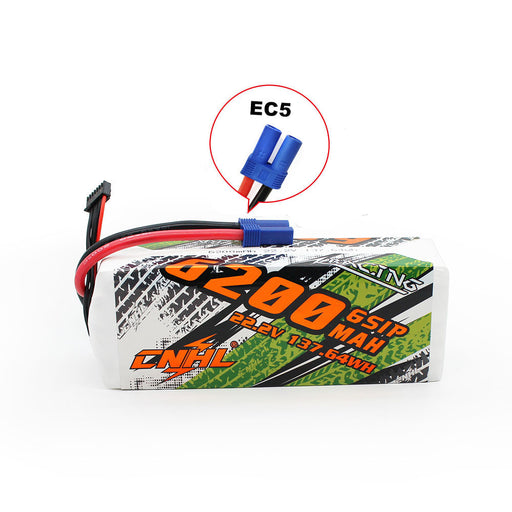
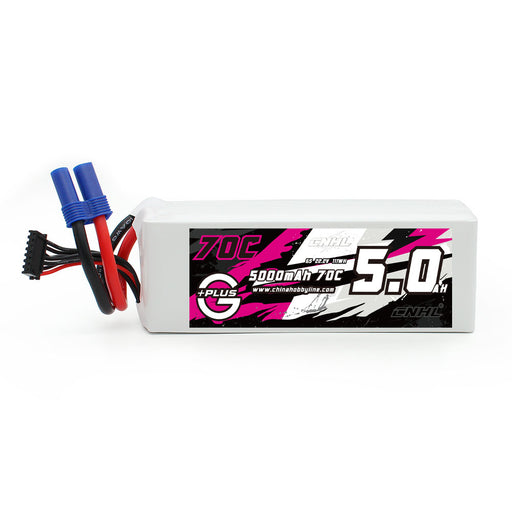
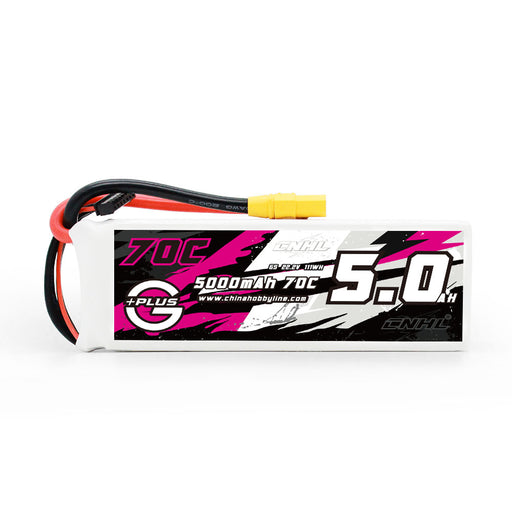
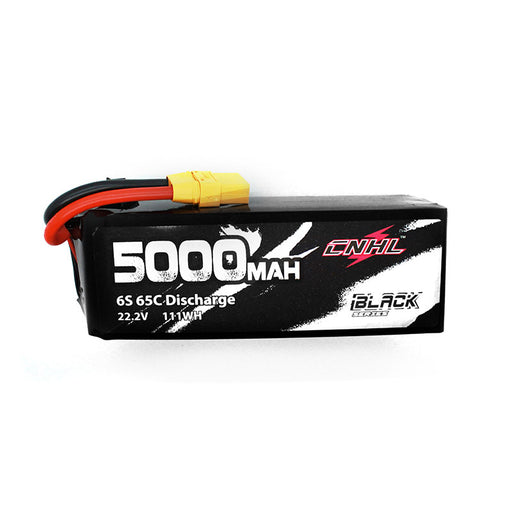
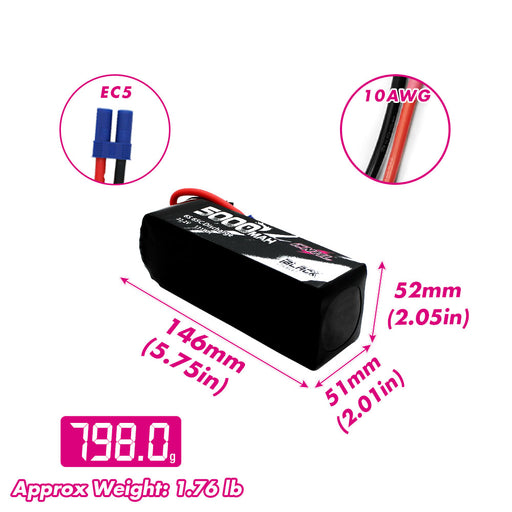
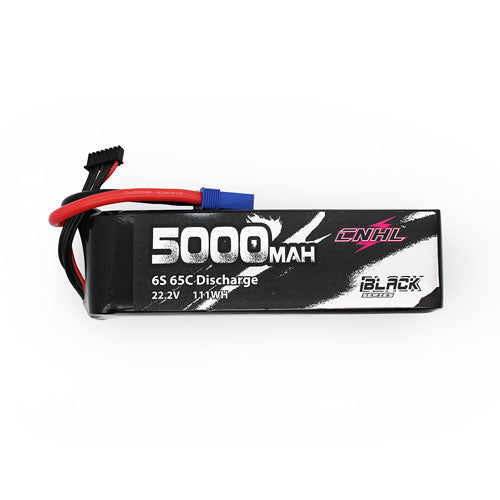
A 12S LiPo battery setup is a high-voltage RC power system made from twelve lithium polymer cells connected in series. In many RC applications, this is done by using two matched 6S LiPo batteries together with a series connection. Each 6S pack has six cells, so two 6S packs in series create a 12S system.
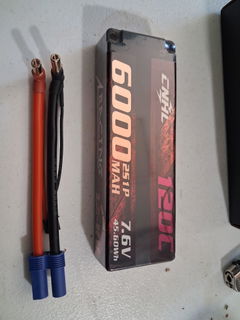
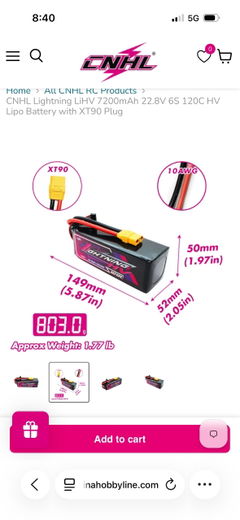
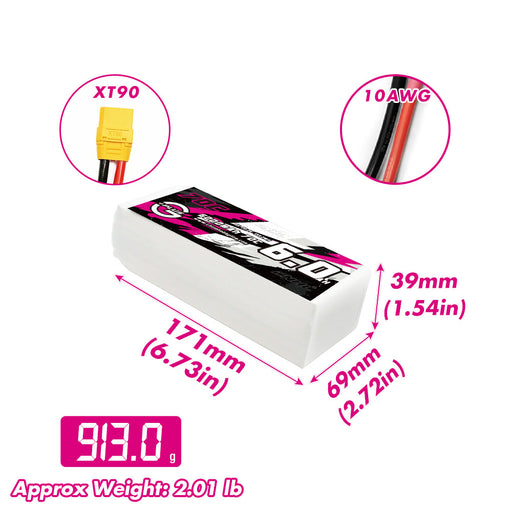
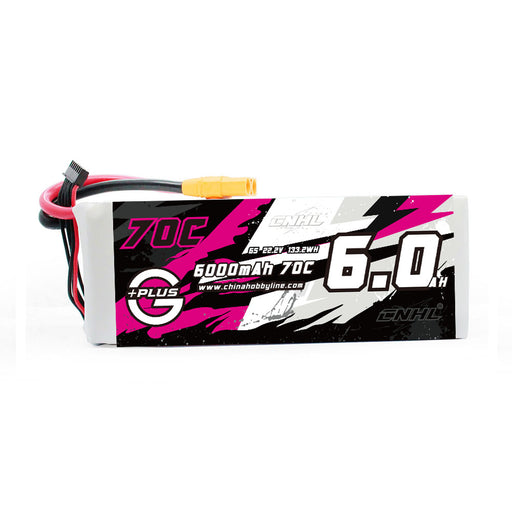
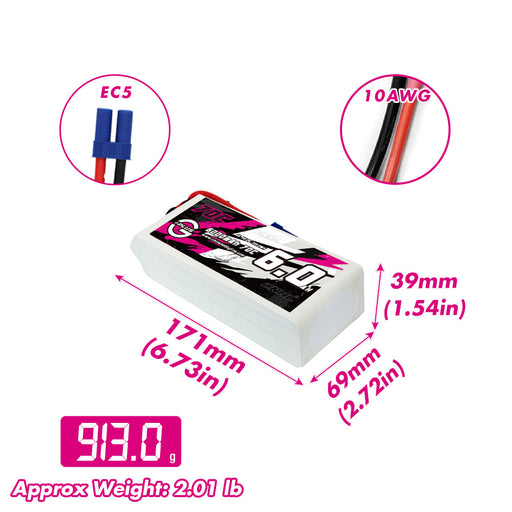
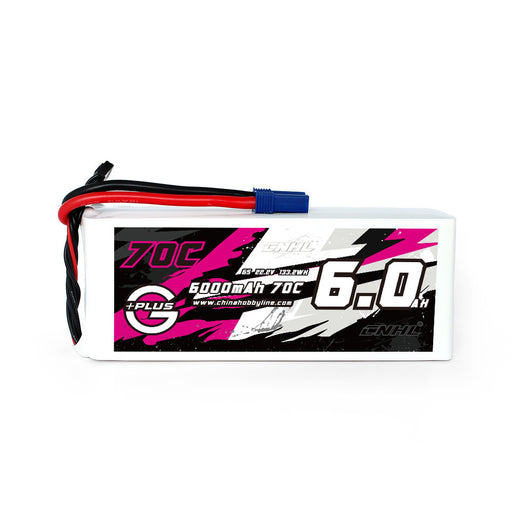
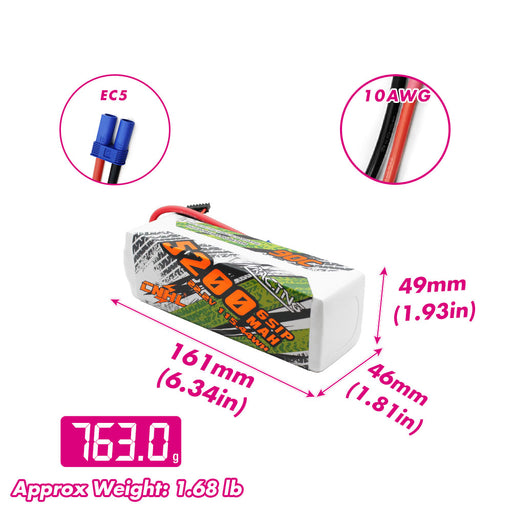
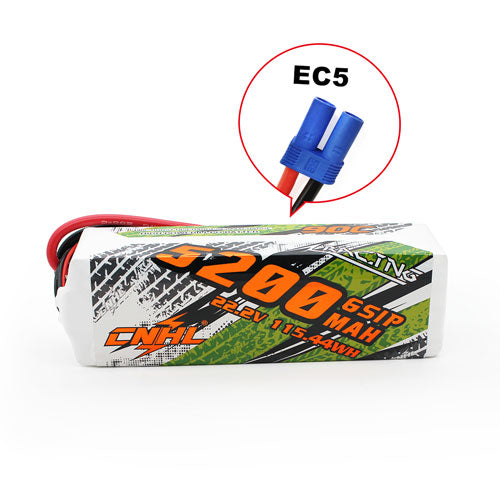
This collection is built around that practical RC setup. Instead of focusing only on rare single-piece 12S battery packs, CNHL offers high-capacity 6S LiPo batteries that can be paired to build a 12S LiPo battery system for demanding models. This approach is common in large RC aircraft, EDF jets, helicopters, UAV builds, heavy RC boats, and other high-power platforms where voltage, current delivery, and pack flexibility all matter.
12S LiPo voltage explained
A standard 12S LiPo setup has a nominal voltage of 44.4V. When fully charged, it reaches 50.4V. This is based on the normal LiPo cell voltage of 3.7V nominal and 4.2V fully charged per cell.
| Setup | Nominal Voltage | Fully Charged Voltage | Typical RC Use |
|---|---|---|---|
| 6S LiPo | 22.2V | 25.2V | EDF jets, RC planes, FPV drones, boats, cars |
| 6S + 6S in series | 44.4V | 50.4V | 12S RC aircraft, helicopters, UAVs, large EDF jets, high-power boats |
The important point is that voltage adds in series, while capacity stays the same. Two 6S 6000mAh packs in series create a 12S 6000mAh setup, not a 12S 12000mAh setup. This is one of the most common misunderstandings when choosing 12S LiPo batteries for RC models.
Why many 12S RC systems use two 6S LiPo batteries
In real RC use, two 6S LiPo batteries are often more practical than one large single 12S battery pack. A single 12S pack can be bulky, harder to fit, harder to transport, and more limited in how it can be used across different models. Two separate 6S packs give builders more flexibility.
This is especially useful when the battery bay is split into two sides, when the model has limited space, or when the aircraft or boat is designed around dual-pack installation. Many large electric RC airplanes, EDF jets, and helicopters already expect this kind of 6S + 6S layout. It also makes charging more convenient because each 6S pack can be charged on a compatible 6S LiPo charger or charging channel.
Another advantage is product flexibility. A matched pair of 6S batteries can be used together for 12S, but each pack may also be usable separately in other 6S models, depending on connector, size, current demand, and fit. For hobbyists who own multiple RC aircraft, boats, or power systems, this can be more practical than owning one dedicated 12S-only battery.
How to choose matched 6S packs for a 12S setup
When building a 12S LiPo setup from two 6S packs, the two batteries should be matched as closely as possible. The safest and cleanest approach is to use the same capacity, same C rating, same connector type, same cell count, same series, and similar age or cycle history.
| Selection Point | Why It Matters for 12S |
|---|---|
| Same capacity | Helps both packs discharge at a similar rate during the run or flight. |
| Same C rating | Keeps current delivery more balanced under high load. |
| Same connector type | Makes series wiring cleaner and reduces adapter-related resistance. |
| Similar age and cycle count | Avoids pairing a fresh pack with an older pack that may have higher internal resistance. |
| Suitable physical size | Both packs must fit the model securely without crushing wires or stressing the battery tray. |
For many 12S RC setups, builders commonly start with 6S packs in the 5000mAh and higher capacity range. Lower capacity pairs can reduce weight, while larger capacity pairs can support longer flight time, longer run time, or heavier high-voltage systems. The right choice depends on the model’s battery bay, ESC rating, motor setup, propeller or fan load, and desired balance point.
Common RC applications for 12S LiPo power
12S LiPo power is not usually the first choice for small everyday RC models. It is better suited to larger, heavier, or more power-hungry builds where higher voltage helps deliver strong performance without forcing extremely high current through the system.
Large EDF jets are one of the most common 12S use cases. Higher voltage can help drive bigger fan units more efficiently, especially in aircraft where thrust, voltage stability, and discharge performance are critical. Large propeller-driven RC airplanes may also use 12S setups when the motor and ESC are designed for high-voltage operation.
RC helicopters are another major 12S category. Many larger electric helicopters use dual 6S packs because the layout is practical and the power demand is high. UAVs and heavy-lift drone builds may also use 12S systems when payload, endurance, and voltage stability are more important than keeping the setup small.
High-power RC boats and selected extreme RC projects can also use 12S LiPo setups, but the system must be designed for that voltage. ESC rating, motor KV, cooling, connector choice, wire gauge, and battery placement all need to be checked before running a 12S system.
Single 12S pack vs two 6S packs in series
A single 12S LiPo pack may sound simpler, but it is not always the most practical choice. Two 6S packs are easier to fit in many models, easier to charge with common RC chargers, and easier to replace if one pack becomes worn over time.
For builders who already own 6S aircraft, EDF jets, helicopters, boats, or UAV platforms, matched 6S packs also offer better long-term flexibility. The same battery format may support more than one model, while a single large 12S pack is often locked into a narrower use case.
| Option | Main Advantage | Main Limitation |
|---|---|---|
| Single 12S pack | One physical battery pack with one main setup path. | Can be large, harder to fit, and less flexible across different models. |
| Two matched 6S packs in series | Flexible fit, easier charging, easier replacement, and broader use across 6S and 12S models. | Requires correct series wiring and carefully matched packs. |
Connector, wiring, and charging notes for 12S LiPo setups
A 12S LiPo setup should only be used with an ESC, motor system, connectors, and wiring rated for 12S voltage and the expected current draw. Do not assume that a model can run 12S just because two 6S batteries can be physically connected. The power system must be designed for it.
Connector choice also matters. High-voltage RC systems can pull serious current, especially in large EDF jets, helicopters, boats, and heavy aircraft. Loose connectors, undersized adapters, weak solder joints, or thin wiring can create heat and voltage drop. When possible, keep the power path clean and avoid unnecessary adapters in high-current 12S systems.
Charging is usually handled by charging each 6S pack separately on a compatible LiPo charger or by using charging equipment specifically designed for the setup. Always balance charge LiPo batteries, check cell voltage before pairing packs, and avoid mixing packs with noticeably different voltage, internal resistance, age, or cycle history.
If you need charging equipment for high-capacity packs, you can also browse the CNHL LiPo battery chargers collection.
Explore more CNHL RC battery options
If you are building several RC power systems at the same time, you can also explore the broader CNHL LiPo battery collection for more voltage, capacity, and connector options.
For aircraft-specific setups, the CNHL airplane batteries collection is a useful starting point. If your 12S project is focused on electric ducted fan aircraft, you can also check the LiPo batteries for EDF jets collection.
FAQ: 12S LiPo batteries and 6S series setups
Is a 12S LiPo battery the same as two 6S batteries?
In many RC setups, yes. A 12S system is commonly built by connecting two matched 6S LiPo batteries in series. This creates a 12S voltage system while still using two separate 6S battery packs.
What voltage is a 12S LiPo battery?
A standard 12S LiPo setup is 44.4V nominal and 50.4V when fully charged. Each LiPo cell is 3.7V nominal and 4.2V fully charged, so twelve cells in series create the full 12S voltage.
Do two 6S 5000mAh batteries make a 12S 10000mAh battery?
No. When two 6S 5000mAh batteries are connected in series, the voltage doubles, but the capacity stays 5000mAh. The result is a 12S 5000mAh setup.
Can I mix different 6S batteries for a 12S setup?
It is not recommended. For a clean 12S setup, use two 6S packs with the same capacity, same C rating, same connector type, same cell count, and similar age or cycle history. Mixing unmatched packs can lead to uneven discharge behavior.
What RC models commonly use 12S LiPo power?
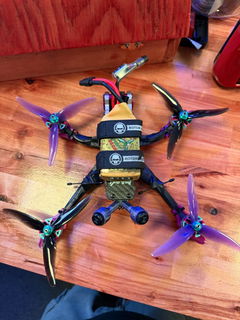
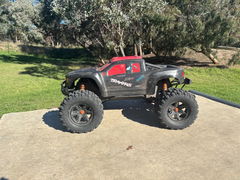
12S LiPo power is commonly used in large EDF jets, large RC airplanes, electric helicopters, UAVs, heavy-lift drones, high-power RC boats, and selected extreme RC projects. It is less common in ordinary small RC cars or standard freestyle FPV drones.
Can I charge a 12S setup as one battery?
Many hobbyists charge the two 6S packs separately using a compatible LiPo balance charger. Only charge as a combined 12S setup if your charging equipment and wiring are specifically designed for that method. Always follow safe LiPo charging practices.
What capacity should I choose for a 12S RC setup?
Many 12S RC setups use matched 6S packs in the 5000mAh and higher capacity range. The right capacity depends on the model’s battery space, flying weight, ESC and motor setup, target runtime, and center of gravity requirements.
Is a 12 cell LiPo battery the same as a 12S LiPo battery?
Yes. In RC battery language, a 12 cell LiPo battery usually means a 12S LiPo battery, with twelve cells connected in series. In many RC setups, that 12S system is built with two matched 6S LiPo packs connected in series.