
CNHL Lipo Batterier
CNHL sigter mod at levere Li-Po batterier og RC-produkter af høj kvalitet til alle hobbyentusiaster med fremragende kundeservice og konkurrencedygtige priser

Durafly Curtiss P40 Warhawk V2 “Aleutian Tiger” 1100 mm er et kompakt elektrisk RC-krigsfly bygget til piloter, der ønsker mere karakter end endnu en velkendt Mustang eller Trojan. Dets sjældne Alaska-inspirerede bemaling, funktionelle deltklapper, drejelige metalindtræk og 3S- eller 4S-drivsystem giver det tilstedeværelsen fra en større skalamodel uden krav om et stort køretøj eller permanent afmontering af vingerne under transport.
Dette er ikke en begyndertræner forklædt som et krigsfly. Det lettere skrog og det reviderede landingsstel forbedrer svaghederne ved den tidligere Durafly P40, men flyet belønner stadig korrekt brug af sideroret, konservative højderorsindstillinger, omhyggelig indstilling af tyngdepunktet og en indflyvning med motorkraft.
For en let øvet eller erfaren pilot, der nyder at flyve aktivt med en model i stedet for at lade stabiliseringen klare alt arbejdet, tilbyder P40 Curtiss Hawk V2 en usædvanligt komplet udstyrspakke i 1100 mm-klassen.

| Vingefang | 1100 mm / 43,3 tommer |
| Længde | Cirka 1000 mm / 39,3 tommer |
| Motor | Durafly 3536 900KV børsteløs outrunner |
| ESC | 45A børsteløs ESC med XT60-stik |
| Propel | 10x5-trebladet propel |
| Anbefalet batteri | 2200 mAh 3S- eller 4S-LiPo med XT60-stik |
| Radiokrav | 6 kanaler til en forenklet opsætning eller 7 kanaler til uafhængig bombestyring |
| Anbefalet pilotniveau | Let øvet til erfaren RC-krigsflypilot |
Opdateringen er mere fokuseret end det “helt nye”-sprog, der nogle gange bruges ved lanceringen af nye modeller. Den etablerede 1100 mm-platform, 3536 900KV-motoren og 45A-ESC'en er stadig velkendte. Durafly koncentrerede ændringerne om skrogets vægt, landingsstellet, canopy-profilen og den udvendige bemaling.
Den vigtigste mekaniske opgradering er det nye fuldmetal-system til drejning og indtræk af landingsstellet. Hovedbenene drejer 90 grader, når de trækkes ind, og bruger funktionelle fjederbelastede Oleo-lignende stivere. Det oprindelige P-40's landingsstel var et af de områder, der oftest blev kritiseret, så dette er en væsentlig forbedring og ikke blot en kosmetisk ændring.
Den anden store ændring er brugen af en EPO-skumformulering med lavere densitet. Det oprindelige skrog prioriterede en usædvanligt glat overflade, men tættere skum øgede også vægten og vingebelastningen. Det reviderede materiale reducerer vægten og giver den nye version et mere tilgivende lavhastighedsområde.
Der er en afvejning. Lettere skum kan forbedre flyveegenskaberne, men det kan føles mindre modstandsdygtigt over for hangarskader, trykmærker og uforsigtig håndtering end et tættere skrog. Piloter bør undgå at klemme vingepanelerne under samling og bruge polstrede opbevaringsstøtter.

Nosegrafikken er det definerende visuelle kendetegn ved denne udgave. Mange P-40-modeller bruger det velkendte hajmønster, der forbindes med American Volunteer Group i Kina. Denne version henviser i stedet til P-40-flyene, der var knyttet til felttoget på Aleuterne og 343rd Fighter Group.
Det store gule tigerhoved omslutter cowlingen og giver flyet et helt andet udseende end den konventionelle P-40 med hajmønster. Det er især synligt under drejende overflyvninger og indflyvninger forfra, hvilket gør modellen lettere at genkende på moderat afstand.
Bemalingen er også omdiskuteret. Nogle piloter mener, at det usædvanlige tigermotiv er den stærkeste grund til at købe denne version, mens andre stadig foretrækker det mere velkendte hajmønster. Tigermotivet er påført fra fabrikken, så købere bør være sikre på, at de kan lide bemalingen, før de bestiller.

Durafly P40N V2 har flere funktioner, der oftere forbindes med større warbirds på 1,2-1,5 m. De funktionelle deltklapper er særligt effektive. Kun de nederste klapflader foldes ud, hvilket skaber et overbevisende skalalook og samtidig øger luftmodstanden ved langsommere indflyvninger.
De nederste klapflader har også en kontrastfarvet finish, som bliver tydeligt synlig under en lav overflyvning eller i landingsrunden. Hjulkåber, støbte panellinjer, maskingeværdetaljer, udstødningsrør, den malede trebladede propel og cockpitinteriøret bidrager til det færdige udseende.
Det magnetiske bombeslipsystem tilføjer endnu en interaktiv funktion. Det kan tildeles en separat modtagerkanal, så den medfølgende replikabombe kan slippes under en overflyvning. I praksis bør mekanismen testes omhyggeligt på arbejdsbænken, da udløsningens pålidelighed kan afhænge af kanalvandring, magnetisk justering og bombens fysiske pasform.
Modellen inkluderer ikke en pilotfigur. Det bemærkes overraskende meget, fordi resten af cockpittet og flystellet er udført med stærkt fokus på skalaudseendet. En let pilot fra eftermarkedet eller en lille specialfremstillet 3D-printet figur kan forbedre udseendet, men enhver ændring bør medregnes ved kontrol af det endelige tyngdepunkt.

PNF-flystellet leveres med motor, ESC, servoer, optræksstel og bombemekanisme installeret. Hovedvingen er en konstruktion i ét stykke, mens den vandrette hale, styreforbindelser, propellen og udvalgte skaladetaljer skal færdiggøres af ejeren.
Nogle større komponenter fastgøres med skruer, mens der stadig kræves lim til udvalgte beslag og skaladele. Antallet af dele er lavt, men modellen er ikke helt fri for værktøj eller lim. Afsæt tilstrækkelig tid til at centrere servoerne, justere styrestængerne, kontrollere flapsenes symmetri og bekræfte, at det optrækkelige landingsstel kører uden at binde.
En lille controller inde i vingen betjener systemet til det optrækkelige landingsstel. Controlleren har en testknap, som kan bruges under samlingen til at køre landingsstellet ind og ud uden først at færdiggøre alle radiofunktioner. Det er nyttigt til at kontrollere justeringen af landingsstellets lemme og bekræfte, at de drejelige ben bevæger sig frit.
En sekskanalsmodtager kan betjene de vigtigste flyfunktioner, når der bruges Y-ledninger, delte kanaler eller radiomiks. En syvkanalsmodtager er mere praktisk, når piloten ønsker uafhængig kontrol over gas, krængeror, højderor, sideror, optrækkeligt landingsstel, flaps og bombekast.
SAFE og AS3X er ikke indbygget i flyet. De er kun tilgængelige, når piloten installerer en kompatibel Spektrum-modtager eller et andet stabiliseret modtagersystem. En almindelig ustabiliseret modtager kan også bruges, men denne P-40 kræver stadig præcis mekanisk opsætning og aktive styreinput.
Med et 4S-batteri på 2200 mAh har P-40 betydeligt mere ydeevne, end de kompakte mål antyder. Passager ved fuld gas er hurtige, den vertikale stigeevne er kraftig, og store loops kan gennemføres uden at medbringe for høj indgangshastighed.
Kraftoverskuddet er nyttigt ved start fra græs eller ved korrektion af en indflyvning, men 4S fremhæver også modellens drejningsmoment og P-faktor. Hvis man giver fuld gas for hurtigt, kan næsen trækkes mod venstre under starten. En gradvis gasgivning og et bevidst input på højreroret giver en renere start.
Når modellen er i luften, kan den flyve behageligt ved delgas. Fuld effekt er tilgængelig til hurtige passager og vertikale manøvrer, men er ikke nødvendig ved normale flyverunder. Lange perioder ved maksimal gas kan øge batteriets og kraftsystemets temperatur, især i varm sommerluft.
Højderoret kan føles følsomt, når modellen er indstillet med det generøse fabriksagtige rorudslag, eller når tyngdepunktet ligger en smule bagud. Hvis man starter med konservative højderorsrater og moderat expo, opnås en mere jævn pitchkontrol. Maksimalt højderorsudslag er sjældent nødvendigt ved skalaflyvning.

Fabrikskraftsystemet understøtter også et 3S-batteri på 2200 mAh. Med 3S bør piloter forvente lavere maksimalhastighed, blødere acceleration og reduceret stigeevne. Det lyder måske som en ulempe, men det kan få flyet til at føles mere naturligt under skalaflyvning.
Et smalt eller kort 3S-batteri kan også være lettere at flytte længere frem i batterirummet. Det kan hjælpe piloter med at opnå den nødvendige balance uden at tilføje unødvendig vægt i næsen. Batteriets form kan være lige så vigtig som dets kapacitet i dette flystel.
Der er mindre overskydende effekt til græsstart eller afbrudte indflyvninger med 3S, så banens tilstand og gasstyringen bliver vigtigere. Piloter, der starter fra tætklippet græs eller en asfalteret bane, vil måske sætte pris på den jævnere karakter, mens piloter, der flyver fra en mere krævende plads, måske foretrækker 4S'ens effektreserve.
| 3S-opsætning | Jævnere acceleration, lavere tophastighed, mere skalatro flyvning og potentielt lettere placering af batteriet. |
| 4S-opsætning | Kraftigere startkraft, hurtigere overflyvninger, bedre lodret ydelse og større reserve til afbrudte landinger. |
Modellen bruger et fabriksmonteret XT60-stik og er designet til et 2200mAh 3S- eller 4S-batteri. CNHL anbefaler, at du vælger spændingen efter den ønskede flyvestil og derefter kontrollerer batteriets mål, monterede vægt og endelige tyngdepunkt.
| Primære 4S-valg |
CNHL Black Series 2200mAh 14.8V 4S 40C med XT60-stik Tættest på den anbefalede 4S-specifikation og velegnet til warbird-flyvning ved fuld hastighed. |
| Primære 3S-valg |
CNHL G+Plus 2200mAh 11.1V 3S 70C med XT60-stik Et stærkt 3S-valg, der giver en mere jævn gasrespons og skalatro flyvning på baner. |
| Kompakt 3S-valg |
CNHL Black Series 2200mAh 11.1V 3S Shorty 40C med XT60-stik Det korte format giver større fleksibilitet, når batteriet skal placeres mod forkanten af batterirummet. |
Kompatible CNHL Lightning 2400mAh 3S- og 4S-LiHV-shorty-batterier kan også bruges af piloter, der ønsker et kompakt batteri med lidt større kapacitet. Brug den korrekte LiHV-opladertilstand, og kontrollér tyngdepunktet efter installationen.
Se den komplette samling af de bedste batterier til Durafly P-40 Warhawk V2 for aktuelt tilgængelige 3S-, 4S- og kompakte shorty-muligheder.
Den magnetiske øverste luge giver direkte adgang til batteribakken. Et standard 2200mAh 4S-batteri installeres normalt mod forkanten af rummet og kan ligge en smule skråt afhængigt af batterikassens mål.
Gå ikke ud fra, at alle 2200mAh-batterier vil balancere præcis samme sted. To batterier med identisk kapacitet kan have forskellig længde, vægt og cellelayout. Flyt batteriet efter behov, og kontrollér det færdigsamlede fly ved det tyngdepunkt, der er angivet i manualen.
Undersøg batteribakken for hårde eller skarpe støbte kanter, før du installerer et LiPo-batteri med blød pakning. Ved en flyvetest viste det sig, at en indvendig plastikkant kunne gnave mod batteriposen. Et tyndt stykke skum, skridsikkert underlag eller beskyttelsestape kan forhindre slid.
Batteriet må ikke komme i kontakt med motorens bagende, det roterende klokkehus eller propelakslen. Det skal også sidde sikkert under loops, rulninger og pludselige optræk med høje G-belastninger. Brug hele remmen fra fabrikken, og bekræft, at batteripakken ikke kan bevæge sig frem eller tilbage.
Det opgraderede understel gør P-40 mere anvendelig på græs end den tidligere model, men det ændrer ikke den grundlæggende geometri i et halehjulsfly med smal sporvidde. Modellen kræver stadig en tætklippet bane og korrekt startteknik.
Hold højderoret oppe under taxikørsel for at holde halehjulet belastet. Under starten skal du jævnt øge gassen og om nødvendigt give højre sideror for at modvirke trebladet propelens drejningsmoment. Undgå at give fuld kraft med det samme, især med en 4S-pakke.
Mellemflaps eller startflaps kan forkorte rullelængden, men brugen af flaps bør afprøves i sikker højde før den første indflyvning til banen. Det optrækkelige understel arbejder langsomt, hvilket ser realistisk ud, men betyder, at piloten skal aktivere understelsbevægelsen tidligt.
Langt, vådt eller ujævnt græs kan stadig få flyet til at gå på næsen. Oleo-fjedrene absorberer lodrette stød, men de kan ikke eliminere rullemodstanden fra en dårligt vedligeholdt overflade. Den relativt smalle afstand mellem hovedhjulene kan også få en vingespids til at røre jorden, hvis flyet begynder at hælde under udrulningen.
Den lavere vingebelastning mærkes tydeligst, når flyet sænker farten med understel og flaps slået ud. Det kan flyve en kontrolleret passage ved lav hastighed uden den bratte opførsel, der forbindes med et tungere lille krigsfly, men det vil stadig tabe en vinge, hvis det presses ud over stallgrænsen.
Fulde flaps kan gøre stall’et mere gradvist, men de gør ikke P-40 stall-sikkert. Stalltests bør udføres i sikker højde. En demonstration i lav højde kan godt ende med en vellykket recovery i erfarne hænder, men den bør ikke opfattes som bevis på, at flyet kan håndteres forkert tæt på jorden.
Ved landing skal du holde lidt motorkraft på og flyve flyet ned på banen. Luk ikke gassen for tidligt, og vent ikke på, at det selv falder til ro. Brug gassen til at styre nedstigningshastigheden, hold vingerne i vater med små korrektioner, og lad Oleo-fjedrene absorbere den sidste del af landingen.
En kontrolleret landing på tre punkter kan fungere godt på græs, mens en landing på hovedhjulene kan give et renere udrulningsforløb på en jævn overflade. I begge tilfælde bør du undgå store elevatorudslag efter touchdown, da den smalle sporvidde kan gøre flyet følsomt over for overkorrektion.

Det er mere tilgivende end den oprindelige version, men det er ikke et let førstefly. P-40'eren skal styres aktivt under start, sving, kunstflyvning og landing. Den opfører sig forudsigeligt, når den er korrekt indstillet, men holder ikke automatisk en ren flyvebane uden pilotinput.
Højderoret kræver særlig opmærksomhed. For stort udslag kan medføre nikkebevægelser og pludselige stigningsændringer. Start med reducerede rorudslag og moderat expo, og øg først bevægelsen efter flere flyvninger. En let næsetung indledende opsætning er generelt lettere at håndtere end et tyngdepunkt, der ligger for langt tilbage.
En stabiliseret modtager kan reducere turbulensens virkning og hjælpe det lille flystel med at holde en renere kurs, men stabilisering erstatter ikke korrekt brug af sideror, højderor og gashåndtag. Piloter bør allerede være fortrolige med en lavvinget sportsmodel, før de går videre til denne P-40.
Den ideelle ejer er en person, der nyder arbejdsbyrden ved en skalatro warbird. Piloter, der forventer, at flyet opfører sig som et selvkorrigerende trænerfly, kan opleve det som krævende. Piloter med erfaring i halehjulsfly og flaps vil sandsynligvis sætte større pris på dets responsive karakter.
| Stærke sider | Sjælden Aleutian Tiger-bemaling, stærk 4S-ydeevne, funktionelle deltflaps, fuldt metaludførte roterende optrækkelige landingsstel, Oleo-affjedring, kompakt transportstørrelse og konkurrencedygtig udstyrsværdi. |
| Kompromiser | Følsomt højderor, mærkbart startmoment, smal landingsstelbredde, ingen pilotfigur, ingen fabriksmonterede navigationslys og en bombemekanisme, der muligvis kræver justering. |
| Bedst til | Øvede og erfarne piloter, som allerede forstår starter med halehjul, landinger med motordrevne warbirds, håndtering af flaps og indstilling af tyngdepunkt. |
Nej. Den lavere vingebelastning forbedrer egenskaberne ved lav hastighed, men flyet kræver stadig aktiv siderorsstyring, forsigtige højderorsinput og erfaring med landing af et lavvinget halehjulsfly.
Brug 3S for en jævnere acceleration og mere skalatro runder. Brug 4S for hurtigere forbiflyvninger, bedre stigeevne og større strømreserve under starter fra græs og afbrudte landinger.
Fabrikkens 45A ESC bruger et XT60-stik. Et batteri med XT60-stik giver den reneste installation uden en ekstra adapter.
En sekskanalsmodtager kan understøtte en forenklet konfiguration. Syv kanaler er at foretrække, når landingsstel, flaps og bombekastfunktion tildeles separat.
Der følger ikke noget stabiliseringssystem med PNF-skroget. SAFE, AS3X eller en anden gyrofunktion afhænger af den modtager, piloten installerer.
Ja, især på kort og tørt græs. De opgraderede Oleo-landingsstel forbedrer støddæmpningen, men langt, vådt eller ujævnt græs kan stadig føre til, at modellen tipper over næsen eller får kontakt med vingespidsen.
Det er en underholdende skalafunktion, men den bør testes og justeres omhyggeligt før flyvning. Separat kanalstyring kan gøre opsætningen lettere, selvom den præcise udløsning stadig kan afhænge af magnetisk justering og mekanisk pasform.
Durafly P40 Curtiss Warhawk V2 lykkes, fordi den ikke forsøger at blive endnu en ubesværet sportsmodel. Den forbliver et kompakt og responsivt krigsfly, der kræver, at piloten håndterer drejningsmoment, højderor, flaps, tidspunktet for indtrækning af landingsstellet og landingskraft.
Det lettere skrog og de opgraderede Oleo-optrækkelige landingsstel afhjælper to af den oprindelige models vigtigste svagheder. De forbedrer håndteringen ved lav hastighed og holdbarheden på græsarealer uden at fjerne den karakteristiske flyveoplevelse, der tiltrækker erfarne P-40-piloter.
Aleutian Tiger-lakeringen giver modellen en identitet, der skiller sig ud fra de mange P-40-modeller med hajmund, der allerede findes. Kombineret med splitflaps, drejeligt landingsstel, bombekastfunktion og stærk 4S-ydeevne giver det en usædvanligt komplet krigsflyoplevelse for et 1100 mm skumfly.
Det er ikke det rigtige valg til det første RC-fly, men det er en overbevisende mulighed for piloter, der er klar til at bevæge sig videre fra træningsfly og forudsigelige sportsmodeller til et krigsfly, der kræver mærkbar involvering fra piloten.
Gennemse LiPo-batterier til RC-krigsfly for flere strømforsyningsmuligheder til skalatro militærfly, eller udforsk den komplette CNHL-flybatterikollektion til elektriske fastvingede modeller.
CNHL sigter mod at levere Li-Po batterier og RC-produkter af høj kvalitet til alle hobbyentusiaster med fremragende kundeservice og konkurrencedygtige priser

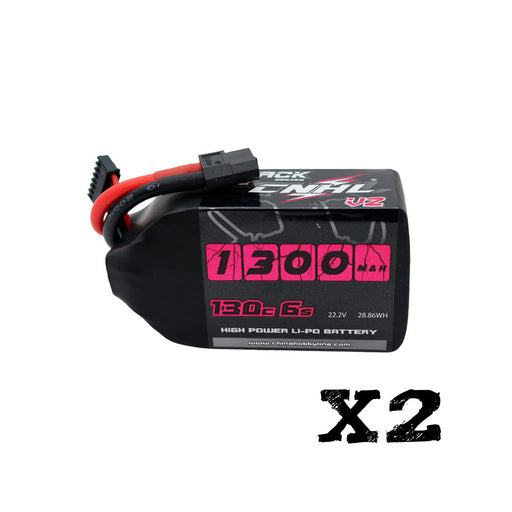
Hurtigt kompatibilitetstjek 2 pakker CNHL Black Series V2.0 1300mAh 22.2V 6S 130C LiPo-batteri med XT60-stik er et godt valg til FPV-piloter, der ø...
Se alle detaljerReservedele og langsigtet support Vi ved, at pålidelig support med reservedele er en vigtig del af at holde et RC-fly i luften i mange år. De...
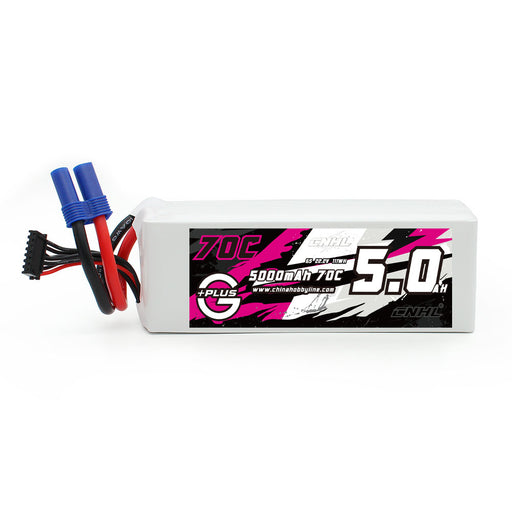
Se alle detaljerSpecifikationer: Lagernummer: 500706EC5 Kapacitet: 5000mAh Spænding: 22.2V / 6-celle / 6S1P Afladningshastighed: 70C kontinuerlig / 140C burst Op...
Se alle detaljer
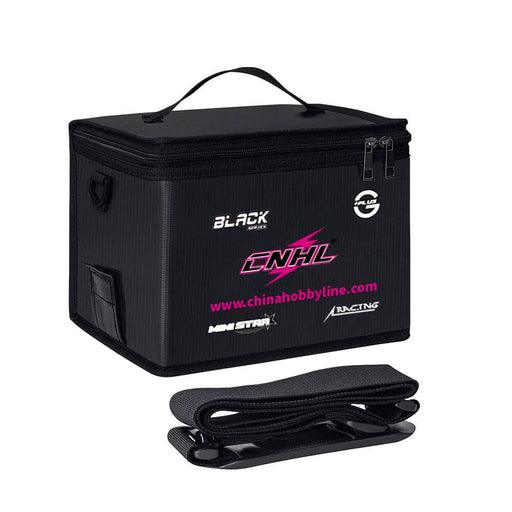
CNHL LiPo Battery Bag er designet til sikrere LiPo-opladning, transport og opbevaring derhjemme eller på feltet. Den tilføjer et praktisk beskyttel...
Se alle detaljer

Hurtig pasformskontrol De 2 pakker CNHL Speedy Pizza Series Pro 1350mAh 6S 150C LiPo batterier med XT60 stik er bygget til 5-tommer FPV-piloter...
Se alle detaljer

Hurtigt pasformstjek CNHL Speedy Pizza-serien 2200mAh 22.2V 6S 120C LiPo-batteri med XT60-stik kombinerer det velkendte 2200mAh 6S-format med en l...
Se alle detaljer

Hurtigt kompatibilitetstjek CNHL Speedy Pizza Series 2200mAh 14.8V 4S 120C LiPo-batteriet med XT60-stik kombinerer et udbredt 2200mAh 4S-format me...
Se alle detaljer

Hurtigt pasformstjek CNHL Speedy Pizza Series 2200mAh 11.1V 3S 120C LiPo-batteriet med XT60-stik bruger det velkendte 3S 2200mAh-batteriformat til...
Se alle detaljerCNHL Long Range Series BAK 65E 6350mAh 21700 Li-ion-battericellen er bygget op omkring én klar prioritet: maksimal lagret energi fra en let cylindr...
Se alle detaljer

CNHL Long Range Series BAK 50D 5000mAh 21700 Li-ion-battericellen er designet til specialbyggede højenergi-batteripakker, der kræver en god balance...
Se alle detaljer




Efterlad en kommentar