
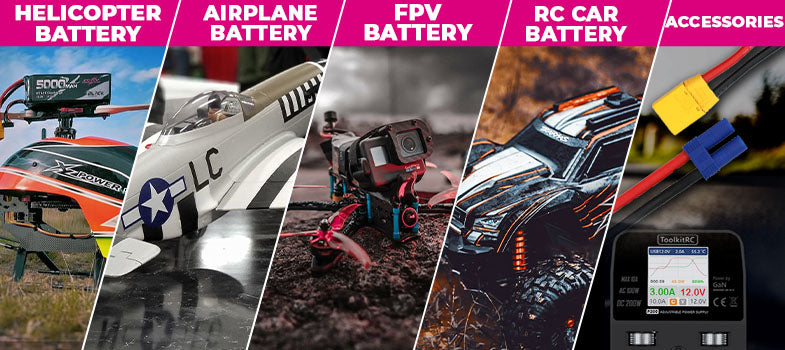
CNHL Lipo Batteries
CNHL aim at providing high-quality Li-Po batteries and RC products to all hobby enthusiasts with excellent customer services and competitive prices
LiPo vs LiFe is one of those topics that gets people into trouble because the packs “seem close enough”… until they aren’t. In RC, the right choice depends less on hype and more on what you’re powering: the whole model, or just the receiver system.
If you haven’t seen the full chemistry overview yet, this is the main hub article we’re building around: LiPo vs LiHV vs Li-ion vs LiFe Batteries Explained.

LiPo (Lithium Polymer) is popular in RC for one simple reason: it can deliver high current without feeling “lazy.” That translates into stronger throttle response, better punch-outs, and less frustration when you ask the system for power.

If you’re solving for everyday RC power packs, this is the shortest path: CNHL LiPo Batteries.
LiFe usually means LiFePO4. In practical RC terms, LiFe packs are often chosen for receiver power because they’re steady and predictable. They’re not trying to win a drag race. They’re trying to keep your radio system happy, even when the model vibrates, the day is long, and the servos work hard.

If you’re building a gas/glow airplane (or you just want a dedicated receiver pack instead of sharing the main LiPo), you can browse our LiFe options here: CNHL LiFe Batteries.
This is where mistakes happen. The charger menu looks similar, but the targets are not.
Important RC note for receiver packs: A common LiFe receiver setup is 2S LiFe (about 6.6V nominal). That can be great for many modern receivers/servos, but not every servo is happy at higher voltage. If your servos are “standard voltage” and the manufacturer caps them at 6.0V, use a regulator or choose a setup that matches the servo rating. (This is one of those small details that saves you big headaches.)
Most modern hobby chargers can handle both chemistries, but you must select the correct mode. Don’t treat this as a “close enough” situation.

If you need a charger that supports proper chemistry modes and balancing, start here: LiPo Battery Chargers.
Both are lithium batteries and both deserve respect. The difference is that LiFe is generally more tolerant and stable in the kinds of receiver-pack situations where you want calm reliability, not peak output.
If you’re dealing with an old, swollen, or damaged LiPo and you’re not sure what “safe disposal” actually looks like, this is the companion guide: How to Safely Dispose of LiPo Batteries.
Here’s the simplest way to think about it:
No. LiFe usually means LiFePO4, which has a different voltage profile and charging target than typical Li-ion.
You shouldn’t. The charge targets are different (3.60V vs 4.20V per cell). Always select the correct chemistry mode on the charger.
Sometimes, but it depends on current draw and weight. In many performance-oriented electric setups, LiPo still wins because it handles high current better. LiFe shines most as a receiver pack or in applications that prioritize stability over punch.
Because the receiver/servo system is the one part you want to be boring and reliable. LiFe is often chosen to reduce drama: stable voltage, predictable behavior, and a strong reputation in receiver-pack use.
LiHV is basically a “higher top voltage” LiPo option (4.35V per cell). If that’s the chemistry you’re using, use the correct mode and follow the LiHV-specific guide: How to Charge and Store LiHV Batteries.
CNHL aim at providing high-quality Li-Po batteries and RC products to all hobby enthusiasts with excellent customer services and competitive prices
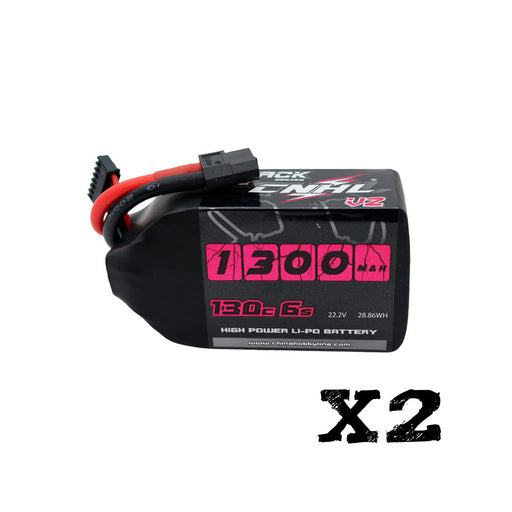
Quick Fit Check The 2 Packs CNHL Black Series V2.0 1300mAh 22.2V 6S 130C LiPo Battery with XT60 Plug is a strong fit for FPV pilots who want a prov...
View full detailsSpare Parts & Long-Term Support We know that for RC pilots, reliable spare parts support is an important part of keeping an aircraft fl...
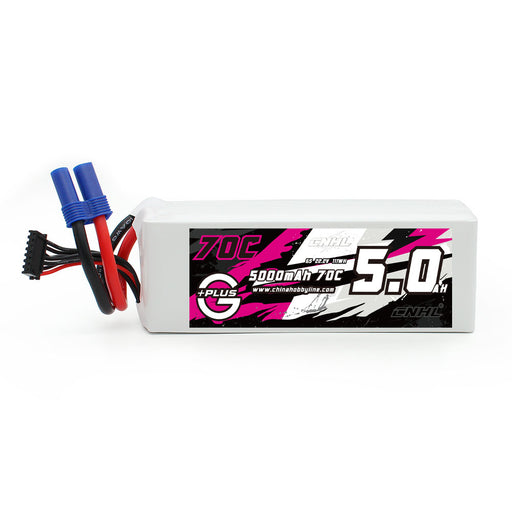
View full detailsSpecifications: Stock Number: 500706EC5 Capacity: 5000mAh Voltage: 22.2V / 6-Cell / 6S1P Discharge Rate: 70C Continual / 140C Burst Charge Rate: ...
View full details
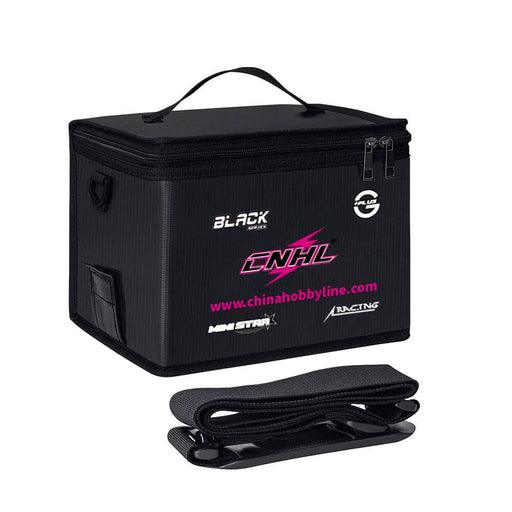
The CNHL LiPo Battery Bag is designed for safer LiPo charging, transport, and storage at home or at the field. It adds a practical layer of protect...
View full detailsQuick Fit Check The 2 Packs CNHL Speedy Pizza Series Pro 1350mAh 6S 150C LiPo Battery with XT60 Plug is built for 5-inch FPV pilots who want a ...
View full details

The CNHL Long Range Series BAK 65E 6350mAh 21700 Li-ion battery cell is built around one clear priority: maximum stored energy from a lightweight c...
View full details

The CNHL Long Range Series BAK 50D 5000mAh 21700 Li-ion battery cell is designed for custom high-energy battery packs that need a strong balance be...
View full details

The ISDT C4 EVO is a versatile smart battery charger built for AA, AAA and cylindrical rechargeable cells from compact 10440 batteries all the way ...
View full details

The CNHL Long Range Series 6350mAh 21.6V 6S1P 21700 Li-ion battery combines six BAK 65E high-energy cells into a 137.16Wh pack designed for ultra-e...
View full details

The CNHL Long Range Series 5000mAh 21.6V 6S1P 21700 Li-ion battery combines six BAK 50D cells into a compact 108Wh pack designed around long-range ...
View full details




Leave a comment