
Batterie LiPo CNHL
CNHL mira a fornire batterie Li-Po di alta qualità e prodotti RC a tutti gli appassionati di hobby con un eccellente servizio clienti e prezzi competitivi
L'FMS J11 Twin 70mm EDF non è il jet elettrico più facile, leggero o dalla maggiore autonomia della sua categoria. Ed è anche per questo che i piloti EDF esperti lo trovano così interessante. Combina una grande cellula in stile Flanker, doppie ventole a 12 pale, carrelli retrattili dettagliati, stabilizzatori completamente mobili e un sistema con una sola batteria 6S, in un aeromodello dall'aspetto e dal sound convincenti sia sulla pista sia in volo.
L'FMS J 11 premia i piloti che amano gestire velocità, potenza ed energia in avvicinamento, invece di limitarsi a portare un leggero jet sportivo da una parte all'altra del cielo. Ha una presenza reale, ma questa presenza comporta tempi di volo brevi, un carico significativo sulla batteria e la necessità di pianificare gli atterraggi con disciplina.
Questa guida va oltre la scheda tecnica per spiegare come si comporta realmente l'FMS J11, di quale pista ha bisogno, perché il timer della batteria è così importante e come scegliere tra pacchi più leggeri da 5000 mAh e opzioni LiHV leggere ad alta capacità.

| Apertura alare | 1110 mm |
| Lunghezza complessiva | 1640 mm |
| Peso in volo | Circa 4380 g |
| Sistema EDF | Doppie ventole intubate da 70 mm a 12 pale |
| Motori | Doppi motori inrunner 3060-KV1900 |
| ESC | Doppi ESC da 80 A |
| Batteria consigliata | 6S 5000–6000 mAh, 50C o superiore |
| Connettore della batteria | EC5 |
| Centro di gravità | 145–150 mm |
| Livello di esperienza | Intermedio |
Con una lunghezza di 1640 mm e un peso pronto al volo di circa 4,38 kg, l'FMS J11 appare più imponente di quanto la sua apertura alare di 1110 mm possa far pensare. La fusoliera larga, i doppi scarichi ampiamente distanziati e gli stabilizzatori verticali alti gli conferiscono la presenza visiva tipica di un caccia della famiglia Flanker.
Queste dimensioni non si notano soltanto in volo. L'aeromobile occupa uno spazio considerevole in un veicolo, in laboratorio o in garage. Il muso magnetico contribuisce a ridurre la lunghezza per il trasporto, ma molti proprietari dovranno comunque rimuovere le ali o pianificare con attenzione come posizionare il modello in auto.
Il modello include otto elementi di armamento amovibili, luci LED di navigazione e di atterraggio, portelli del carrello sequenziali, un aerofreno dorsale funzionante, dettagli curati dell'abitacolo e un carrello completamente ammortizzato. Questi dettagli rendono l'aeromodello altrettanto impressionante durante il rullaggio, il decollo e i passaggi a bassa quota.

Uno dei maggiori vantaggi della configurazione dell'FMS Twin 70mm EDF J 11 è il sistema di alimentazione con una sola batteria. I jet EDF bimotore più grandi richiedono spesso due pacchi 6S abbinati per ogni volo. Il J11 alimenta entrambe le ventole con una sola batteria 6S EC5, riducendo il numero di pacchi da caricare, trasportare e mantenere.
Questa praticità non deve essere confusa con un basso consumo della batteria. Entrambe le ventole da 70mm sono alimentate dallo stesso pacco, e un uso prolungato ad alto regime può scaricare rapidamente una batteria da 5000mAh. Il carico combinato rende inoltre più importanti la stabilità della tensione, le condizioni dei connettori e la temperatura della batteria rispetto a quanto avverrebbe su un aereo più leggero con una singola ventola.
Le ventole biventola a 12 pale producono un suono più pieno e fluido rispetto ai sistemi EDF più datati con un numero ridotto di pale. Durante un passaggio veloce, l’aereo produce più un sibilo simile a quello di una turbina e meno il caratteristico suono acuto da “asciugacapelli” associato ai vecchi jet elettrici.
L’J11 dà una sensazione di peso positiva e realistica. Mantiene l’inerzia nelle virate e nei passaggi e risulta più convincente quando viene fatto volare seguendo linee ampie e deliberate, invece di costringerlo continuamente a eseguire piccole manovre da jet sportivo.
Una volta in volo, in condizioni normali circa il 50–60% del gas può essere sufficiente per una crociera fluida, anche se la potenza necessaria varia in base al peso della batteria, agli armamenti esterni, alla temperatura e al vento. Il massimo del gas consente passaggi ad alta velocità e buone prestazioni in verticale, ma l’uso frequente della massima potenza riduce rapidamente la finestra di volo sicura.
Gli stabilizzatori completamente mobili offrono una notevole autorità sul beccheggio. L’aereo può eseguire tonneau, ampi looping e brusche variazioni di assetto, ma i piloti devono prestare attenzione a non impostare un’escursione eccessiva dell’elevatore. Un assetto con coda pesante o un movimento troppo ampio degli stabilizzatori può rendere l’aereo estremamente sensibile durante la richiamata in atterraggio.
Senza stabilizzazione, la cellula può comunque volare in modo fluido nelle mani di un pilota esperto. Un ricevitore dotato di giroscopio adatto può aiutare a ridurre il rollio delle ali o ad aumentare la sicurezza durante gli avvicinamenti con raffiche di vento, ma non deve essere usato per mascherare un baricentro errato, un’escursione eccessiva dei comandi o una gestione inadeguata della velocità.

Durante un volo con GPS installato, l’FMS J11 Twin 70mm EDF ha raggiunto circa 162km/h. Si tratta di un utile riferimento in condizioni reali, non di una velocità massima fissa, poiché il risultato finale varia in base alla tensione della batteria, alle condizioni del pacco, al vento, alla temperatura, al peso dell’aereo e alla quantità di armamenti esterni installati.
L’J11 dà una sensazione di velocità non solo per quella registrata, ma anche per le sue dimensioni e la sua inerzia. Attraversa rapidamente una vasta porzione di cielo, soprattutto durante i passaggi a bassa quota e le lunghe percorrenze a tutto gas. La finitura grigio scuro può inoltre diventare più difficile da distinguere quando l’aereo si allontana, quindi è consigliabile farlo volare seguendo una traiettoria chiara e prevedibile e mantenerlo entro una distanza visiva confortevole.
Per la maggior parte dei piloti, un indicatore delle prestazioni più utile è la capacità dell’aeromodello di mantenere la velocità nelle virate ampie, nelle salite verticali e nei passaggi in scala. Volare ripetutamente a piena potenza riduce rapidamente l’autonomia utilizzabile della batteria, quindi le prove di velocità dovrebbero essere bilanciate con una crociera a potenza moderata e con una preparazione anticipata dell’atterraggio.
FMS indica una durata di volo approssimativa di quattro minuti, ma il timer sicuro dipende fortemente dalla capacità della batteria, dall’uso del gas, dalle condizioni meteorologiche e dalla configurazione dell’aeromodello. Un pacco più leggero da 5000 mAh può consentire un volo piacevole, ma lascia meno riserva per il circuito di atterraggio rispetto alle opzioni più grandi illustrate in questa guida.
Con una batteria 6S da 5000–5200 mAh, circa tre minuti sono un punto di partenza ragionevole per un volo con uso misto del gas. Passaggi ripetuti a piena potenza, salite verticali o l’utilizzo con temperature elevate possono richiedere un atterraggio anticipato. Un pacco da 5500–6200 mAh offre generalmente maggiore flessibilità e può consentire circa tre minuti o tre minuti e mezzo, a seconda dell’intensità con cui viene pilotato l’aeromodello.
La leggera CNHL Lightning LiHV 7200 mAh 6S è più adatta a un obiettivo di volo di circa quattro minuti, perché offre il 20% di capacità nominale in più rispetto a un pacco da 6000 mAh, mantenendo al contempo un peso vicino a quello di molte batterie 6S convenzionali da 6000 mAh. Questa capacità aggiuntiva è particolarmente utile sull’FMS J11, perché offre più tempo per preparare l’atterraggio e per un’eventuale riattaccata, senza il peso eccessivo normalmente associato a un pacco standard da 7200 mAh.
Usa questi valori come impostazioni iniziali del timer, non come durate di volo garantite. Dopo ogni primo volo, controlla la tensione della cella a terra, la temperatura della batteria e la capacità reintegrata durante la ricarica, quindi regola gradualmente il timer in base al tuo stile di utilizzo del gas, alle condizioni meteorologiche e alla configurazione dell’aeromodello.
| Configurazione della batteria | Timer iniziale consigliato | Avvicinamento all’atterraggio |
|---|---|---|
| 5000–5200 mAh | Circa 3:00 | La scelta migliore per una configurazione più leggera e reattiva. Inizia il circuito di atterraggio prima che scada il timer quando utilizzi frequentemente la massima potenza. |
| 5500–6200 mAh | Circa 3:00–3:30 | Un’autonomia equilibrata per l’uso quotidiano, con maggiore riserva per il volo in scala, gli armamenti esterni e il circuito di atterraggio. |
| LiHV 6700 mAh | Circa 3:30–4:00 | Un’opzione leggera ad alta capacità che aggiunge una riserva utile mantenendo il peso installato pratico. |
| LiHV 7200 mAh | Circa 4:00 | La scelta migliore per un obiettivo di quattro minuti, con una riserva aggiuntiva per l’atterraggio e l’eventuale riattaccata rispetto ai pacchi standard da 5000–6000 mAh. |
Importante: il timer dovrebbe comunque essere abbreviato per voli prolungati ad alta velocità, manovre verticali ripetute, temperature ambiente elevate o una batteria usurata. Non continuare a volare solo perché il timer non è ancora scaduto, se la telemetria o le prestazioni dell’aeromodello indicano che la tensione sta diminuendo.
Il timer resta utile, ma la telemetria della tensione fornisce un avviso più chiaro quando la batteria si sta esaurendo più rapidamente del previsto. Gli annunci della tensione del pacco o gli allarmi di bassa tensione possono segnalare una giornata calda, una batteria usurata o un volo insolitamente aggressivo prima che l’aeromobile raggiunga il circuito finale.
L’approccio più sicuro combina diversi strumenti:
Il J11 può planare, ma non offre la stessa flessibilità in atterraggio a motore spento di un aereo a elica leggermente carico. Quando la tensione cala rapidamente, le opzioni disponibili si riducono in fretta.
I missili e i carichi esterni rimovibili sono una parte importante dell’aspetto in scala dell’FMS J11. Installati, fanno apparire l’aereo più completo durante il rullaggio, i passaggi con il carrello estratto e le fotografie. Molti piloti accettano una lieve penalizzazione delle prestazioni perché il risultato estetico ne vale la pena.
La rimozione degli armamenti riduce la resistenza e il peso, migliora la luce da terra e diminuisce il rischio di danni durante un atterraggio fuori pista. Per questo la configurazione pulita è la scelta migliore per il primo volo, una prova di velocità o le operazioni su ghiaia ed erba sconnessa.
Una strategia pratica di utilizzo è semplice: volare senza carichi esterni mentre si mette a punto l’aeromobile e la configurazione della batteria, quindi reinstallare gli armamenti quando il comportamento in decollo, il timer e l’atterraggio risultano prevedibili.

L’FMS J 11 non è un jet in espanso adatto alle piste corte. Il peso, le ruote di dimensioni contenute e la configurazione bimotore EDF con un solo pacco batteria richiedono una lunga traiettoria di decollo liscia. Un assetto leggermente picchiato può dare una sensazione rassicurante al primo volo, ma un bilanciamento eccessivamente avanzato aumenta la distanza di rotazione e può rendere l’aereo restio a staccarsi dalla pista.
Sono preferibili superfici asfaltate o sottoposte a manutenzione accurata. La ghiaia crea un rischio di corpi estranei, poiché i sassi possono essere aspirati verso le prese d’aria inferiori e le unità EDF. L’erba alta aumenta la resistenza al rotolamento, incrementa l’energia utilizzata prima del decollo e può danneggiare i carichi esterni.
I grandi cuscinetti delle ruote, le sospensioni e il robusto sistema retrattile sono caratteristiche preziose, ma non trasformano il modello in un addestratore per terreni accidentati. Più la pista è pulita e lunga, maggiore sarà il margine di sicurezza.
L’J11 non dispone dei convenzionali flap d’atterraggio. Utilizza invece un aerofreno dorsale funzionale. L’aerofreno contribuisce all’esperienza in scala e può aiutare a gestire l’energia, ma il suo effetto è limitato rispetto a un ampio sistema di flap.

L’avvicinamento all’atterraggio dovrebbe quindi essere pianificato tramite motore, assetto e distanza, invece di affidarsi all’aerofreno per rimediare a un avvicinamento troppo veloce o troppo alto.
Estendi per tempo il carrello d’atterraggio a movimento lento e verifica che sia completamente abbassato prima di virare sul finale. Mantieni potenza sufficiente per controllare la discesa, quindi riducila gradualmente quando l’aeromodello entra nella richiamata. Gli stabilizzatori completamente mobili offrono una buona autorità sul beccheggio, ma un comando improvviso dell’elevatore può provocare un rimbalzo o un rapido cambiamento di assetto.
Soprattutto, non utilizzare la batteria residua per ripetuti tentativi di riattaccata. Un atterraggio sicuro, anche se leggermente imperfetto, è preferibile a un altro circuito effettuato con una riserva di tensione insufficiente.
FMS consiglia una batteria 6S da 5000–6000mAh con una capacità di scarica di almeno 50C e un connettore EC5. Questa fascia è un valido punto di riferimento, ma non deve essere considerata un limite assoluto di capacità.
L’idoneità della batteria dipende da più fattori, non solo dalla capacità. I fattori importanti sono:
Le batterie LiPo convenzionali ad alta capacità spesso diventano significativamente più pesanti all’aumentare della capacità. Le batterie LiHV leggere CNHL Lightning cambiano questo rapporto. Una batteria LiHV di maggiore capacità può rimanere nella stessa classe di peso generale di una LiPo convenzionale più piccola, rendendo pratica una capacità superiore alla fascia nominale indicata dal manuale.
Scopri le batterie 6S consigliate per l’FMS J11 Twin 70mm EDF.
Una batteria 6S da 5000mAh o 5200mAh è quella più vicina alla configurazione FMS standard. Il peso installato inferiore aiuta l’aeromodello a staccarsi più facilmente e rende i comandi degli stabilizzatori più reattivi.
Questa fascia è adatta ai piloti che danno priorità alle prestazioni e sono disposti a usare un timer rigoroso. È anche il punto di partenza logico per il primo volo, perché l’aeromodello rimane più vicino al carico previsto dal manuale.
Questa fascia intermedia aggiunge una riserva utile senza allontanarsi troppo dalla raccomandazione convenzionale. Funziona bene per ampie escursioni di scala, pieno carico di armamento e per i piloti che desiderano maggiore flessibilità durante il circuito di atterraggio.
La capacità aggiuntiva non garantisce un volo di quattro minuti. Il clima caldo, le ripetute salite verticali o l’uso aggressivo del motore possono comunque ridurre l’autonomia effettiva a circa tre minuti e mezzo.
La CNHL Lightning LiHV 7200mAh 6S 120C con EC5 è un abbinamento particolarmente valido per l’FMS J11. Le sue dimensioni di circa 149 × 52 × 50mm si adattano bene allo spazio disponibile per la batteria, mentre il peso di circa 800g è paragonabile a quello di molte batterie LiPo 6S convenzionali da 6000mAh.
Ciò consente al J11 di trasportare una capacità nominale maggiore senza il severo aggravio di peso normalmente previsto per un pacco da 7000mAh. Se posizionata correttamente, rimane pratica per ottenere il CG pubblicato e offre una preziosa riserva di energia per un bimotore EDF esigente in termini di batteria.
La Lightning LiHV da 6700mAh segue la stessa strategia con una capacità leggermente inferiore. Entrambe le opzioni dovrebbero essere scelte perché dimensioni e peso sono compatibili con l’aeromodello, non semplicemente perché il vano batteria è grande.
Una LiPo 6S ha una tensione nominale di 22.2V e normalmente viene caricata a 4.20V per cella. Una LiHV 6S ha una tensione nominale di 22.8V e può essere caricata fino a 4.35V per cella quando l’intero sistema di alimentazione supporta la tensione più elevata a piena carica.
Il motivo principale per prendere in considerazione un pacco Lightning LiHV per l’FMS J11 non è semplicemente la tensione più elevata. Il vantaggio più importante è la combinazione di capacità e peso ridotto.
Una batteria LiHV può anche essere caricata al limite standard di 4.20V per cella delle LiPo. Ciò garantisce una tensione più conservativa mantenendo i vantaggi fisici e di peso del pacco, anche se non verrà utilizzata l’intera capacità nominale LiHV.
Prima di caricare a 4.35V per cella, verifica che entrambi gli ESC e ogni componente di bordo pertinente supportino la tensione massima risultante. La sola dicitura “6S” non conferma sempre la piena compatibilità con LiHV.
Alcuni piloti esperti spostano il CG dell’FMS J11 dietro la posizione pubblicata per migliorare la rotazione, ridurre la potenza necessaria in crociera o facilitare le manovre in stile Cobra. Questi assetti possono anche rendere l’elevatore molto più sensibile e ridurre il margine di sicurezza durante l’atterraggio.
Il punto di partenza corretto rimane il CG di 145–150 mm pubblicato. Un assetto per il primo volo leggermente picchiato è più prevedibile rispetto a un bilanciamento arretrato sperimentale. La posizione della batteria dovrebbe essere regolata solo dopo diversi voli riusciti e con una chiara comprensione di come la modifica influisca sulla risposta al beccheggio e sul comportamento in atterraggio.
Non aggiungere peso in coda semplicemente per compensare una batteria inutilmente pesante. Una batteria più leggera con la stessa capacità o una capacità maggiore è solitamente una soluzione più efficace rispetto ad aumentare il peso complessivo dell'aeromodello su entrambe le estremità.
L'FMS J11 viene fornito come aeromodello PNP con motori, ESC, servi e sistema dei carrelli retrattili installati. Trasmettitore, ricevitore, batteria di volo e caricabatterie devono essere aggiunti separatamente.
L'assemblaggio iniziale è semplice, ma richiede attenzione. Le ali principali scorrono sul longherone, si collegano al cablaggio della fusoliera e vengono fissate con viti. Devono inoltre essere installati o controllati gli stabilizzatori verticali, gli stabilizzatori orizzontali completamente mobili, i rinvii dei comandi, le alette ventrali, il musetto magnetico e i carichi esterni.
Prima di ogni sessione di volo:
No. L'FMS J11 è ufficialmente destinato ai piloti di livello intermedio, e ciò è appropriato. È grande, veloce, costoso da riparare e impegnativo sia per la gestione della batteria sia per la pianificazione della pista.
Il pilota dovrebbe già sentirsi a proprio agio con jet EDF dotati di carrelli retrattili, avvicinamenti rapidi all'atterraggio, timer di volo brevi e decisioni di riattaccata. Un EDF più piccolo e più indulgente è un punto di partenza migliore per imparare a gestire l'orientamento, il motore e l'energia.
Il J11 dà le maggiori soddisfazioni come modello di passaggio per un pilota che capisce perché un timer da tre minuti possa essere più importante di un'impressionante velocità massima.
| Punti di forza | Aspetti da considerare |
|---|---|
| Presenza scenica imponente e convincente | Tempo di volo pratico ridotto |
| Suono degli EDF bimotore a 12 pale | Elevato carico su una singola batteria |
| Praticità di una singola batteria 6S | Richiede un uso disciplinato del timer |
| Carrelli retrattili, luci e armamento dettagliati | Richiede una pista lunga e libera |
| Comportamento stabile in stile riproduzione | Ingombro notevole per trasporto e stoccaggio |
| Ampia gamma di batterie 6S pratiche | Non adatto come primo EDF |
FMS consiglia una batteria 6S da 5000–6000 mAh con una capacità di scarica di almeno 50C e un connettore EC5. Anche i pacchi LiHV CNHL leggeri oltre 6000 mAh possono essere pratici quando dimensioni, peso, tensione e baricentro installato sono adeguati.
Una previsione iniziale realistica è di circa tre minuti con una batteria da 5000mAh. Una batteria da 6000–6200mAh può aggiungere una riserva utile, ma il tempo di volo dipende ancora molto dall'uso del motore, dalla temperatura, dagli armamenti esterni e dalle condizioni della batteria.
Sì. La batteria CNHL Lightning LiHV 7200mAh 6S pesa circa 800g e misura approssimativamente 149 × 52 × 50mm, risultando comparabile in peso a molte batterie convenzionali da 6000mAh e particolarmente adatta all'J11.
No. La cellula può volare stabilmente senza stabilizzazione nelle mani di un pilota esperto. Un ricevitore dotato di giroscopio può comunque aumentare la sicurezza in condizioni ventose, ma il corretto baricentro, l'escursione dei comandi e l'esperienza del pilota restano più importanti.
Può operare su erba corta e regolare, ma la cellula pesante e il sistema EDF bimotore traggono vantaggio da una pista lunga e ben mantenuta. L'erba alta aumenta la distanza di decollo e il consumo della batteria.
No. Utilizza un aerofreno dorsale funzionale invece dei convenzionali flap di atterraggio. L'aerofreno aggiunge dettagli in scala e consente una certa gestione dell'energia, ma il pilota deve comunque controllare la velocità di avvicinamento con il motore e la traiettoria di volo.
L'FMS J11 Twin 70mm EDF non è amato perché sia facile o efficiente. È amato perché sembra, suona e vola come un vero jet in scala. La configurazione con una sola batteria semplifica la preparazione rispetto a molti sistemi EDF bimotore più grandi, mentre il carrello di atterraggio dettagliato, le luci, gli armamenti e gli stabilizzatori completamente mobili creano un'esperienza convincente dal rullaggio all'atterraggio.
Il suo limite principale è altrettanto impossibile da ignorare: il volo è breve e la batteria deve essere trattata con rispetto. I piloti che impostano un timer prudente, usano la telemetria, scelgono la batteria considerando sia il peso sia la capacità e iniziano presto il circuito di atterraggio potranno divertirsi molto di più con questo aereo.
Per prestazioni standard, una batteria da 5000–5200mAh mantiene l'FMS J11 più leggero e reattivo. Una batteria da 5500–6200mAh offre un assetto equilibrato per l'uso quotidiano. Per i piloti che desiderano una maggiore riserva senza il peso di una LiPo convenzionale ad alta capacità, le leggere opzioni Lightning LiHV da 6700mAh e 7200mAh sono particolarmente adatte a questo affamato di energia EDF bimotore da 70mm.
Acquista le migliori batterie per il jet EDF FMS J11 Twin 70mm.
Scopri di più sulle batterie LiPo per jet EDF e sulle batterie CNHL per aerei RC.
CNHL mira a fornire batterie Li-Po di alta qualità e prodotti RC a tutti gli appassionati di hobby con un eccellente servizio clienti e prezzi competitivi

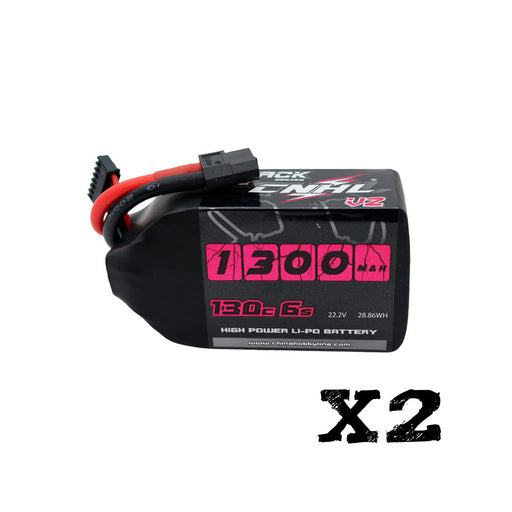
Verifica rapida della compatibilità Il prodotto confezione da 2 batterie LiPo CNHL Black Series V2.0 da 1300mAh 22,2V 6S 130C con connettore XT60 è...
Visualizza dettagli completiRicambi e supporto a lungo termine Sappiamo che, per i piloti di modelli radiocomandati, un supporto affidabile per i ricambi è fondamentale ...
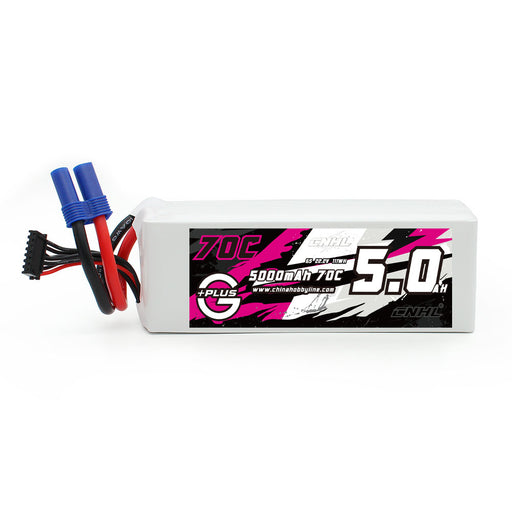
Visualizza dettagli completiSpecifiche: Numero di magazzino: 500706EC5 Capacità: 5000mAh Tensione: 22.2V / 6-Cell / 6S1P Velocità di scarica: 70C Continua / 140C Burst Veloc...
Visualizza dettagli completi
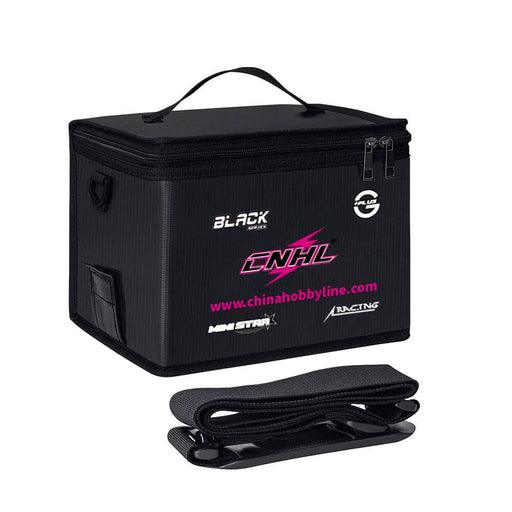
La borsa per batterie LiPo CNHL è progettata per una ricarica, trasporto e conservazione più sicuri delle LiPo a casa o sul campo. Aggiunge un live...
Visualizza dettagli completi

Controllo rapido della vestibilità Il pacchetto da 2 CNHL Speedy Pizza Series Pro 1350mAh 6S 150C LiPo con spina XT60 è progettato per piloti F...
Visualizza dettagli completi

Verifica rapida della compatibilità La batteria LiPo CNHL Speedy Pizza Series 2200mAh 22.2V 6S 120C con connettore XT60 combina il noto formato 22...
Visualizza dettagli completi

Verifica rapida della compatibilità La batteria LiPo CNHL Speedy Pizza Series da 2200mAh 14.8V 4S 120C con connettore XT60 combina un formato 4S d...
Visualizza dettagli completi

Verifica rapida della compatibilità La batteria LiPo CNHL Speedy Pizza Series 2200mAh 11.1V 3S 120C con connettore XT60 riprende il formato famili...
Visualizza dettagli completiLa cella cilindrica Li-ion CNHL Long Range Series BAK 65E da 6350mAh 21700 è progettata con una priorità ben precisa: massimizzare l'energia immaga...
Visualizza dettagli completi

La cella agli ioni di litio CNHL Long Range Series BAK 50D da 5000mAh 21700 è progettata per pacchi batteria personalizzati ad alta energia che ric...
Visualizza dettagli completi




Lascia un commento