


Best Battery Direction for the SEQURE SQFPV Rison5
The SEQURE SQFPV Rison5 is not a slow cruising FPV quad dressed up with racing language. It is a compact 5-inch racing-oriented drone with a light frame, steep flying posture, XT60 battery connector, and support for both 6S and 8S power systems. That makes the battery decision more important than usual, because the wrong pack can easily change how the drone feels in the air.
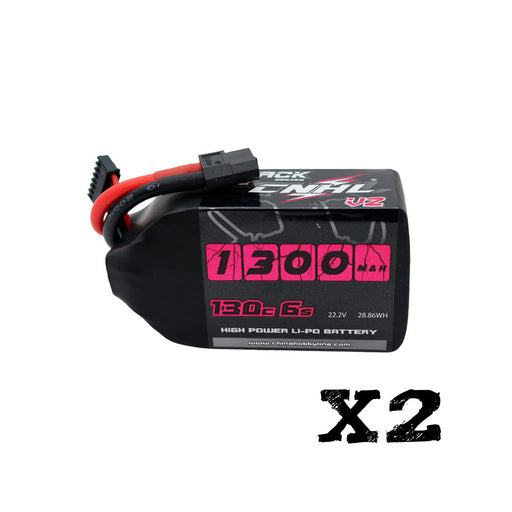
For CNHL, the strongest angle for this model is 8S. The Rison5 becomes most interesting when its lightweight 5-inch frame is paired with a high-voltage battery setup, especially around the 1300mAh range. That capacity sits close to the official 8S recommendation window while still keeping the drone sharp, responsive, and suitable for fast FPV racing practice.
Why 1300mAh Makes the Most Sense for 8S
On a 5-inch FPV racing drone, 8S is not just about adding more voltage and hoping the quad becomes faster. The real advantage comes from how the voltage, weight, motor load, propeller choice, and throttle response work together. A 1300mAh 8S LiPo or LiHV pack gives the Rison5 a strong high-voltage character without making the battery feel oversized for the frame.
This is why CNHL treats 1300mAh as the main 8S recommendation for the Rison5. It gives pilots the right balance between punch, usable flight time, and racing feel. Smaller 8S packs can feel very aggressive but may run out quickly under hard throttle. Larger packs can feel more stable, but they start moving the drone away from the light and sharp character that makes this kind of 5-inch racing build exciting.
| Setup | Recommended Use | CNHL Position |
|---|---|---|
| 8S 1300mAh LiPo / LiHV XT60 | Main 8S racing-focused setup | Best balance for Rison5 8S power, acceleration, and weight control. |
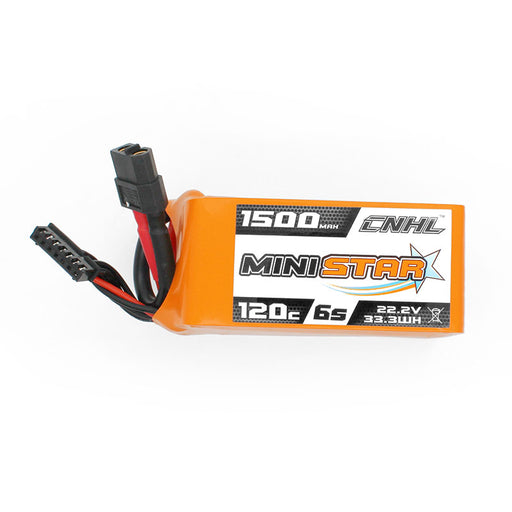
| 8S 1500mAh LiPo / LiHV XT60 | Optional heavier setup | Use only after checking battery space, strap fit, and CG. Better for pilots who prefer a more planted feel. |
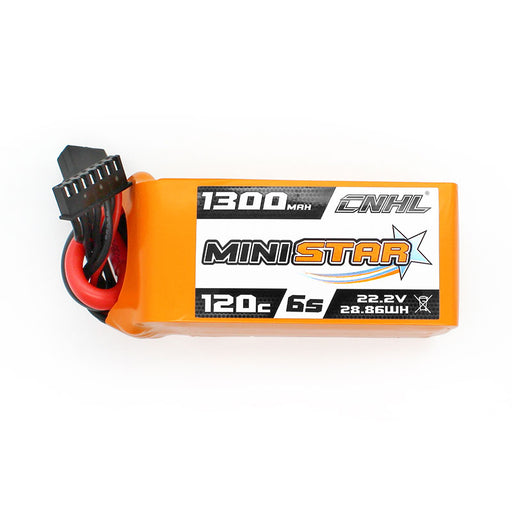
| 6S 1050–1200mAh XT60 | Lightweight 6S practice | Good for pilots who want a lighter, more responsive 6S setup. |
| 6S 1300–1400mAh XT60 | General 5-inch FPV racing use | The easier and more common choice for most 5-inch FPV pilots. |
8S Is Powerful, But It Should Be Chosen Carefully
The Rison5 can run 8S, but that does not mean every pilot should automatically choose the biggest 8S battery available. On this type of drone, too much battery weight can reduce the sharp racing feel that makes the frame interesting in the first place. The goal is not just more capacity. The goal is the right power-to-weight balance.
A 1300mAh 8S pack is the safest primary recommendation because it stays close to the intended battery window for this drone. A 1500mAh 8S pack can still be useful for pilots who want a slightly more planted feel or who are willing to trade some agility for extra capacity, but it should be treated as a fit-checked option rather than the default racing pack.
6S Remains the Easier Choice for Many Rison5 Pilots
Even though this collection is built around the 8S angle, 6S should not be ignored. A strong 6S XT60 pack is still the more familiar choice for most 5-inch FPV pilots. It is easier to manage, easier to tune around, and easier to match with existing FPV battery habits.
For pilots who are new to high camera angles, racing lines, or very fast 5-inch quads, 6S can be the better starting point. It still gives the Rison5 plenty of speed, but the throttle feel is less extreme than an 8S setup. Once the pilot is comfortable with the frame, the camera angle, and the way the drone carries speed, moving into 8S becomes much more meaningful.
XT60 Compatibility
The Rison5 uses an XT60 battery connector, which keeps battery matching straightforward. When choosing a pack from this collection, pilots should still check three things before flying: connector type, physical battery size, and final center of gravity after the pack is strapped in.
This is especially important for 8S. A battery may have the right voltage and connector, but if it is too long, too tall, or too heavy for the way the Rison5 carries its battery, it can affect handling. For a racing drone, the best battery is not always the largest one. It is the one that keeps the aircraft fast, predictable, and easy to place through a line.
Recommended Internal Links
For a deeper look at the aircraft itself, read our SEQURE SQFPV Rison5 review. Pilots building other FPV setups can also browse the broader CNHL FPV drone battery collection or compare more high-voltage options in the CNHL 8S LiPo battery collection.
FAQ
What is the best 8S battery capacity for the SEQURE SQFPV Rison5?
For the 8S version of the Rison5, CNHL recommends focusing on 1300mAh XT60 LiPo battery. This capacity gives a better balance between high-voltage acceleration, weight control, and racing-style handling.
Can I use a 1500mAh 8S battery on the Rison5?
A 1500mAh 8S battery may be possible for pilots who want a more planted feel, but it should not be treated as the default racing setup. Check battery dimensions, strap fit, prop clearance, and center of gravity before flying.
Is 8S better than 6S for the Rison5?
8S gives the Rison5 a more aggressive high-voltage character, especially in acceleration and throttle response. 6S is easier to manage, more familiar for most 5-inch FPV pilots, and usually the better starting point for general practice.
Does the Rison5 use an XT60 connector?
Yes, the Rison5 battery setup is based around an XT60 connector. Choose XT60 batteries to avoid unnecessary connector changes or adapters.