
































Battery Options Beyond the Major RC Car Brands
The RC car market extends far beyond the largest mainstream brands. Short-course trucks, competition platforms, large-scale GT cars, scale crawlers and specialty vehicles often use battery configurations that differ from the more familiar Traxxas, ARRMA or Losi setups.
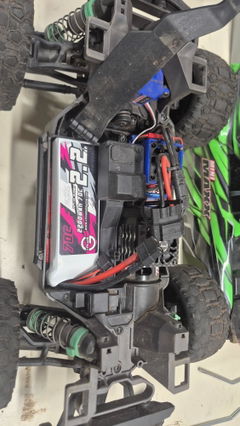
That is why this page is organized around the vehicle rather than assuming that one battery format works across an entire category. Some models use a single conventional LiPo pack, while others use dual battery trays, paired packs or unusually compact battery compartments.
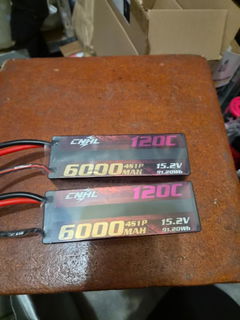
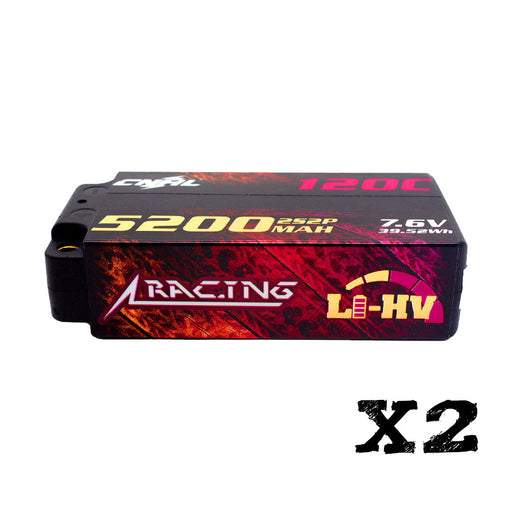
For example, an RC vehicle designed around two separate battery positions may be better matched with a pair of smaller packs rather than one large battery, even when the total system voltage is the same. Other platforms may place a higher priority on compact dimensions, hardcase construction or a specific connector arrangement.
Choose the Battery Around the Vehicle
When selecting a replacement or alternative RC car battery, start with the vehicle manufacturer's electrical requirements and the physical battery compartment.
| What to Check | Why It Matters |
|---|---|
| Voltage / Cell Count | The battery voltage must remain within the motor and ESC system's supported input range. |
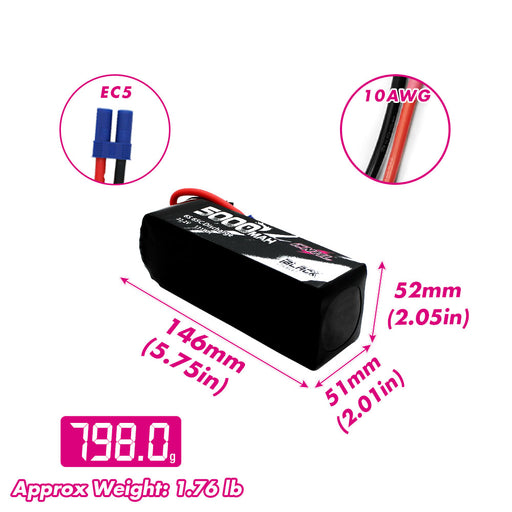
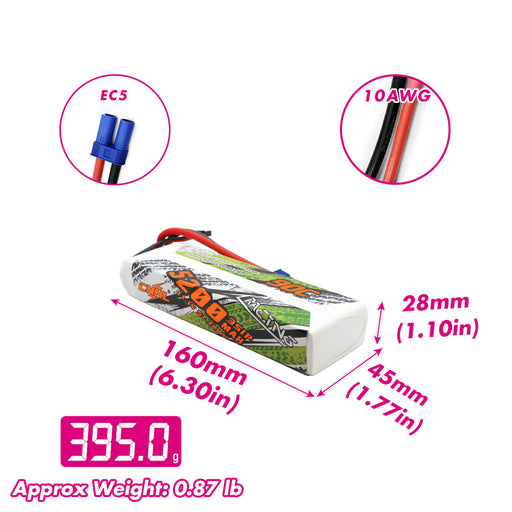
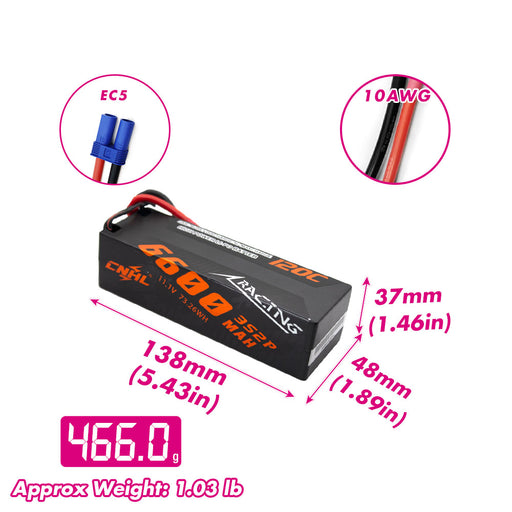
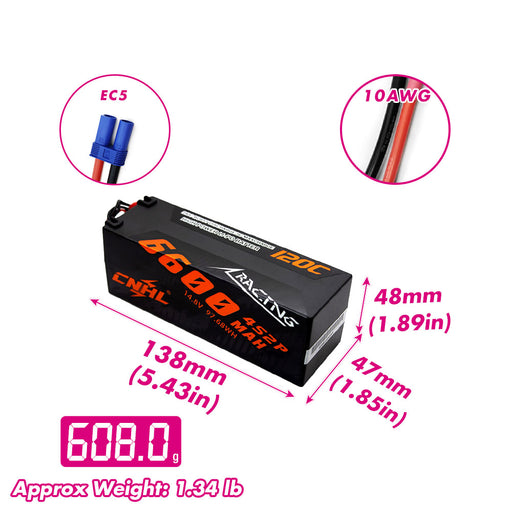
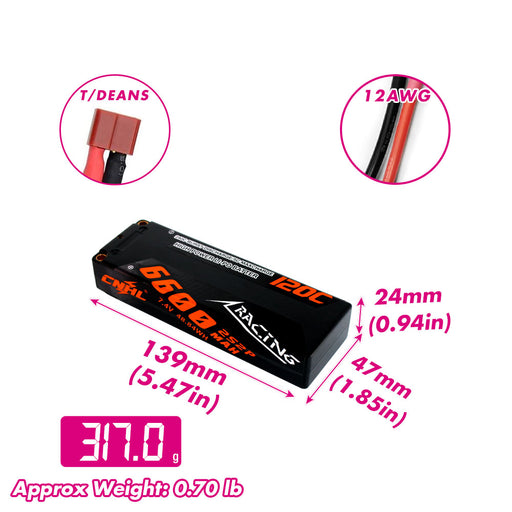
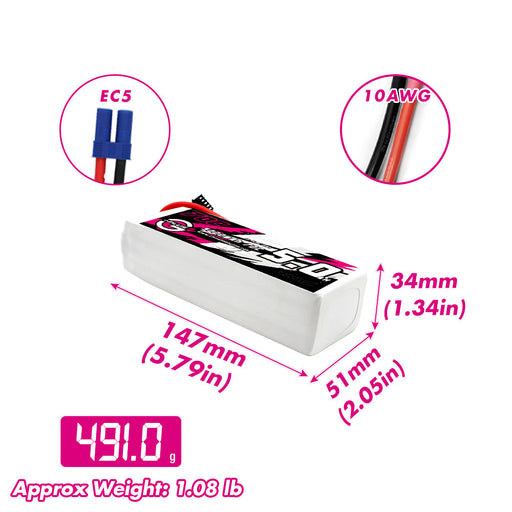
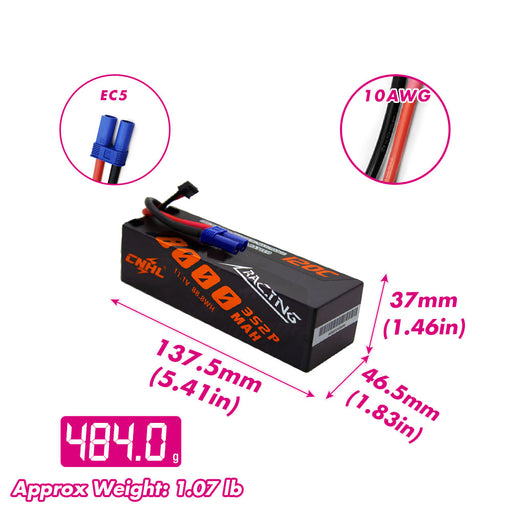
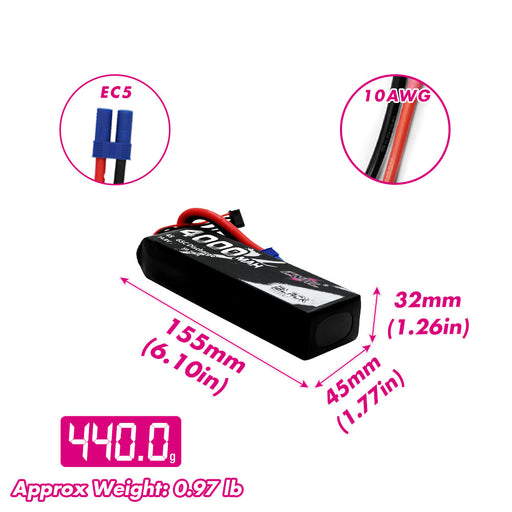
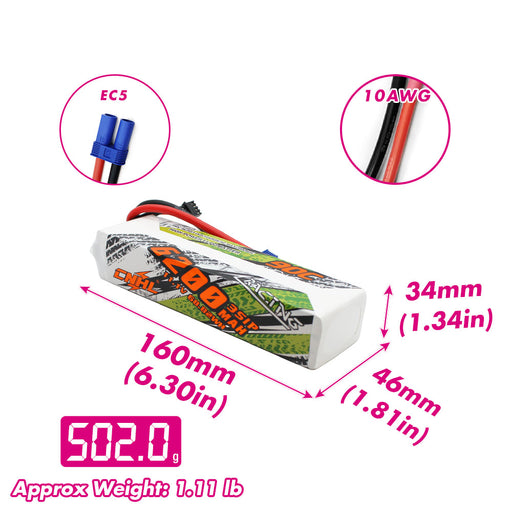
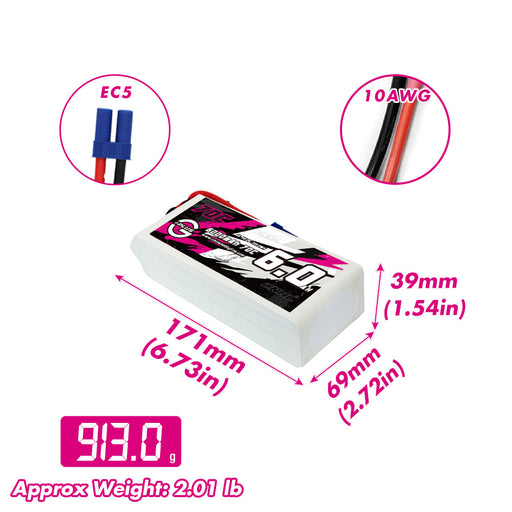
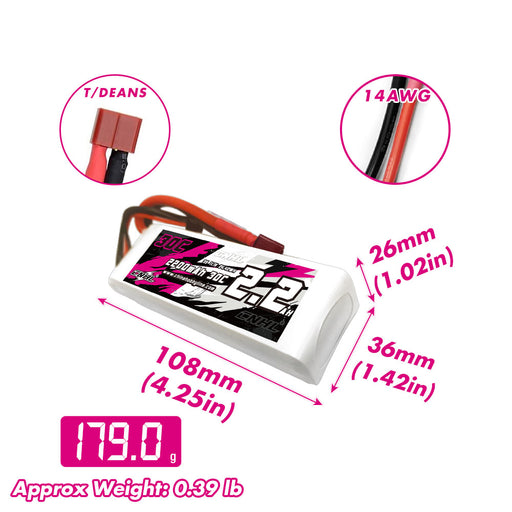
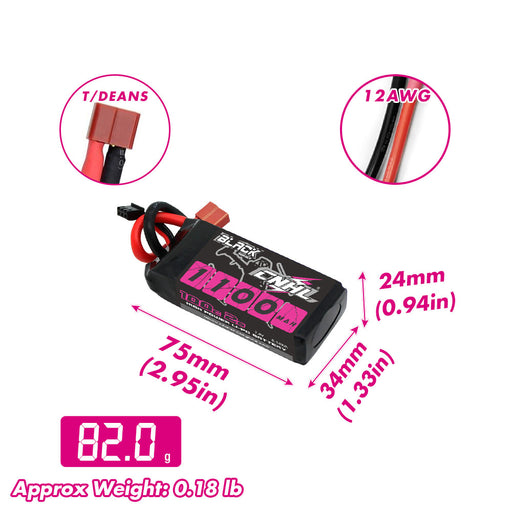
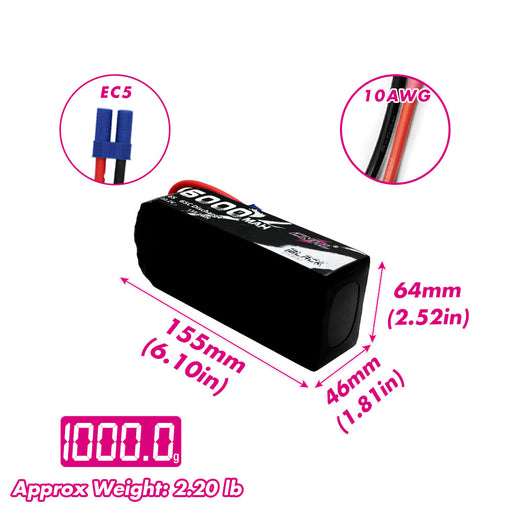
| Battery Dimensions | Length, width and height must fit the tray with enough clearance for straps, wires and the body. |
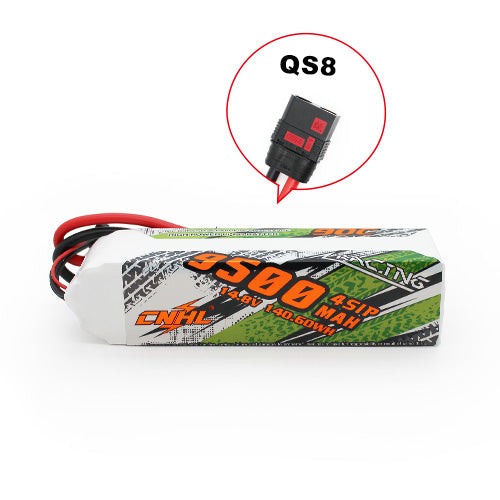
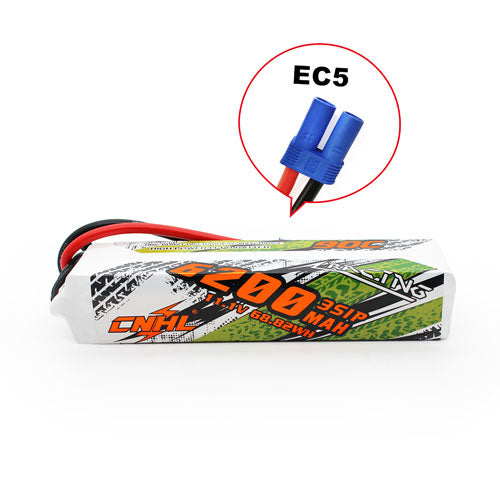
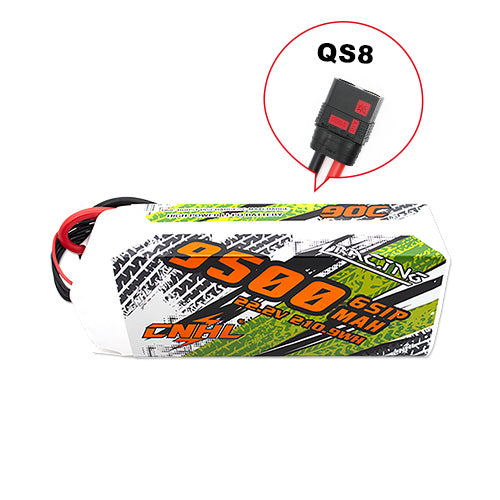
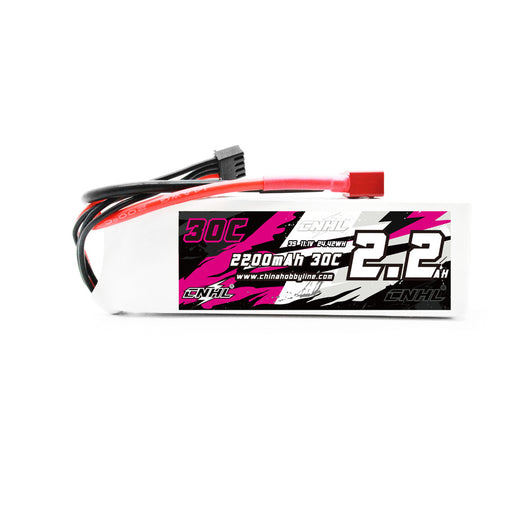
| Connector | Different vehicles may use EC5, IC5, XT60, XT90, QS8, T/Dean or another connector arrangement. |
| Pack Layout | Some RC cars use one battery while others require two packs connected in series or parallel. |
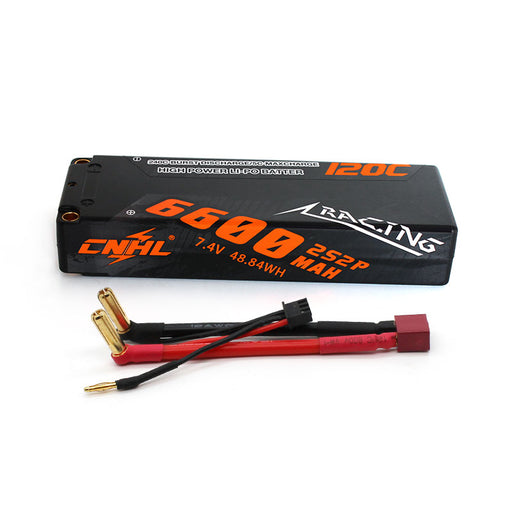
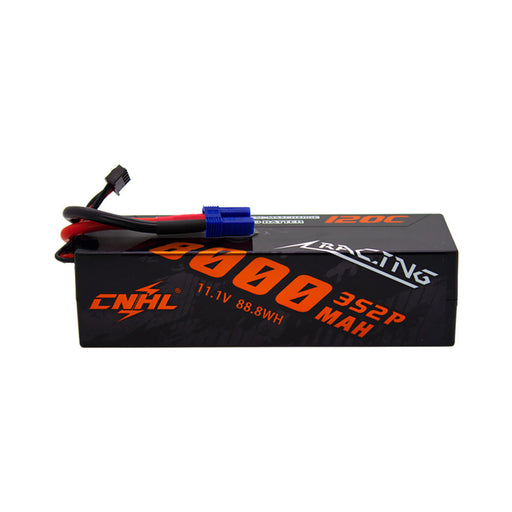
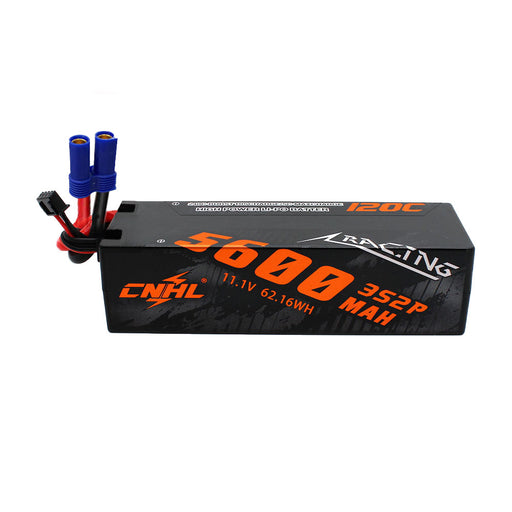
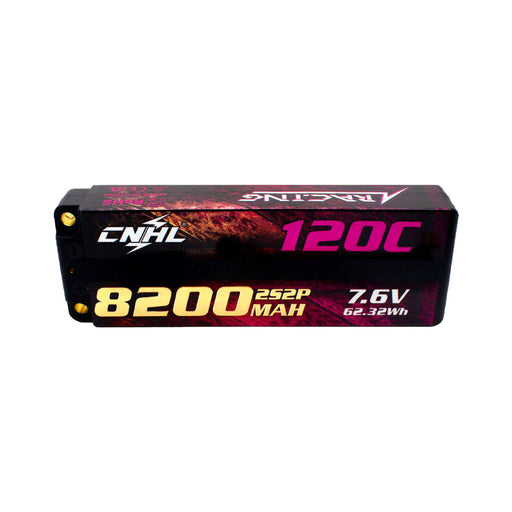
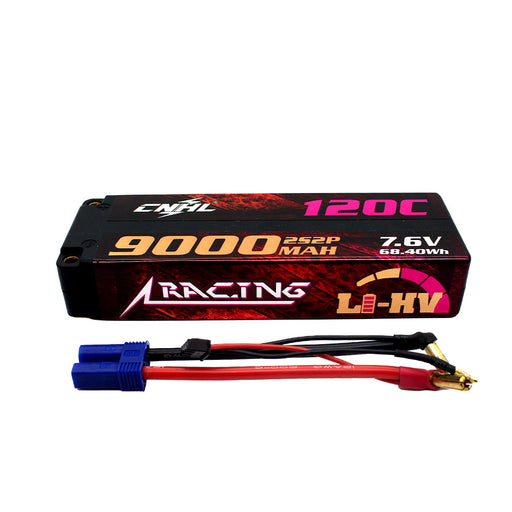
| Hardcase or Softcase | Competition and exposed chassis layouts may benefit from or require a hardcase battery format. |
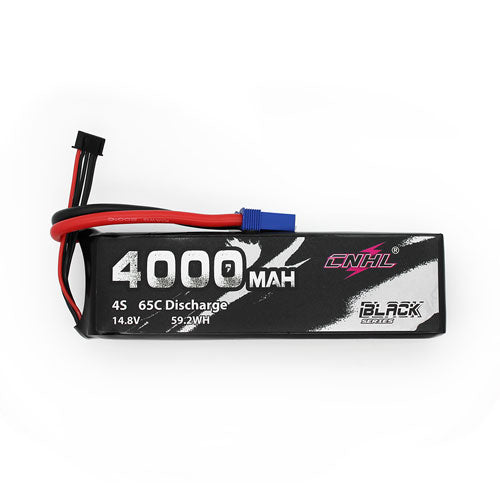
| Capacity & Weight | Higher capacity can extend runtime but can also add weight and alter chassis balance. |
Single-Pack and Dual-Pack RC Battery Systems
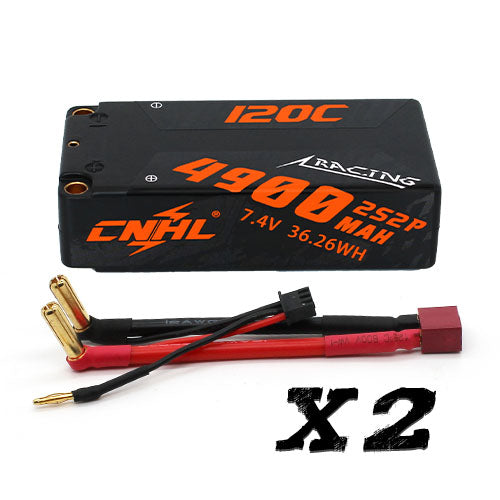
One of the most important differences between RC vehicles is how the batteries are arranged. A 4S vehicle, for example, does not necessarily use one 4S battery. Depending on the chassis, the same nominal system voltage could be supplied by two 2S packs connected in series.
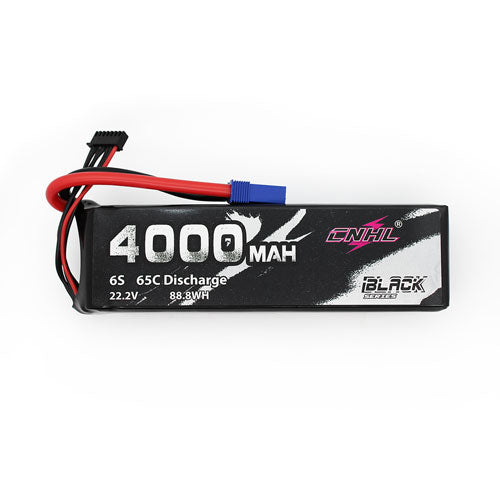
The same principle applies to higher-voltage platforms. Some 6S or 8S RC cars use a single battery, while others are designed around two separate packs. Always check the original wiring arrangement before replacing batteries or changing the pack configuration.
When two batteries are used together, they should normally be closely matched in capacity, chemistry, cell count, discharge capability, age and state of charge. Packs used as a pair should also be charged and maintained consistently.
RC Racing, Bashing, Crawling and Large-Scale Applications
Battery priorities can change significantly with the type of RC car.
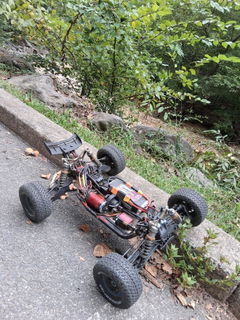
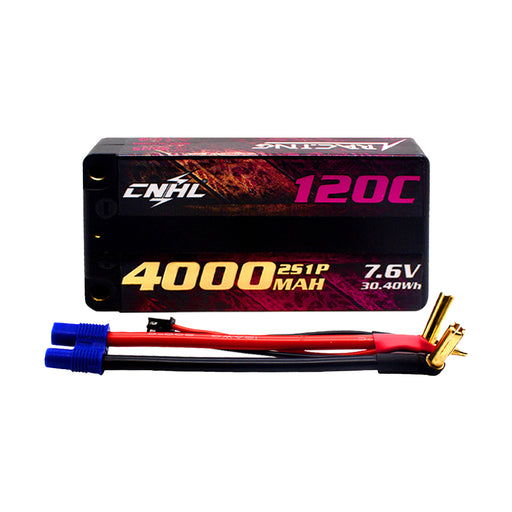
RC racing cars often place greater emphasis on hardcase construction, compact dimensions, low resistance and high-current performance. Shorty and low-profile battery formats may also be important depending on chassis layout and racing class.
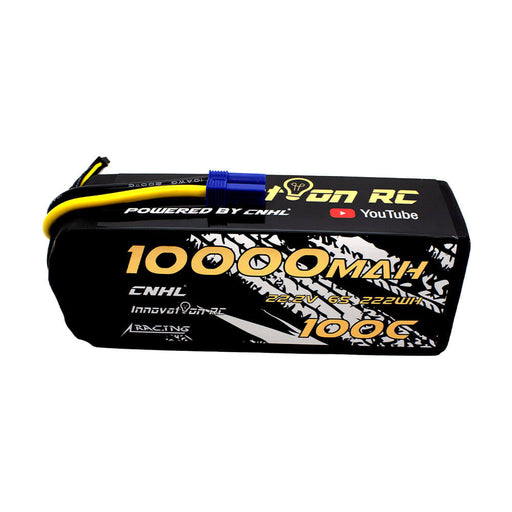
Bashers and high-power trucks may favor higher-capacity packs and robust high-current connectors, provided the additional battery size and weight remain suitable for the vehicle.
RC crawlers and scale trucks can have very different priorities. Battery placement and weight distribution may be just as important as capacity because changing battery mass can affect climbing behavior and chassis balance.
Large-scale electric RC cars may use physically larger battery trays, paired battery systems and higher-current power systems. In these applications, connector rating, wire clearance and secure battery retention become particularly important.
Connector Compatibility Still Needs to Be Checked
Finding a battery with the correct voltage and dimensions does not automatically mean that it can be connected directly to the vehicle.
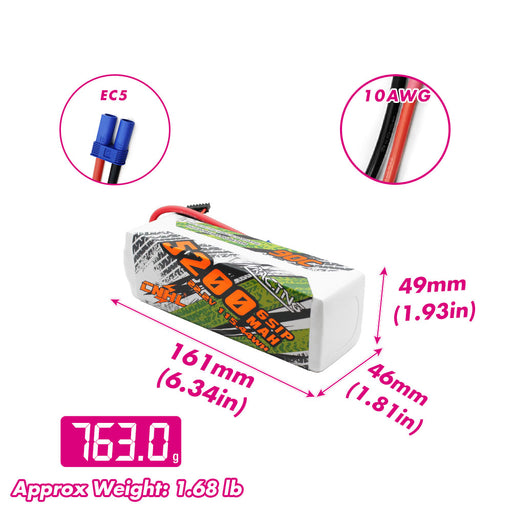
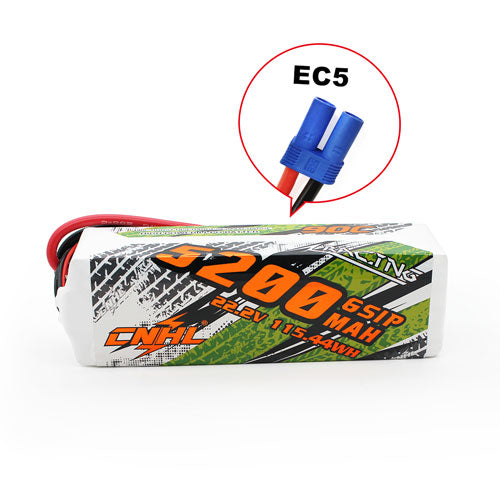
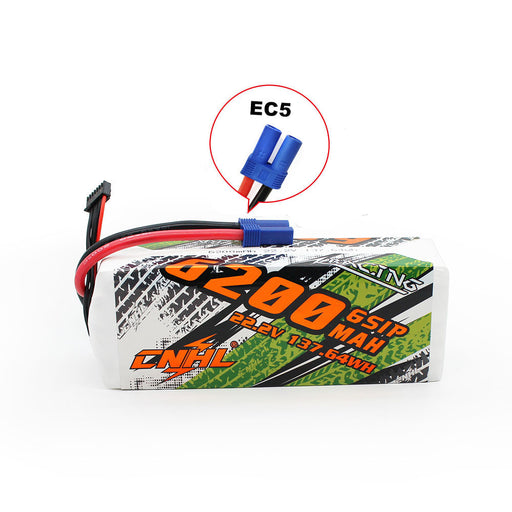
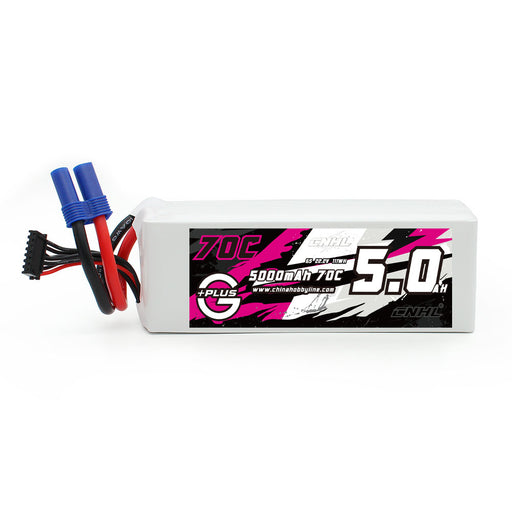
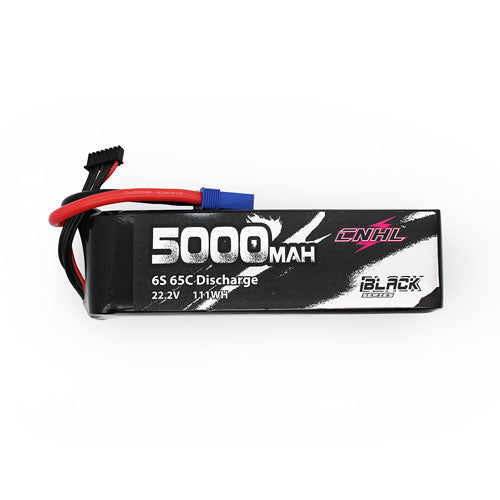
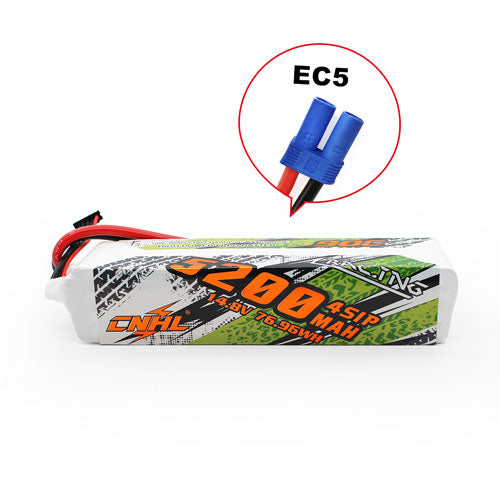
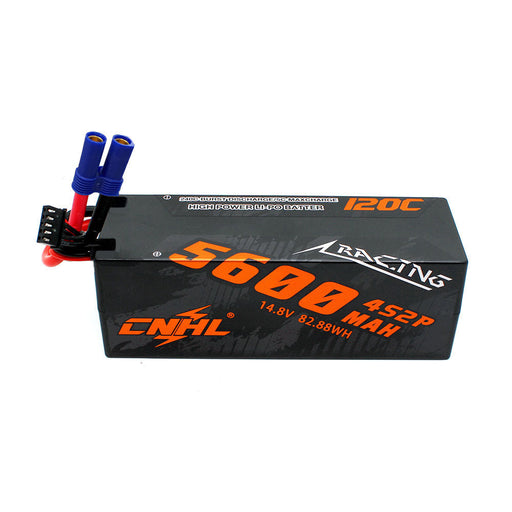
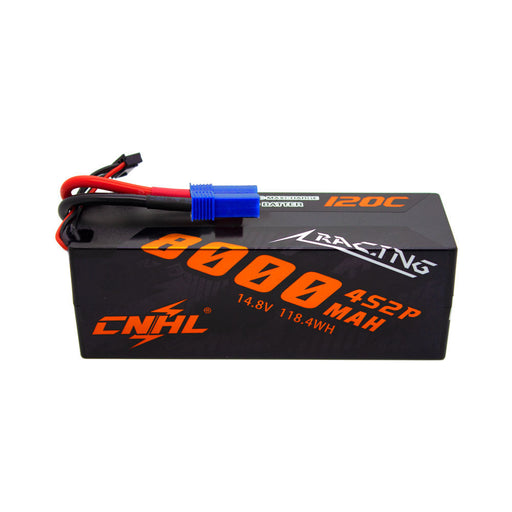
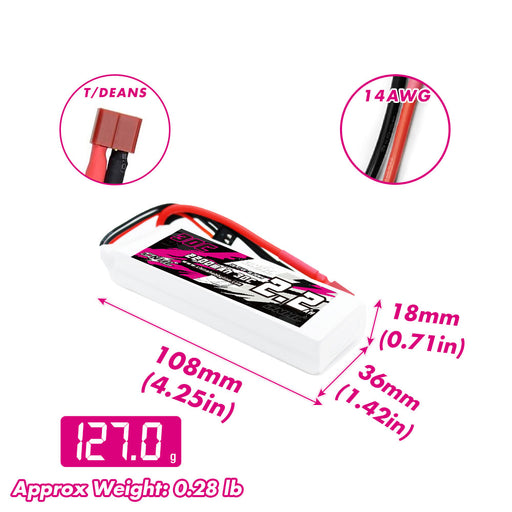
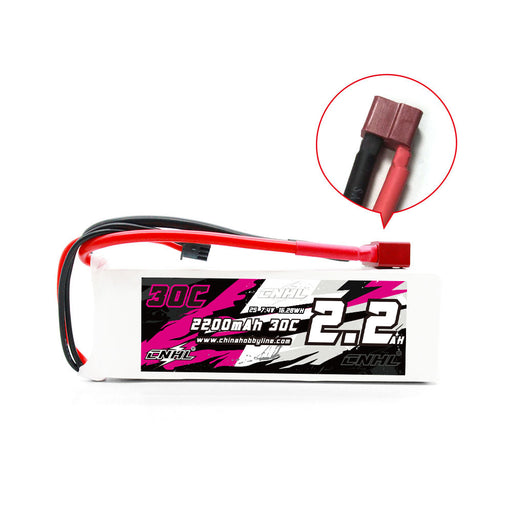
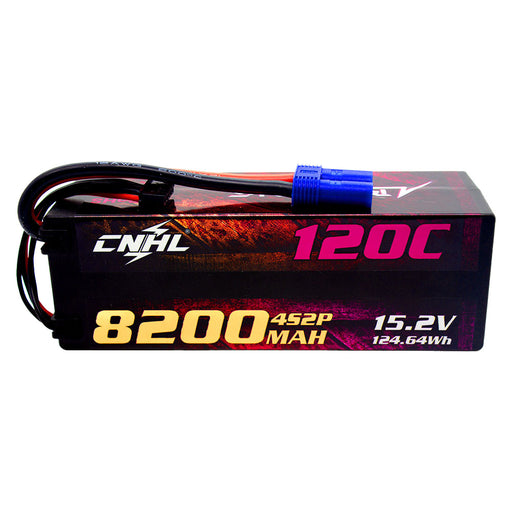
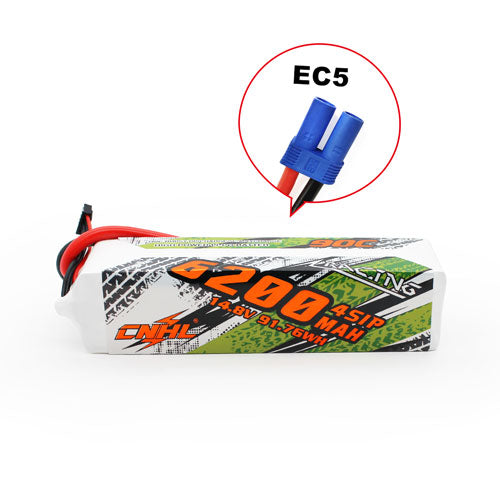
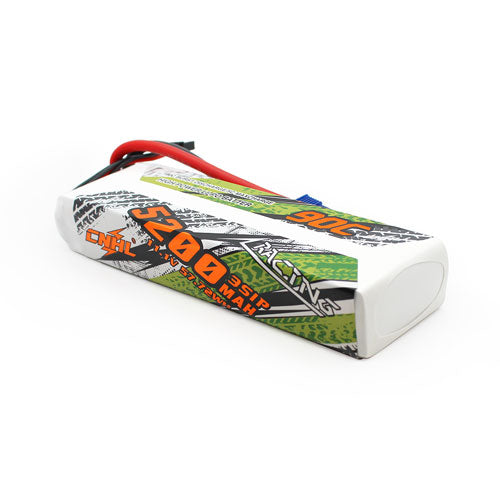
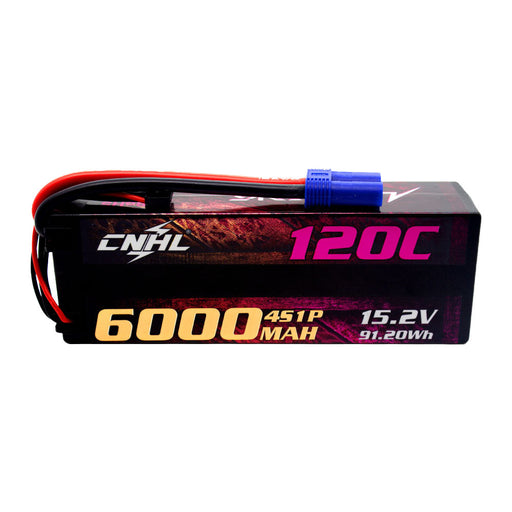
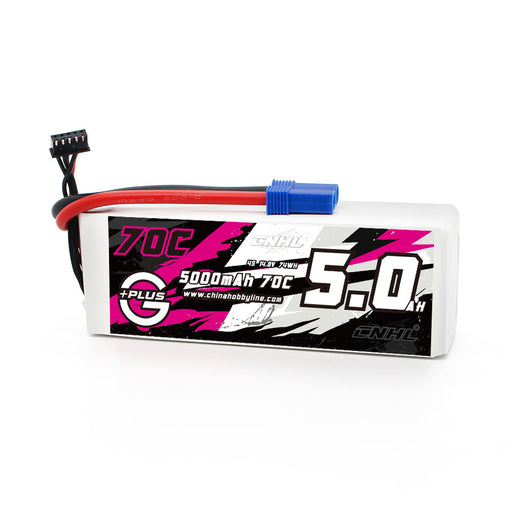
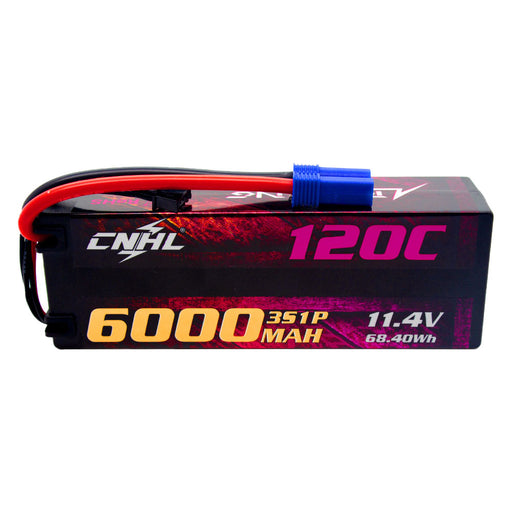
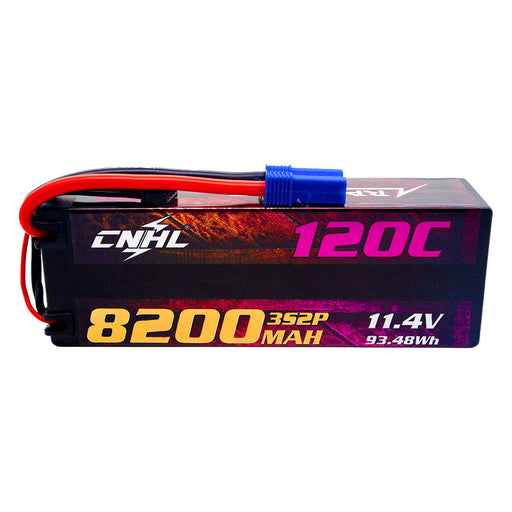
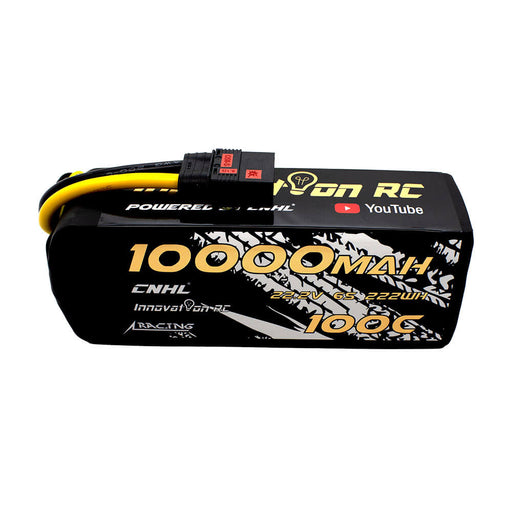
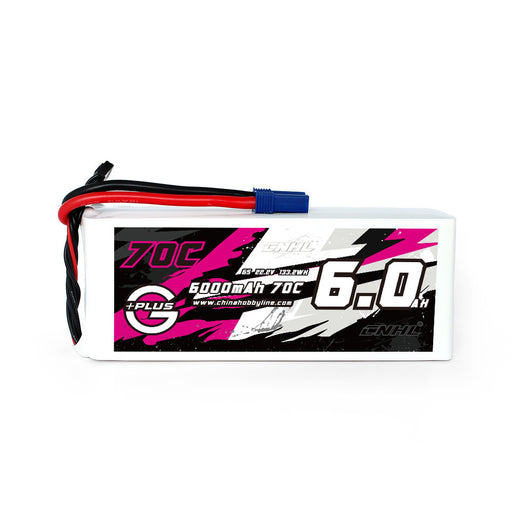
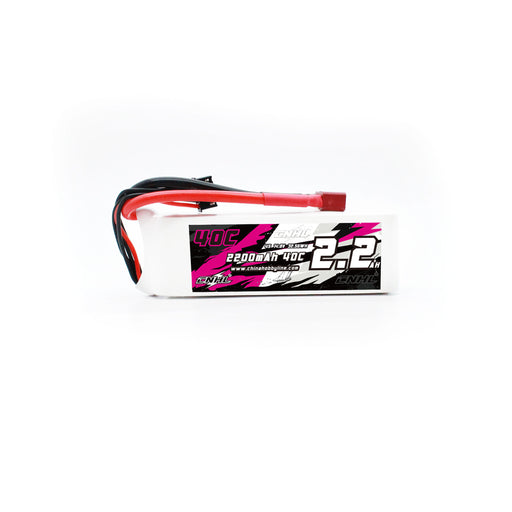
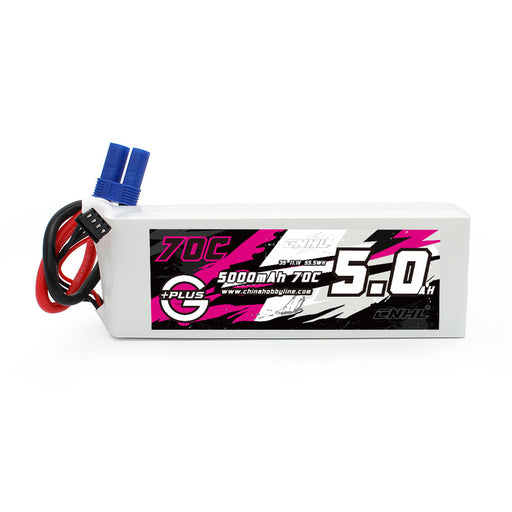
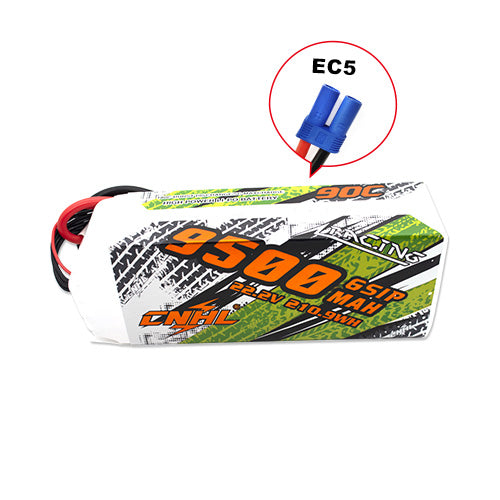
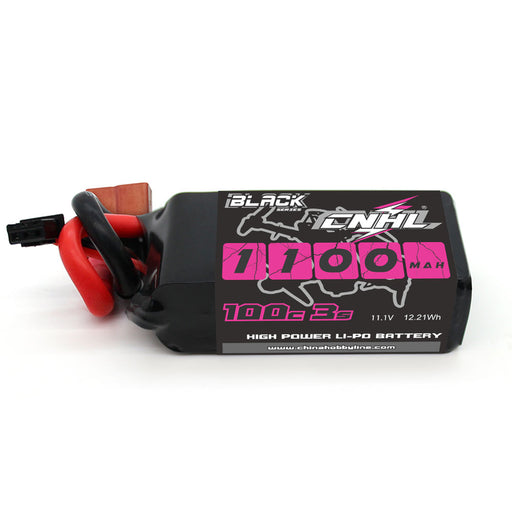
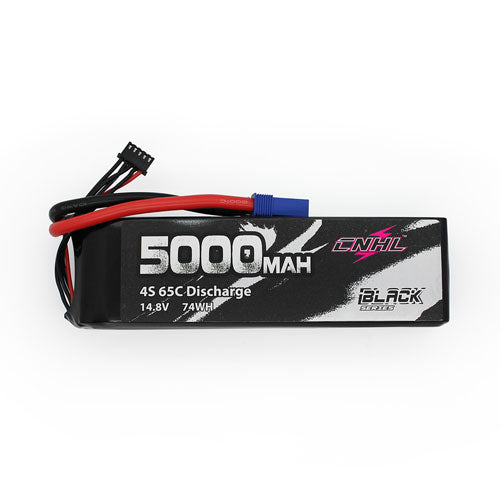
CNHL RC car batteries are available with several connector types, including XT60, XT90, EC5, QS8 and T/Dean on selected packs. If the battery connector differs from the ESC connector, a properly rated adapter or connector conversion may be required.
Always confirm connector polarity, current rating, wire gauge and available clearance before use. EC5 and IC5 systems may share compatible physical connector geometry in many applications, but a standard EC5 battery does not provide Spektrum Smart battery communication or Smart data functionality.
How to Find the Right CNHL Battery
The fastest route is to begin with the RC brand above and then move to a vehicle-specific battery page where available. These pages can narrow the selection based on the actual chassis, recommended voltage and known battery-space limitations rather than relying only on a general capacity range.
If your model is not yet listed, compare the original battery or manufacturer recommendation against the CNHL battery specifications. Pay particular attention to:
- battery cell count and nominal voltage;
- maximum battery tray dimensions;
- connector type and polarity;
- single-pack or dual-pack configuration;
- hardcase requirements;
- battery weight and chassis balance;
- ESC maximum input voltage; and
- wire routing and body clearance.
Frequently Asked Questions
What RC car brands are included on this page?
This collection is designed for RC car brands that are not currently shown as primary brand shortcuts on the main CNHL RC Car Batteries page. The available brand and vehicle guides will continue to expand as additional fitment information becomes available.
Can I choose a battery only by matching the voltage?
No. Voltage is an essential first check, but the battery must also fit the available tray and match the vehicle's connector, pack arrangement, weight limits and electrical system requirements.
Can two 2S batteries be used instead of one 4S battery?
They can be used in vehicles specifically designed to run two 2S packs in series, provided the ESC and wiring configuration support that arrangement. A vehicle with a single 4S battery tray should not automatically be assumed to support two separate 2S packs.
Can I use a higher-capacity battery for longer runtime?
A higher-capacity pack can provide longer runtime when it remains within the vehicle's physical and electrical limits. Check battery dimensions, weight, chassis balance, wire clearance and the manufacturer's recommended battery range before moving to a significantly larger pack.
What if my RC car brand is not listed yet?
You can still select a battery by comparing the original battery specifications and vehicle requirements with the CNHL pack dimensions, voltage and connector. Additional brand and model-specific battery pages can also be added to this hub as the compatibility library grows.
Explore More CNHL RC Car Batteries
This page is part of the wider CNHL RC car battery selection system. If you want to start again from the main category, browse CNHL RC Car Batteries to compare battery options across major RC brands, vehicle types and different power systems.
As new vehicle-specific fitment guides are added, this Other RC Car Brands hub will provide a central route to those pages without overcrowding the main brand navigation.