







Best Battery Size for the Durafly Tundra TPX
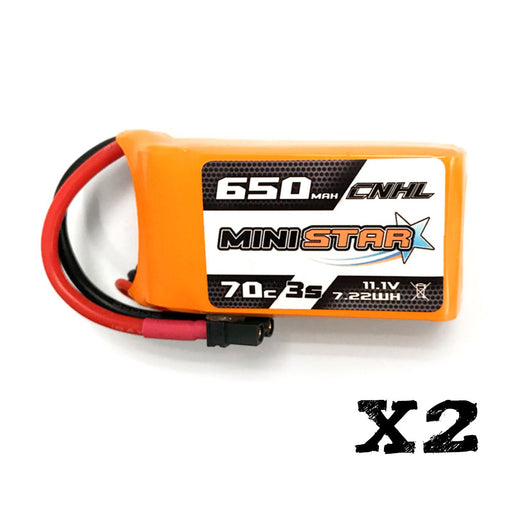
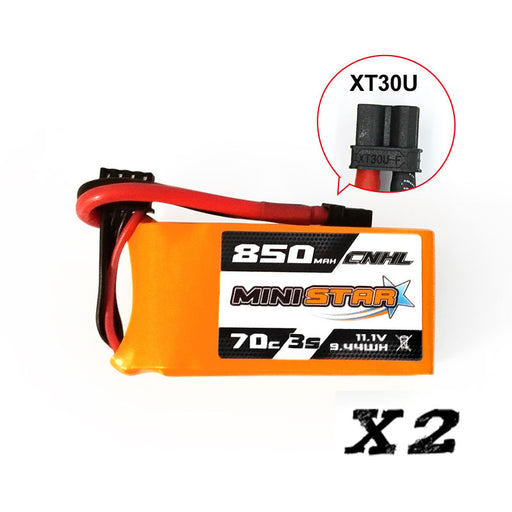
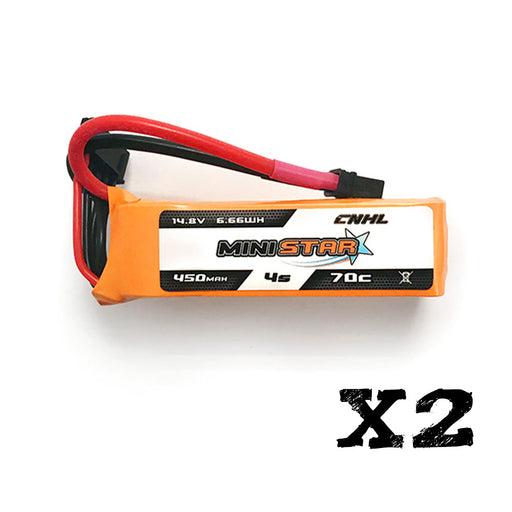
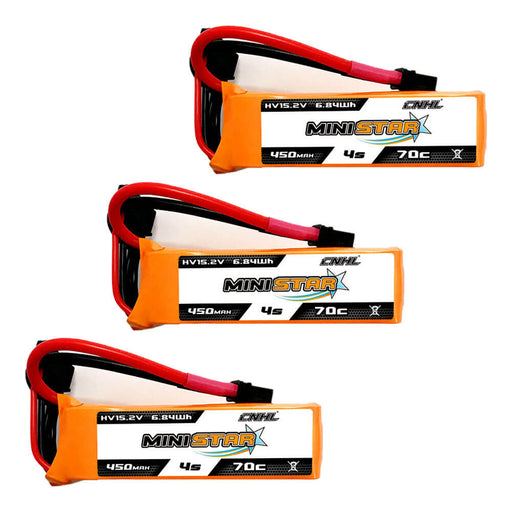
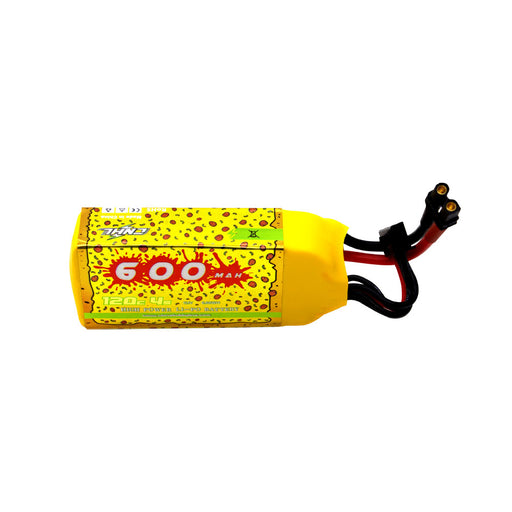
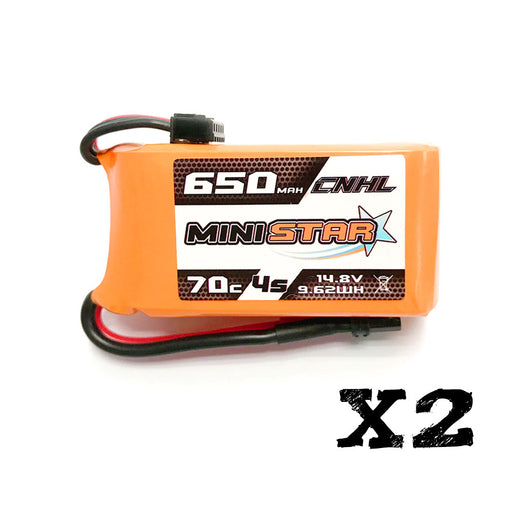
The Durafly Tundra TPX is happiest on lightweight packs that match its 450–500g flying weight. In real-world flying, most pilots get the best mix of control feel and performance from 3S–4S 400–800mAh LiPo batteries. Going larger can shift the balance and make the aircraft feel less “alive” in 3D maneuvers.
3S vs 4S: What Changes in the Air
Both 3S and 4S work on the stock power system. The choice is less about “can it fly” and more about how you want it to feel on the sticks.
- 4S (typical: 450–750mAh): stronger vertical authority, easier hover recovery, more headroom when the wind picks up.
- 3S (typical: 500–800mAh): smoother throttle range for sport flying, more forgiving feel when practicing new maneuvers, and often a calmer pace in tight spaces.
Quick Buying Guide (Most Common Setups)
| Flying Style | Recommended Battery | Why This Works | What to Avoid |
|---|---|---|---|
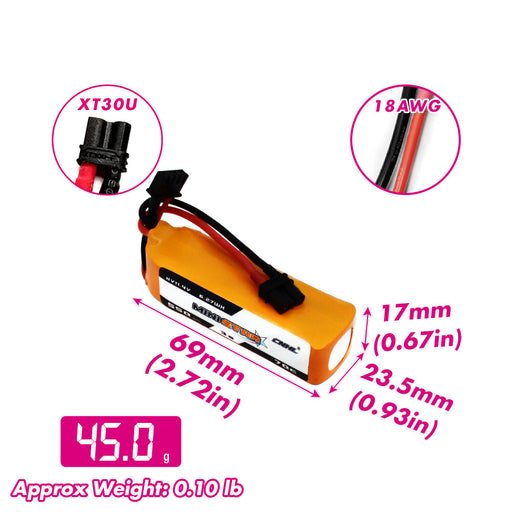
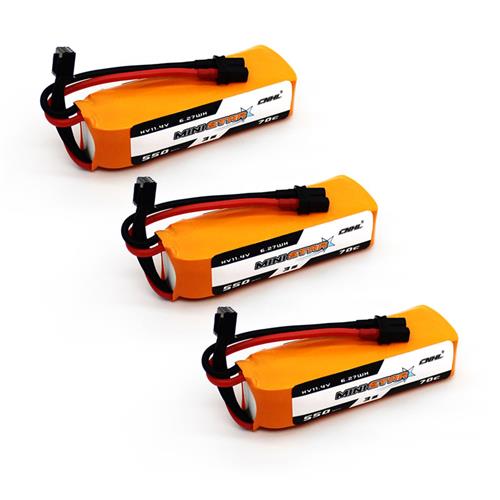
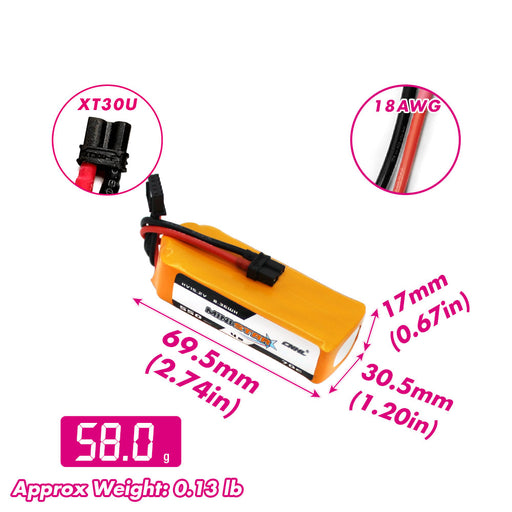
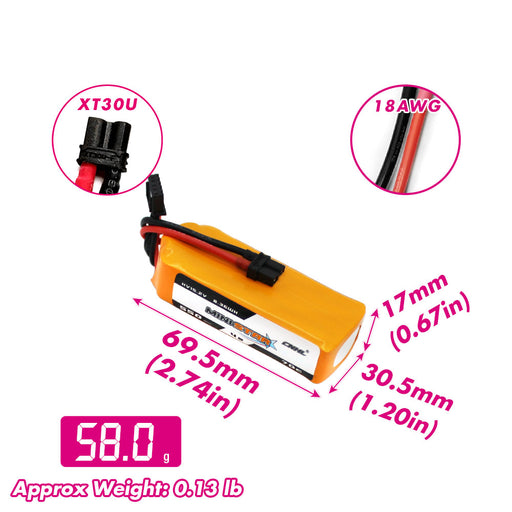
| Indoor-capable 3D (experienced pilot) | 4S 450–550mAh, XT30 | Extra punch helps exit hovers and direction changes quickly | Oversized packs that add nose weight and increase speed in small spaces |
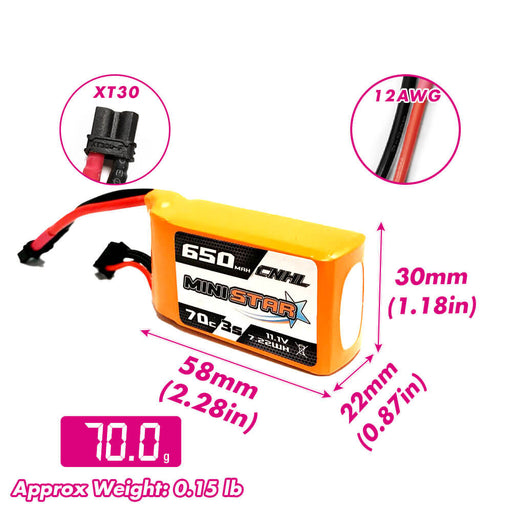
| Backyard sport flying | 3S 600–800mAh, XT30 | Smoother throttle feel and easy pacing around tighter fields | Very small packs that can make balance tricky and reduce usable time |
| Windy outdoor sessions | 4S 550–750mAh, XT30 | Better vertical authority and more confident control in gusts | High wing loading from heavy packs that dull responsiveness |
| 3D practice on low rates | 3S 500–700mAh, XT30 | More forgiving power delivery while learning new moves | Going too heavy too early (it masks good throttle habits) |
XT30 Connector Notes
The stock ESC is fitted with an XT30 connector. For a clean install and reliable power delivery, the simplest approach is choosing batteries that are already XT30. If your existing packs use other connector systems, use a properly rated adapter and keep it as short and light as possible.
Expected Flight Time
Flight time depends on throttle usage and how aggressively the aircraft is flown. Many pilots see roughly 8–12 minutes with packs around the middle of the recommended range when mixing sport flying with brief 3D bursts. If you fly full-throttle vertical and long hover sessions, expect shorter runtimes.
Related Guides and Collections
For broader options across RC airplane platforms, browse: CNHL Airplane Batteries Collection.
If you want the full aircraft-focused review and setup notes, see the matching blog guide: Durafly Tundra TPX Flight Review and Battery Setup Guide.
FAQ
Can I use a 1000mAh pack?
It may fit, but heavier packs can change the balance and dull the quick response that makes a profile 3D plane enjoyable. Staying within 400–800mAh usually delivers the best feel.
Is a high-voltage (LiHV) pack required?
Not required. Standard LiPo packs already provide strong performance. LiHV can be used if it matches the connector and size targets, but the aircraft does not rely on it to fly well.
Should I choose 3S or 4S as my first purchase?
If you want smooth sport flying and a calmer throttle response, start with 3S. If you want stronger vertical and quicker recovery in 3D, start with 4S.
Does the TPX need a very high C rating?
Prioritize light weight, correct size, and a solid build. A practical C rating (commonly 30C+) is typically sufficient in this size class, as long as the pack can deliver clean bursts without sag.
Do I need to buy multiple packs?
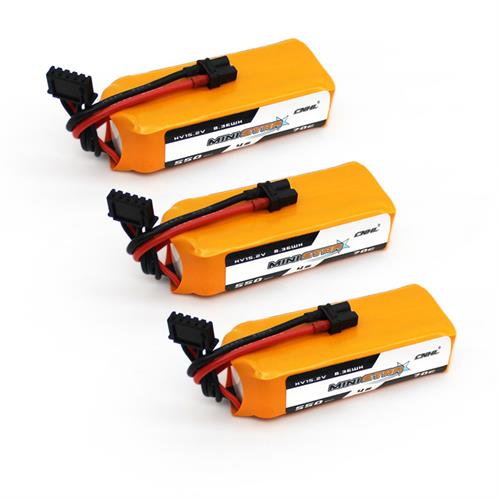
Most owners keep 2–4 packs on hand. This aircraft is quick to set up at the field, so extra packs usually create a better flying session than trying to oversize one battery.