
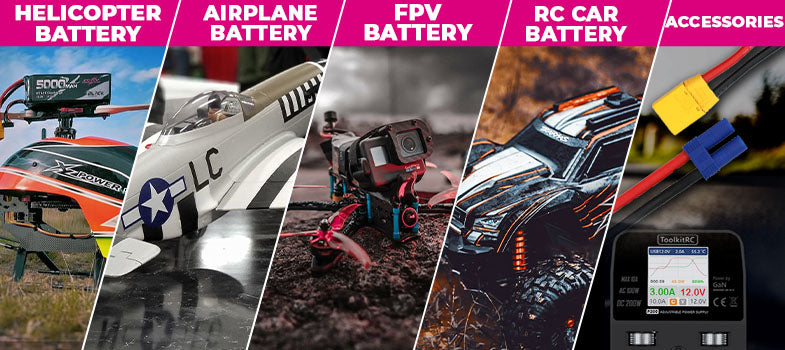
סוללות CNHL ליפו
CNHL שואפת לספק סוללות Li-Po באיכות גבוהה ומוצרי RC לכל חובבי התחביב עם שירות לקוחות מצוין ומחירים תחרותיים

If you’ve been circling the Super Tucano 1600mm for a while, you’ve probably seen the same theme in owner feedback: people don’t just like it — they keep coming back to it. One reviewer flat-out called it “the best plane for the money” and said CNHL “solved the issues with the gen 1 plane.” Another pilot compared the flight feel to older pattern planes from the 80’s and 90’s, which is a very specific compliment: smooth, locked-in tracking, and predictable energy management.
This is not a “spec sheet” post. It’s a real-world setup review — the kind you want open on your phone while you’re building, balancing, and setting throws before the maiden. We’ll cover what actually matters: assembly decisions that prevent headaches, CG and battery placement that keeps the nose from feeling heavy, whether retracts are worth it on grass, and how to approach flap settings in a way that’s both effective and mechanically kind to the airplane.

Before we get opinionated, here’s the quick baseline. These are the details that show up in real decisions at the field: battery choice, balance, flap behavior, retract reliability, and how much radio you need to make the airplane feel “right.”
| Item | What it means in practice |
|---|---|
| Size class | 1600mm (63") wingspan and ~1617mm length — stable and “big-airplane” presence, not twitchy park-flyer behavior. |
| Power system | 5052-525KV motor + 100A ESC with reverse capability — strong authority, plus optional reverse-thrust workflow for short rollouts. |
| Key features | Electric retracts with oleo struts, functional flaps, day-bright LED nav/landing/formation lighting, five-blade scale prop. |
| Battery window | 6S recommended range (commonly flown around 4000–6000mAh) — CG and landing feel depend heavily on placement, not just capacity. |
| Radio needs | 6–7 channels is the comfortable zone if you want retracts + flaps without weird compromises. |
Owner pulse-check: “On a scale of 1–10 it’s an 11… smooth… landing gear is excellent… I operate on grass.”
That single comment hits three themes you’ll see repeatedly: flight feel, gear durability, and field practicality.
A lot of owners describe the build as straightforward: low parts count, everything fitting cleanly, and the airframe coming together without drama. But one review also highlighted a very real risk: using the wrong adhesive on a major foam-to-foam structural joint can turn a simple build into panic. The simplest “adult” guidance is this:
If you’re the kind of builder who wants a short checklist, here it is: dry-fit everything, confirm alignment, scuff and clean the glue surfaces lightly, use epoxy for the big joins, and let it cure fully. It’s boring advice — and it prevents the only kind of boring you really hate: rework.

This is the most practical section of the whole review. A few owners noted that even with a 5000mAh pack placed far back, the airplane can still trend slightly nose-heavy — and some pilots actually prefer it that way because it lands “with authority” and feels stable. Others like a more neutral feel and have used small tail weight (one mentioned about an ounce) to shift the balance.
Here’s the mindset I recommend for this Super Tucano 1600mm setup:
One owner trimmed a bit of foam to slide a ~5200mAh pack back for CG. That’s not a requirement — it’s an example of a practical “make it fit the way you fly” adjustment. If you’re doing anything like that, go slowly and keep the airframe tidy: you want a clean, repeatable battery install, not a one-time hack.
Battery note : if you want a pack range that matches the intended setup window, start here: 6S LiPo Batteries for Super Tucano 1600mm. Focus on balance and fit first — capacity comes second.

Several owners said the first flights felt more sensitive than expected — not because the airplane is unstable, but because the default throw setup can feel lively if you’re used to smaller foam models. One pilot mentioned needing much more elevator/aileron/rudder throw than the manual suggested, then using dual rates and expo to make the plane feel natural. That’s a very normal pattern-ship approach: give yourself full authority, then shape the response to your hands.
A simple, safe way to set up the Super Tucano:
Owner pulse-check: “Flies like an older pattern plane from the 80’s and 90’s… smooth.”
That’s usually what you feel after the airplane is trimmed and rates/expo match your habits.
This is one of the biggest reasons people love this airframe. Retracts aren’t just a scale flex here — they’re part of the usability, especially on grass fields. Multiple owners specifically praised the landing gear and reported smooth ground handling on grass, even when the field is a little bumpy. That’s exactly where oleo struts and a well-designed tricycle setup pay off: they reduce the “every landing is a test” feeling.
Practical take:

Flaps are the feature that makes this Super Tucano feel “grown up” in the landing pattern. They also deserve respect because the flap surfaces are substantial — and some review reported flap servo trouble when switching from half flaps to full flaps on approach. Whether that was a weak servo batch, aggressive endpoints, or simply too much airspeed, the lesson is the same: don’t treat full flaps like an on/off button at high speed.
Here’s a conservative flap setup workflow that pilots can actually live with:
Three setup tips that matter more than the exact percentage:
Owner pulse-check: “Landing flaps pitch the plane nose up… still working on the flaps… it lands extremely well with 0 flaps.”
That’s actually reassuring: it means you can fly and land comfortably while you dial flap behavior in gradually.
The ESC supports reverse thrust, and it can genuinely shorten rollout when used correctly. But here’s the honest advice: reverse is not a maiden-flight feature. Get your CG right, confirm the airplane tracks straight, and make landings boring first. Then add reverse later if your field benefits from it. One owner even mentioned a “mystery wire” that might be for reverse and chose not to use it — which is a perfectly reasonable decision if you have runway length to spare.
If you do set up reverse, test it with discipline: use a dedicated switch, keep it disabled in flight phases where you don’t want surprises, and try it only after touchdown with the airplane rolling straight.
This is where the Super Tucano earns the hype. Owners describe it as stable, smooth, and “crowd pulling.” It sounds like a turboprop (that five-blade prop helps), it tracks cleanly, and it’s not afraid of speed passes. At the same time, it’s forgiving enough that pilots who don’t call themselves “pros” still report good takeoffs, ground handling, and landings.
A few practical flight notes extracted from owner experience:

This section is how you keep a 1600mm warbird fun long-term. Two issues showed up in detailed feedback: flap servo stress and linkage/clevis confidence. Both are easy to address proactively.
If you want a scale warbird that feels smooth and substantial, and you enjoy having flaps and retracts as part of the experience, this is an easy “yes.” It’s also a great match if your field is grass and you’re tired of landing gear that feels like a compromise.
If you’re truly brand new to RC airplanes, retracts + flaps + potential reverse-thrust setup can be “too much system” on day one. A beginner can fly it, but learning on a simpler fixed-gear trainer is still the smarter path.
If you want to check current availability, what’s included in the bundle, and the exact setup details, you can find it here: Super Tucano 1600mm RC Plane.
CNHL שואפת לספק סוללות Li-Po באיכות גבוהה ומוצרי RC לכל חובבי התחביב עם שירות לקוחות מצוין ומחירים תחרותיים
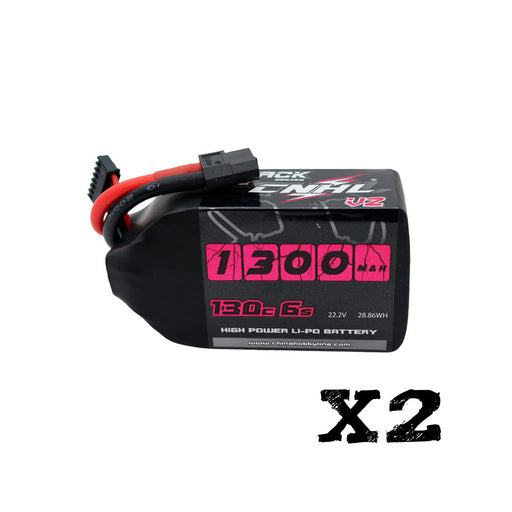
בדיקת התאמה מהירה ה2 Packs CNHL Black Series V2.0 1300mAh 22.2V 6S 130C LiPo Battery with XT60 Plug מתאים היטב למטיסי FPV שרוצים סוללת 6S 1300mAh X...
הצג פרטים מלאיםחלקי חילוף ותמיכה לטווח ארוך אנו יודעים שעבור טייסי RC, תמיכה אמינה בחלקי חילוף היא חלק חשוב בשמירה על מטוס כשיר לטיסה במשך שנים. לכן CNHL מת...
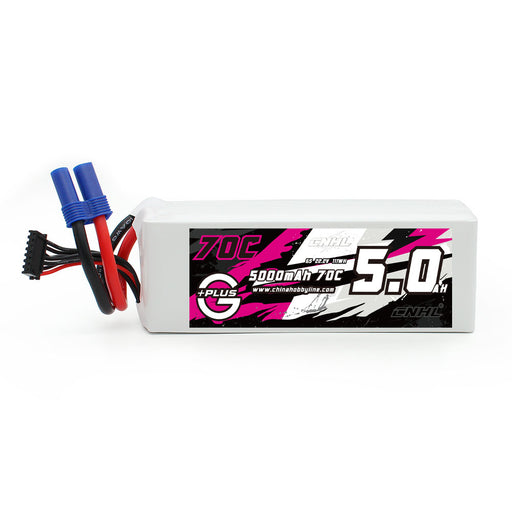
הצג פרטים מלאיםמפרטים: מספר מלאי: 500706EC5 קיבולת: 5000mAh מתח: 22.2V / 6 תאים / 6S1P קצב פריקה: 70C רציף / 140C פיצוץ קצב טעינה: 5C מקסימום גודל (הבדל של 1-5 ...
הצג פרטים מלאים
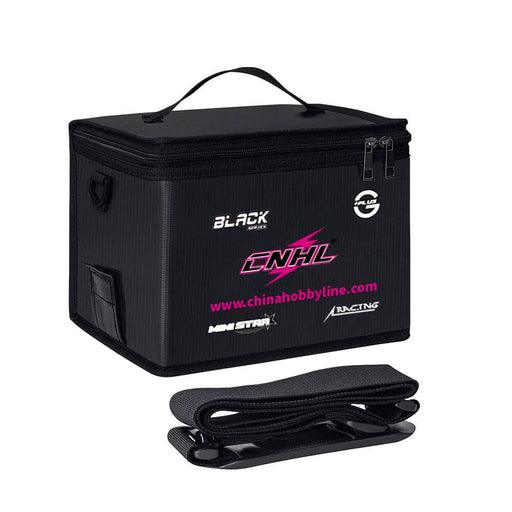
תיק סוללות LiPo של CNHL מיועד לטעינה, הובלה ואחסון בטוחים יותר של סוללות LiPo בבית או בשדה. הוא מוסיף שכבת הגנה פרקטית על ידי סיוע במניעת התפשטות ח...
הצג פרטים מלאיםבדיקת התאמה מהירה חבילת 2 CNHL Speedy Pizza Series Pro 1350mAh 6S 150C LiPo עם תקע XT60 מיועדת לטייסי FPV בגודל 5 אינץ' שרוצים מערכת 6S חופשית ...
הצג פרטים מלאים

The CNHL Long Range Series BAK 65E 6350mAh 21700 Li-ion battery cell is built around one clear priority: maximum stored energy from a lightweight c...
הצג פרטים מלאים

The CNHL Long Range Series BAK 50D 5000mAh 21700 Li-ion battery cell is designed for custom high-energy battery packs that need a strong balance be...
הצג פרטים מלאים

The ISDT C4 EVO is a versatile smart battery charger built for AA, AAA and cylindrical rechargeable cells from compact 10440 batteries all the way ...
הצג פרטים מלאים

The CNHL Long Range Series 6350mAh 21.6V 6S1P 21700 Li-ion battery combines six BAK 65E high-energy cells into a 137.16Wh pack designed for ultra-e...
הצג פרטים מלאים

The CNHL Long Range Series 5000mAh 21.6V 6S1P 21700 Li-ion battery combines six BAK 50D cells into a compact 108Wh pack designed around long-range ...
הצג פרטים מלאים




Comments
Leave a comment