דלג לתוכן
11.11 מכירת כוח
חבילת הנחה של 150$ רק ב-4.99$ >
11.11 מכירת כוח
חבילת הנחה של 150$ רק ב-4.99$ >

סוללת CNHL Lightning LiHV 6000mAh 22.8V 6S 120C HV ליפו עם תקע XT90

זמינות:
אזל מהמלאי
זמינות:
אזל מהמלאי
אזל מהמלאי
מחיר מקורי $75.99 - מחיר מקורי $75.99
מחיר מקורי $75.99
$75.99 USD
$75.99 - $75.99
המחיר הנוכחי $75.99 USD
נשלח מ: US

EU warehouse countries:

EU countries (except Malta/Cyprus)

Global warehouse countries: EU (except Malta/Cyprus),US,AU,CA,UK,CH,BR,CL,SA,JP,MY,SG,KR,PH,BY,MX,NZ,NO,PE.

More shipping countries, check it here

בדיקת התאמה מהירה

סוללת CNHL Lightning LiHV 6000mAh 22.8V 6S 120C HV LiPo עם תקע XT90 היא סוללת 6S LiHV בעלת ביצועים גבוהים, שתוכננה למשתמשי RC הזקוקים לזרם מתפרץ חזק, מתח יציב ואיזון מעשי בין זמן פעולה למשקל. עם קיבולת של 6000mAh, מתח 22.8V 6S LiHV, הספק פריקה של 120C ומחבר XT90, סוללה זו מתאימה היטב למטוסי RC, מטוסי סילון EDF, סירות RC בתצורת 6S, דגמי ספורט גדולים וכלי רכב נבחרים של RC בעלי ביצועים גבוהים.

סוללה זו היא בחירה מצוינת כאשר הדגם שלך תומך בהספק 6S LiHV, כולל מספיק מקום לסוללה במידות 150 × 51 × 44 מ"מ, יכול להתמודד בבטחה עם סוללה במשקל של כ-694 גרם ומשתמש במחבר XT90 או במתאם בעל דירוג מתאים. מכיוון שזו סוללת LiHV, יש לטעון אותה למתח LiHV מלא רק באמצעות מטען התומך במצב LiHV.

מפרטי המוצר

קיבולת 6000mAh
מתח (S/תא) 22.8V / 6S LiHV
קצב פריקה (רציף/מתפרץ) 120C / 240C
מחבר יציאה תקע XT90
מידות (L × W × H) 150 × 51 × 44 מ"מ
משקל כ-694 גרם
קצב טעינה מקסימום 5C
מחבר איזון JST-XH-7P
עובי חוט 10AWG
מספר מלאי HV6001206XT90

תיאור מרכזי

סוללת CNHL Lightning LiHV 6000mAh 6S 120C מיועדת למערכות כוח תובעניות של RC הזקוקות ליותר דחף מסוללת 6S בסיסית, תוך שמירה על גודל ומשקל בשליטה. בהשוואה לסוללות 5000mAh קטנות יותר, אפשרות 6000mAh 6S LiHV זו מעניקה מרווח פעולה נוסף ללא מעבר לטווח הכבד יותר של 7000mAh ומעלה, שעלול להשפיע על האיזון, התנהגות ההמראה, איזון גוף הסירה או השליטה בכלי הרכב.

הכימיה של LiHV מאפשרת מתח טעינה מלאה גבוה יותר בעת שימוש במטען איזון תואם LiHV. בשימוש בפועל, הדבר עשוי להעניק תחושה חזקה יותר בתחילת ההפעלה, תגובת מצערת חדה יותר ודחף טוב יותר במהלך ההמראה, האצה של EDF, יציאה מהירה של סירות למים או מעברים למצערת גבוהה.

דירוג פריקה של 120C וחיווט 10AWG הופכים את הסוללה הזו למתאימה ליישומים בעלי עומס גבוה שבהם יציבות המתח חשובה. זוהי בחירה מעשית עבור מטוסי RC בתצורת 6S, מטוסי סילון EDF, מטוסי ספורט גדולים, סירות RC בתצורת 6S וכלי רכב בעלי ביצועים גבוהים נבחרים, שבהם הדגם נהנה מאספקת זרם חזקה ומחיבור XT90 אמין.

מומלצת עבור סירת הסילון Streamline RC Thrasher XP RTR

סוללת CNHL Lightning LiHV 6000mAh 22.8V 6S 120C HV LiPo עם תקע XT90 היא אחת מאפשרויות הסוללה הכוללות הטובות ביותר עבור סירת הסילון Streamline RC Thrasher XP RTR. עם קיבולת של 6000mAh, עיצוב LiHV בעל הספק גבוה, מחבר XT90 ותצורת 6S קומפקטית, היא מעניקה ל־Thrasher XP איזון מצוין בין זמן פעולה, עוצמה ושליטה תגובתית בסירת סילון.

עבור סירת RC סילונית זו בעלת 6S, המטרה אינה פשוט להתקין את הסוללה הגדולה ביותר האפשרית. מארז XT90 קל יותר בנפח 5000mAh–6000mAh מסייע לשמור על איזון גוף הסירה, תגובת המצערת, יכולת ההתיישרות העצמית, השליטה במים רדודים והתנהגות מתאימה לנסיעה על סלעים. לכן מארז Lightning LiHV זה בנפח 6000mAh הוא שדרוג חכם לשיט בנהרות, נסיעות שטח הרפתקניות, צילום בסגנון GoPro וסשנים של סירות RC בעלות תגובה מהירה.

מחפשים אפשרויות תואמות נוספות? עיינו באוסף המלא שלנו של סוללות לסירת הסילון Thrasher XP RTR.

יישומים תואמים למטוסי RC ול־EDF

סוללת 6000mAh 6S LiHV זו היא גם אפשרות מצוינת עבור מטוסי RC גדולים יותר, הזקוקים לאיזון יעיל בין עוצמה, זמן פעולה ומשקל סוללה שניתן לניהול. במטוסי 3D אווירובטיים ובמטוסי ספורט, ההספק של 120C מסייע בתמיכה בשינויי מצערת אגרסיביים, בנסיקות אנכיות ובהתאוששות לאחר תמרונים תובעניים.

במטוסים אווירובטיים, סוללה זו מתאימה היטב לדגמים כמו ה־Avios Extra NG / Extra 300 NG 60E, שבהם הטייסים בדרך כלל מעוניינים בתגובת מצערת חזקה בלי להוסיף משקל סוללה מיותר.

עבור מטוסי בוש, זו גם אפשרות מעשית בעלת הספק גבוה עבור ה־Avios Grand Tundra V2, במיוחד עבור טייסים שמעוניינים בתחושת LiHV חזקה יותר של 6S, תוך שמירה על איזון הטיסה והתאמה לתא הסוללה.

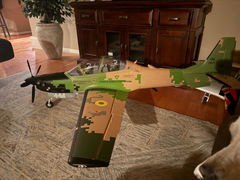
עבור מטוסי 6S גדולים יותר, כגון מטוס ה-RC Super Tucano באורך 1600 מ"מ ופלטפורמות מטוסים חשמליים דומות בסגנון FMS, המארז הזה מציע שילוב שימושי של קיבולת, יכולת פריקה ונוחות של מחבר XT90. הקפידו תמיד לוודא את גודל תא הסוללה, את מרכז הכובד, את דירוג ה-ESC ואת תצורת המחבר לפני הטיסה.

יישומים

  • סירת הסילון Streamline RC Thrasher XP RTR
  • סירות סילון RC בתצורת 6S ומערכות כוח ימיות
  • מטוסי RC אווירובטיים לתרגילי 3D
  • מטוסי סילון EDF המשתמשים בהספק 6S
  • מטוסי ספורט גדולים
  • כלי רכב נשלטים מרחוק בעלי ביצועים גבוהים עם 6S
  • מטוסי RC הזקוקים להספק 6S חזק עם מחבר XT90
  • מערכות כוח מותאמות אישית של 22.8V LiHV

תמונת המוצר

סוללת CNHL Lightning LiHV 6000mAh 22.8V 6S 120C HV LiPo עם תקע XT90 – סקירת מידות ומשקל

אפשרויות חלופיות בסדרת CNHL Lightning LiHV

מחפשים קיבולת, מחבר או מתח שונים באותה משפחת ביצועים במתח גבוה? גלו סוללות נוספות בסדרת CNHL Lightning LiHV, כולל אפשרויות LiHV בתצורות 4S, 6S ו-8S למערכות כוח מתקדמות של RC.

מה לבדוק לפני הרכישה

  • מתח: הדגם שלכם חייב לתמוך במתח 22.8V של 6S LiHV, או בהפעלה רגילה של 6S אם תבחרו לטעון באופן שמרני.
  • מחבר: הסוללה הזו משתמשת בתקע XT90. אם הדגם שלכם משתמש במחבר אחר, השתמשו רק במתאם בעל דירוג מתאים.
  • מקום לסוללה: ודאו שמגש הסוללה או תא הסוללה שלכם יכולים להכיל מידות של 150 × 51 × 44 מ"מ.
  • משקל: במשקל של כ-694 גרם, יש להשתמש במארז זה בדגמים שיכולים לשאת בבטחה את משקלו ואת השפעתו על האיזון.
  • טעינה: השתמשו במצב טעינת LiHV רק עם מטען שתוכנן לתמוך במתח של 4.35V לכל תא.
  • דירוג ה-ESC: ודאו שה-ESC, המנוע, מערכת הקירור, מערכת ההנעה והחיווט מתאימים לדרישות המתח והזרם שלכם.
  • איזון מטוסים וסירות: בדקו את מרכז הכובד, את קיזוז גוף הסירה, את קיבוע הסוללה, את מרווח החוטים ואת הקירור לפני הפעלה בעוצמה מלאה.

שאלות נפוצות

לאילו שימושים הסוללה הזו, בקיבולת 6000mAh ובתצורת 6S LiHV, מתאימה במיוחד?

היא מתאימה במיוחד למטוסי RC בעלי ביצועים גבוהים עם 6S, למטוסי סילון EDF, לסירות RC, לדגמי ספורט גדולים ולכלי רכב נבחרים הנשלטים מרחוק הזקוקים ליכולת פריקה גבוהה, למתח יציב ולאיזון מעשי בין זמן פעולה למשקל.

האם הסוללה הזו מתאימה לסירת הסילון Streamline RC Thrasher XP RTR?

כן. סוללה זו היא אפשרות כללית מצוינת עבור סירת הסילון Thrasher XP RTR, מכיוון שהיא מציעה קיבולת של 6000mAh, חיבור XT90, הספק פריקה גבוה וטווח משקל נוח לתפעול תגובתי של סירת סילון.

מה היתרון של סוללות LiHV?

ניתן לטעון סוללות LiHV למתח תאים מרבי גבוה יותר מזה של סוללות LiPo רגילות, בעת שימוש במטען תואם LiHV. הדבר עשוי לשפר את הדחף בתחילת השימוש, את תגובת המצערת ואת תחושת ההספק.

האם 6000mAh מתאים למטוסי RC גדולים?

כן. מארז 6S בנפח 6000mAh הוא בחירה מעשית ומאוזנת עבור מטוסי RC חשמליים רבים מסדרת 60 ומעלה, מכיוון שהוא מספק זמן פעולה ארוך יותר ממארז 5000mAh, בלי להיות כבד כמו סוללות גדולות יותר בנפח 7000mAh ומעלה.

האם ניתן לטעון את הסוללה הזו באמצעות מטען LiPo רגיל?

רק אם למטען יש מצב LiHV ייעודי. אין לטעון את הסוללה הזו למתח של 4.35V לכל תא, אלא אם המטען שלכם תומך במפורש בטעינת LiHV. משתמשים זהירים עשויים לטעון למתח של LiPo רגיל אם ההתקנה או שגרת השימוש שלהם מחייבות זאת.

האם XT90 מתאים למערכות 6S בעלות הספק גבוה?

XT90 נמצא בשימוש נפוץ ביישומי RC רבים בעלי זרם גבוה מסוג 6S, כולל כלי טיס, סירות וכלי רכב גדולים. ההתאמה הסופית עדיין תלויה בצריכת הזרם בפועל, באורך החוטים, במצב המחבר, בדרישות ה-ESC ובאיכות ההתקנה.

שימו לב

  • זוהי סוללת LiHV. השתמשו במצב טעינת LiHV בלבד, עם מטען שתוכנן לתמוך בסוללות LiHV.
  • בעת טעינה במצב LiHV, הפסיקו את הטעינה מיד אם אחד התאים עולה על 4.35V.
  • בעת טעינה כסוללת LiPo רגילה, אין לחרוג ממגבלות המתח של LiPo רגיל.
  • בדקו את המתח, סוג המחבר, גודל תא הסוללה, איזון גוף הסירה, מרכז הכובד של כלי הטיס, דירוג ה-ESC ומרווח החוטים לפני הרכישה.
  • בדקו את פני הסוללה, המחבר, החוטים, חוט האיזון ומתח התאים לפני השימוש הראשון.
  • אין להשתמש בסוללה אם היא מתנפחת, ניזוקה, מתחממת יתר על המידה או מתעוותת פיזית.
  • בסירות RC, ודאו שהחיווט מקובע ומורחק מחלקים מסתובבים, מחשיפה למים ומקצוות חדים בגוף הסירה.
  • לאחסון ממושך, אחסנו את הסוללה במתח האחסון המתאים, במקום קריר ויבש.
  • אם סוללה חדשה אינה מספקת בתחילה ביצועים מלאים, כמה מחזורי טעינה ופריקה מאוזנים רגילים עשויים לסייע בייצוב התאים.
  • הקפידו תמיד על נהלי הבטיחות המקובלים של LiPo ו-LiHV במהלך הטעינה, האחסון, ההובלה והשימוש.

CNHL products come with a 30 day return from the date of purchase unless otherwise stated in the product listing.

This warranty is limited to original defects in material and workmanship, and does not cover normal wear and tear, crash or water damage, items that have been modified, or any damages arising as a result of improper use. If you find that an item you purchased from us is defective within that 30 day period, please contact us to return the item for inspection. We will usually repair or replace the item at no charge based on our inspection. Customers are responsible for the shipping charges when they are returning the products.

Your country or region must match the correct shipping warehouse. Details below:

US Warehouse

Ships in 1–2 working days via USPS. Free shipping over $69; standard fees apply otherwise. Delivery: 3–7 working days.

US (LA) Warehouse

Ships in 2–3 working days. Standard domestic shipping fees apply.

EU Warehouse

Ships in 1–2 working days. Standard EU shipping fees. Delivery: 5–10 working days.

Global Warehouse

(Global & Global-CN2) Ships in 4–5 working days.

Delivery: 20–25 days, or 10–15 days from Global-CN2. Standard international shipping fees apply.

UK Warehouse

Ships in 1–2 working days via Yodel/Hermes/DPD.

Free shipping over $69; standard fees apply. Delivery: 3–7 working days.

AU Warehouse

Ships in 1–2 working days via AU Post.

Free shipping over $79; standard fees apply. Delivery: 3–7 working days.

CA Warehouse

Ships in 1–2 working days via Amazon UPS/FedEx/Canada Post.

Free shipping over $99; standard fees apply. Delivery: 3–7 working days.

CNHL Lightning LiHV Battery Series

CNHL Lightning LiHV Battery Series


The CNHL Lightning LiHV Series features advanced 4.35V LiHV technology and a 120C high-discharge platform, delivering stronger power, faster throttle response, and stable voltage under heavy loads. Designed for FPV drones, RC cars, helicopters, EDF jets, and airplanes, the series offers high performance, aggressive punch, and reliable output for demanding RC applications, with multiple capacities and connector options available.

Strong punch and stable voltage for high-speed racing performance.

Higher power and faster throttle response for smoother, powerful flights.

  • 5 stars: 3 (100%)
  • 4 stars: 0 (0%)
  • 3 stars: 0 (0%)
  • 2 stars: 0 (0%)
  • 1 star: 0 (0%)
z
zelard
CNHL Lightning 6S 6000mAh LiHV — Real-World Performance Review

Title: Impressive Voltage Sag Performance Under Heavy Loads

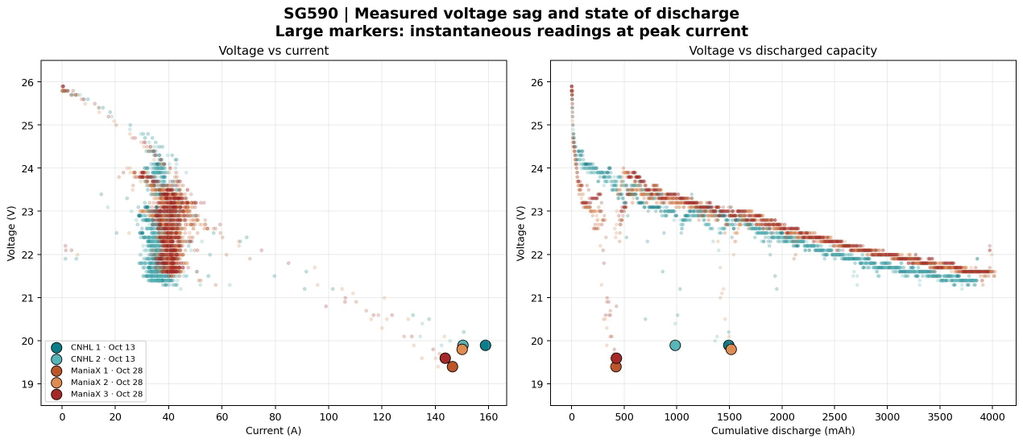
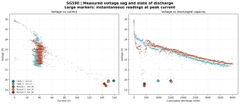
I tested two CNHL Lightning 6S 6000mAh LiHV batteries against four ManiaX 6S 5800mAh HV packs in my SAB ilGoblin 590, equipped with a Scorpion motor, Tribunus III ESC, and VBar telemetry logging.

Both battery types were purchased new for this helicopter and had undergone several charge/discharge cycles before testing. Their manufacturing dates were unknown, so previous storage-related aging could not be determined.

Internal Resistance

* CNHL: approximately 3.5mΩ/cell
* ManiaX: approximately 1.9–2.1mΩ/cell

Based on these readings, I initially expected ManiaX to perform better under heavy loads. However, the actual flight logs showed some surprising results.

High-Load Test Results

CNHL Lightning (October 13):

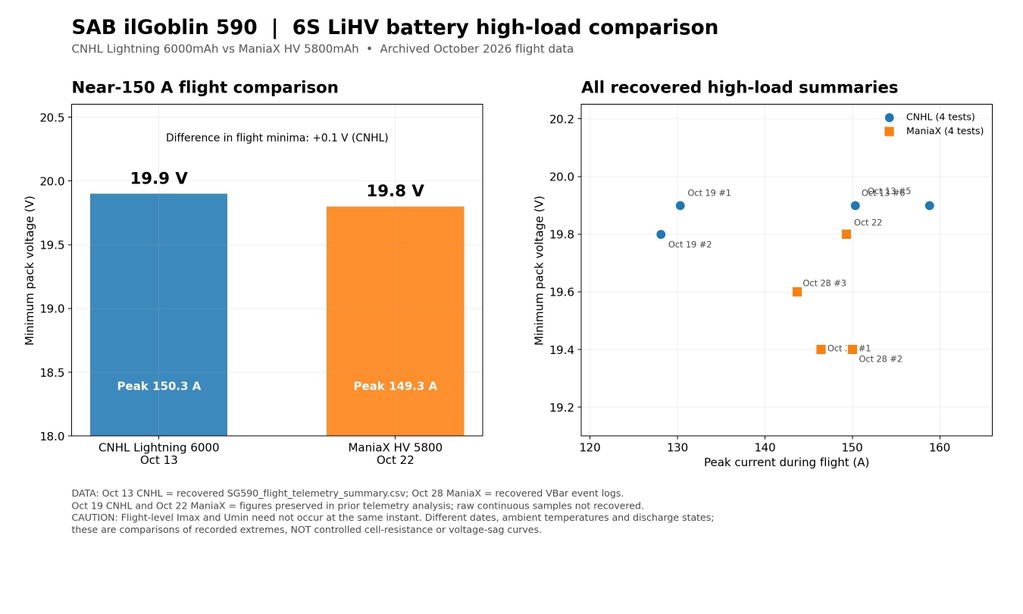
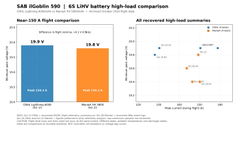
* Pack #1: 158.8A / 19.9V (1,492mAh discharged)
* Pack #2: 150.3A / 19.9V (984mAh discharged)

ManiaX HV (October 28):

* Pack #1: 146.4A / 19.4V (422mAh discharged)
* Pack #2: 150.0A / 19.8V
* Pack #3: 143.7A / 19.6V (425mAh discharged)

All voltage/current pairs are simultaneous measurements from the VBar logs.

Interestingly, the CNHL packs maintained 19.9V at approximately 150–159A, despite having already discharged around 1,000–1,500mAh.

The ManiaX packs experienced greater voltage sag at similar current levels, even though the selected high-load events occurred relatively early in their discharge cycles.

Low-Load Performance

At moderate loads of approximately 30–50A, ManiaX generally maintained slightly higher voltage, consistent with its lower charger-measured internal resistance.

However, this advantage was less apparent during the highest-current events. State-of-charge differences also affect these comparisons.

Important Test Conditions

The CNHL tests were conducted at approximately 18°C, while the ManiaX tests were performed at approximately 10°C.

These were estimated ambient temperatures, not measured battery temperatures. Lower temperatures can significantly increase voltage sag, so the results cannot establish that CNHL is inherently superior under identical conditions.

The tests were conducted on different dates with different flight profiles.

Weight and Usable Capacity

* CNHL: approximately 710g / 6000mAh
* ManiaX: approximately 820g / 5800mAh

The CNHL is about 110g lighter per pack.

Using my normal discharge limits, both batteries provide nearly identical practical usable capacity of approximately 3,950mAh, targeting around 3.80V per cell after resting.

Final Verdict

Despite its higher measured internal resistance, the CNHL Lightning delivered excellent high-current performance in my actual flight tests.

While ManiaX generally showed slightly better voltage retention under moderate loads, CNHL remained highly competitive during aggressive collective pitch maneuvers.

The temperature difference prevents a definitive conclusion about which battery has intrinsically lower voltage sag. Nevertheless, CNHL’s combination of strong high-load performance, significantly lower weight, and excellent value makes it a very impressive battery.

I’m extremely satisfied with the CNHL Lightning 6000mAh and would definitely buy it again.

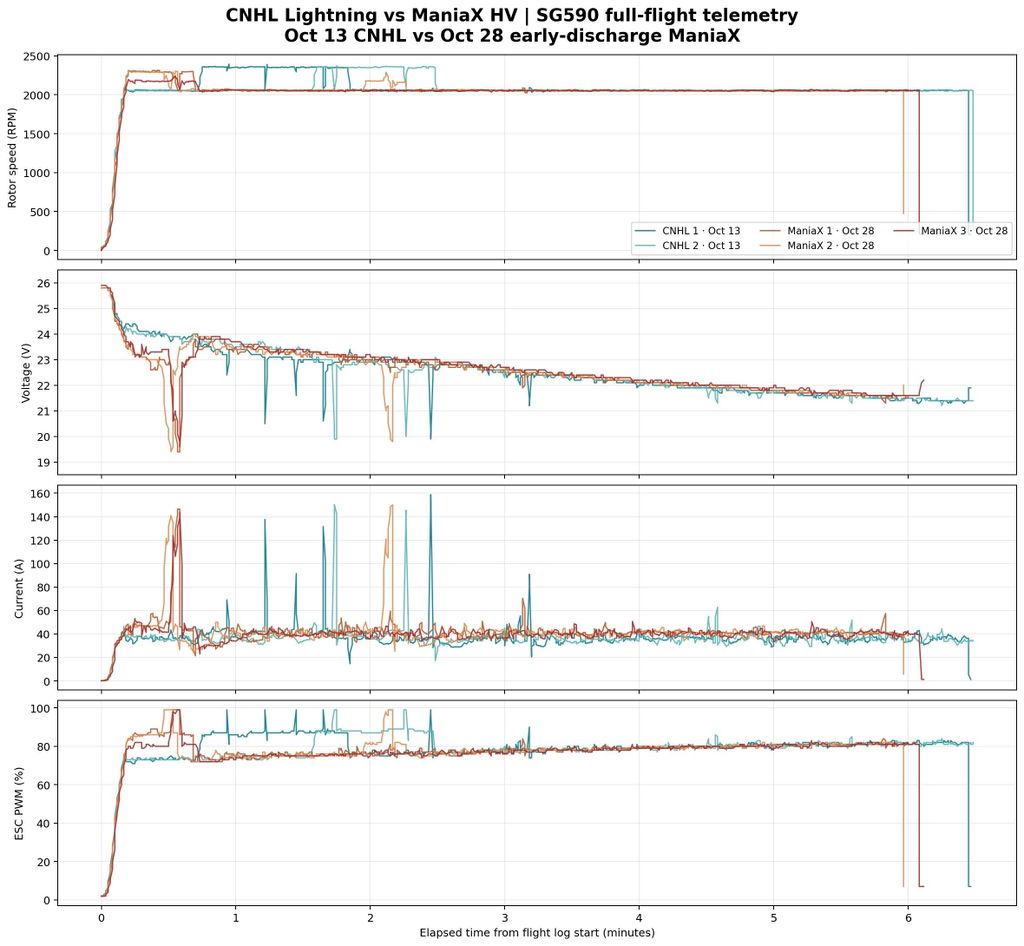
Full VBar telemetry graphs showing RPM, voltage, current, and ESC PWM are attached for reference.

z
zelard
Surprisingly Good High-Load Performance for the Price

I’ve been testing the CNHL Lightning 6S 6000mAh LiHV batteries against ManiaX 6S 5800mAh HV packs in my SAB ilGoblin 590, using a Scorpion motor and a Scorpion Tribunus ESC with VBar telemetry logging.

My main focus was voltage sag under heavy collective pitch loads, with peak currents reaching approximately 150–160A.

Interestingly, the CNHL packs measured around 3.5mΩ per cell on my charger, compared to approximately 2mΩ for the ManiaX packs. Based on these readings, I initially expected the ManiaX batteries to maintain voltage better.

However, in some of my high-load flight logs, the CNHL maintained approximately 19.9V at around 150A, while the ManiaX dropped to approximately 19.4–19.8V under similar current loads.

One important limitation is that the tests were performed under different conditions. The ManiaX tests were conducted at approximately 10°C, while the CNHL tests were around 18°C. Battery temperature can significantly influence voltage sag, so this was not a perfectly controlled comparison.

Results also varied between flights, but overall I found the CNHL’s high-load performance very competitive with the more expensive ManiaX packs.

Another significant advantage is weight. My CNHL packs weigh approximately 710g, compared to 820g for the ManiaX — a saving of around 110g per pack.

Despite the slightly different rated capacities, both batteries also provided very similar usable capacity in my setup.

Overall, I’m impressed with the CNHL Lightning 6000mAh. It offers competitive high-current performance, noticeably lower weight, and excellent value for money. I would definitely consider buying more.

A
Anthony

Amazing pack. Using it in a su30 and get 4:30-5mins

TOP